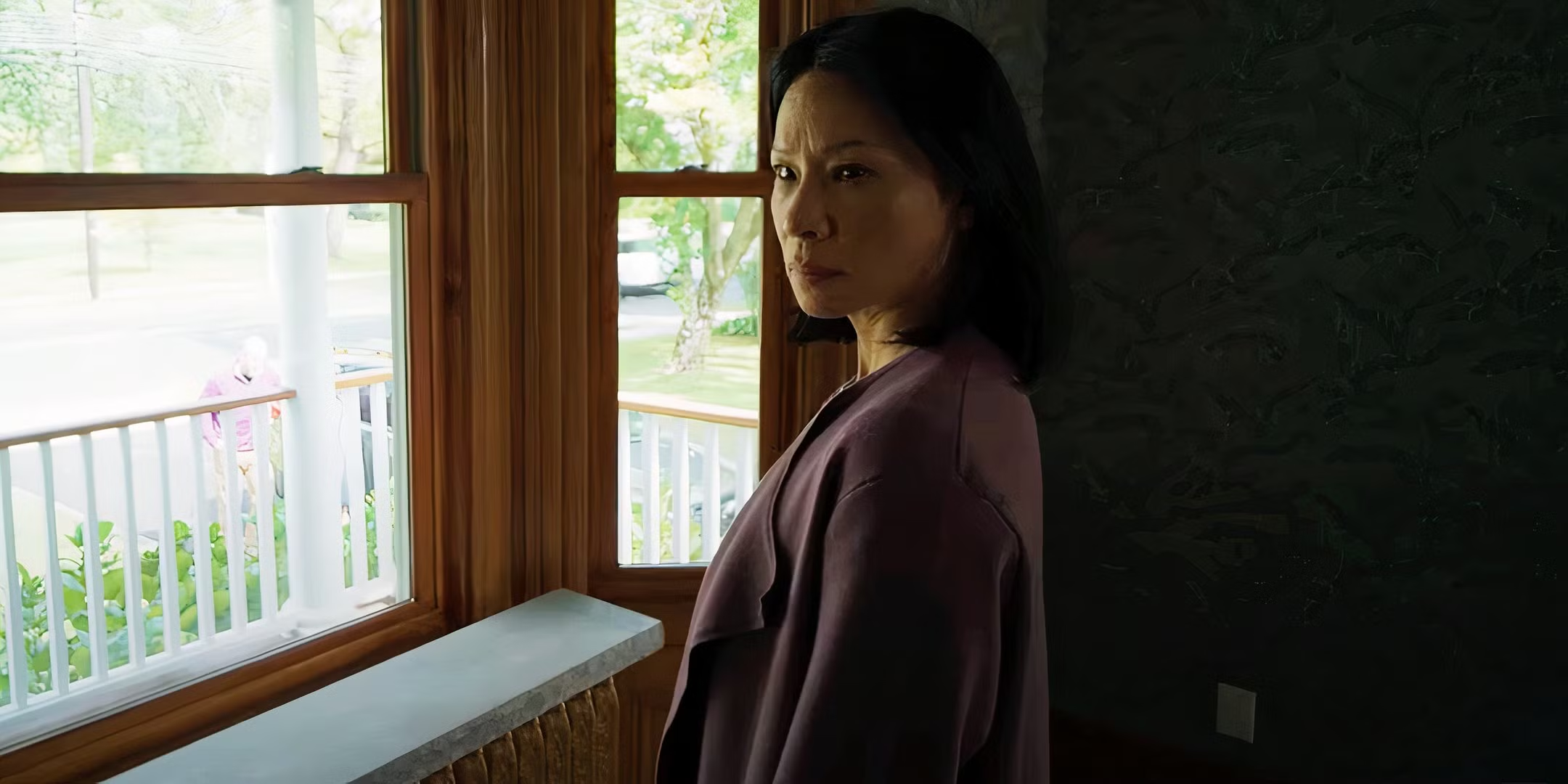
Hollywood star Lucy Liu and creator Eloise Singer are turning their acclaimed virtual reality project into a massive historical entertainment franchise. Speaking to Variety, Singer revealed that the duo are developing a new video game, co-authoring a graphic novel, and launching an international tour in 2027 for their room-scale experience, The Pirate Queen: No Safe Waters.
The announcements coincide with BAFTA selecting Singer for its prestigious 2026 Breakthrough UK cohort in the games category.
The expanding franchise chronicles the true exploits of Cheng Shih, the formidable 19th-century pirate leader who commanded hundreds of ships and thousands of outlaws across the South China Sea.
Liu produces the project and provides the central voiceover performance. She points out that Cheng Shih dismantled typical historical depictions through strategic mastery and raw authority:
“She was politically astute, ruthless when necessary, deeply strategic, and completely self-determined. Stories like hers remind us that history has always contained powerful, complex women – they were never centered in mainstream narratives,” Liu said. “That’s beginning to change, and I think audiences are hungry for stories that feel more expansive.”
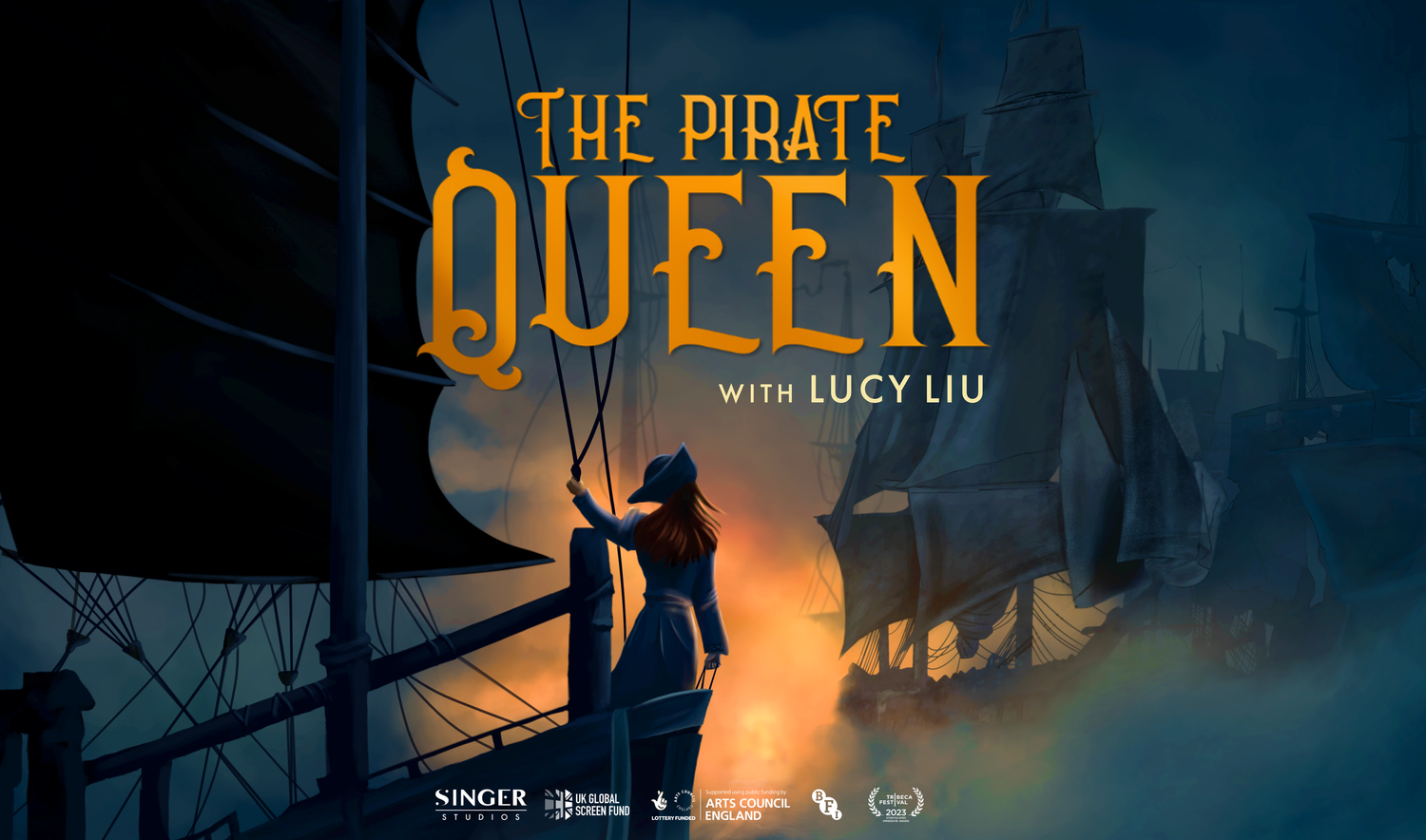
Stepping Out of the Headset
The franchise first made waves with its 2024 standalone VR release, which scored an Emmy nomination for interactive media.
Its follow-up, No Safe Waters, debuted earlier this year in the Cannes Film Festival’s Immersive Competition.
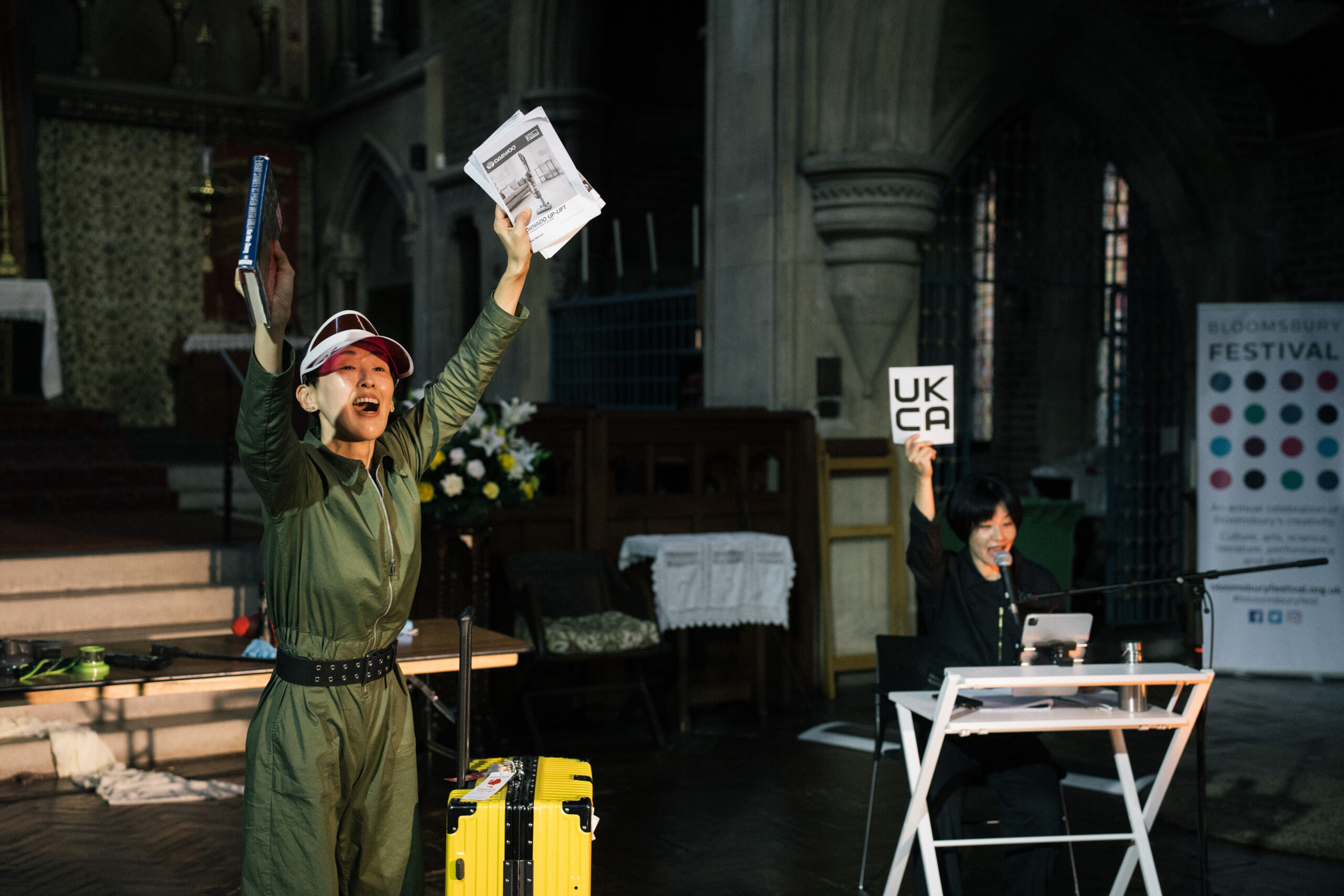
Instead of isolating individual players behind a VR visor, the new production transforms physical rooms into communal sensory spaces. Surround projections, spatial audio, and motion tracking put audiences right inside naval battles, throwing you into sea squalls while dragons swim beneath your shoes.
Read more: Lucy Liu Opens Up About “Not Understanding English For So Long” Growing Up
Liu remains off-screen throughout, using vocal modulation to shape the tension in the room:
“In film, the camera captures a glance or physical gesture to communicate subtext, but here the voice can help create emotional architecture,” Liu explained.
Building a Long-Term World
Singer has spent a full decade developing The Pirate Queen, working closely alongside Liu for the past three years to plan a cohesive multi-format world.
“I feel really lucky to be making it with Lucy. She’s thrown her heart and soul into this alongside me, and getting to build this world together has been one of the most special parts of the journey,” Singer said. “I love seeing how one story can take on a whole new life across different formats, each offering audiences a completely different way to experience it.”
Liu emphasised that the scale of the release matches the ambition of its real-world subject:
“We’re building ‘The Pirate Queen’ as a larger storyworld together, so it was never just about lending my voice to one experience,” Liu added. “As a producer, I wanted to help support the integrity of the story and the larger creative vision. I’m always drawn to work that challenges convention and creates space for voices and histories that haven’t been fully explored, and Cheng Shih’s story deserves that kind of scale.”
With a graphic novel in the works, an international live tour kicking off next year, and a full video game entering development, The Pirate Queen is quickly becoming one of the most ambitious historical properties in interactive media.