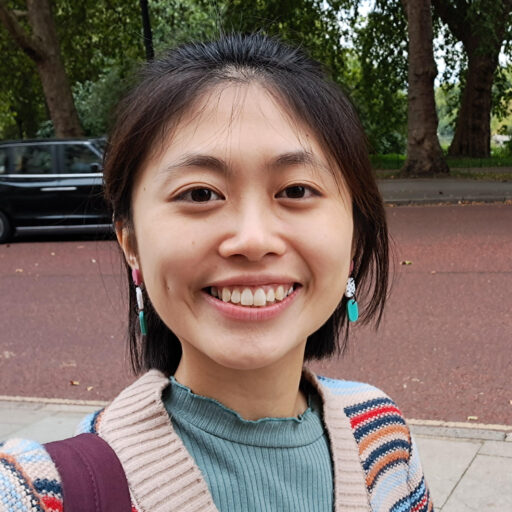
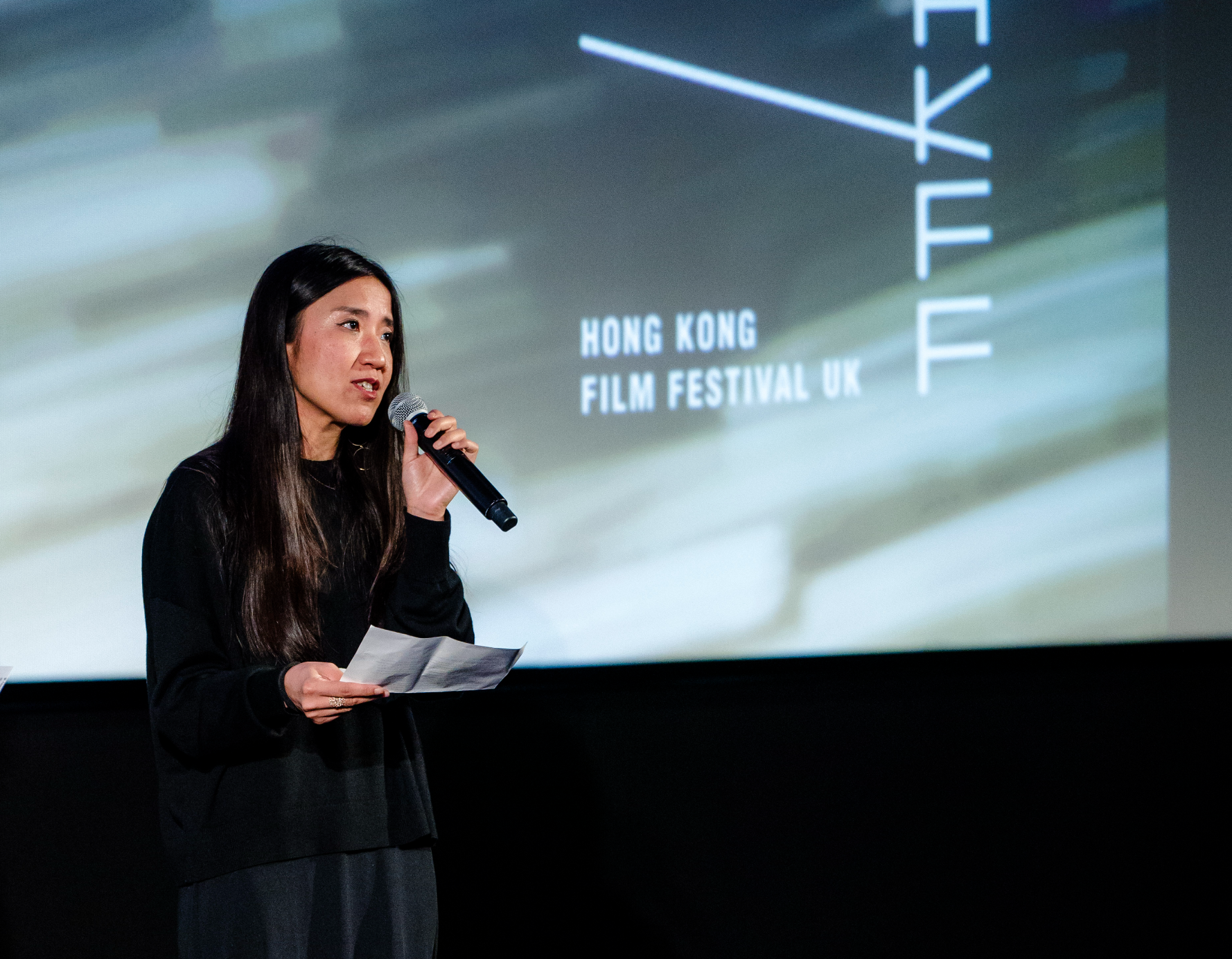
As the Hong Kong Film Festival UK returns for its fourth edition, programme director Ching Wong reflects on the festival’s four-year journey and what makes this year’s programme distinctive.
September and October mark the peak film festival seasons in London. Numerous major and independent festivals take place across the city, including the Hong Kong Film Festival UK (HKFFUK) which returns for its fourth edition from 25 September to 4 October.
Founded by a group of independent filmmakers and artists from Hong Kong in 2022, the festival aims to bring contemporary Hong Kong movies to the international stage while exploring how they have shaped–and been shaped by–themes of diaspora, colonialism and the city’s dramatic socio-political shifts in recent years.
This year, the festival continues that mission with a programme spanning features, documentaries, short films and art workshops. “While we study topics that we’ve been caring about, we focus more on film language and narrative this year,” explained Ching Wong, the festival’s Programming Director.
Read more: Why Hong Kong Filmmakers Are Struggling to Keep the City’s Cinema Alive
Palimpsest: The Story of a Name, the festival’s opening film, is a case in point. Directed by Mary Stephen, a Hong Kong-born, Paris-based filmmaker and editor, the personal documentary charts her investigation into the mystery of the English surname in her Chinese family.
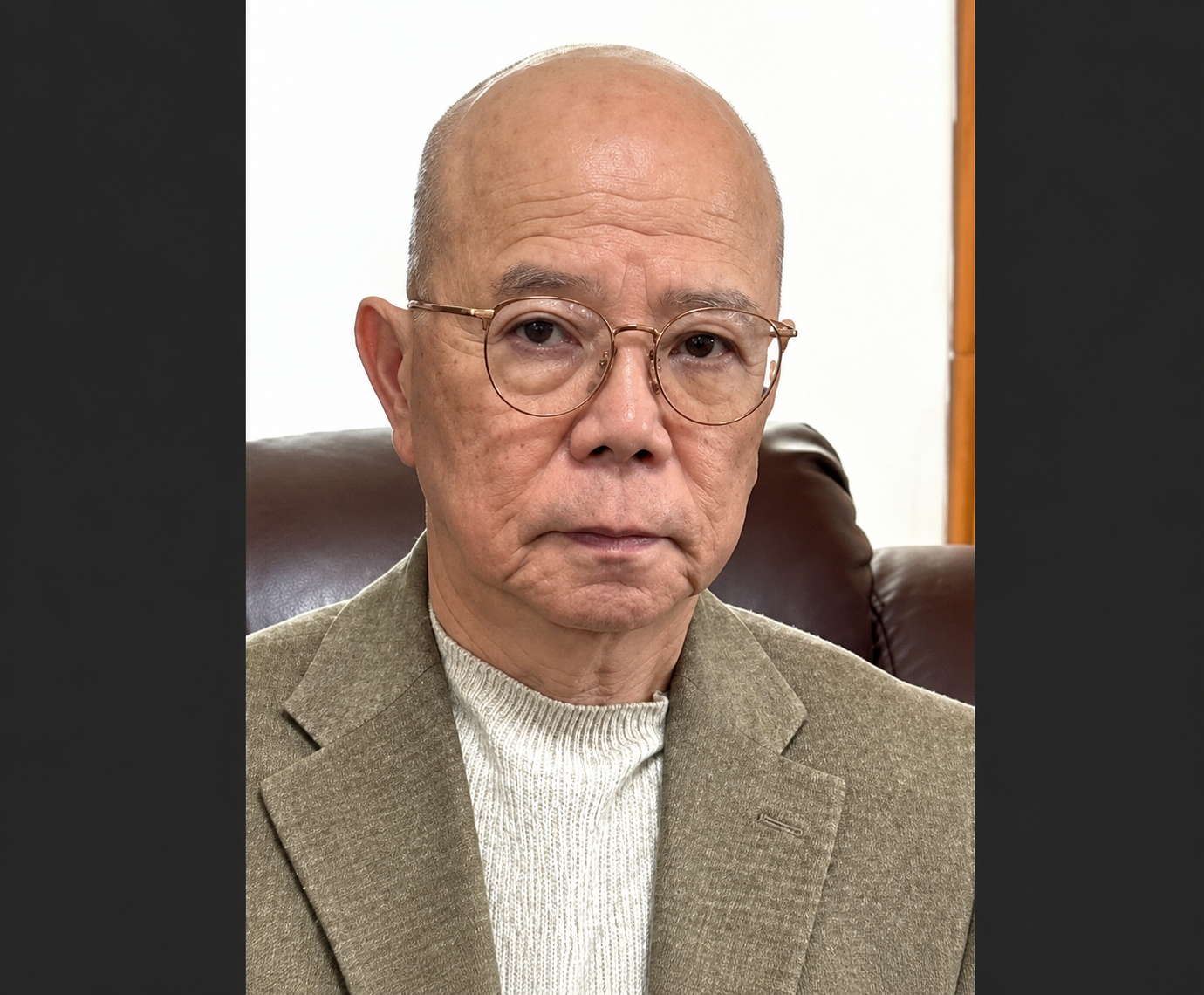
After emigrating to Montreal with her family in the late 1960s and moving to Paris in the 1970s, Stephen began a 30-year partnership with Éric Rohmer, one of the most renowned directors of the French New Wave. At the same time, she edited Hong Kong productions, including notable titles by Ann Hui. Now 73, she has edited more than 60 films and earned four César Award nominations.
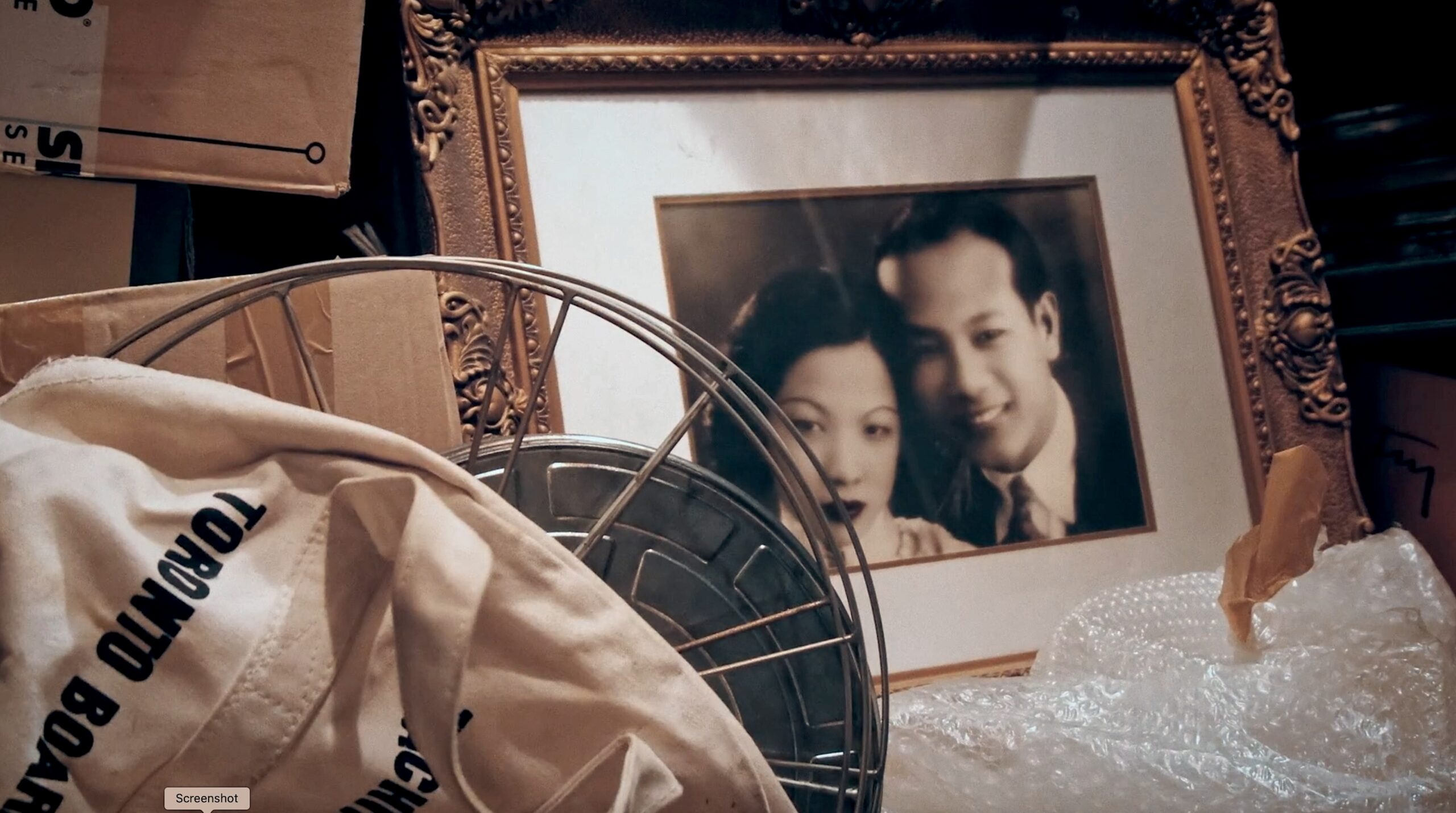
In the documentary, Stephen presents the complexity of her migration story by arranging fragmented family footage and memories as a kind of mystery drama. Her poetic and intimate narration reveals her attempts to investigate her family history objectively, while acknowledging how confusing and elusive that history can be. Hers is a journey across borders, but also an expedition through memory and art.
“We used to focus on HK-UK migration, but Stephen demonstrates ‘multiple migration’ – a more realistic migration journey for many people in the diaspora community,” Wong explained.
Read more: How the King of Comedy Taught the World Not to Take Itself Seriously
Although the festival traditionally features Hong Kong and East Asian films, this year Wong also curated a number of European films connected to Stephen’s work. “Some connections between Hong Kong people and the wider world are invisible, such as how she plays a crucial role in the European film industry,” she said.
Since its second editor, the film festival has also expanded beyond the “Hong Kong” label and connected with the wider East and Southeast Asian community. This year, a visual talk curated by Suyin Haynes, a Malaysian-British, London-based writer and researcher, explores the relationships between Hong Kong and ESEA across seven decades of film history.
“In the UK, we usually describe ESEA as a shared community or a coherent whole, but what does each culture share and differ from each other? Recent migrants from Hong Kong seldom map ourselves as East Asians, but Hong Kong once impacted ESEA cinema a lot as a cultural exporter. This relationship has changed a lot, and what should we think about the relationship between Hong Kong and the rest of Asia?” Wong asked.
Wong explained why the festival began reflecting more deeply on Hong Kong’s position within East and Southeast Asia. “After COVID, there was a significant increase in new ESEA organisations–I guess nearly 100–because of the surge of hate crime during the pandemic. As a marginalised group, we wanted to build solidarity with other ESEA communities thus learning about our similarities and differences. Many people in London supported migrants, but anti-immigration sentiment does exist in the UK and Europe… we have an urge to address this.”
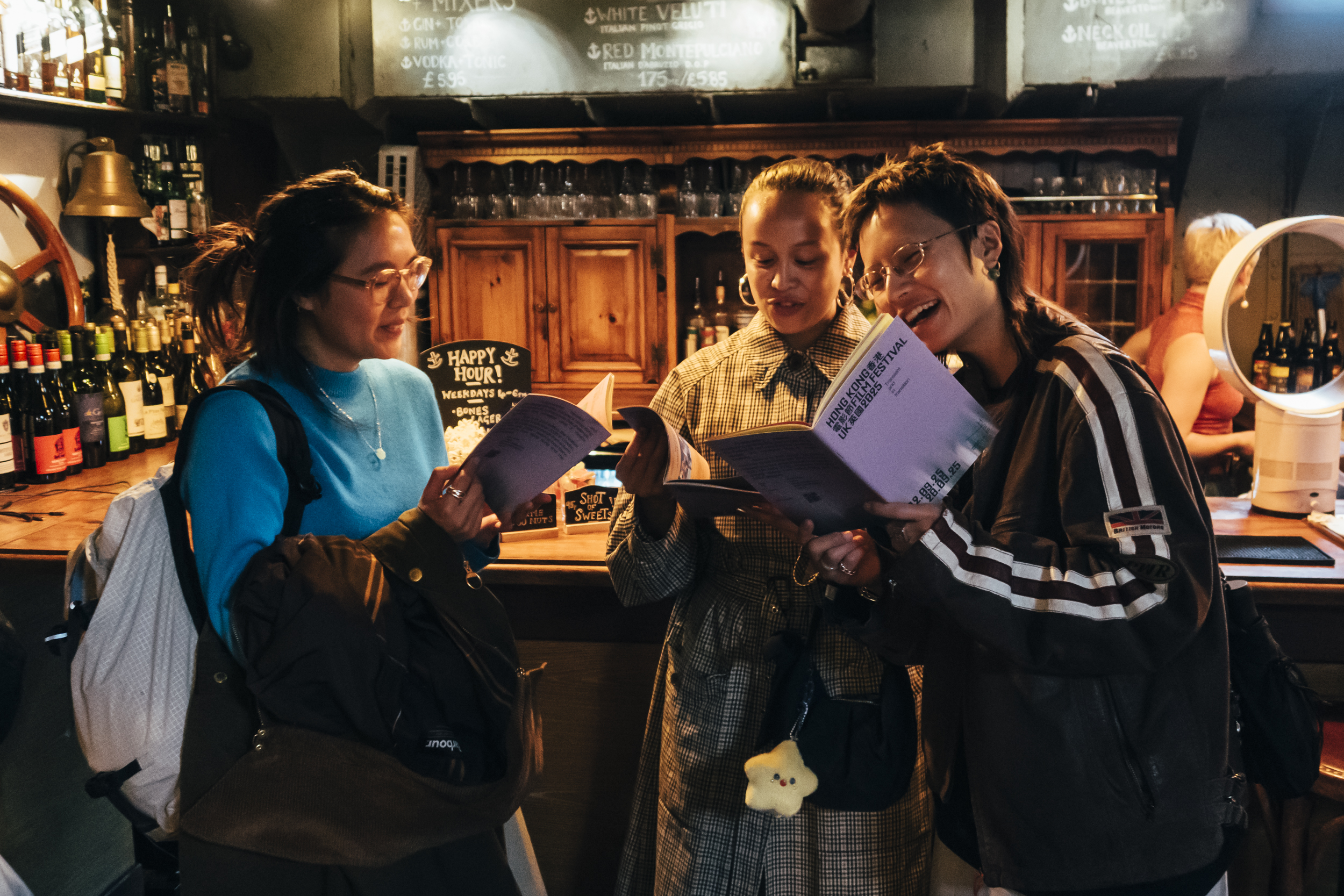
The changing social climate has directly affected the festival. “Last year, we organised a family screening in Manchester. It was fully booked, but we got many cancellations the day before. The parents said there were anti-migrant protests in the city centre, and it was dangerous to travel to the cinema. I thought, wow, it’s the reality. We wanted to bring more discussion to current society,” Wong recalled.
Four years in, Wong believed the festival had succeeded, to a certain extent, in bringing contemporary Hong Kong cinema to the world. “Most film watchers in the UK and Europe see Hong Kong movies as those made during the golden era in the 1970s and 90s. Yet we showcase how Hong Kong cinema is redefined and has changed nowadays.”
Read more: The Hong Kong Cinema Renaissance
For example, the Repositioning (in) Hong Kong Cinema programme features Hong Kong films shot overseas, including Deadlines and Behind the Shadow. As in previous years, the festival also includes short-film screenings. As Wong explained, short films give emerging filmmakers an opportunity to show their work despite having limited resources and experience.
“There are more possibilities in Hong Kong cinema beyond Wong Kar-wai and John Woo,” Wong said with a wry laugh.
Much like the Hong Kong filmmakers it champions, the HKFFUK team has struggled with limited resources. Curation has become more challenging, too, partly because of the decline in local Hong Kong film production. Meanwhile, the recent trend towards social realism in Hong Kong cinema can also make it harder to attract local audiences in the UK, as the films often require greater contextualisation for viewers unfamiliar with the city’s current realities.
“Some of our programmes can attract audiences from a colonial family background because of the global relevance of colonialism,” Wong said.
The global relevance is not just thematic. There is a screening on a boat this year, where they explore different cinematic experiences. There is also a visual talk in which an artist will present work exploring digital censorship. At the end, the audience will be invited to share their experiences and bind their contributions into a booklet. “The sensory and physical expression can be very powerful, bringing more emotions and thoughts. Isn’t it very exciting?”
After four years, perhaps the festival’s evolution is reflected in its own changing understanding of what a “Hong Kong film festival” can be.
“When we frame ourselves as a ‘Hong Kong film festival’, it seems that we’re just talking about Hong Kong, ESEA and representation. However, we are exactly opposite,” Wong said. “We want to explore the possibilities of art and film. This is universal. It’s beyond Hong Kong and Asia.”