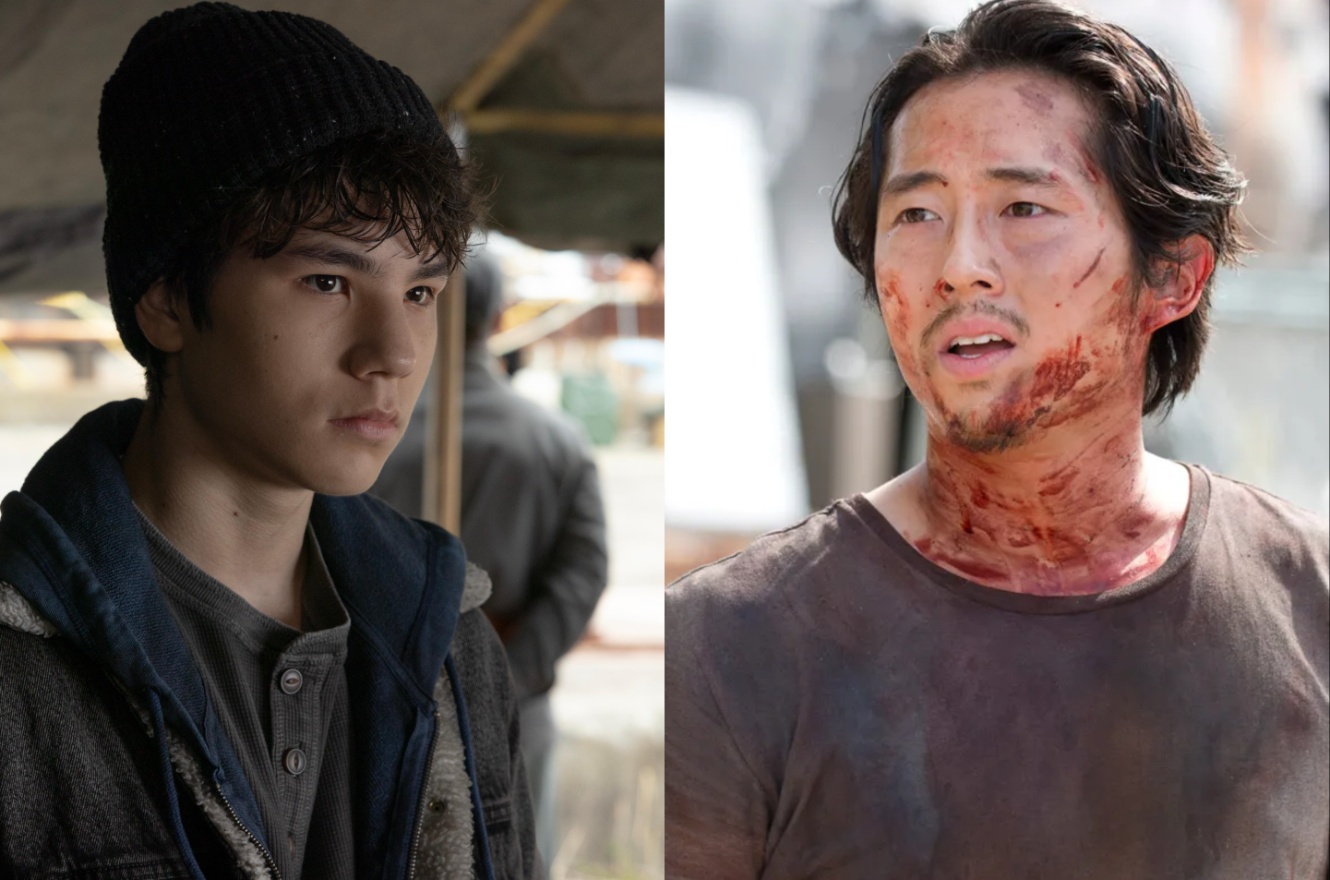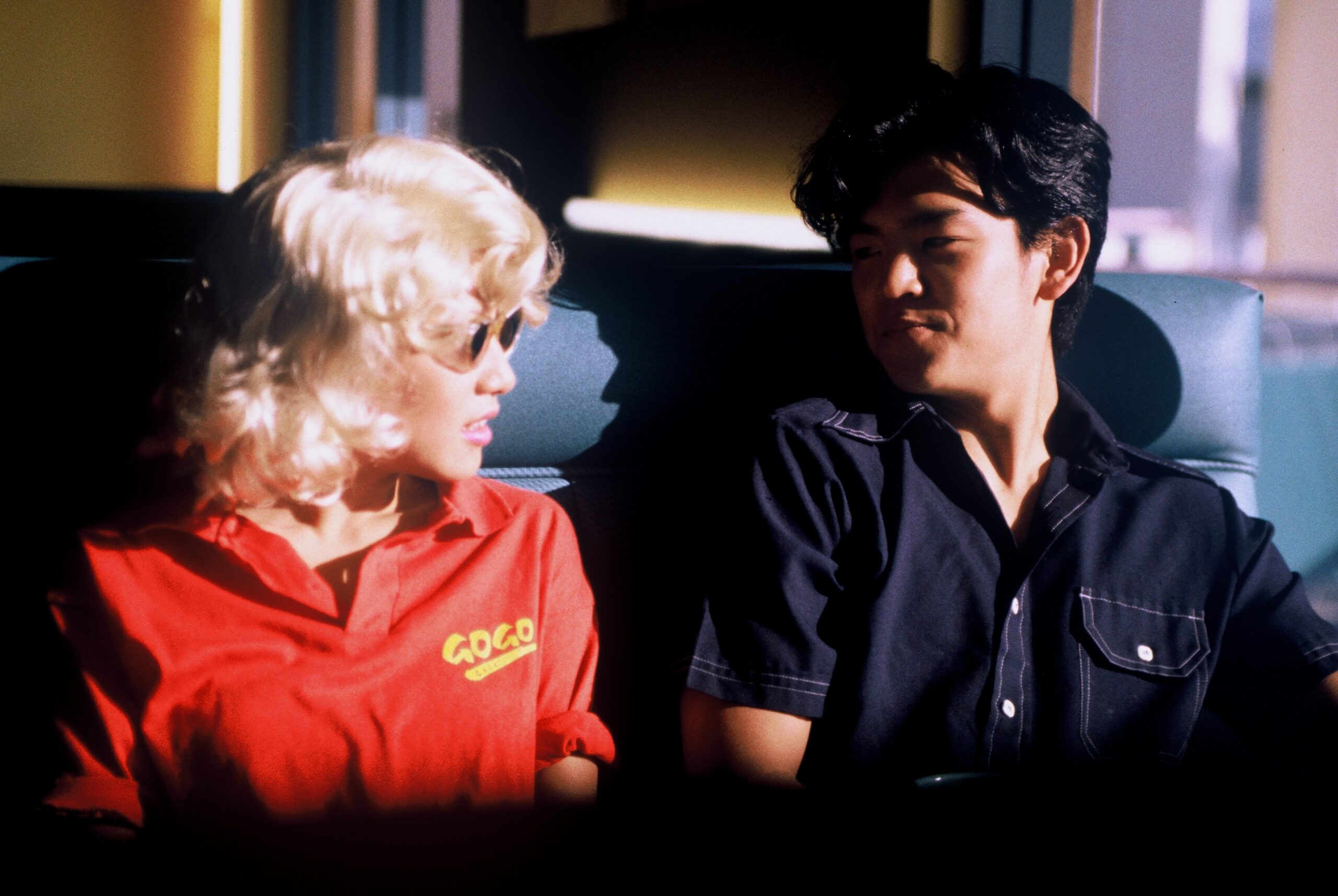
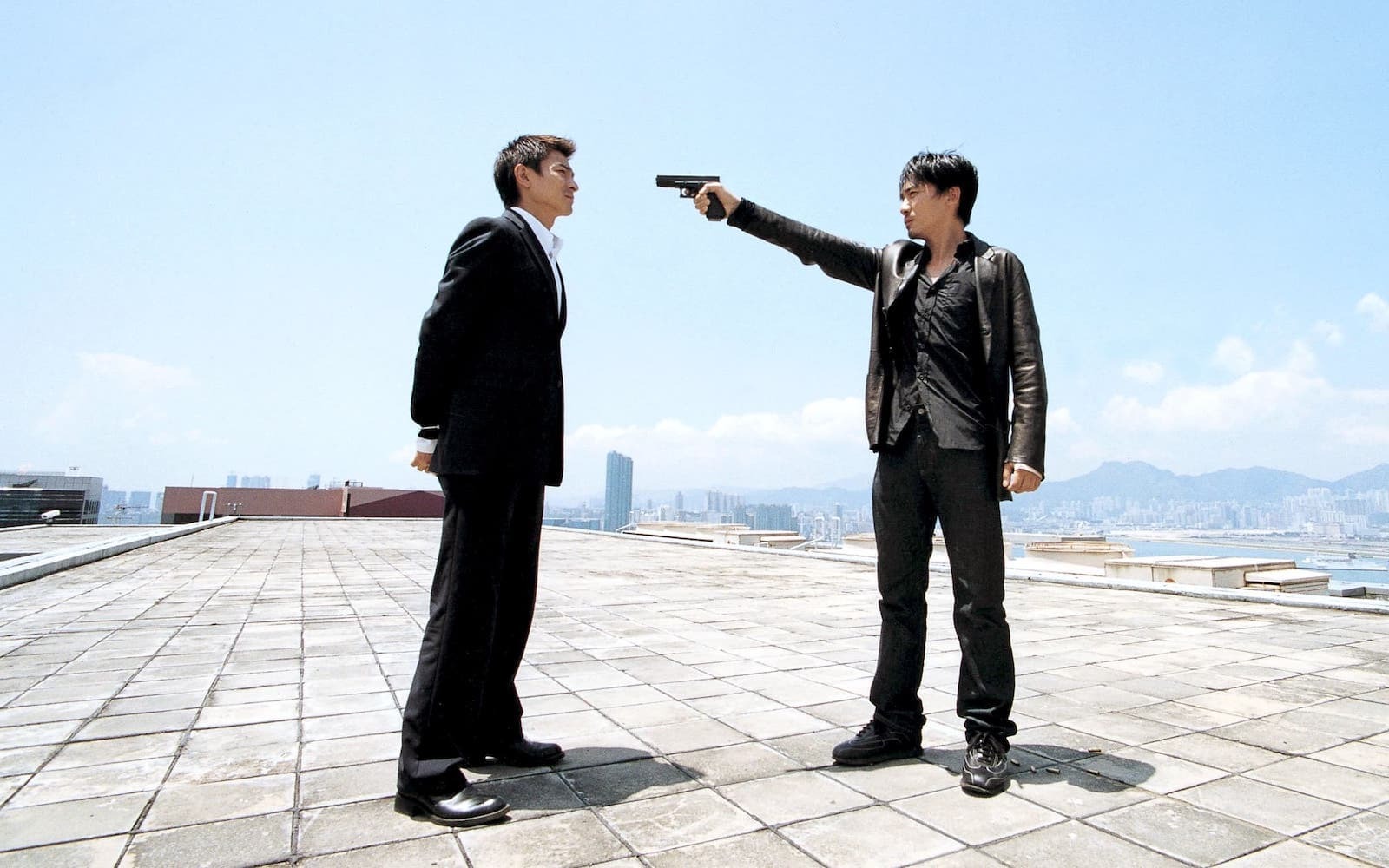
Hong Kong cinema may no longer command the cultural force it once did, but it is not simply fading away. In a BBC World Service podcast, filmmaker Jun Li and BBC journalist Phoebe Kong describe an industry under pressure from tighter censorship, shifting market forces and the growing influence of mainland China.
“The industry started to decline since the Asian Financial Crisis and Hong Kong’s handover back to China in the late 1990s,” Kong says in the episode. The turning point, she adds, came in 2022 when Hong Kong amended its film censorship rules to include a national security element.
Kong recalls a time when Hong Kong cinema was “huge in the 80s and the 90s dominating the box office across Asia,” with stars such as Bruce Lee and Jackie Chan becoming international icons. She says that in the early 1990s, the city produced more than 200 films a year and generated over HKD 1.2 billion in film revenue in 1992 alone.
Read more: 7 Classic Stephen Chow Films You Need to Watch Right Now
But that scale has collapsed. “Over the last part of the last ten years, it has dropped by over 70%,” Kong says, adding that only 40 to 60 films are now produced on average each year.
For directors, the problem is not just censorship itself, but uncertainty. Li says that earlier in his career, if a film element could not pass scrutiny, censors would explain what needed to change. “But then in recent years they… don’t tell you what is not acceptable in their standard,” he says.
View this post on Instagram
“That makes it even more risky,” he adds, because Hong Kong’s censorship review comes at the end of production rather than before filming begins. In mainland China, by contrast, scripts must be approved before shooting starts, which Li suggests can at least reduce wasted investment.
The episode points to a growing set of red lines. Kong says topics such as the 2019 anti-government movement are now effectively off-limits, while LGBTQ themes and ghost stories can also face problems if a film is expected to reach the mainland market. “Those are the topics that are more sensitive in mainland China compared to Hong Kong,” she says.
Read more: Stephen Chow’s ‘Kung Fu Soccer’ Slammed For Mocking Korean Women’s National Team
She also says censorship has hit the horror genre especially hard. “We produce so much less horror films these days because of the censorship in China,” Kong says, explaining that officials are wary of material seen as encouraging superstition.
Despite the pressure, both speakers stop short of writing Hong Kong cinema off completely. Kong says the industry is “finding a new way,” pointing to recent local box-office successes and overseas award wins. Li, meanwhile, suggests the future may be smaller and more artistic: “Cinema could become like theatre… a more niche art,” he says.
He also argues that the answer is not shorter, algorithm-friendly content, but the opposite. “We need to make long plays,” Li says. “We need to make things that are so different from the online form… things that you would pay for because it is long, it is epic.”