When you grow up in the Asian diaspora, television screens do more than occupy a corner of the living room. They act as cultural tethers, pulling you back to places you might only visit during summer holidays. For me, that tether was Stephen Chow. Long before streaming platforms regularised global cinema, smuggled Cantonese video cassettes, pirated VCD’s were our communal currency. Chow was my favourite actor, a performer who did not merely entertain us but gave us a completely specific visual vocabulary to navigate the displacement of living between two worlds. Watching him felt like sharing a private joke with millions of people across the globe, an experience that shaped my understanding of what comedy could achieve.
His popularity in the nineties was immense. In Hong Kong, his films routinely broke box office records, often competing only against his own previous work. This appeal was rooted in how he spoke to ordinary people. He did not play wealthy heroes or smooth operators. He played the underdog, the street hawker, the bumbling gambler, or the arrogant chef who needed a lesson in humility. Audiences saw their own struggles reflected in his characters, but amplified by a wild, anarchic sense of fun that made daily life feel less heavy.
Read more: FEATURE: Hong Kong movies worth watching
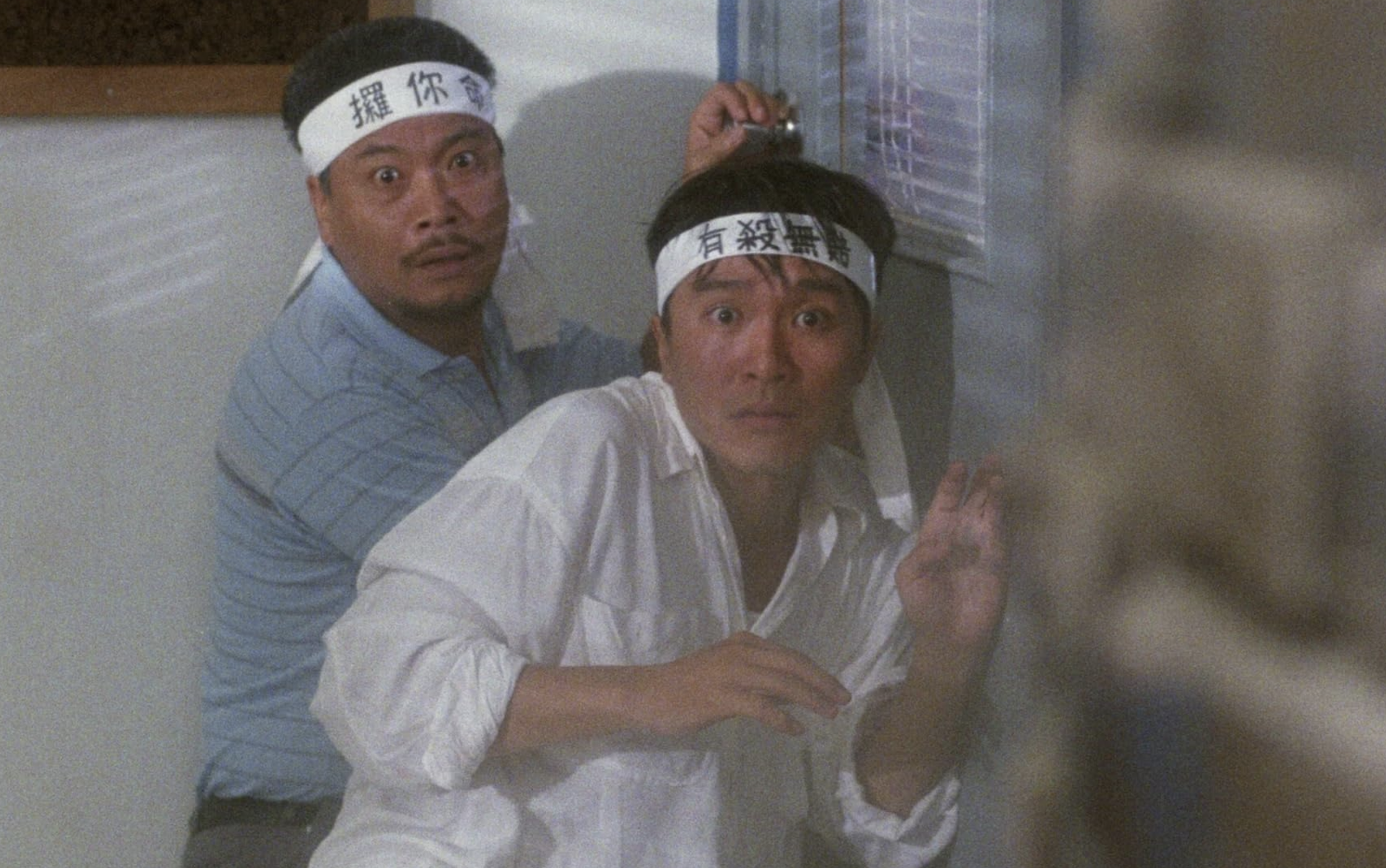
The engine behind this global appeal was his distinct style of comedy, known as mo lei tau. Translated literally as “nonsense,” or “no take-off point,” mo lei tau is a fast-paced blend of wordplay, anachronisms, slapstick, and sudden shifts in tone. It relies on the unique rhythm of the Cantonese language, using puns and regional slang to subvert authority. If a powerful boss gave a serious speech, Chow’s character would respond by eating a chicken wing or pointing out a stray hair. This comedy style knocked down social hierarchies. It showed that when the world makes no sense, nonsense is the only logical response. For diaspora kids trying to decode the clashing rules of different cultures, this irreverence was incredibly liberating.
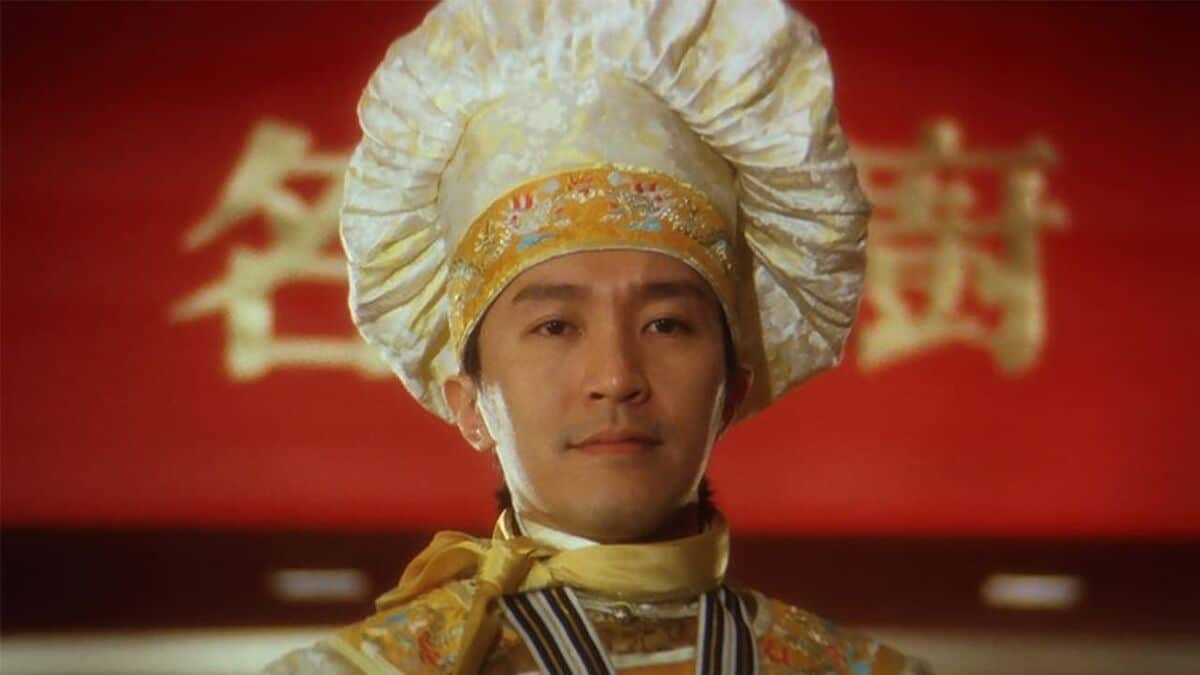
For years, critics and the wider film industry did not know what to make of this chaos. Early on, mainstream reviewers dismissed his films as cheap, lowbrow entertainment that relied too heavily on vulgarity and local inside jokes. They viewed mo lei tau as a passing fad rather than serious cinema. But as his box office numbers grew impossible to ignore, critical opinion shifted dramatically. Intellectuals began writing academic papers analyzing his wordplay, and western critics eventually hailed him as a comedic genius on par with Buster Keaton and Tex Avery. Peers within the industry viewed him as a demanding, sometimes difficult perfectionist who completely controlled every frame of his films. He earned a reputation as a solitary figure, respected for his vision but known for pushing his cast and crew to their absolute limits to capture the exact rhythm of a gag.
Behind that intense professional drive lies a standard story of classic Hong Kong perseverance. Born in 1962, Chow grew up in a low-income housing estate in Kowloon, raised by a single mother alongside his sisters after his parents divorced. He was deeply inspired by Bruce Lee, a childhood obsession that sparked his lifelong fascination with martial arts. His entry into the entertainment world was anything but smooth. After failing to get into the prestigious TVB acting school on his first try, he eventually entered through night classes and spent years hosting a children’s television programme called 430 Space Shuttle. This period of obscurity, surrounded by bright sets and chaotic energy, allowed him to quietly hone the sharp, deadpan expressions and bizarre comic timing that would eventually define his career.
That prolonged struggle before finding stardom left an indelible mark on his creative perspective. Unlike many of his contemporaries who transitioned easily into Hollywood glamour or serious dramatic acting, Chow remained deeply attached to his roots as a kid from Kowloon who had to fight for a break. This background directly informed his working relationship with his long-time co-stars and sidekicks, particularly the late Ng Man-tat, with whom he formed one of the most successful comedic duos in cinema history. Their on-screen chemistry worked because it mirrored a genuine understanding of the human condition, pitting Chow’s manic, arrogant energy against Ng’s weary, grounded regular-man persona.
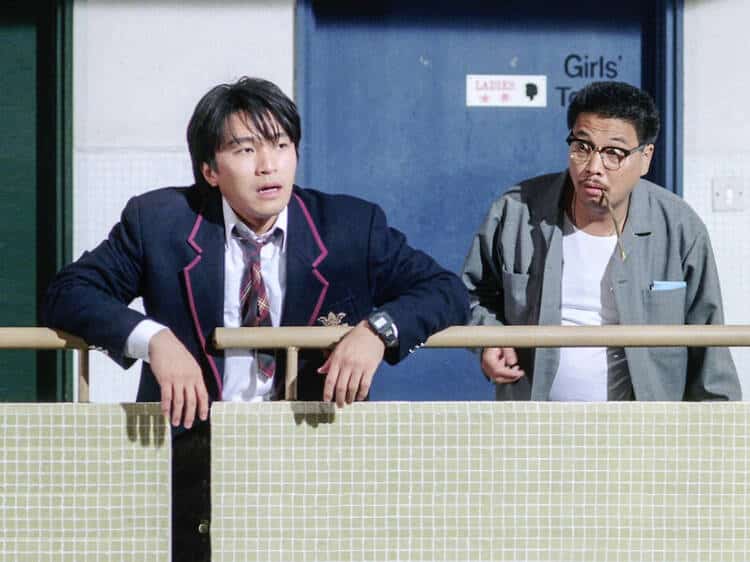
A specific run of movies made him a household name, turning his regional brand of humour into an international language. In God of Gamblers II, he parodied the serious, high-stakes card films of the era by introducing ridiculous psychic powers and absolute chaos to the card table. Then came The Final Combat and Justice, My Foot!, which solidified his status as a box office king. The stories followed a reliable, powerful formula. Chow usually played a deeply flawed, arrogant, or impoverished man who gets beaten down by life, loses his dignity, and must find a way back up. In The King of Comedy, he played a struggling extra who takes acting far too seriously while failing to get a single line on screen. The film mirrored his own early career struggles, blending genuine heartbreak with ridiculous physical gags.
The peak of his global crossover arrived with Shaolin Soccer and Kung Fu Hustle. The stories here expanded into massive, live-action cartoon spectacles. In Shaolin Soccer, a group of washed-up martial arts brothers use their long-lost skills to play football, turning a modern sport into a stage for traditional kung fu. In Kung Fu Hustle, an aspiring gangster named Sing tries to extort money from a rundown slum called Pig Sty Alley, only to discover that the ordinary residents—the landlady, the tailor, the coolie—are actually retired martial arts masters in hiding. The story is a classic fable about hidden greatness, showing that true strength belongs to the community rather than the loud oppressors.
Today, Chow has largely stepped away from appearing in front of the camera, moving instead into the director’s chair and the production office. He stays busy behind the scenes, steering massive commercial projects that continue to push the boundaries of visual comedy. His highly anticipated film, Women’s Soccer, wrapped up filming recently and is scheduled for a major release. He spends his time mentoring a new generation of actors, ensuring that the sharp, kinetic energy of classic Hong Kong cinema survives in a shifting global market. Even in his sixties, his influence on modern comedy remains absolute.
Read more: Uyghur Actress Dilraba Dilmurat Rumored to Star in Stephen Chow’s ‘Shaolin Women’s Soccer’
Looking back at his filmography creates a deep appreciation for what he gave the Asian diaspora. His work proves that comedy does not have to be polite to be meaningful. He took the specific anxieties of a community and turned them into brilliant, enduring art that bypassed language barriers. He taught us that it is entirely acceptable to laugh when things go wrong, and that the biggest losers often have the greatest potential. Decades later, when the world feels overwhelmingly complex, returning to his films feels less like a trip down memory lane and more like a necessary reminder of how to survive with your sense of humour intact.