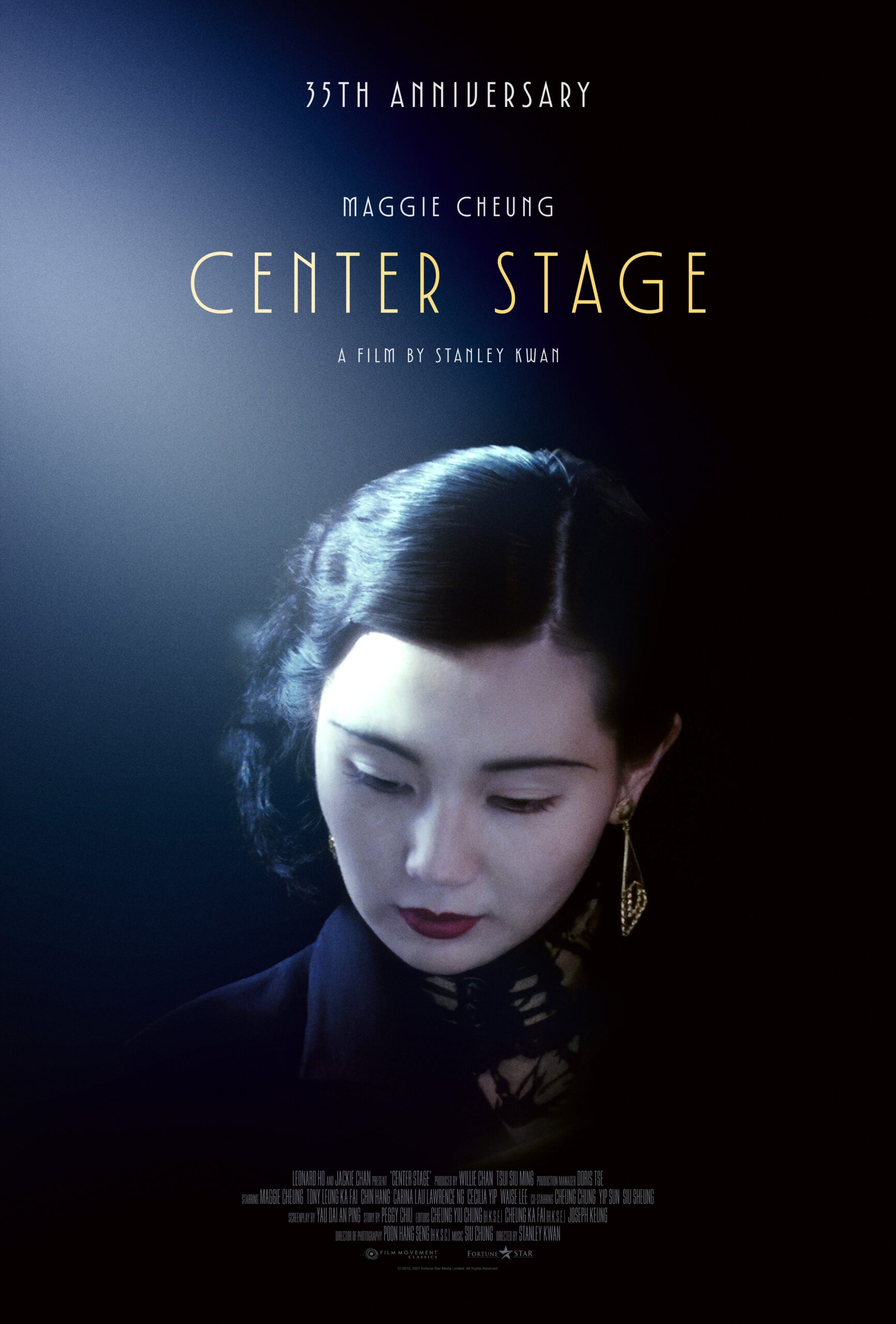
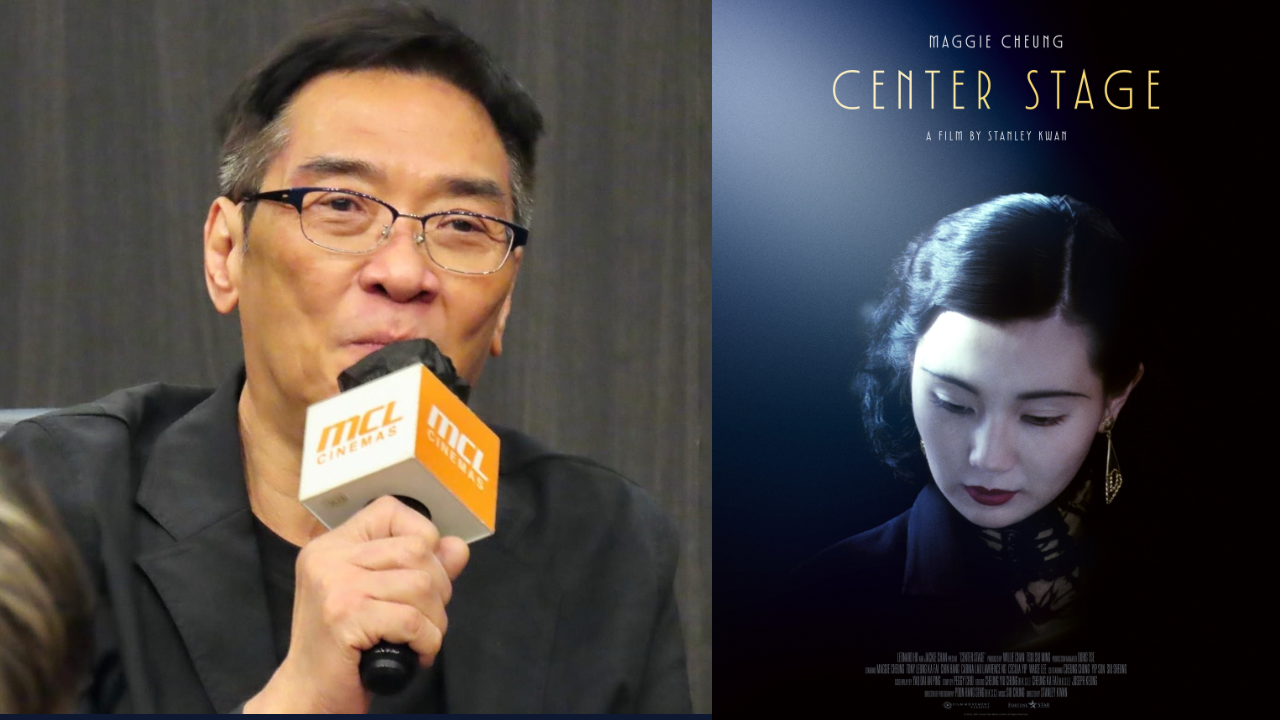
“After I made my first film in 1985, I always ask myself: ‘Stanley Kwan, why do you want to tell this story through film?’ I never think about the box office… [The crew and] I just make sure that we have the passion to make the film good. I’ve kept this as my creative force, even after Center Stage,” Hong Kong director Stanley Kwan said, as the 4K restoration of Center Stage opens in North American cinemas on 7 August.
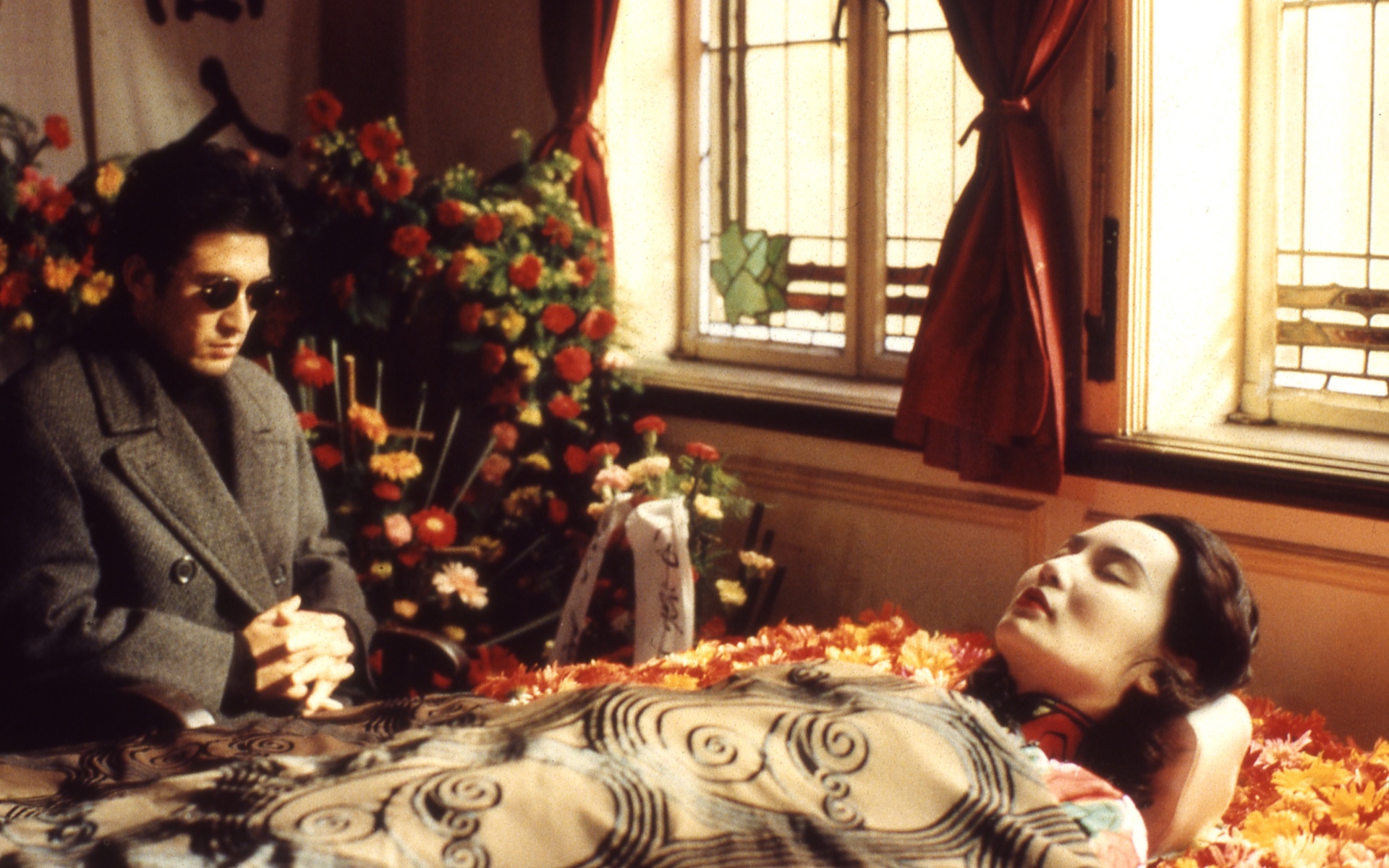
Center Stage (1991) is an acclaimed biographical drama by Stanley Kwan, one of the most celebrated Hong Kong directors. It traces the life and career of Chinese silent-film icon Ruan Lingyu (1910–1935), following her rise to stardom in Shanghai, the centre of the Chinese film industry in the 1930s. At the height of her fame, Ruan became embroiled in legal disputes with her ex-partner while in a new relationship, making her the target of relentless media scrutiny. The pushed her to take her own life at the age of 24, leaving behind the haunting final words: “Gossip is a fearful thing.”
Approaching its 35th anniversary next year, the movie won multiple Hong Kong Film Awards and Golden Horse Awards, while Maggie Cheung’s portrayal of Ruan earned Best Actress at both the Berlin International Film Festival and the Chicago International Film Festival.
Read more: Maggie Cheung: The Enduring Allure of an Elusive Movie Icon
The upcoming 4K restoration does more than enhance the film’s sound and image. For the first time in decades, audiences will be able to see Kwan’s original director’s cut – the version that premiered at the Berlin International Film Festival before being shortened for theatrical release in Hong Kong and Taiwan.
Kwan recalled that after the film’s success in Berlin, Jackie Chan, the film’s executive producer, organised a charity screening that attracted a full house. Yet midway through the screening, Kwan began hearing a succession of loud “pak, pak, pak” sounds echoing through the auditorium. The noise came from people leaving. Their seats snapped back as they walked out.
By the end, only half of the audience remained. Distributor Golden Harvest then insisted that Stanley remove many of its documentary sequences.
Those documentary segments, however, are what make Center Stage so distinctive. The film unfolds across two parallel strands. One is a colour drama of Ruan’s life, and the other consists of black-and-white documentary footage featuring interviews with filmmakers who worked with Ruan in the 1930s alongside contemporary actors – including Maggie Cheung, Tony Leung and Carina Lau – who discuss Ruan as themselves while also portraying historical figures within the drama.
“I’m so happy that the 4K director’s cut will be shown in cinemas and will endure. I’m happy with that,” Stanley shared. “I’m very happy with that.”
The restored version reinstates many of the interviews with veteran filmmakers, which Kwan believes make the film more “complete”.
Read more: The Hong Kong Cinema Renaissance
“The filmmakers of 1930s Shanghai contributed to the first golden era of Chinese cinema,” he said. “ Those documentary scenes that Golden Harvest wanted to remove are about what they feel about filmmaking and Ruan LingYu as a good actress, who finally committed suicide…if they were cut, did that hurt the narrative about them?”
For Kwan, those interviews were never supplementary material. They were the very reason he wanted to make Center Stage.
In an interview five years ago, Stanley described the film as his “love letter” to cinema. He explained that he and his team spent two years researching Chinese film history and interviewing the filmmakers from the era. It is a “collaboration among filmmakers from the 90s, like solving a puzzle putting together piece by piece a perfect story about Shanghai cinema in the 30s.”
If Center Stage was originally conceived as a tribute to the pioneers of Shanghai cinema, Kwan now sees it as a love letter to Hong Kong filmmaking in the 1990s as well. He began his career in the late 1970s at the Hong Kong TVB film unit, working along with famous directors like Ann Hui, Tsui Hark and Yim Ho. Bringing westernised approaches and new techniques to Hong Kong cinema, these directors ushered in New Wave between the 1970s and 1980s – one of the industry’s most influential periods.
“In the early 1980s, I was invited to work as their assistant director,” Kwan reflects. “I had the chance to learn from them how to work with actors, how to discuss characters, and how to use space on set. I’m really grateful that I learnt those things from them.”
For the past seven years, Kwan has taught screenwriting and directing at the City University of Hong Kong, where he regularly introduces students to the films of the first generation of New Wave directors. “Hong Kong New Wave cinema happened before Taiwan and China, and we have to say thank you to those filmmakers. Their work drew the attention of European, Japanese and Korean distributors and critics, and influenced younger filmmakers across Japan and Korea…So I would say Center Stage is another love letter to Hong Kong cinema.”
Read more: The Eyes of Tony Leung: Why the Legendary Actor Thrives on Letting Go
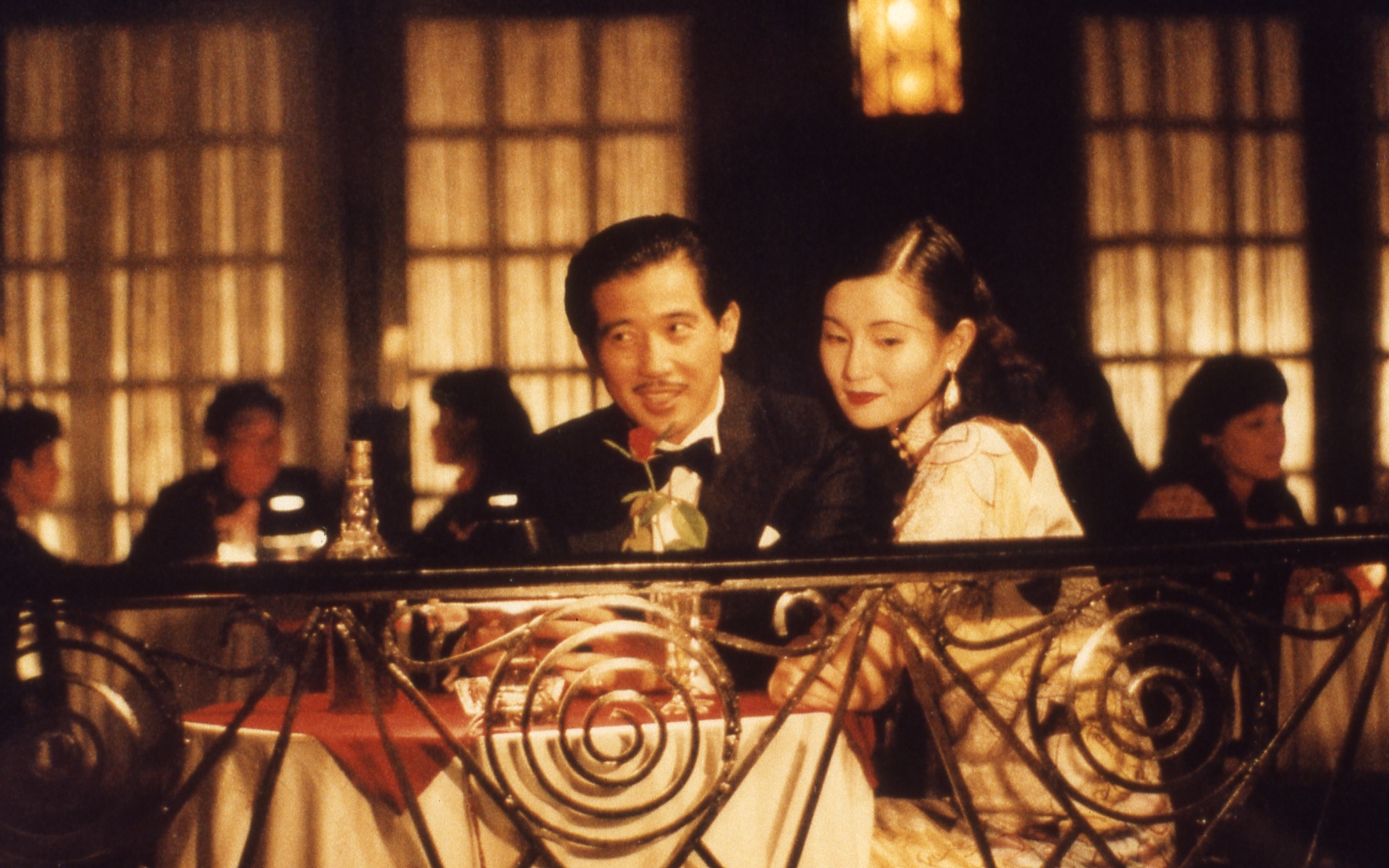
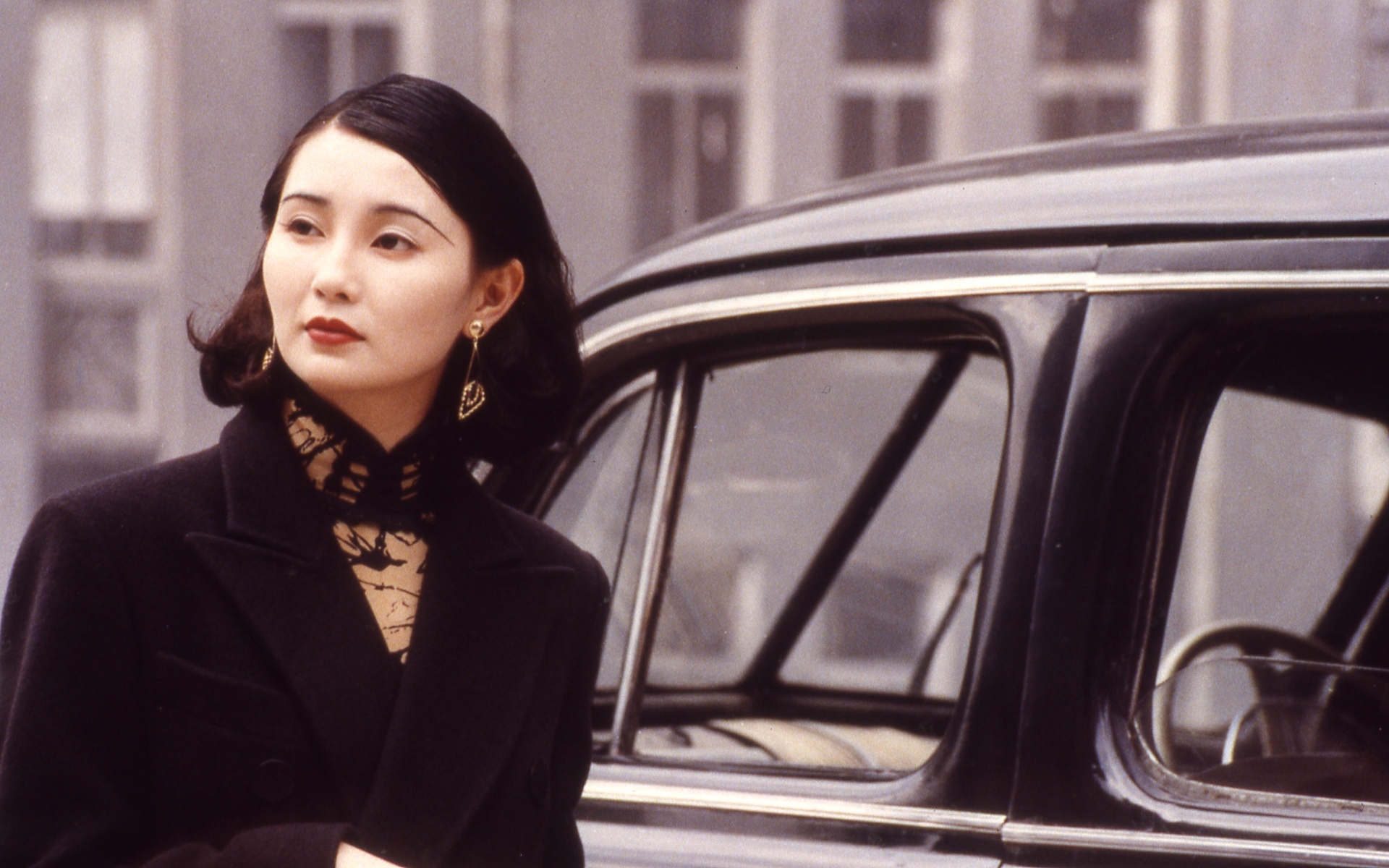
That dialogue between past and present is reflected not only in the film’s structure, but also in its visual design. The drama scenes set in the 1930s are presented in colour, while the contemporary documentary interviews are filmed in black and white.
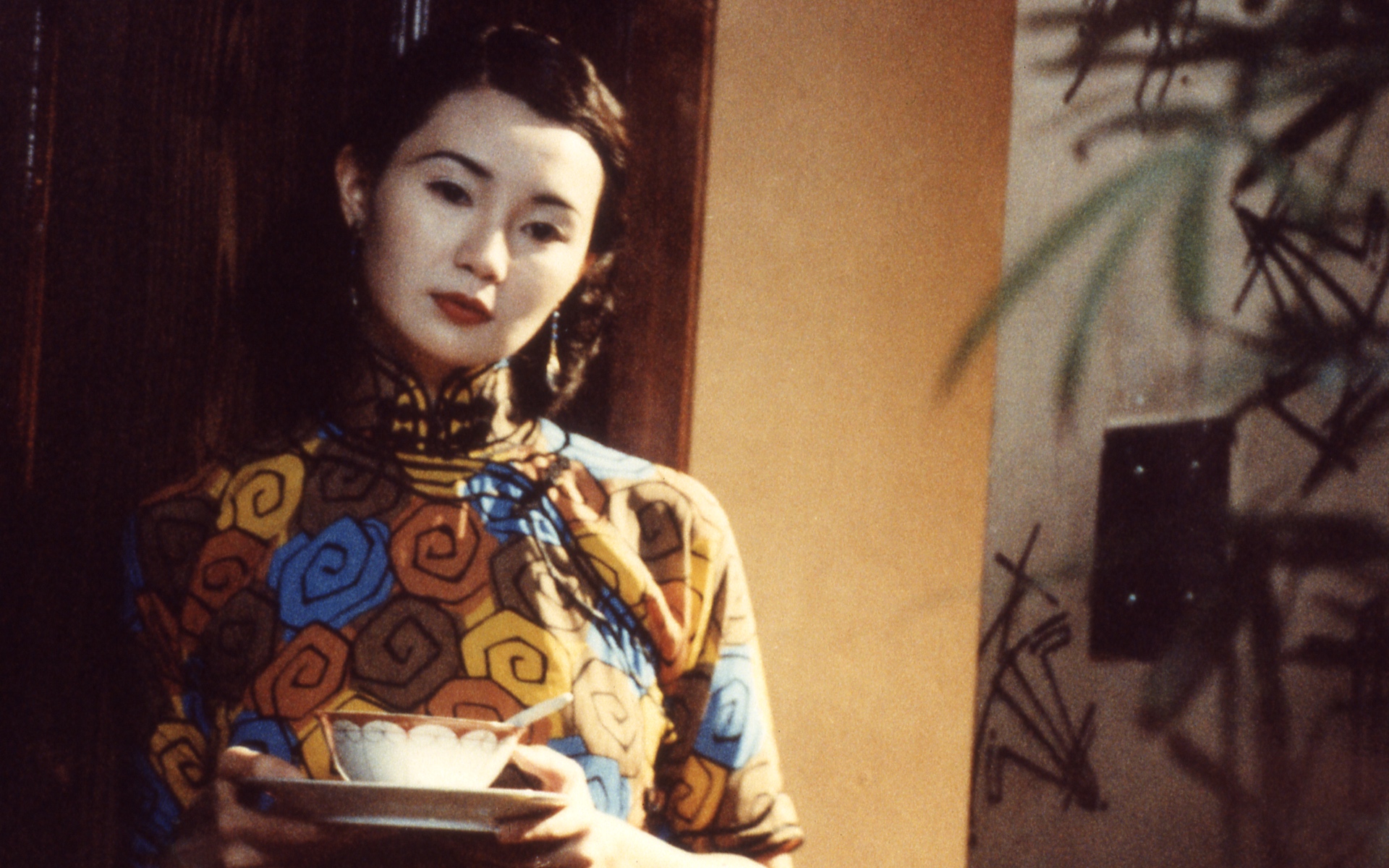
Stanley explained this visual approach, “The production designer Pan Lai and I paid attention to the visual language. Even when telling a historical story, we can create some visuals to make the film more engaging. For example, we designed the pattern of Maggie Cheung’s qipao.” Qipao is the most iconic Shanghainese female fashion in the 1930s, and the colour allows its elegance to flourish on screen.
As Center Stage returns to cinemas, Kwan hopes audiences – whether discovering the film for the first time or revisiting it – will pay particular attention to its unusual narrative structure. “The screenwriter and I worked on this structure very carefully, especially the quality of the documentary part. Every single question I asked Maggie Cheung, Tony Leung and Carina Lau was set in the script, but the answers were open.”
In addition, the drama scenes were shot on film, creating a grainier, more nostalgic texture, while the interviews were recorded on video. “To realise this structure, we thought not only about the script and the colours, but about the quality of every single frame,” Kwan stressed.
Despite being set nearly a century ago, the theme of Center Stage remains strikingly contemporary. Ruan’s death under the weight of public scrutiny continues to echo in an age of social media and online harassment.
Read more: The Quiet Defiance and Lasting Legacy of Chow Yun Fat
In the 1980s and 90s, Hong Kong paparazzi were nicknamed ‘dog group’ because they followed celebrities so aggressively. Kwan said, “When I started preparing for the film with Maggie, she also faced media attacks over leaked personal letters to her boyfriend. She truly felt the suffering of Ruan.”
“Media looked down on women a lot in the 1930s…and today’s society is more open-minded about moral standards like LGBTQ+ issues. The ‘dog groups’ are less intense, we now have social media platforms like YouTube and RedNote. The media can still harm someone if they choose to. The fundamental problem remains.”
For Kwan, the 4K restoration not only restores the version of Center Stage he always wanted audiences to see, but also invites viewers to appreciate its unconventional storytelling. “It might not be accepted by the audience at that time, but after all these years, if the audience really likes the film, they may watch it more times and find new ways to tell the story.
“I’m glad that I made Center Stage in 1991. If I get the chance to make another story about a legendary figure, I will move away from this exact structure and find another more compelling perspective. Cinema is constantly changing, and finding new points of view to tell a story is what matters the most to me.”
“Center Stage” opens in North American theaters beginning August 7, 2026.