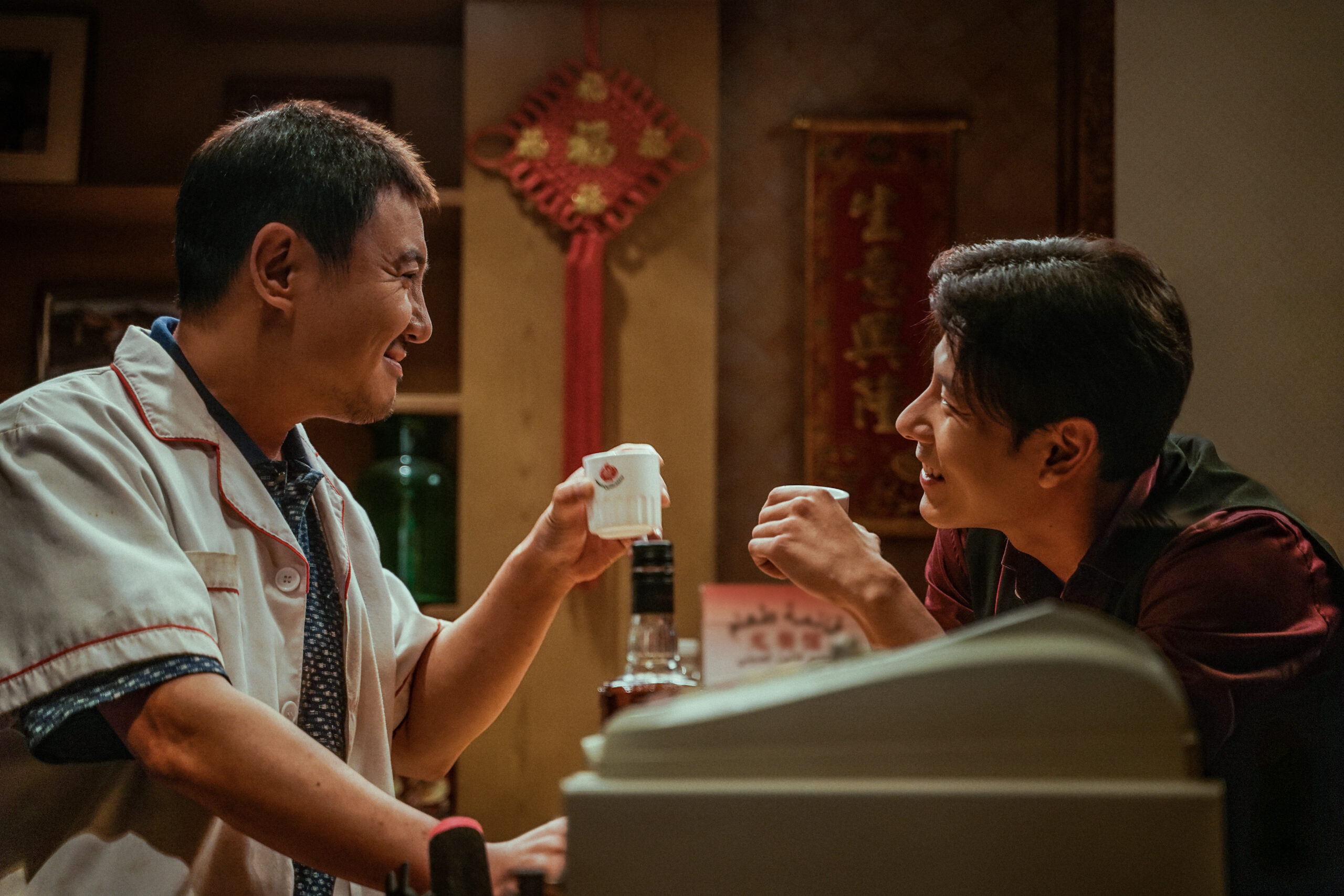
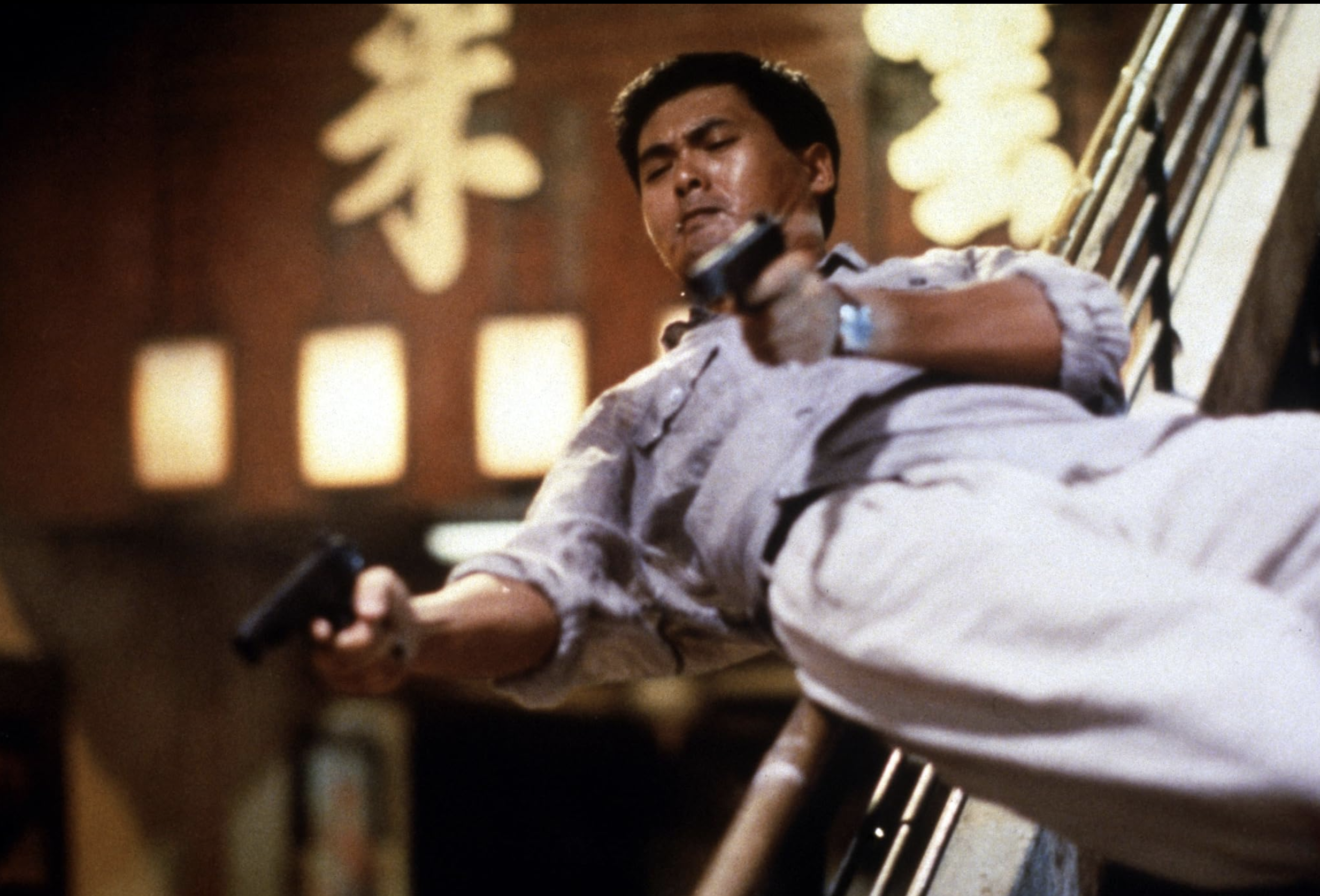
If the physical comedy of Stephen Chow taught us how to laugh at the absurdity of our displacement, it was another titan of Hong Kong cinema who taught us how to stand tall within it. Growing up in the diaspora, you learn to look for mirrors in the most unexpected places. For me, that mirror arrived in the form of a man sliding across a tea house floor with a pistol in each hand, a matchstick dangling from his lips, and a long dark trench coat billowing behind him.
Chow Yun Fat was the coolest person I ever saw growing up. He possessed an effortless, magnetic poise that did not require approval from western media. He existed in his own cinematic universe, carrying a quiet confidence that redefined what it meant to be an Asian man on screen.
To appreciate his impact, you have to understand his immense popularity in Hong Kong during the late nineteen-eighties. Before he became a global icon of action cinema, he was a working-class hero. Born on the rural Lamma Island, he worked as a bellboy, a camera salesman, and a taxi driver before finding his way into acting. His early television roles, particularly in the sprawling gangster drama The Bund, made him a beloved household name. He played characters who felt human, vulnerable, and deeply connected to the struggles of everyday people. Yet, his early film career was notoriously rocky, earning him the unfortunate box office poison label until he met director John Woo.

Read more: How the King of Comedy Taught the World Not to Take Itself Seriously
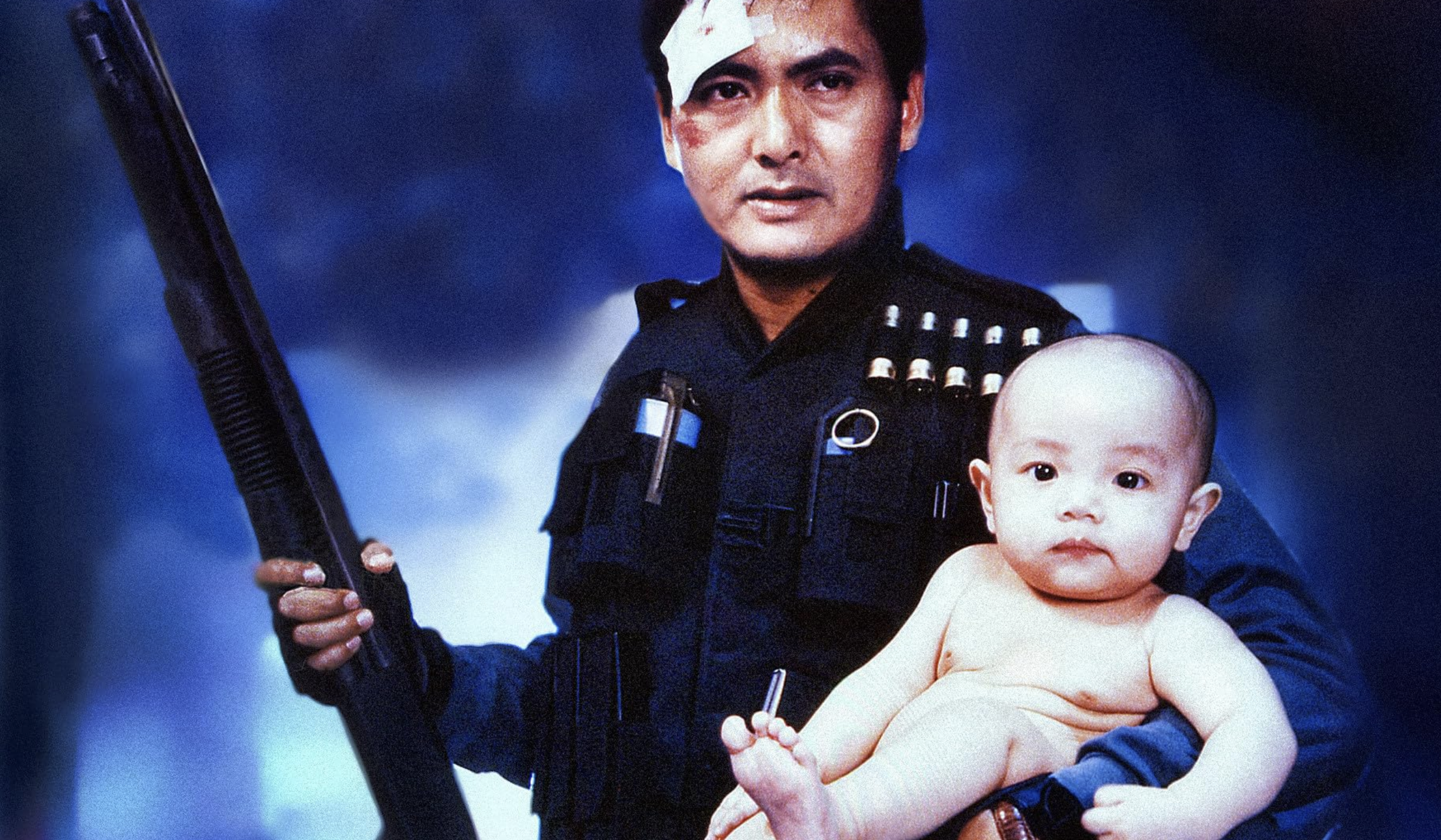
This style of cinema reached its zenith with Hard Boiled in 1992. Chow played Inspector Tequila Yuen, a jazz-loving cop who wages a personal war against gun smugglers. The film contains some of the most complex, thrilling action sequences ever filmed, including a legendary shootout in a hospital maternity ward. Tequila was not a silent, stoic killer. He was a man of intense passion, grief, and moral clarity. Through these roles, Chow and Woo created the “heroic bloodshed” genre, a style that influenced global directors from Quentin Tarantino to the Wachowskis.
The significance of these characters goes far beyond stylish action sequences. They offered a revolutionary reimagining of Asian masculinity. For decades, western cinema relegated Asian men to the margins. They were depicted as sexless, comical caricatures, or as mystical, remote martial arts masters who existed to serve as plot devices for white protagonists. They were denied interior lives, romantic desires, and genuine complexity. Chow Yun Fat dismantled these stereotypes without uttering a word of English. He wore tailored Armani suits, commanded rooms with a single glance, and showed that an Asian man can be the ultimate symbol of cinematic cool. He was suave, emotionally expressive, and incredibly handsome, presenting a version of manhood that was both tender and lethal.
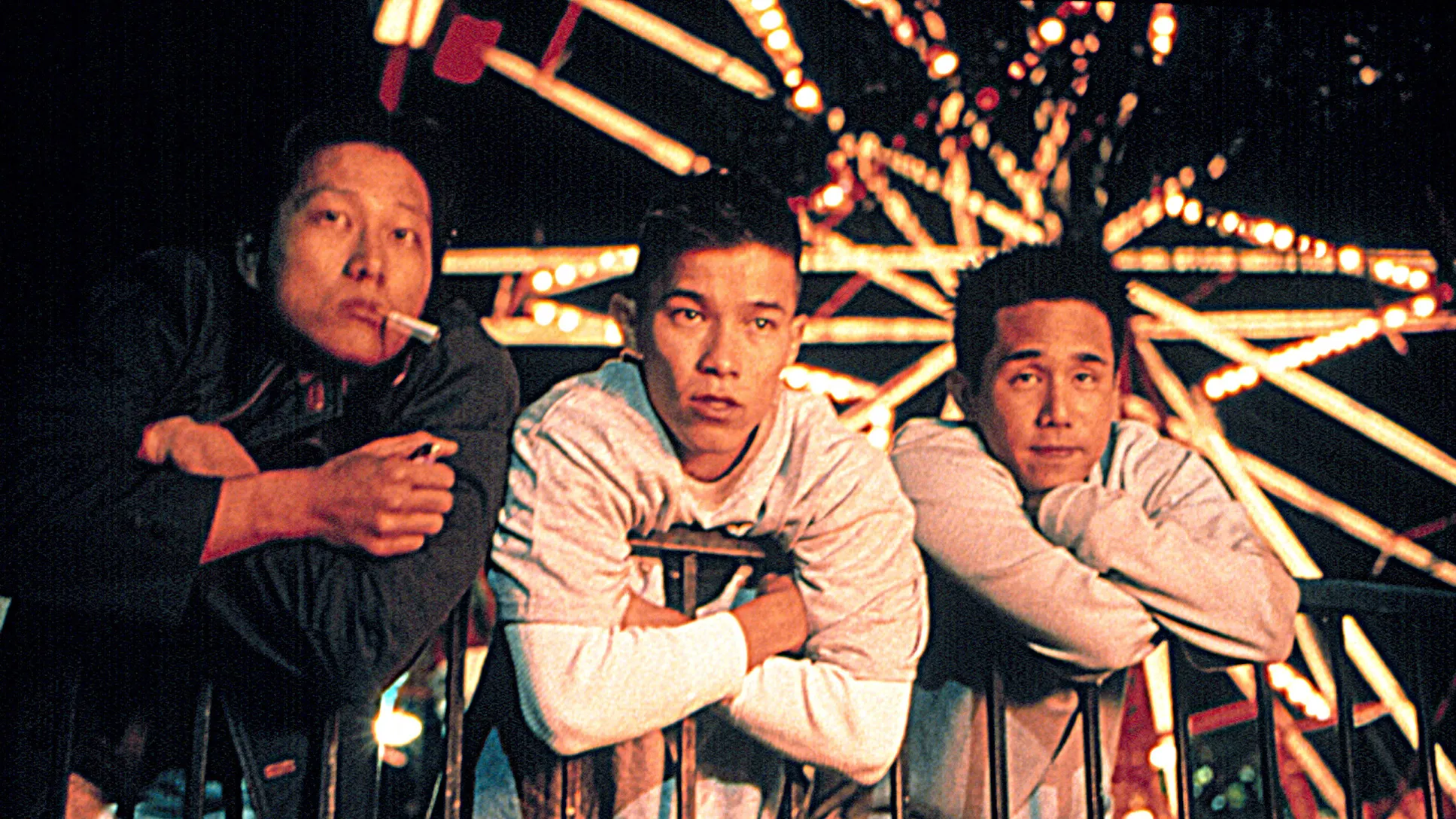
This powerful archetype travelled across the Pacific, leaving a permanent mark on the generation of filmmakers who would go on to define Asian American cinema. The dialogue between Chow’s Hong Kong films and the diaspora experience became explicit in Justin Lin’s landmark independent film Better Luck Tomorrow in 2002. The film follows a group of high-achieving, middle-class Asian American high school students who enter a dark spiral of petty crime, fraud, and violence. The title itself is a direct play on A Better Tomorrow, and the connection is far from superficial.
In Better Luck Tomorrow, the characters are suffocated by the model minority myth, a stereotype that demands they be quiet, compliant, and academically perfect. To escape this domestic cage, they turn to criminality, adopting the dark coats, the cold sunglasses, and the dangerous posturing of the gangster characters they grew up watching on import screens. Lin’s film shows how these diaspora teenagers weaponise the imagery of Chow Yun Fat to claim a sense of power and control. They use the aesthetic of Hong Kong action cinema to construct their own defiant, albeit destructive, version of masculinity in a country that refuses to see them as complete individuals. It is a brilliant commentary on the hunger for representation and the lengths to which young men will go to feel seen.
When Chow eventually made his own transition to Hollywood in the late nineties, the western film industry struggled to comprehend his appeal. They tried to fit him into the rigid boxes they had already built, casting him in standard action films like The Replacement Killers where he was notoriously forbidden from having a romantic relationship with his white co-star. They saw him as a gunfighter rather than an actor of immense dramatic range. He eventually found his greatest international success by returning to Chinese-language cinema with Ang Lee’s Crouching Tiger, Hidden Dragon, playing the tragic, noble swordsman Li Mu Bai with a quiet, poetic melancholy that captured the hearts of global audiences.
Read more: FEATURE: Chow Yun Fat: A Local Hero
Today, Chow Yun Fat occupies a unique place in global culture. He is a multi-millionaire who is famous for his extraordinary humility. He is regularly spotted by fans riding the Hong Kong MTR subway, buying groceries at wet markets, and hiking in the green hills of the New Territories. He has pledged to donate his entire vast fortune to charity after his death, choosing to live on a modest monthly allowance. This simplicity only enhances his status as a legend. He does not need the trappings of stardom because his legacy is already secure.
To look back at his career is to find a deep appreciation for a performer who expanded our horizons of what was possible. He showed us that cool is not about matching the dominant culture, but about standing comfortably in your own skin. For the kids who watched him from across the ocean, he was a shield against the quiet humiliations of growing up different. He remains the definitive underdog who conquered the world on his own terms, leaving us with an enduring image of grace under pressure.