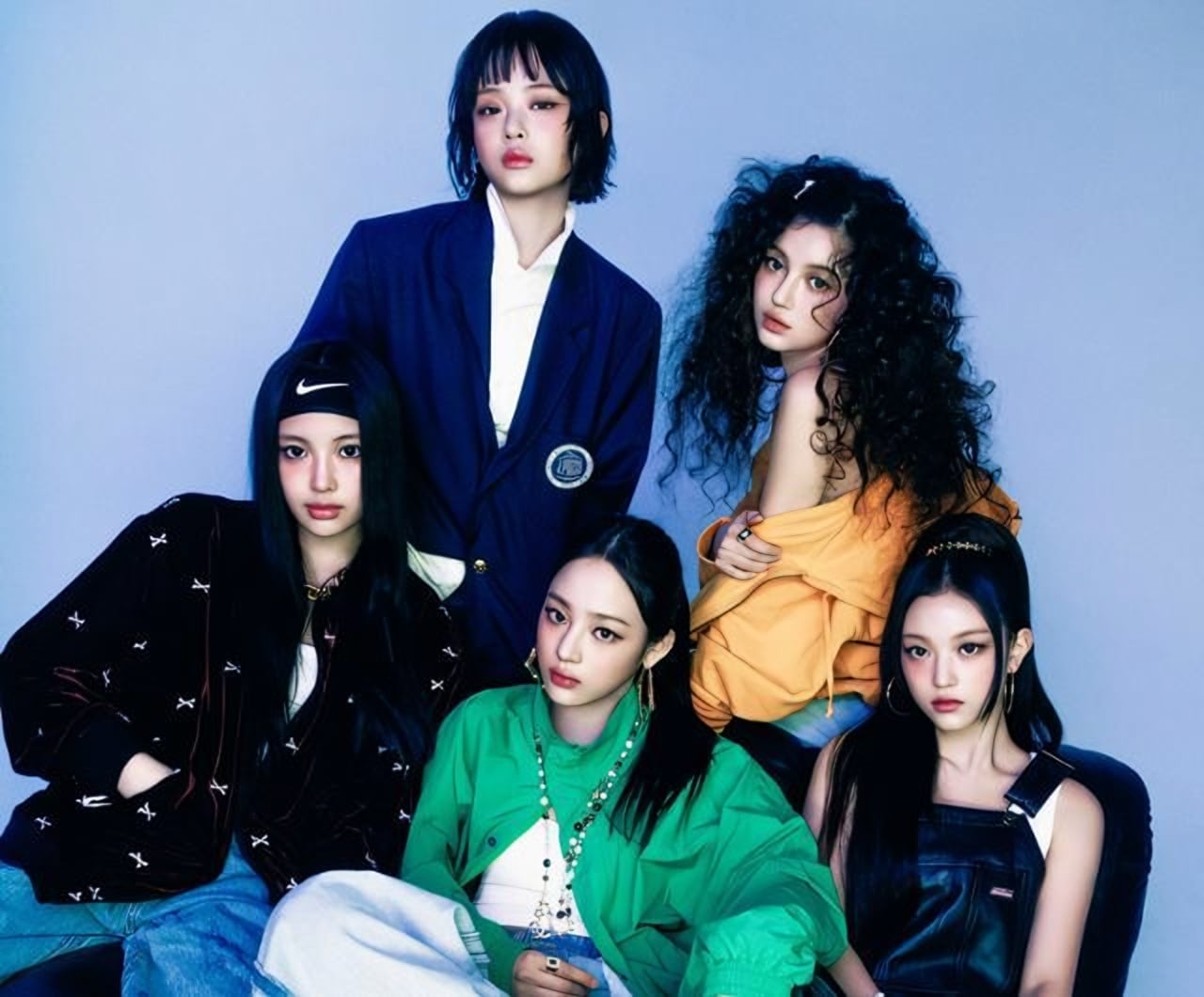
Leaked legal agreements have pulled back the curtain on the multi-billion-pound K-pop industry, revealing the intense control companies hold over young performers. Secret contracts obtained by The New York Times reveal that Ador, a subsidiary of BTS parent company Hybe, removed standard government-backed protections for rest, education, and health when signing the five members of global girl group NewJeans as teenagers.
The documents expose the legal framework behind the bitter dispute that has kept the chart-topping group off concert stages for over a year.
Signed when the performers were between 14 and 17 years old, the agreements bypassed non-binding South Korean state guidelines designed to safeguard child artists. Instead, the deals introduced punishing penalties, restrictions on personal speech, and perpetual rights for the company to generate artificial intelligence models of the members’ voices and faces.
“This contract is unusually aggressive,” entertainment lawyer Jong-eon Roh, one of five legal experts who reviewed the agreements, told The Times. “It restricts the artists’ freedom to a degree rarely seen, even in recent major-label contracts.”
Child Protection Clauses Were Deliberately Removed
South Korea’s official standard contract template for entertainment agencies includes explicit language guaranteeing minors fundamental protections:
“The ‘Agency’ shall guarantee the basic human rights of popular culture and arts performers who are minors, including their physical and mental health, right to education, personality rights, and rights to sleep, rest, and free choice.”
Read more: HYBE’s Legal Controversy Explained – What’s Next For Ador And NewJeans?
The official guidelines also state that agencies “shall not demand that a performer who is a minor engage in excessive physical exposure or overly sexually suggestive expression” or work for excessive periods.

The NewJeans contracts removed these provisions entirely.
Sources close to the group revealed that performers regularly trained in facilities monitored by video cameras until 2:00 a.m., with supervisors discouraging breaks. Four of the five members dropped out of regular schooling during their trainee period. Youngest member Hyein began training in company dormitories at age 12.
When the mother of one singer attempted to negotiate the terms in January 2022, management refused to compromise.
“If you do not agree to the current contract draft, including the points above, it may be best to reconsider the contract itself,” Ador’s vice president wrote in an email obtained by reporters.
Faced with losing years of preparation, the parents agreed and signed.
Bans on Dating, Insincere Attitudes, and Accurate Criticism
The agreements subjected the group to extensive behavioural policing.
Members agreed not to engage in acts that could harm their dignity or the label’s corporate standing. The list of prohibited actions went well beyond criminal offences like drink-driving or fraud. It outlawed subjective infractions including an “insincere attitude,” “neglect of self-management,” and “inappropriate romantic relationships.“
The contract went a step further by forbidding performers from publicly stating “true or false facts” that could injure the firm’s reputation.
Read more: “We Just Sat Down”: KATSEYE Fans Rage After Detroit Show Is Cancelled Last Minute
That restriction explains the immense pressure surrounding member Hanni Pham’s decision to speak out before the South Korean Parliament in late 2024. Pham publicly accused management of workplace ostracisation and deliberate sabotage, stating that “staying at the company will only prolong our psychological pain.“
The contract also required members to reimburse the company for beauty treatments and cosmetic alterations arranged during their training.
While Hybe stated that it does not recommend procedures against an individual’s wishes, sources noted that photographers evaluated the singers from dozens of angles before debut to recommend adjustments.
Multimillion-Dollar Exit Fees and Digital Avatars Forever
The contract dispute escalated into court battles after the band held a press conference announcing their termination of the deal.
Judges eventually sided with Ador, ordering the singers to honour agreements that run until 2029.
The company subsequently fired 20-year-old member Danielle Marsh and launched a massive lawsuit against her, seeking roughly $22 million in contract break penalties and damages. The claim relies on a clause that calculates termination fines using only the months in which the group generated revenue, rather than averaging overall operational earnings.
Read more: How the New Grammys Asian Pop Category Blocks Real Inclusion
Marsh’s lawyer, Jung Jong-chae, challenged the lawsuit before the South Korean Fair Trade Commission, arguing that minor outside modelling assignments were used as an excuse to bankrupt the performer:
“If you try to escape Hybe’s control, this is the price you will pay.”
Perhaps the most radical departure from South Korean entertainment standards involves intellectual property rights.
Government templates stipulate that a company’s right to an artist’s name, image, and voice expires immediately upon contract termination. Ador’s agreement secures perpetual commercial rights to the members’ likenesses, handwriting, and voices, granting the label the authority to sell AI-generated voice clones and interactive chatbots even after the humans depart.
Hybe maintained in written responses that its contracts remain legal, negotiated in good faith, and necessary to protect substantial financial investments.
Yet for fans watching NewJeans remain on indefinite hiatus, the disclosures illustrate the severe cost of modern pop stardom.