

The Recording Academy announced a major shake-up for the 69th Annual Grammy Awards in 2027. A new category called Best Asian Pop Music Performance will officially debut. According to the official guidelines, the award honours artistic excellence in popular music originating from or widely recognised within Asian markets. The criteria explicitly namecheck K-pop, J-pop, T-pop, and C-pop as primary examples.
On the surface, this looks like a massive win for visibility. For decades, global Asian musical acts have broken records, sold out stadiums, and topped the Billboard charts, only to find themselves completely locked out of the major Grammy categories. Now, the music industry has an official space for them.
But beneath the celebratory headlines, a familiar and exhausting pattern is playing out. By creating a separate, specific category for Asian pop, the Recording Academy is not integrating these global powerhouses into the mainstream. It is segregating them. It is building a glass ceiling that tells Asian artists they are welcome to participate, as long as they stay in their designated lane.
The Fine Print of Segregation
The true intentions of any new award category always lie in the eligibility rules. For the Best Asian Pop Music Performance category, everything hinges on a single phrase: “meaningful use of one or more Asian languages.” The Academy clarifies that an Asian language must play a significant role in the recording. Incidental words, ad-libs, or brief phrases do not count. Furthermore, tracks recorded entirely in English are completely barred from entry.
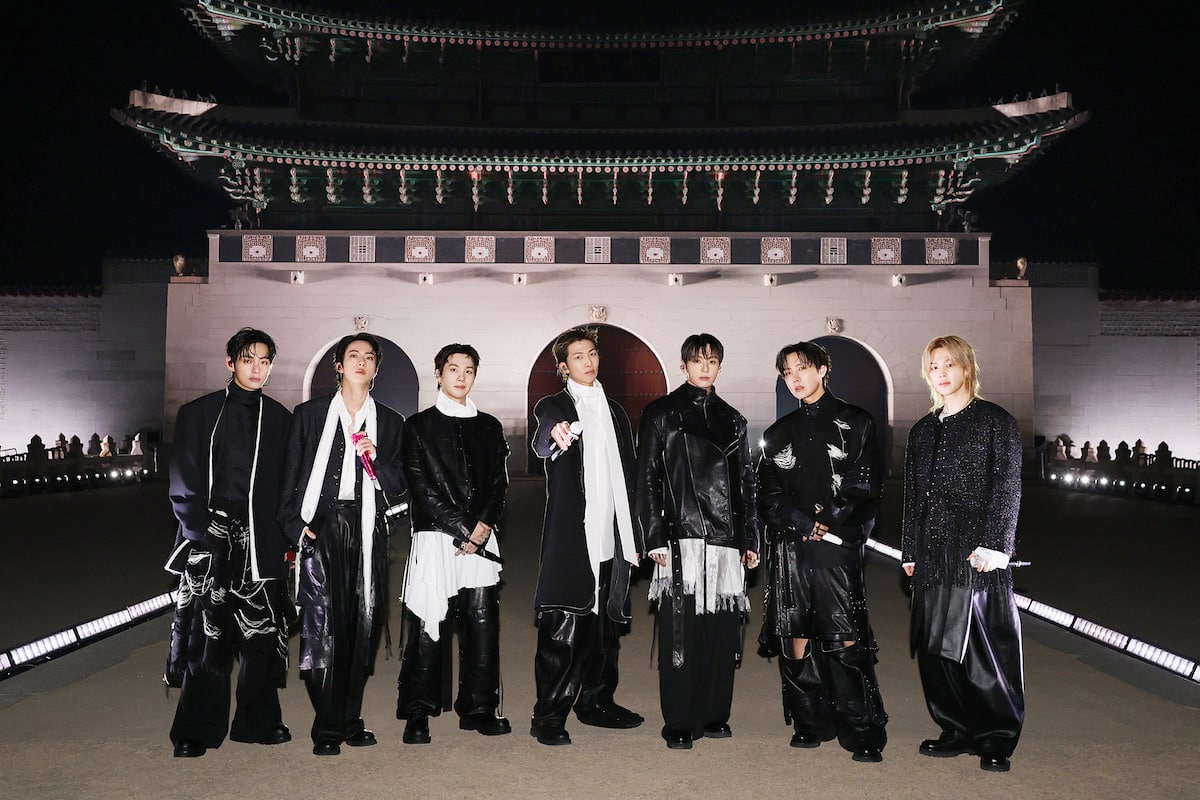
This language requirement creates immediate complications for the very artists the category aims to celebrate. Consider BTS. The group earned three consecutive nominations for Best Pop Duo/Group Performance between 2021 and 2023 for their massive hits “Dynamite” and “Butter.” Because those tracks were recorded entirely in English to secure Western radio play, they would be disqualified from this new Asian Pop category.
Read more: Is T-Pop the Next K-Pop? Inside the Rise of Thailand’s Music Industry
The rule creates a bizarre paradox. A global hit by an Asian artist sung in English must compete in the general pop categories where voters historically ignore non-Western acts. Meanwhile, a native-language track gets shunted into the regional category.
This is not an isolated incident. It is a structural tactic the Grammys use whenever non-white artists threaten to dominate the major fields. We saw it in 2025 when the Academy split the country album category after Beyoncé found massive success with Cowboy Carter. We saw it when Bad Bunny became a global streaming juggernaut, which was quickly followed by the creation of a new Best Latin Song category.
When Tyler, the Creator won Best Rap Album in 2020, he famously pointed out this exact institutional gatekeeping. He explained that whenever Black artists make genre-bending music, they are automatically placed in a rap or urban category. He called the nomination a backhanded compliment, comparing it to giving a younger sibling an unplugged video game controller to make them feel included. The new Asian Pop category operates on the exact same logic. It allows out-of-touch voters to check a box for diversity without ever having to consider an album like BTS’s Arirang for Album of the Year.
The Myth of a Single Asia
Asia is home to 4.7 billion people across 48 different countries, thousands of languages, and vastly different musical traditions. The Recording Academy has attempted to collapse this entire continent into a single category.
By explicitly naming K-pop, J-pop, T-pop, and C-pop in the rulebook, the Grammys reveal a narrow, Western-centric bias. They are focusing entirely on the markets that are already palatable to mainstream Western audiences. Where does this leave the rest of the continent?

Read more: SEVENTEEN Breaks Box Office Records as Kpop Dominates Global Touring Charts
A Punjabi hip-hop track by Diljit Dosanjh, a Filipino pop song by BINI, an Indonesian dangdut track, or a complex Bollywood soundtrack all originate in Asian markets. Yet none of these styles fit into the hyper-polished, performance-heavy template of East Asian pop that the Academy describes. The category forces completely unrelated musical cultures to compete against each other for a single scrap of validation.
The Actual Benefits for Growing Industries
Despite the structural flaws, the new category does offer clear practical advantages for certain sectors of the industry, particularly J-pop. Unlike K-pop, which frequently utilises English lyrics for global crossover appeal, much of J-pop’s international growth relies on songs sung entirely in Japanese.
Acts like Creepy Nuts, YOASOBI, and Ado have built massive global fanbases while keeping their native language intact. For these artists, the category provides an immediate, functional entryway onto the Grammy stage that did not exist before.
The category is also strictly additive. The rules state that a qualifying song can be entered into multiple categories simultaneously. A Korean-language track can compete for Best Asian Pop Music Performance and Best Pop Duo/Group Performance in the same year. It creates a new pathway to a trophy without technically closing the doors to the general field.

Public Backlash and the Future of the Industry
The public reaction to the announcement has been deeply divided. Music critics and industry insiders acknowledge that the award brings visibility. It forces Grammy voters to actively listen to and evaluate Asian-language releases during the voting window. For smaller independent acts, a Grammy nomination provides life-changing industry leverage.
But fans are entirely unconvinced. Social media platforms immediately filled with criticism from fans who view the move as a direct insult to the cultural impact of global Asian music. The general consensus is clear: great music is great music, regardless of the language it is sung in. If an Asian artist creates one of the best records of the year, they belong on the main stage next to Western pop stars, not isolated in a regional side-show.
The future of the music industry will not be dictated by the Recording Academy’s voting committees. Global listening habits have already shifted permanently. Audiences in America, Europe, and Latin America regularly stream non-English music every day. The cultural centre of gravity has moved.
The ultimate success or failure of this new category depends entirely on what happens next. If Asian artists win this new award but continue to face a complete blackout in Record of the Year and Album of the Year, the Grammys will cement their status as an outdated, regional institution trapped in a Western well. True representation is not about building separate rooms for minoritised groups. It is about ensuring every artist can compete on a level playing field.