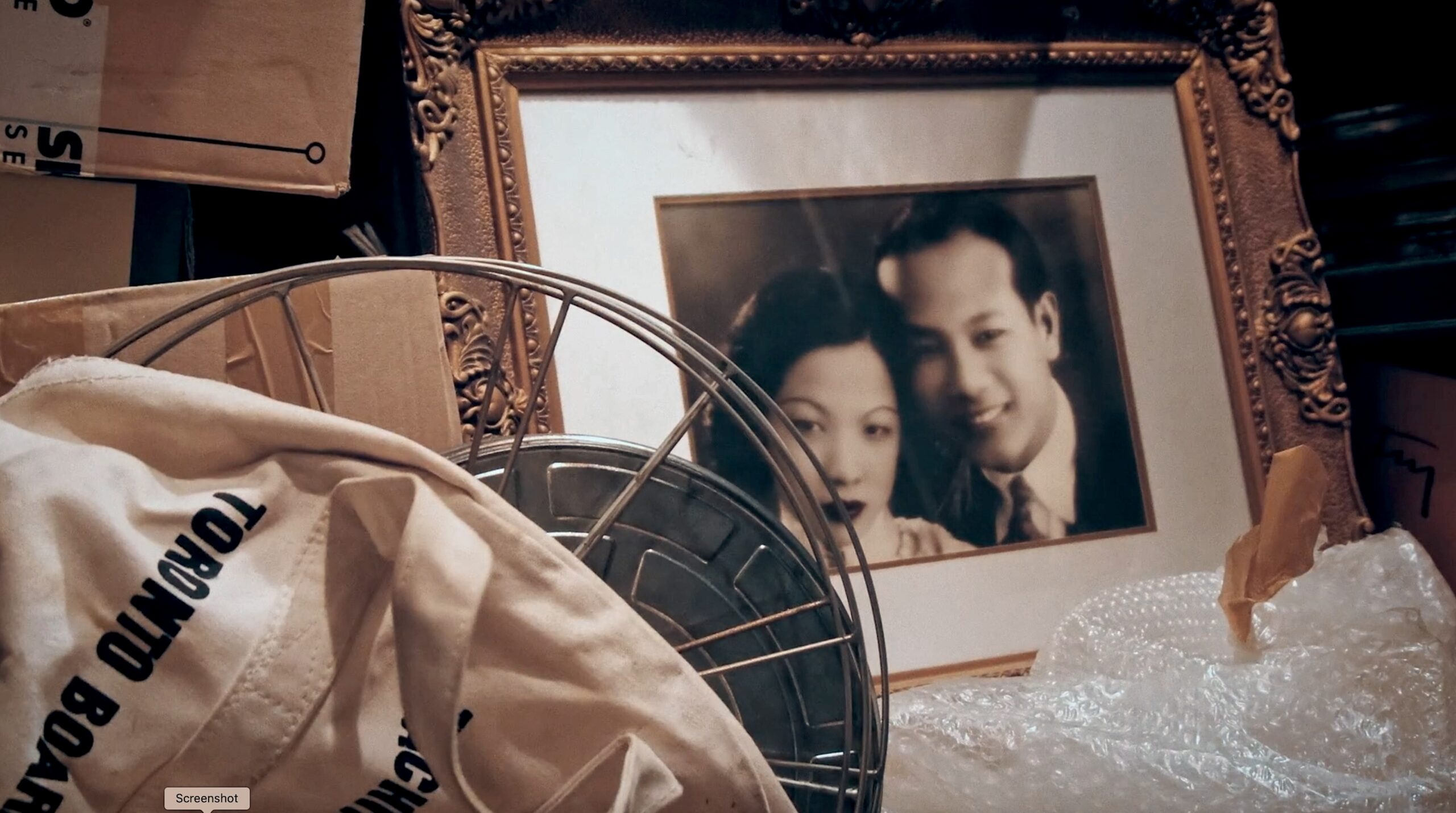
“It’s an editor’s film. I don’t think anyone without editing training can put together something like this,” Mary Stephen said calmly, humbly, yet proudly of her latest documentary, Palimpsest: The Story of a Name.
The opening film of this year’s Hong Kong Film Festival UK (25 September-4 October), Palimpsest is a deeply personal investigation into the mystery behind Stephen’s Western surname in a Chinese family. Drawing on her father’s film archives and diaries, the Hong Kong-born, Paris-based filmmaker and editor pieces together fragments of family history as a mystery film, centred on a protagonist who repeatedly altered his identity against the backdrop of British Hong Kong’s colonial-era past.
After moving to Montreal with her family in the late 1960s and settling in Paris in the 1970s, Stephen began a 30-year professional partnership with Éric Rohmer, one of the most celebrated auterurs of the French New Wave. She has since edited more than 60 films and received four César Award nominations for Best Editing.
The idea for Palimpsest had existed for 20 years, but Stephen only began production during the COVID-19 pandemic, when the French production company 24images approached her to direct.
“I wanted to propose a short film made in Japan, but when I opened the computer, this project was still there 20 years later. Why not go for it?”
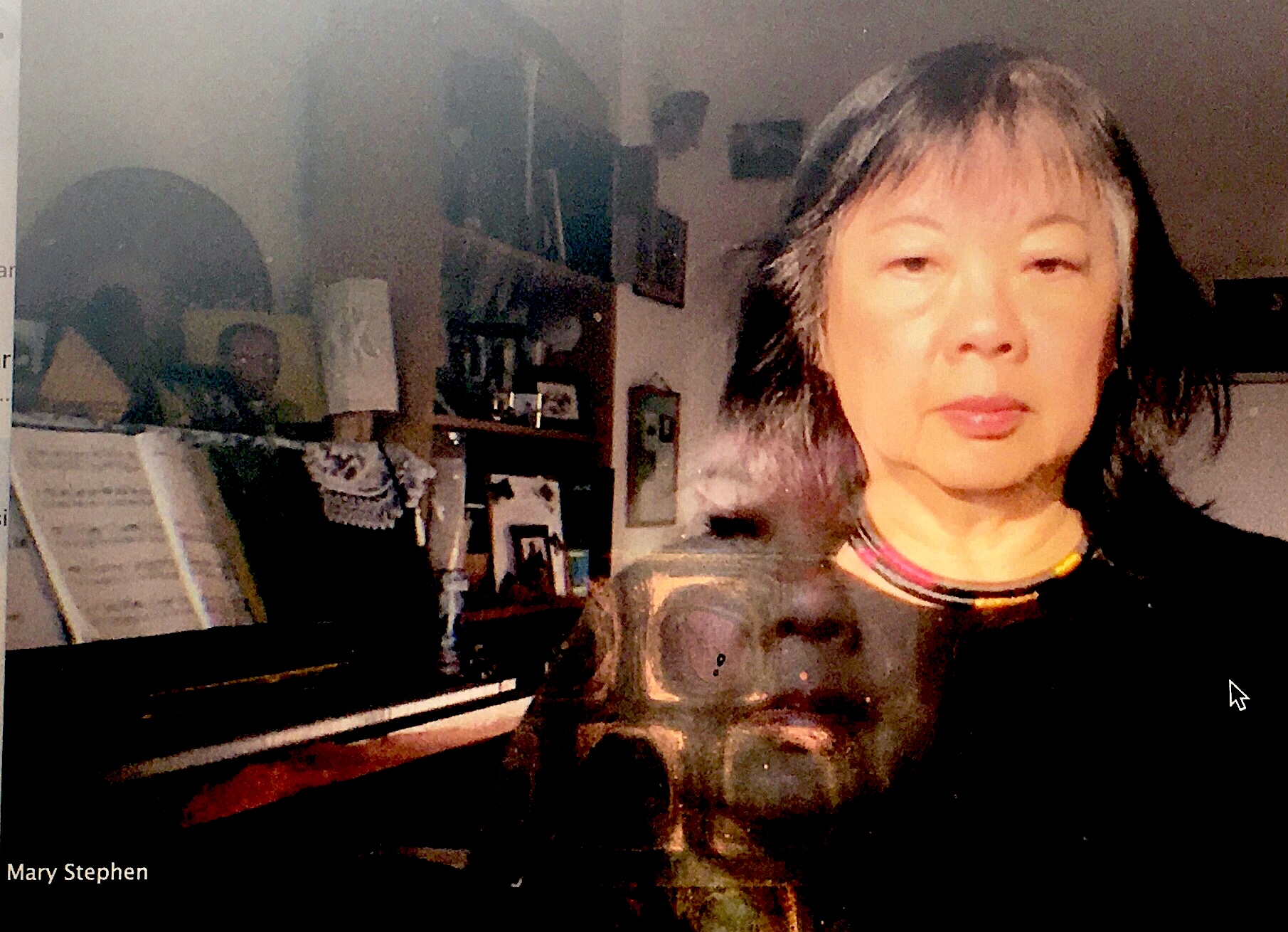
Her fascination with identity and her surname, however, stretches back much further. As a child, classmates questioned why she did not look like someone with an English surname. “I also wrote for a Chinese student magazine when I was in school. In one piece, a girl says she does not care about migrating with her family because she does not have a Chinese surname anyway. Perhaps I am always concerned about it,” Stephen said.
It took Stephen five years to digitise her father’s home movies, followed by another two years of editing.
“I always tell my students never edit their own films and work with an editor because you need the distance…but I do the opposite,” she laughed. “It is out of necessity. [Palimpsest] is so personal. There are so many materials that only I know where everything is, and it would be difficult to have somebody else edit this film.”
Read more: A Cinema Without Borders: Inside the Hong Kong Film Festival UK
Yet Stephen knew she needed “somebody else’s eyes”. She brought in editing consultant Chaghig Arzoumanian, an Armenian-Lebanese filmmaker who, like Stephen, has a complex diaspora background.
“She always told me to look into the materials again in detail,” Stephen said. “In the first version, there are very few of the archival materials because I thought they were too personal and nobody would be interested. However, she didn’t know about my family or culture, which exactly gave that pair of fresh eyes.”
Arzoumanian encouraged Stephen to include footage she had initially dismissed, including scenes of her father’s annual banquets with employees and family. It not only creates a richer portrait of Stephen’s family, but also turns the film into an inadvertent archive of Hong Kong.
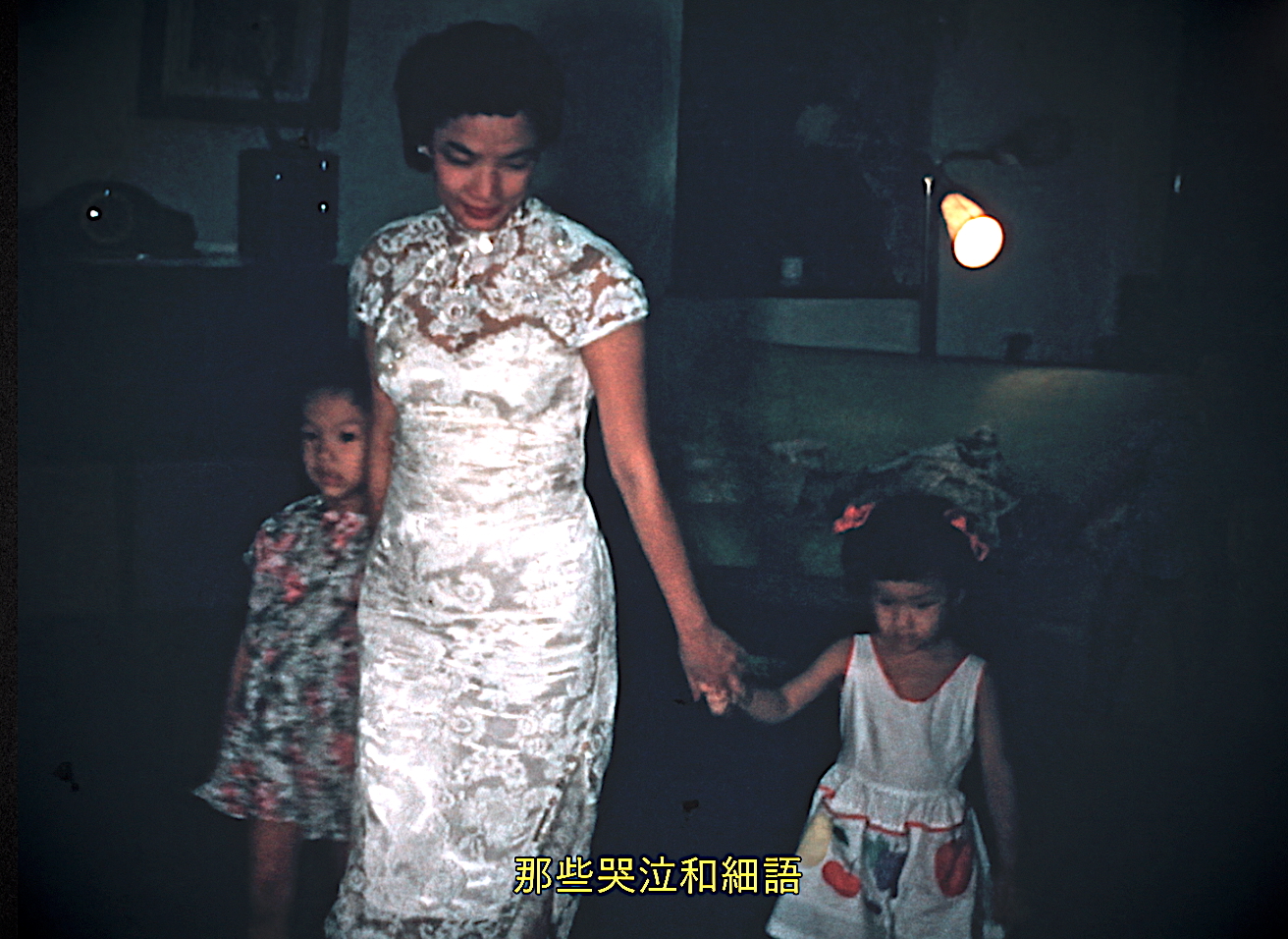
From family trips to the cinema to images of child beggars, the footage captures a side of Hong Kong rarely seen in popular films of the era. “They [my parents] show a part of Hong Kong society that is not very often featured in popular old Hong Kong films – the wealthier ones who are not born wealthy, but working their way up in the social ladder,” Stephen explained. “Their belief that everything in the West is better and fantastic is also very specific to that generation. The footage is very precious in capturing that moment of Hong Kong history.”
Yet Palimpsest is no tidy offering definitive answers. Ultimately, Stephen has not found any truth about her family. “The whole thing [about my father’s surname] is just as mysterious as it ever was. I still don’t know when exactly he changed his name to Stephen or why he did that.”
Read more: ‘Unidentified Murder’ Review: The Much-Needed Pure Joy in Hong Kong Cinema
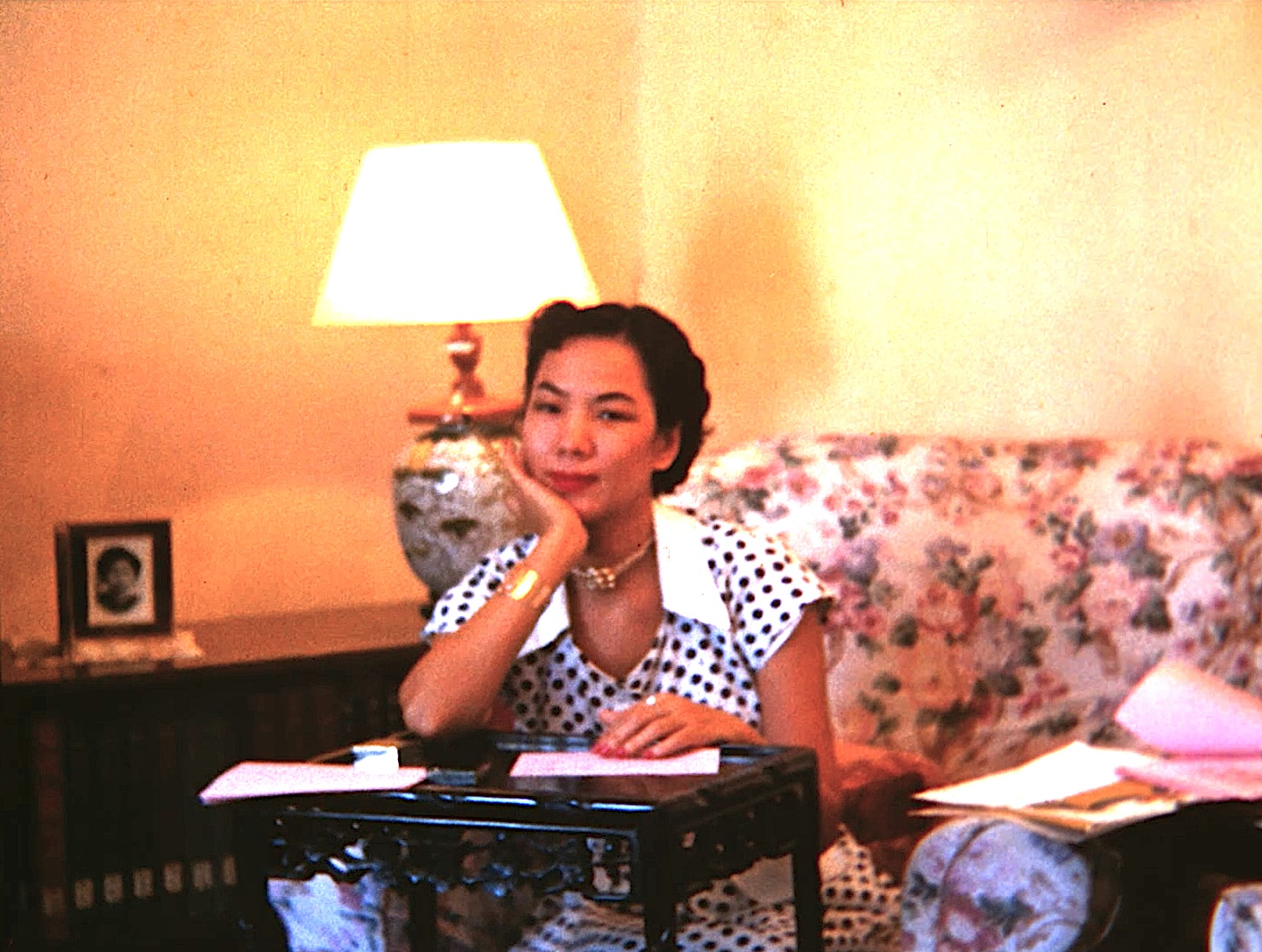
Instead, she “gave it another layer” by revisiting the role of her mother, whose voice is largely absent from her father’s diaries. Stephen remembers her as a strong, educated woman – the “big boss” in the family company, while her husband occupied a smaller office–yet one whose identity was repeatedly subsumed by her husband’s as the family moved between jobs and countries.
“She had a very strong persona, and she was educated to be very strong. Everything I do now as an independent woman would be impossible without her…but she was always under the thumb of my father.
“So I want to give it back to her.”
Palimpsest is ultimately far more than a family investigation. It is an archive of Hong Kong, a reflection on migration and gender, and an intimate conversation between a daughter and her parents.
Asked how her parents might react if they could see the film, Stephen laughed. “I have no idea! I think my father would be very pleased because when the film came out, I realised he had made all his diaries and invented stories of himself… I’m doing exactly what he wanted to do, telling the story of him to the world.”
She doubted, however, that either parent would catch all the film’s hidden messages and subtleties.
“That’s okay! That’s what films are about. Everybody can catch what they want to catch or what they can catch.”
Read more: The Hong Kong Cinema Renaissance
Stephen was particularly interested in seeing how Palimpsest will resonate with audiences at the Hong Kong Film Festival UK. The film’s connection to both Hong Kong and British colonial history, she believes, could speak not only to Hongkongers but to anyone navigating a displaced identity.
The festival is also screening her earlier work, including Shades of Silk (1978), about two Chinese women who move to India together in the 1930s.
“I’ve been preoccupied with the same theme for all my life… It’s amazing to see them together,” Stephen said.
Palimpsest: The Story of a Name screens as the opening film of the Hong Kong Film Festival UK on Friday 25 September 2026 at 18:30 at the Barbican, London.
For tickets and the full festival programme, visit here