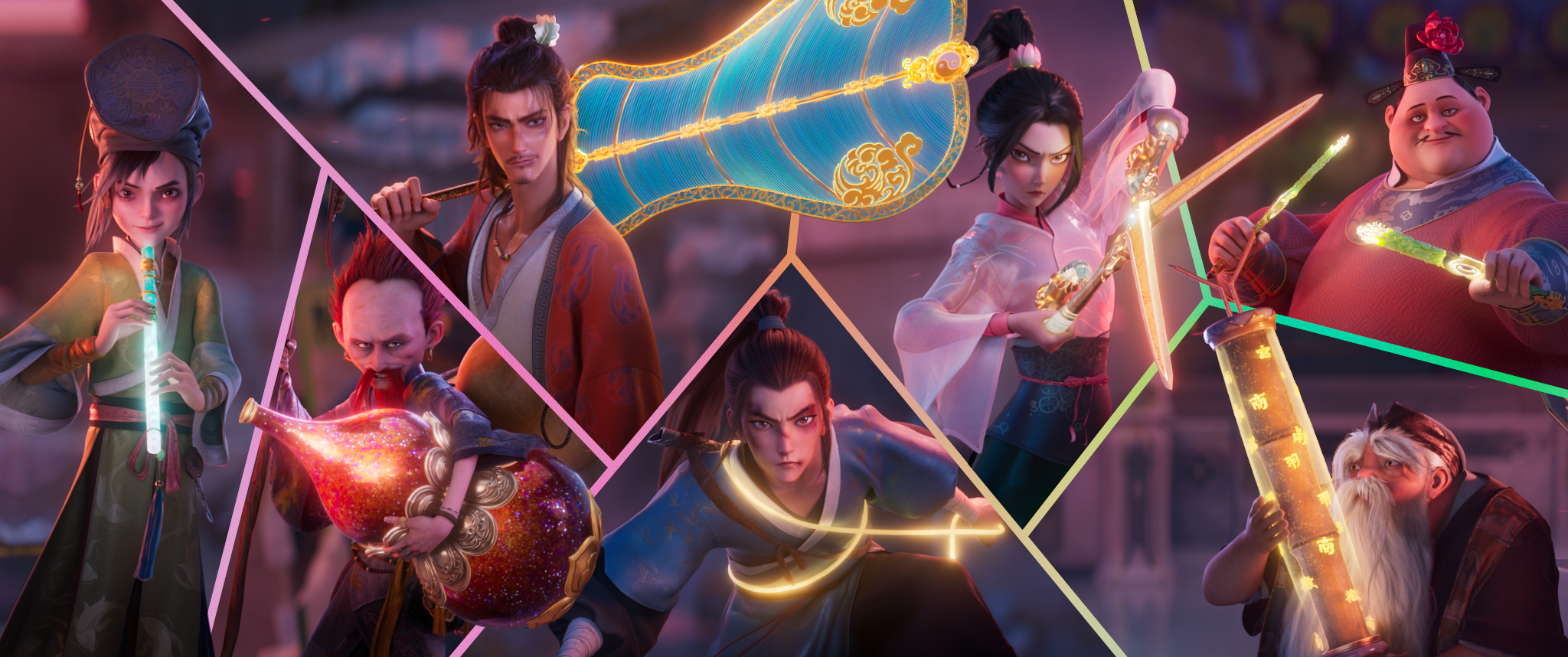
When Eight Immortals (八仙) screened in London, director Zhengyang Mu noticed something that needed no translation.
The audience laughed.
They laughed at the same moments as Chinese audiences had. When the film became quieter, the room followed. For Mu, the response offered a clear demonstration of what happens when a story crosses cultural borders.
“Where Chinese audiences laughed, overseas audiences laughed too,” he recalls. “In the cinema environment, everyone’s emotions are connected. One person laughs, and everyone laughs together. When everyone suddenly falls silent, it’s a collective silence.”
The Eight Immortals are unmistakably Chinese. The characters come from a mythology passed down through generations, carrying stories, symbols and ideas that may be unfamiliar to audiences elsewhere.
Yet Eight Immortals raises a broader question: how does culture travel?
It is tempting to think of cultural exchange as a process of translation – a story begins in one place, reaches another audience, and is adapted to make itself understandable. But the experience of Eight Immortals suggests another possibility. Culture can travel without losing the qualities that make it distinctive.

For Mu, that begins with trusting the story itself.
“Chinese mythology is a very rich subject matter,” he says. “It has so many stories worth exploring and telling.”
Choosing the Eight Immortals meant embracing that cultural specificity,but it also created an unusual filmmaking challenge. With eight central characters, each with their own personalities and stories, the first cut ran close to three hours.
“It’s a proposition essay for us in Chinese culture,” the studio CEO Catherine Ying says.
Eventually, the filmmakers had to cut and streamline the story. But the aim was not to strip away its Chinese identity for an international audience. It was to find the strongest story within the mythology.
Read more: Beyond ‘Dear You’: A Conversation With Qin Zhang on Migration, Memory and Her Grandmother’s Legacy
That approach continued when the film began travelling overseas.
“We didn’t go international for the sake of going international,” the CEO says. “We didn’t consider what international audiences might need and then add special procedures or considerations to the plot and character design.”
“If you deliberately design for certain markets or try to capture international appeal, you lose the organic nature and natural attributes of the story itself,” he adds.
There are, of course, things that do need to cross the language barrier. One example is Wu Xingchang, whose name contains Chinese character wordplay that is important to the plot.
“The only adjustment we made was the translation of Wu Xingchang,” Mu says.
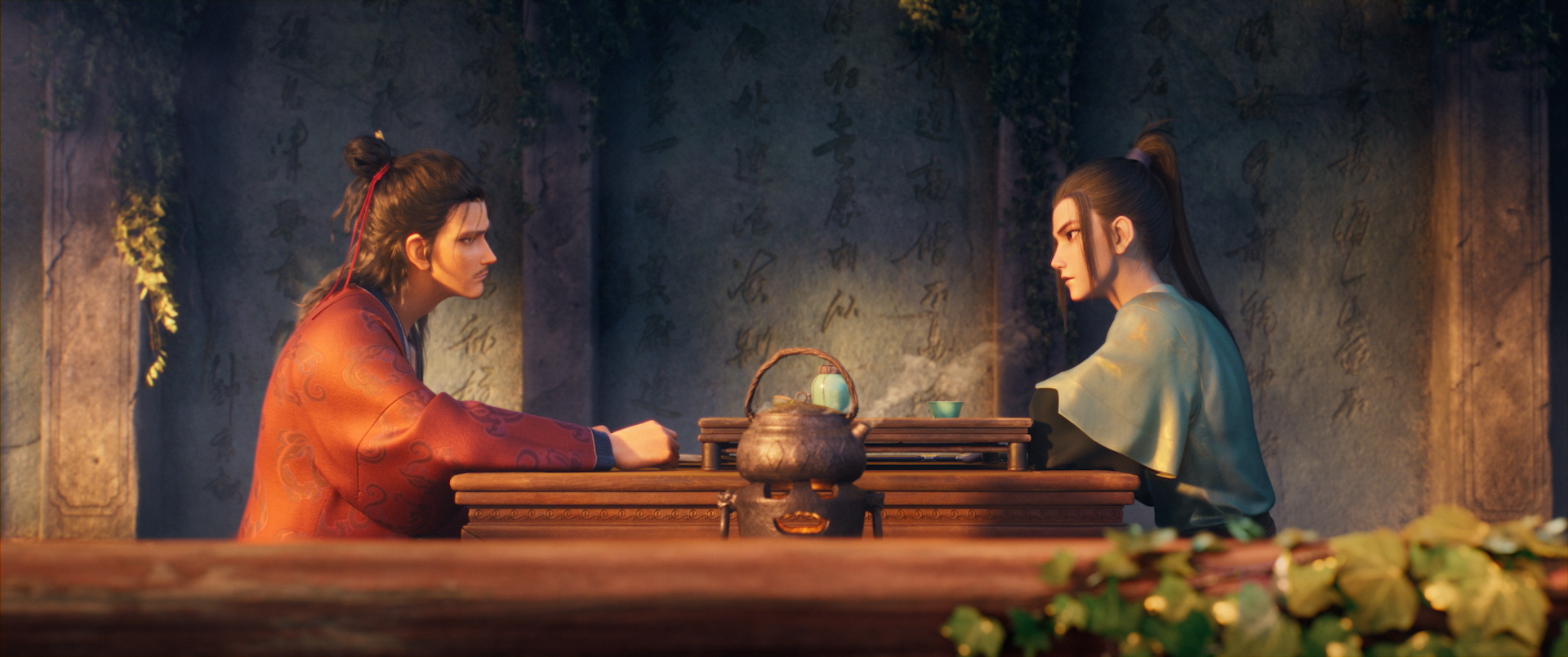
The distinction is important. Translation does not have to mean making a story culturally neutral. It can simply mean finding a way for something culturally specific to retain its meaning.
For Mu, the strongest connection with audiences abroad comes through emotion.
“Emotions have no threshold,” he says. “Audiences worldwide can be moved by them.”
The Eight Immortals may come from Chinese mythology, but the questions they face are widely recognisable: doing what is right, taking responsibility and deciding how to act when the choices are difficult.
An audience may not know every reference, but it can still understand why a character is afraid or why a particular moment is funny. A story can create an emotional connection before every cultural detail has been understood.
Read more: How ‘Echoing Whispers’ Is Challenging the Way the West Reads Vietnamese Folk Tales
And audiences are increasingly sharing the same habits of watching stories. Eight Immortals is fast-paced and information-dense, but Mu does not see that as necessarily a barrier for international viewers.
“Global audiences’ viewing habits have been trained by over a hundred years of cinema,” he says. “Under the impact of streaming, short videos, and gaming, young audiences have been trained to react very quickly.”
The same technologies that have changed how audiences consume entertainment have also made it easier for stories to cross borders. Chinese audiences can watch films from around the world, while international audiences can increasingly encounter Chinese animation, television and film.
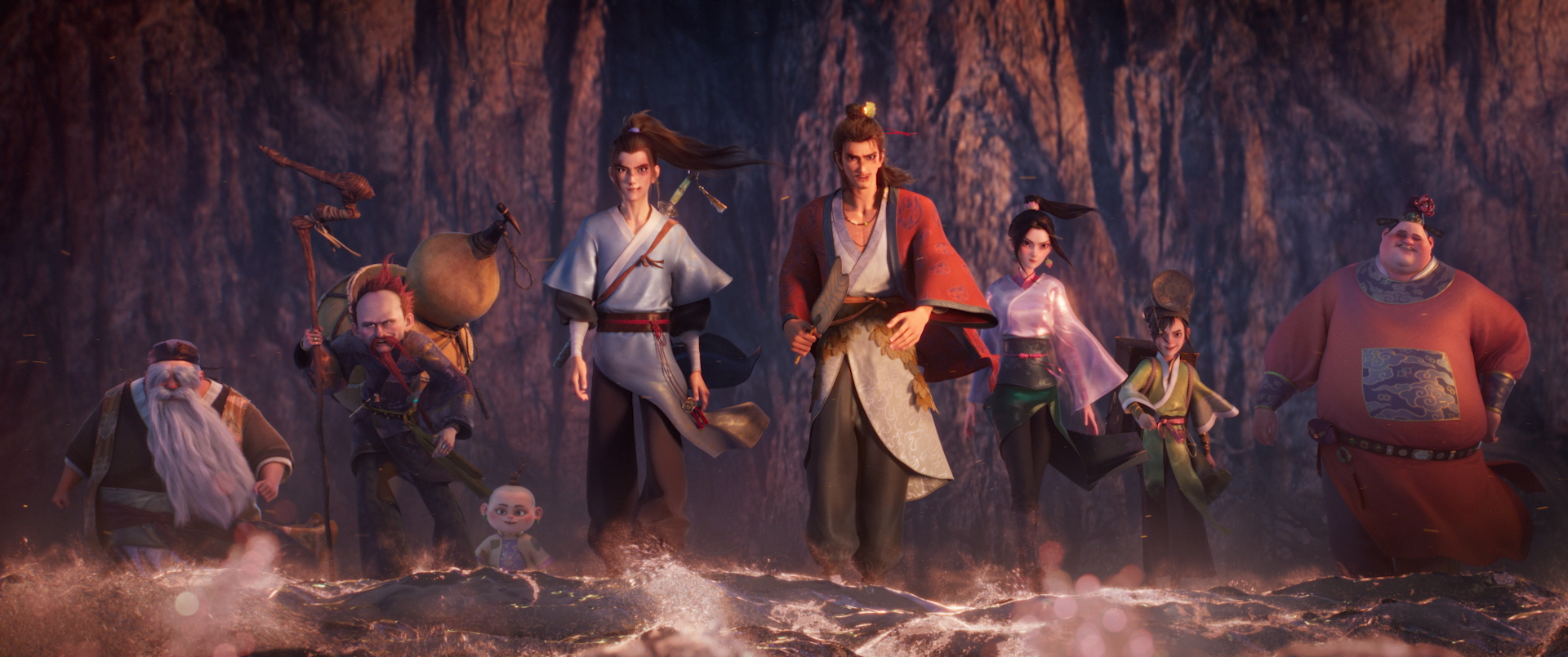
For the filmmakers, the cultural elements are not something to be explained away.
“Chinese traditional mythology carries a very powerful, distinct charm that is unique,” Mu says.
He points to traditions such as paper-cut and ink-wash animation, as well as philosophical concepts like negative space, yin and yang, and cause and effect. For international audiences, these differences can be part of the attraction.
“Global audiences are all looking for identity,” Mu says. “That’s why they’re more easily accepting stories from various cultures.”
The filmmakers say overseas audiences have shown strong curiosity about Chinese culture after watching Eight Immortals. That curiosity may be one of the clearest ways culture travels – not as a lesson, but as an open invitation to discover more.
Read more: Chinese Animation Film ‘Niu Lai’ Was So Bad That It Became a Box Office Hit
A film cannot explain an entire culture. It can, however, introduce an audience to a mythology, an aesthetic or a way of seeing the world, and leave them wanting to know more.
The international journey of Eight Immortals, from London to cities including Boston and Washington DC, and further to Malta and Iceland, shows what happens when a distinctly Chinese story enters new cultural spaces.
The story remains rooted in Chinese mythology. Its audiences do not have to be.
“Believe in yourself, believe in your story, believe in your creation, and believe in the audience,” Mu says.
Perhaps that is how culture travels best: not by becoming less itself as it crosses a border, but by carrying its own identity far enough for someone somewhere else to recognise something within it.