If you walk down Kingsland Road in Hoxton on any given afternoon, you will smell the distinct, herbaceous steam of beef pho long before you see the store fronts. This stretch of London has been a vital hub for the British-Vietnamese diaspora for decades. It is a neighbourhood built on survival, community, and food. Yet for the casual visitor, the cultural relationship with Vietnam often stops at the rim of a soup bowl. The broader British cultural landscape has historically left the country’s artistic and literary history out in the cold.
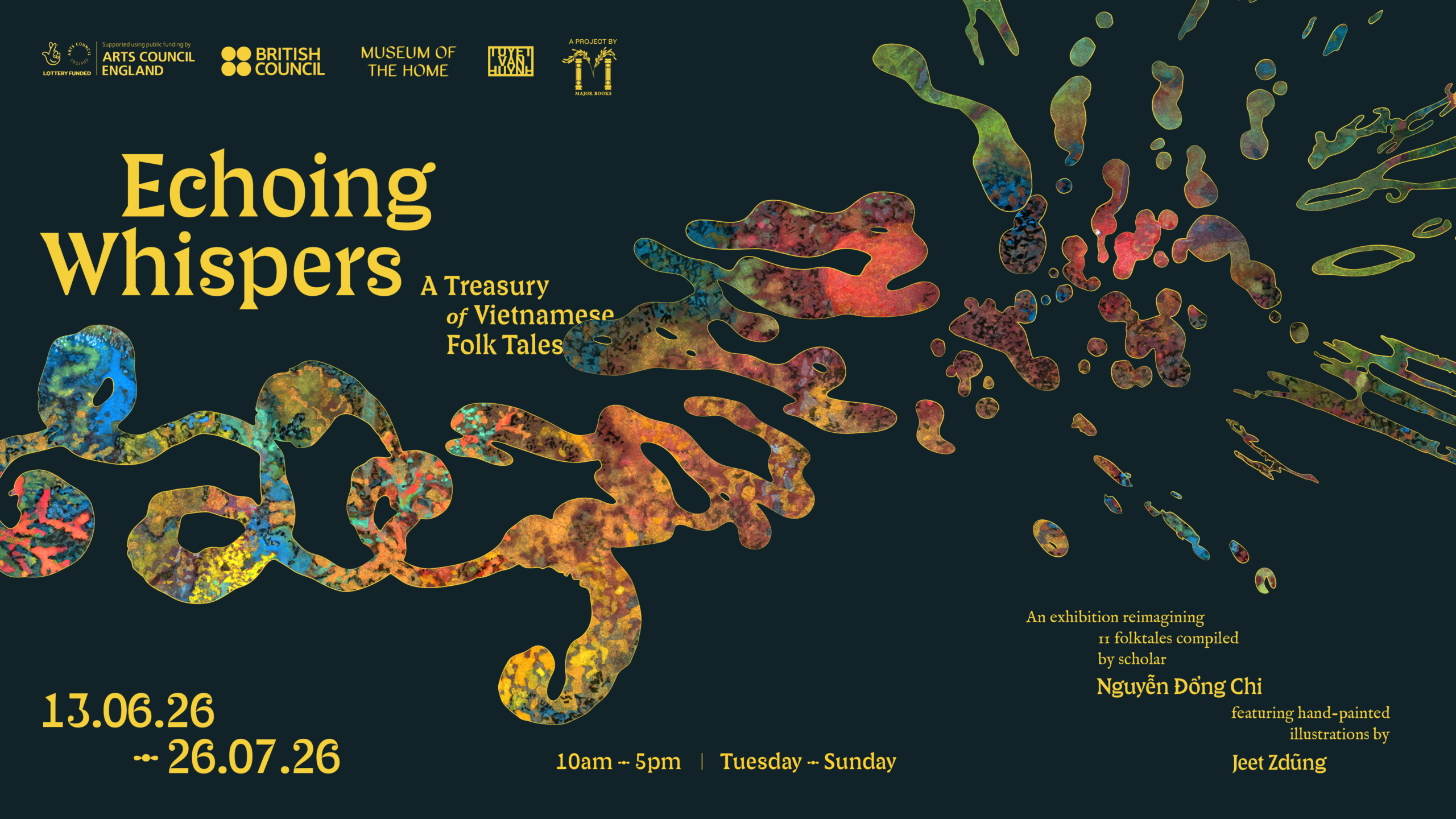
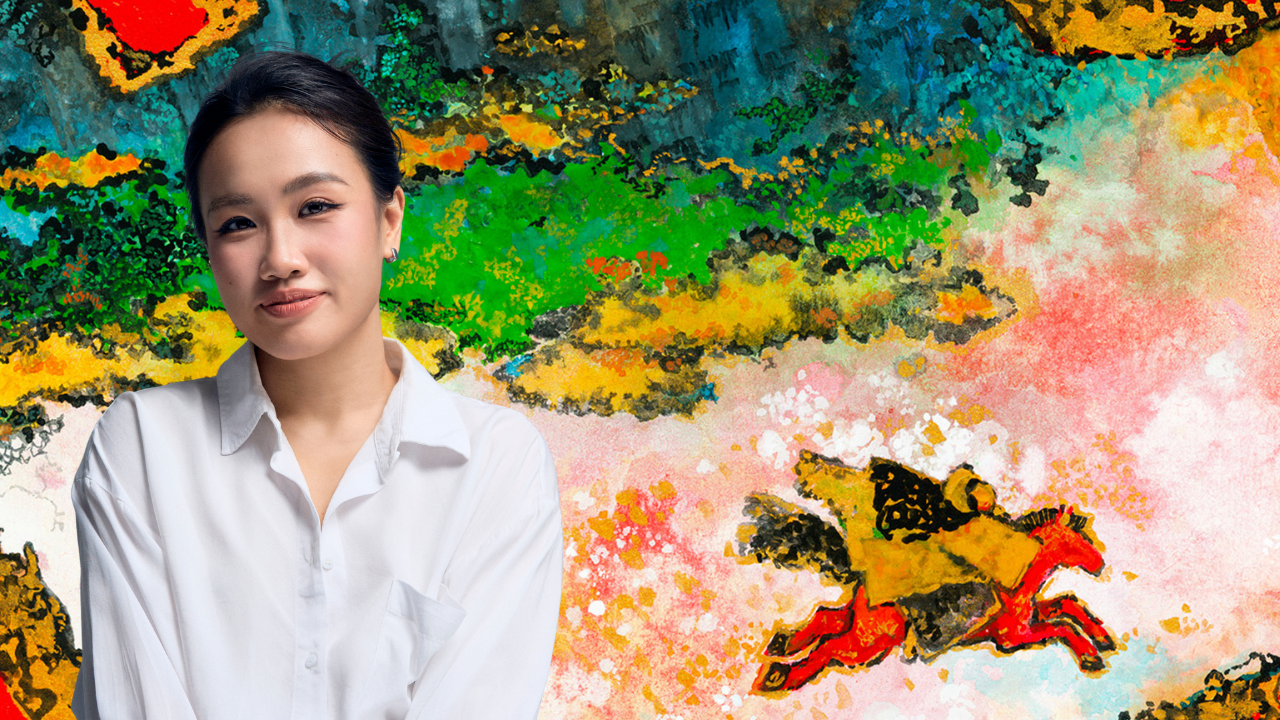
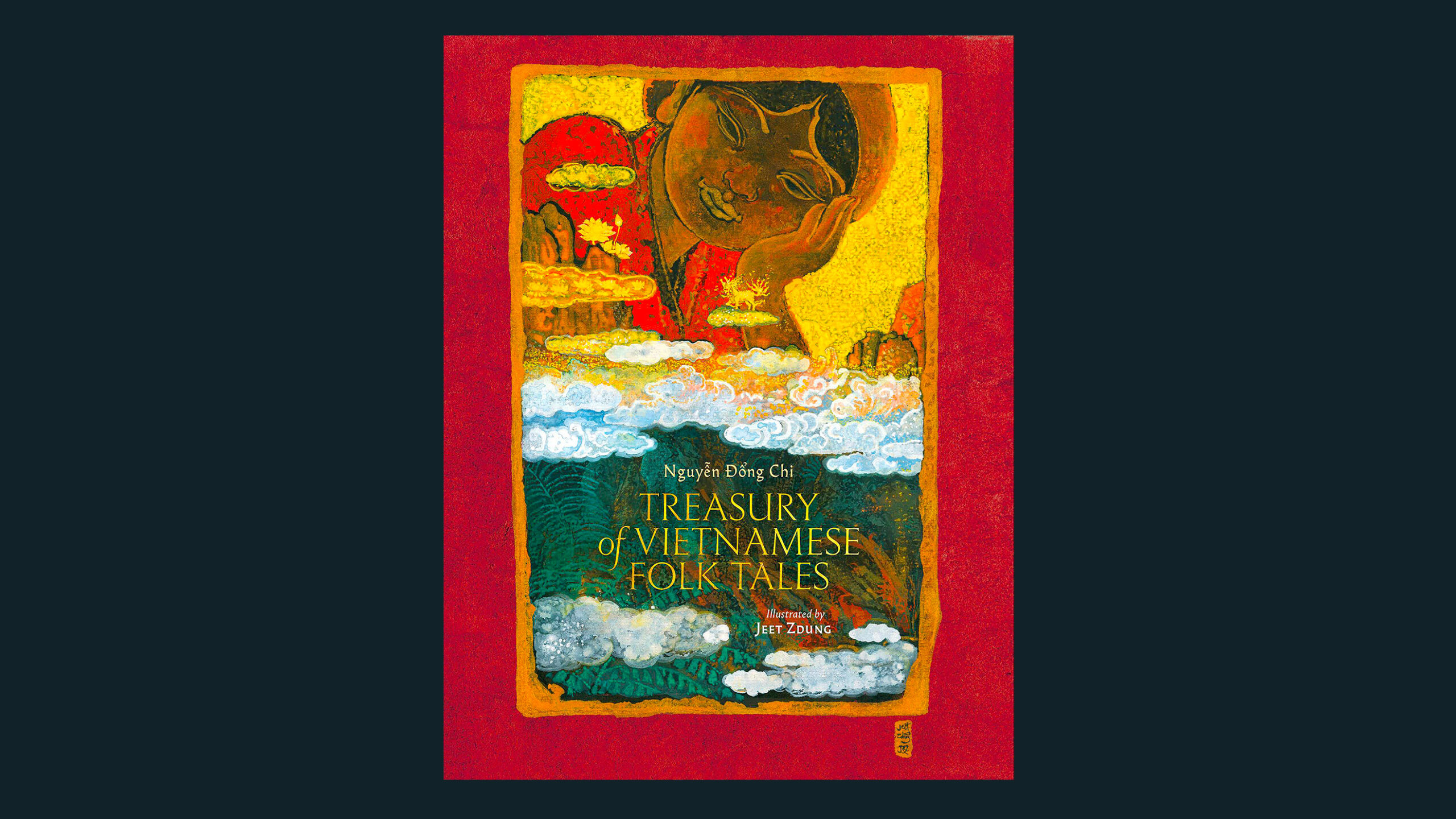
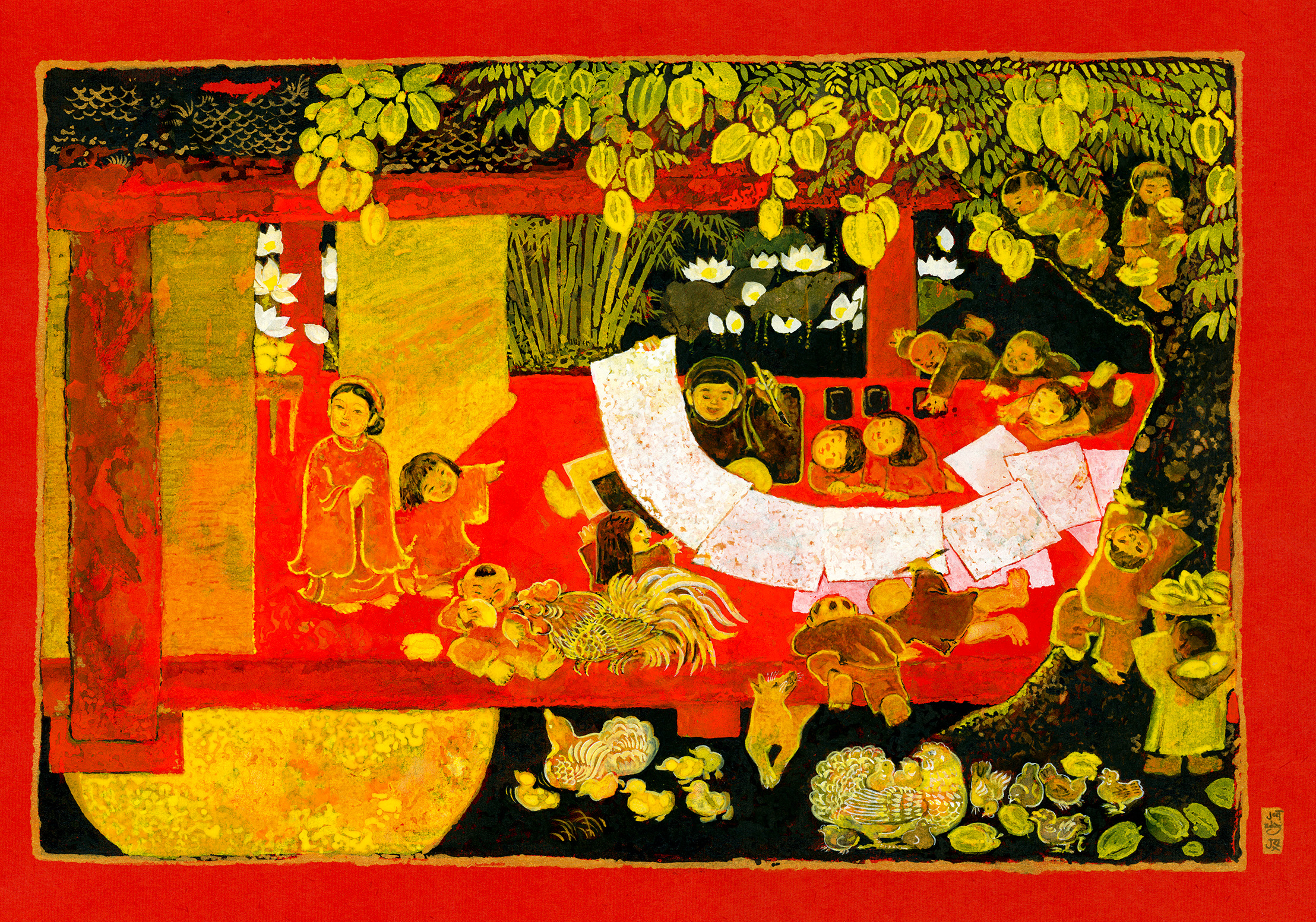
A new cultural season at the Museum of the Home aims to change this empty space. Titled Echoing Whispers, the project introduces the British public to a massive collection of traditional Vietnamese folktales. The exhibition features over 25 original, hand-painted works by the award-winning illustrator Jeet Zdũng. It also marks the launch of a major new bilingual hardback book published by Major Books, a small independent press based in London.
Read more: Finding ‘Home’ on Screen: Tuyết Vân Huỳnh’s Quest for Vietnamese Cinema in the UK
At the centre of this ambitious project is Kim Tran, the co-founder of Major Books and the editor-in-chief of the collection. For Tran, the exhibition is a direct response to a cultural absence that she noticed while living and studying in the UK.
“The spark boils down to seeing an absence of Vietnamese folk culture in the English publishing industry,” Tran says. “You see the stories of the Brothers Grimm or Hans Christian Andersen, but when I think about the Vietnamese diaspora community in the UK, the children here—like my friends’ children and later generations—are growing up with Disney and Western folktales. They do not really have access to our folk cultural heritage. I thought it was important, especially as a publisher whose mission is to bring Vietnamese literature to the West, to represent our cultural heritage in this way.”
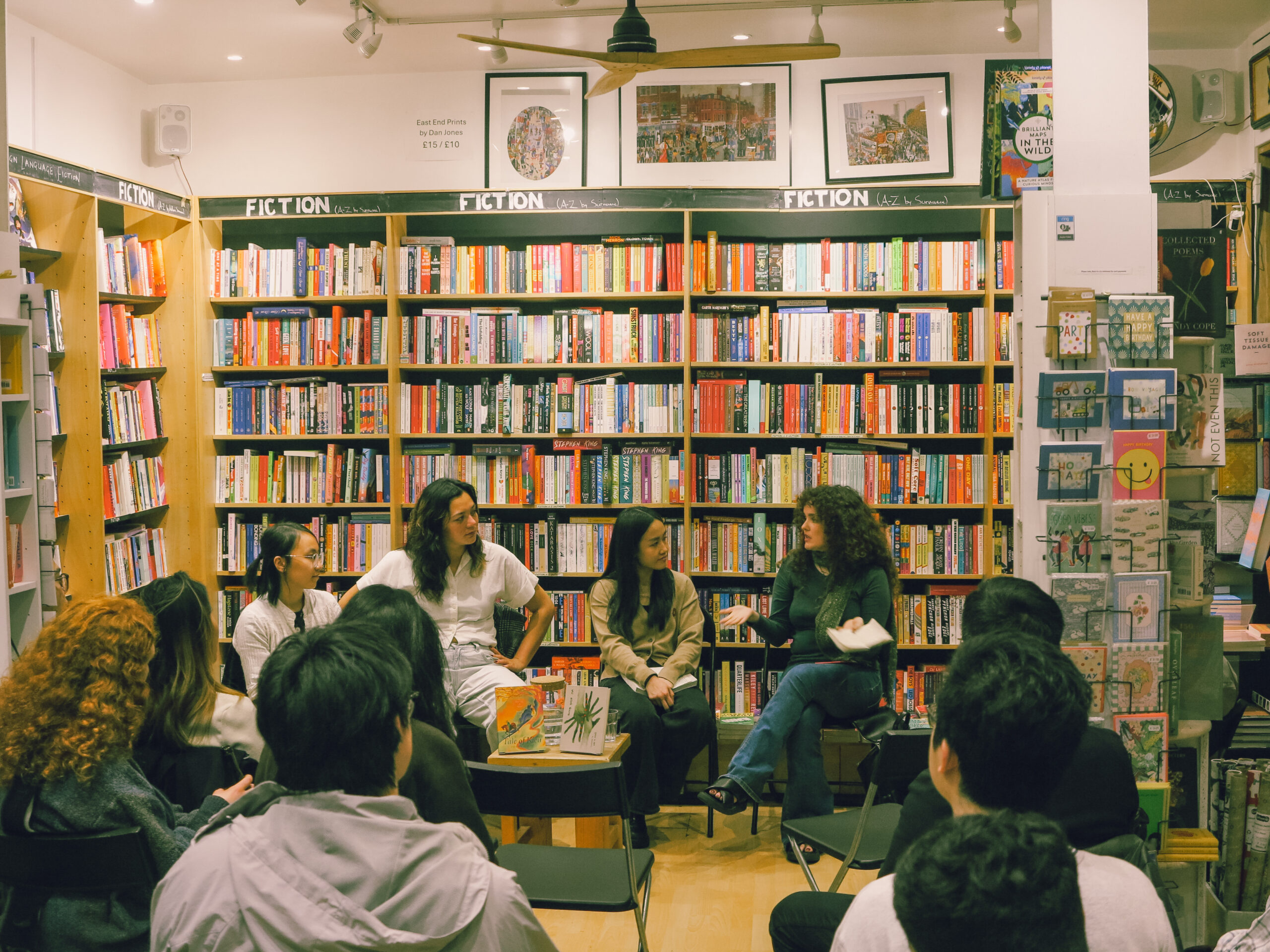
The choice of the Museum of the Home as the venue for this project is deliberate. Located in the heart of Hoxton, the institution has spent years working alongside local British-Vietnamese groups.
“The Museum of the Home is a community-led museum whose mission is to bring communities together,” Tran explains. “They are based in Hoxton, which is an area with a high density of Vietnamese residents in London. I see that reflected in their programming, and even in their permanent exhibition, they have a Vietnamese room. They have always paid special attention to the Vietnamese communities, so we thought it would be the perfect place to host our exhibition.”
Restoring the Voice of the Folklorist
The stories in the collection are based on the life work of Nguyễn Đổng Chi, a definitive twentieth-century historian and ethnographer who gathered over two hundred regional myths and legends. Folktales belong to an oral tradition, meaning they change with every mouth that speaks them. Nguyễn Đổng Chi spent his life pinning these fluid oral histories onto paper to keep them from dissolving.
Tran is protective of this specific version of the texts. During the translation process, she uncovered a pattern of erasure in previous Western attempts to translate Vietnamese stories. Past publishers frequently stripped away the poetry and songs embedded within the prose to make the text easier for Western audiences to digest.
“When it comes to the translations themselves, we pride ourselves on being what I believe is the first English translation of Vietnamese folktales that attempts to translate everything,” Tran says. “Within these folktales, there is a large amount of poetry, folk songs, and rhythmic elements with high musicality. This makes sense because it is an oral tradition; that is how people memorised them. Normally, other translations completely omit these sonorous, vital aspects. They represent not only the natural rhythm of our language but the very heart of the oral tradition. We tried to preserve and translate everything to the absolute best of our ability.”
This cultural erasure extended to past visual depictions of the stories. When Tran negotiated the publishing rights with Nguyễn Đổng Chi’s son, he shared his frustration regarding prior domestic editions whose illustrations completely missed the mark, Tran had experienced a similar frustration with foreign editions, where lazy visual choices frequently led to inaccurate illustrations that made traditional Vietnamese clothing look entirely Chinese.
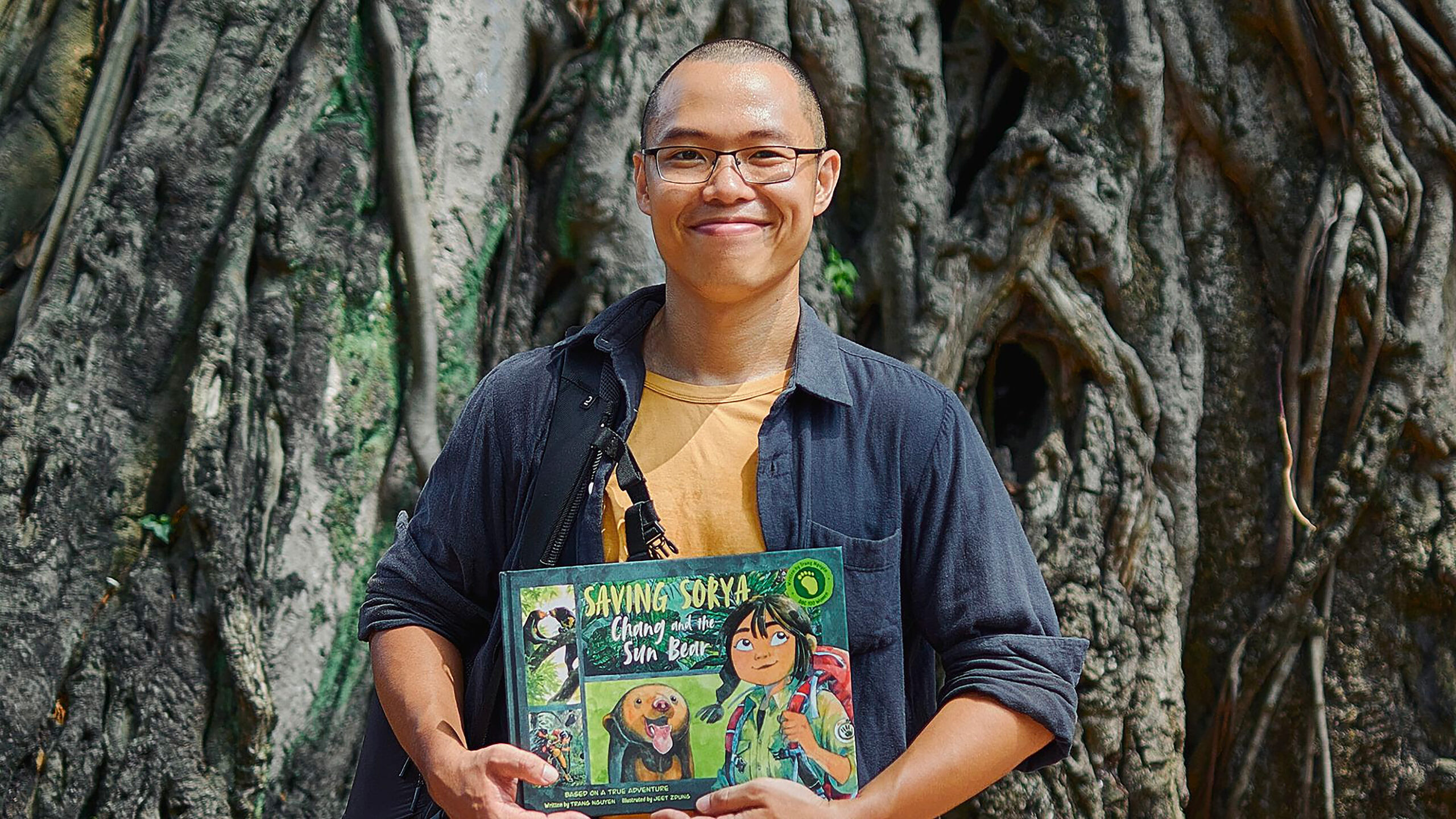
To prevent these errors, Major Books partnered with Jeet Zdũng, the first Vietnamese artist to win the Yoto Carnegie Medal for Illustration. Tran gave the artist complete freedom to interpret the historical research. The result is a series of paintings that pull directly from traditional Vietnamese folk art, utilising heritage techniques such as lacquerware, porcelain aesthetics, and mother-of-pearl conch inlay.
Dismantling the Skewed View
The first volume of this project focuses on eleven specific stories that centre on the roles of women in Vietnamese folk history. These characters do not fit into the familiar Western archetypes of passive princesses awaiting rescue. Instead, they are complex figures who inhabit roles as rulers, spiritual deities, clever wives, and sometimes, terrifying villains.
Even when a story shares a structural blueprint with a Western tale, the underlying philosophy remains distinct. Tran points to Tấm Cám, a story that mirrors the basic premise of Cinderella but operates on an entirely different moral plane.
“The Vietnamese elements come through the presence of Buddha, the imagery of multiple reincarnations, and the ending,” Tran notes. “Similar to the original Brothers Grimm version, the Cinderella character in our version exacts a brutal revenge on her stepmother and stepsister. I just think analysing these minute differences and similarities is incredibly fun, as it allows us to join the global dialogue on how folk cultures around the world view women.”
This nuance matters because Western audiences rarely get to see Vietnam through a sophisticated lens. The mainstream cultural output has left the country with a narrow identity.
“Speaking specifically for Vietnam, I know that the general impression the Western public has had of our country is historically associated with the Vietnam War,” Tran says. “Nowadays, it is associated with food, tourism, and nail salons. We have rarely been viewed through the lens of highbrow culture. The books about Vietnam that were historically published in the West were almost always travel guides, cookbooks, or war narratives, which led to a rigid stereotyping. A better word to use than ‘underrepresented’ would actually be ‘skewedly represented.’ The specific kind of Vietnamese stories that have been granted mainstream attention in the West fit a very narrow narrative framework. We are simply trying to showcase that our culture possesses far more than just those few familiar narratives.”
The Danger of Cultural Forgetfulness
Tran’s passion for this project is driven by her own experience with cultural dislocation. Born and raised in Vietnam, she arrived in the UK at seventeen to complete her secondary education. She studied comparative literature at University College London, specialising in Franz Kafka and Western literary theory. In her push to assimilate into the Eurocentric academic system, she realised she was actively ignoring her own heritage.
“I went through a distinct phase of undermining and forgetting my own culture—the exact same attitude that has historically led to this skewed perception of Vietnamese literature in the West,” Tran admits. “The turning point came when I was at university. I attended UCL, a major institution that prides itself on its scale, yet I was upset to realise that there was only one professor teaching East Asian literature to the entire cohort of comparative literature students. That single person was single-handedly in charge of Chinese, Korean, and Japanese literature; that entire Eastern block was theirs to take care of. I thought that was absurd.”
This systemic gap forced Tran to look at her own complicity. The realisation that western academic institutions treated the entirety of East Asian literature as a single, minor footnote was an eye-opening moment.
“There was a complete absence of Vietnamese literature,” Tran says. “That was when I realised that the way I had been personally overlooking my own heritage mirrored the systemic attitude that caused my culture to be so overlooked globally. We have an incredibly complex literary history and a tapestry of imagination that is completely ignored, and realising that made me angry. I wasn’t just angry at the institution; I was angry at myself because I came to the sudden realisation that I was very much a part of the problem.”
A Book for the Future
After university, Tran returned to Vietnam during the pandemic and learned the logistics of the publishing industry. Now running two publishing houses, she uses Major Books to platform stories that challenge standard Western expectations.
While the London exhibition provides an interactive space for the community, Tran views the physical book as the true weight of the project. A museum exhibition is controlled, staged, and temporary. A physical book belongs entirely to the reader, allowing families to pass these oral traditions down to their children in the quiet space of their own homes.
The project will eventually move across borders, touring from London to Hanoi. For Tran, the most exciting part of the Vietnamese leg of the tour is showing how the London diaspora responded to the work. The exhibition will display drawings and stories created by British-born Vietnamese children during the London workshops, creating a bridge across a massive geographic divide.
Ultimately, Echoing Whispers is an argument for cultural visibility, identity, and respect. It asks you to look beyond the surface of a neighbourhood and realise that every culture carries a vast library of intellectual thought.
“I want them to feel a deep sense of pride,” Tran says, thinking of the diaspora families who will walk through the gallery spaces. “I hope they walk out feeling proud that they possess a magnificent cultural heritage—a treasury of legacy and myth passed down through generations that is completely on par with the tales of the Brothers Grimm, Hans Christian Andersen, or modern Disney. Ultimately, I want them to feel a little bit closer to home, a bit more connected to Vietnam, and deeply proud of who they are.”
The Echoing Whispers exhibition runs from 13 June to 26 July 2026 at the Museum of the Home. Click here for more information