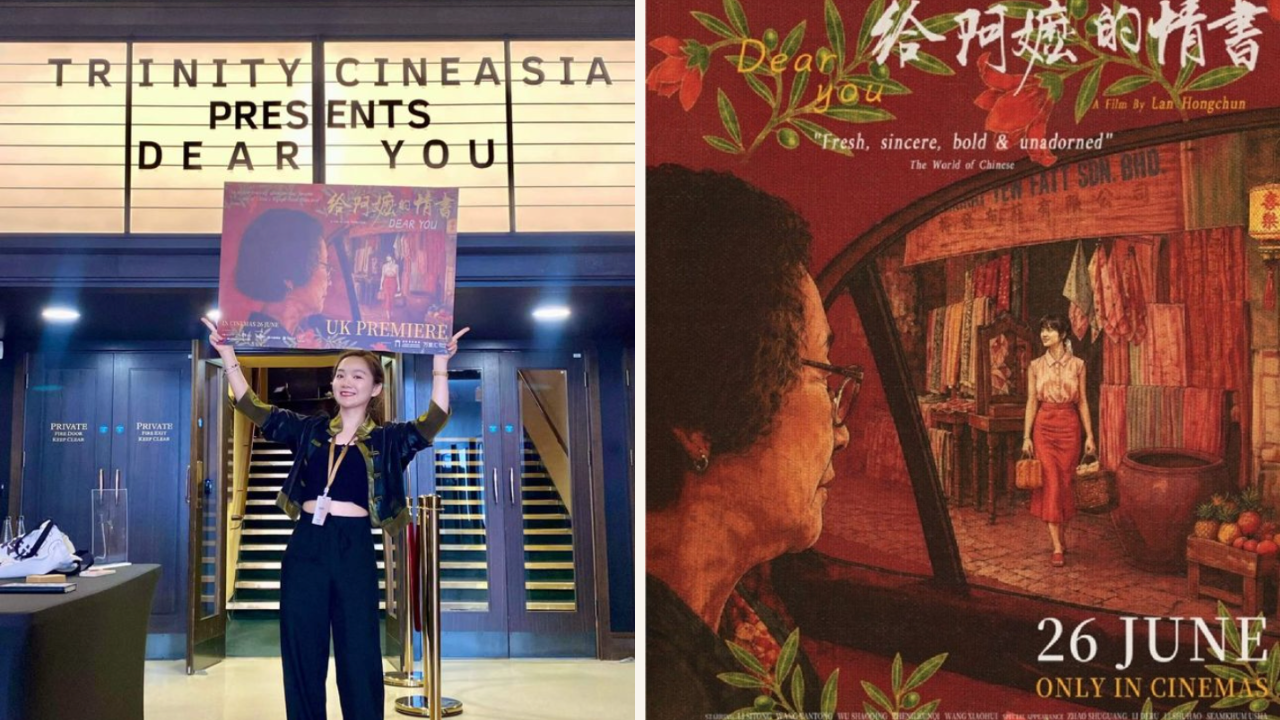
I came to London from Beijing more than a decade ago, chasing something I wasn’t entirely sure I understood. Like so many who leave home, I carried my ancestry with me, but I didn’t always know what that meant. Then I watched Dear You.
The film tells the story of two grandmothers – one in China, one in Thailand -connected by letters that crossed the ocean. It’s a funny yet gentle film, but it awoke something in me. I found myself thinking about my own grandmothers, about the silences between generations, about the stories we never think to ask for until it’s too late.
And then I met Qin Zhang.
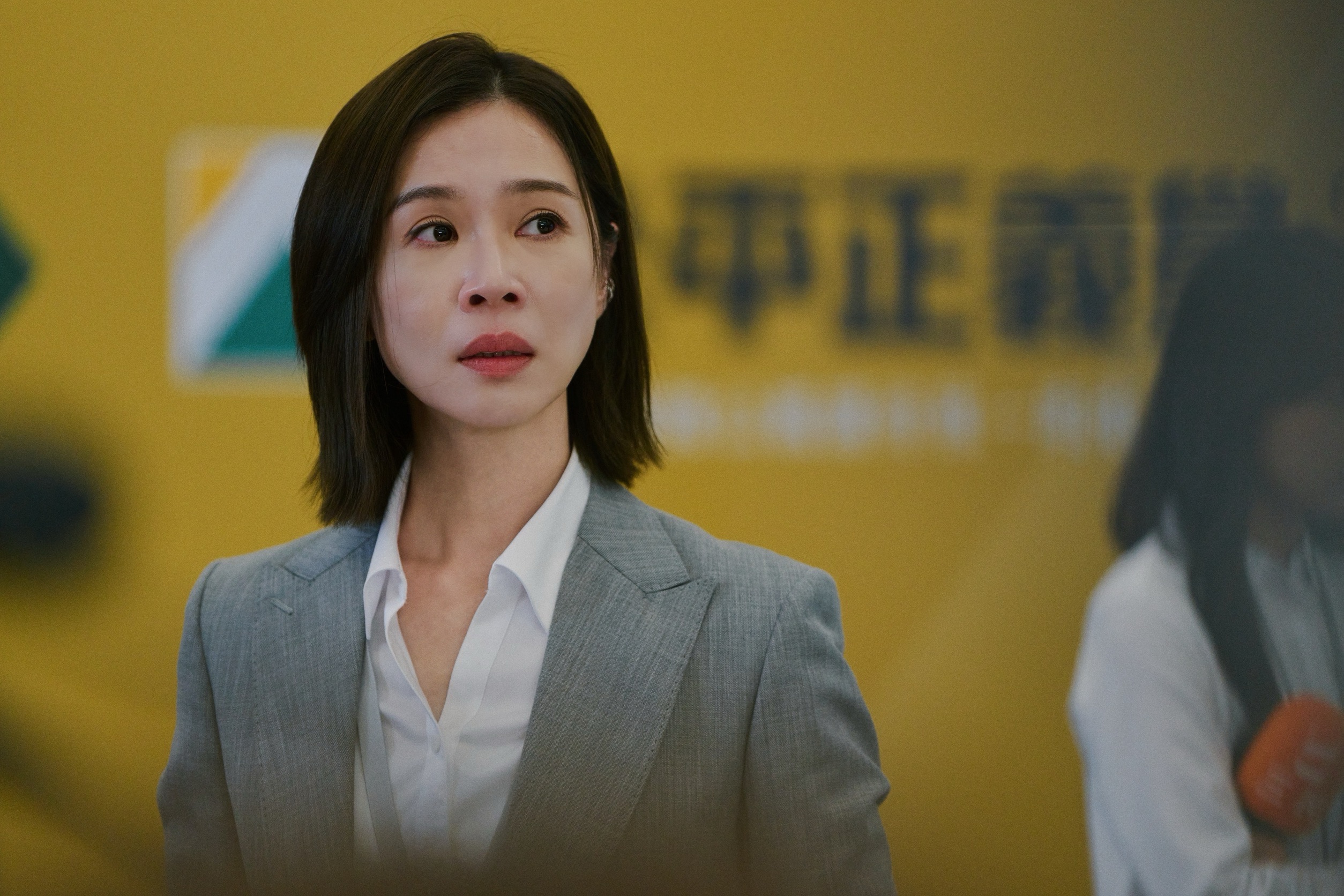
Qin is a film distributor and producer at Trinity CineAsia in London. She’s also a third-generation descendant of a migration that began when her great-grandparents left Hainan for Thailand. When we sat down to talk, I expected a professional conversation about film distribution and Asian cinema. What I got was something far deeper.
“With absolute clarity: my roots are in Hainan, and they always will be,” Qin told me.
“The core emotional and cultural landscape I carry belongs to that island in the southernmost part of China.”
I recognised something in her voice, a kind of certainty that comes from knowing exactly where you belong. I still perhaps don’t know exactly where I belong, yet Qin had it all along.
Read more: ‘Dear You’ Review – A Quiet, Multi-Generational Chinese Masterpiece That Shuns Modern Clichés
Qin’s grandmother was born in Wenchang, Hainan, under difficult circumstances. Her parents had migrated to Thailand, her great-grandfather fleeing World War II, her great-grandmother half Thai, half Hainanese. After giving birth, they returned to Thailand and eventually divorced, starting new families. Qin’s grandmother grew up without them, raised by her own grandmother.
“She carried a hurt from that,” Qin reflected. “Yet at the same time, a deep longing for connection across the ocean.”
Qin never saw the physical remittance letters her great-grandparents sent – the Qiaopi, but she grew up knowing this part of the family existed. She watched her grandmother work tirelessly to keep every thread of connection alive. What began as expensive international phone calls has now evolved into WhatsApp messages between the younger generations. Qin now communicates with her Thai family in English.
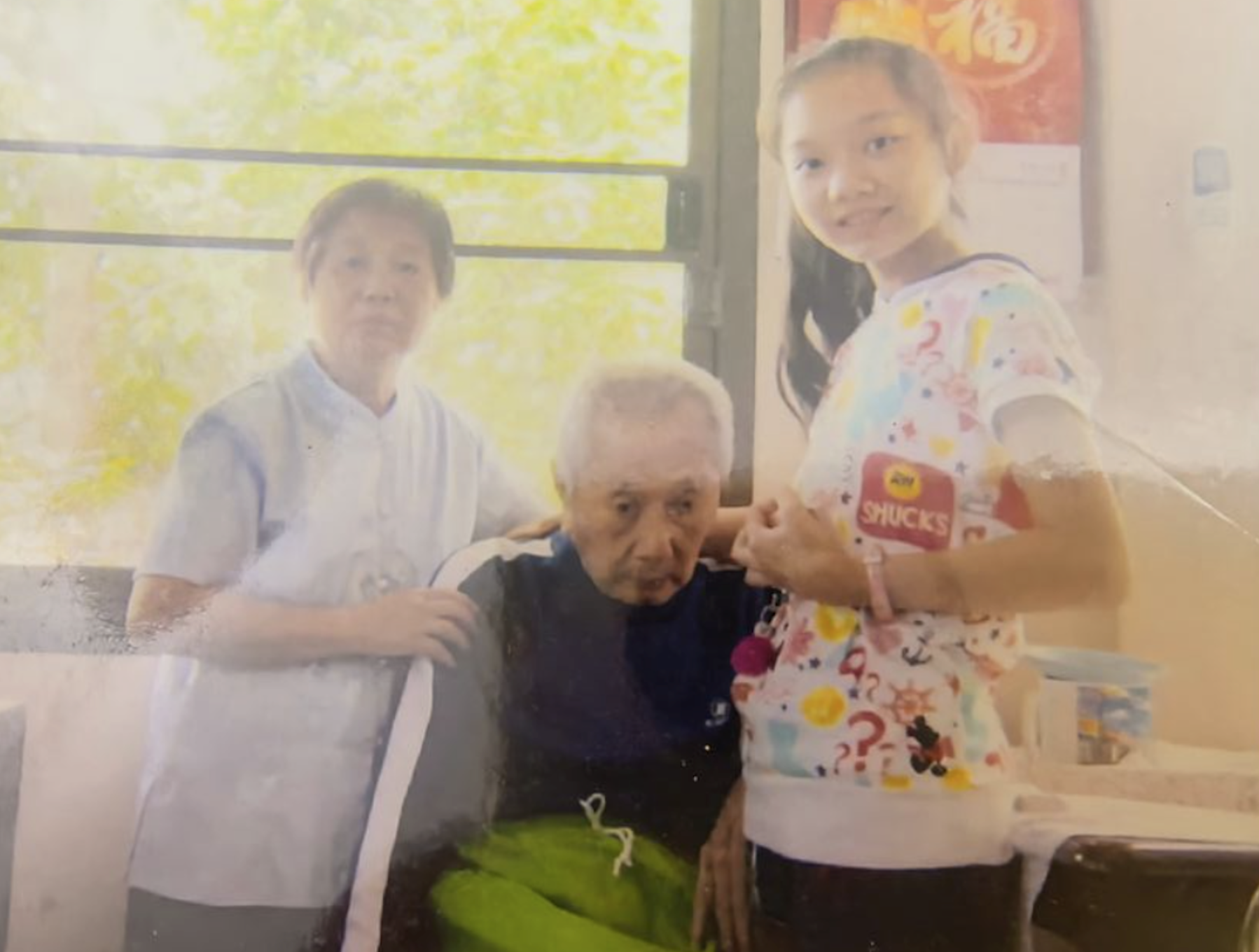
“Having extended families across the sea is something incredibly rare and precious,” she said. “And that is the legacy I carry with me every day.”
When I asked Qin about the single biggest lesson from her grandmother’s life, her answer shook me.
“The power of anchoring yourself in your roots while remaining open to the world.”
Her grandmother never had the luxury to dream or choose her own path – her career was dictated by China’s planned economy, shifting between factories, farms, and schools. Earlier this year, Qin realised she was the very first person to ever ask her: If you could have chosen any job, what would it have been?
Read more: Maggie Cheung Classic Film ‘Center Stage’ Returns to North American Cinemas for 35th Anniversary
“Maybe a tailor,” her grandmother replied.
It made perfect sense. Throughout Qin’s childhood, so many clothes, outfits, and pillowcases were handmade by her grandmother. Her dream didn’t disappear. It was simply channelled into clothing the people she loved.
“She dedicated her entire life to anchoring her family, ensuring her children had the foundation to manifest the dreams she was never permitted to have.”
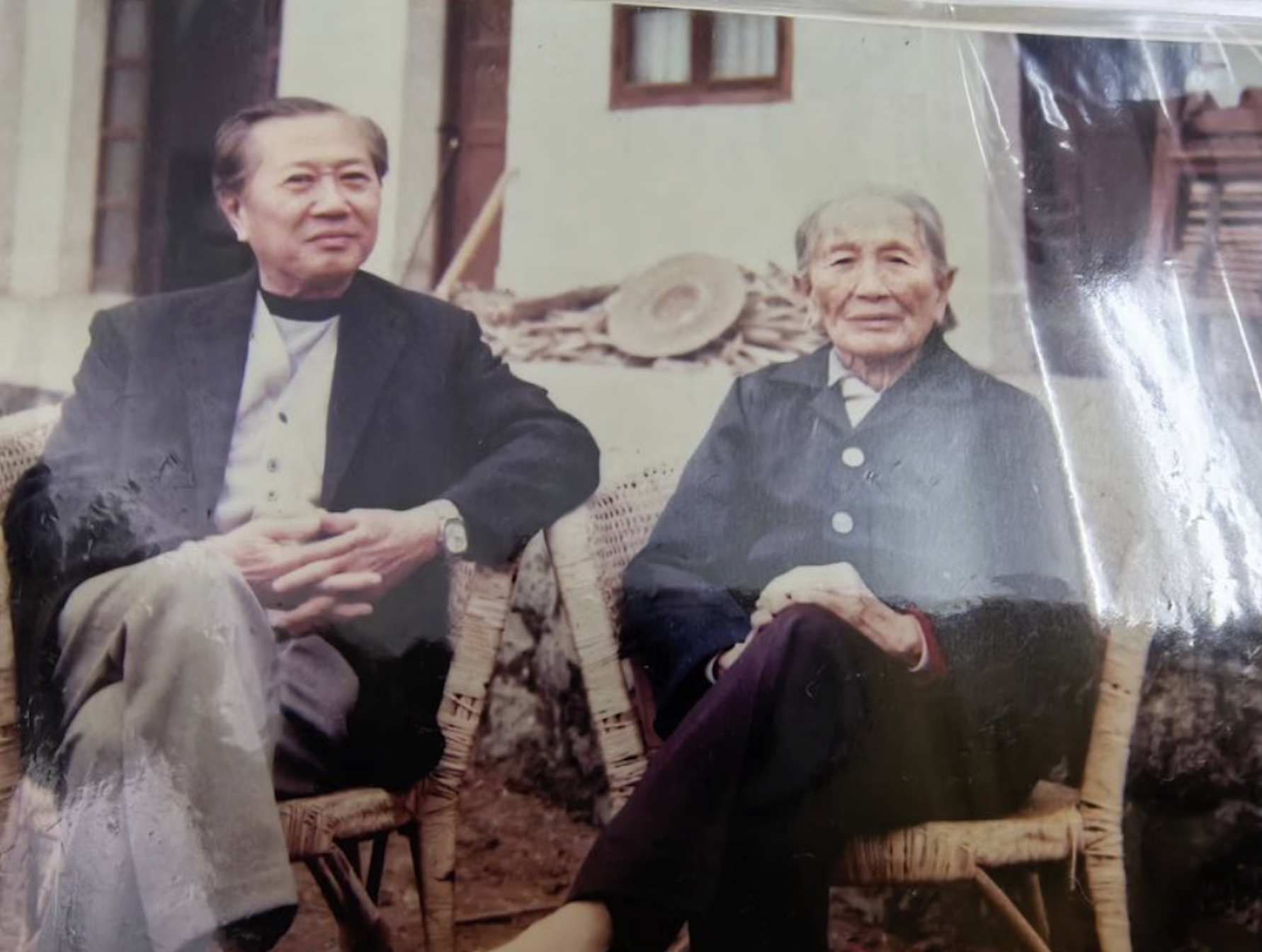
I thought about my own grandmother on my mum’s side in Beijing, about the dreams she never spoke aloud. I realised I had never asked them either.
In May, when Dear You was released in China, Qin asked her parents to take her grandmother to the cinema. It was the very first time she had ever seen her “own life story” on a big screen – the story of those Qiaopi letters, of families separated by oceans.
The film distribution company Qin works for in the UK had acquired the rights to the film. The feeling wasn’t just pride – it was “visceral”.
“It made me realise that the stories of families crossing oceans to rebuild their lives carry a resonance that expands far beyond our personal histories.”
I understood this too viscerally. I had watched Dear You thinking about my own journey from Beijing to London, about my parents and grandparents I left behind, about the two grandmothers in the film who never met but somehow, through their grandchildren, knew each other. In Qin’s story, I saw my own – not the details, but the shape of it. The longing, and the leaving.
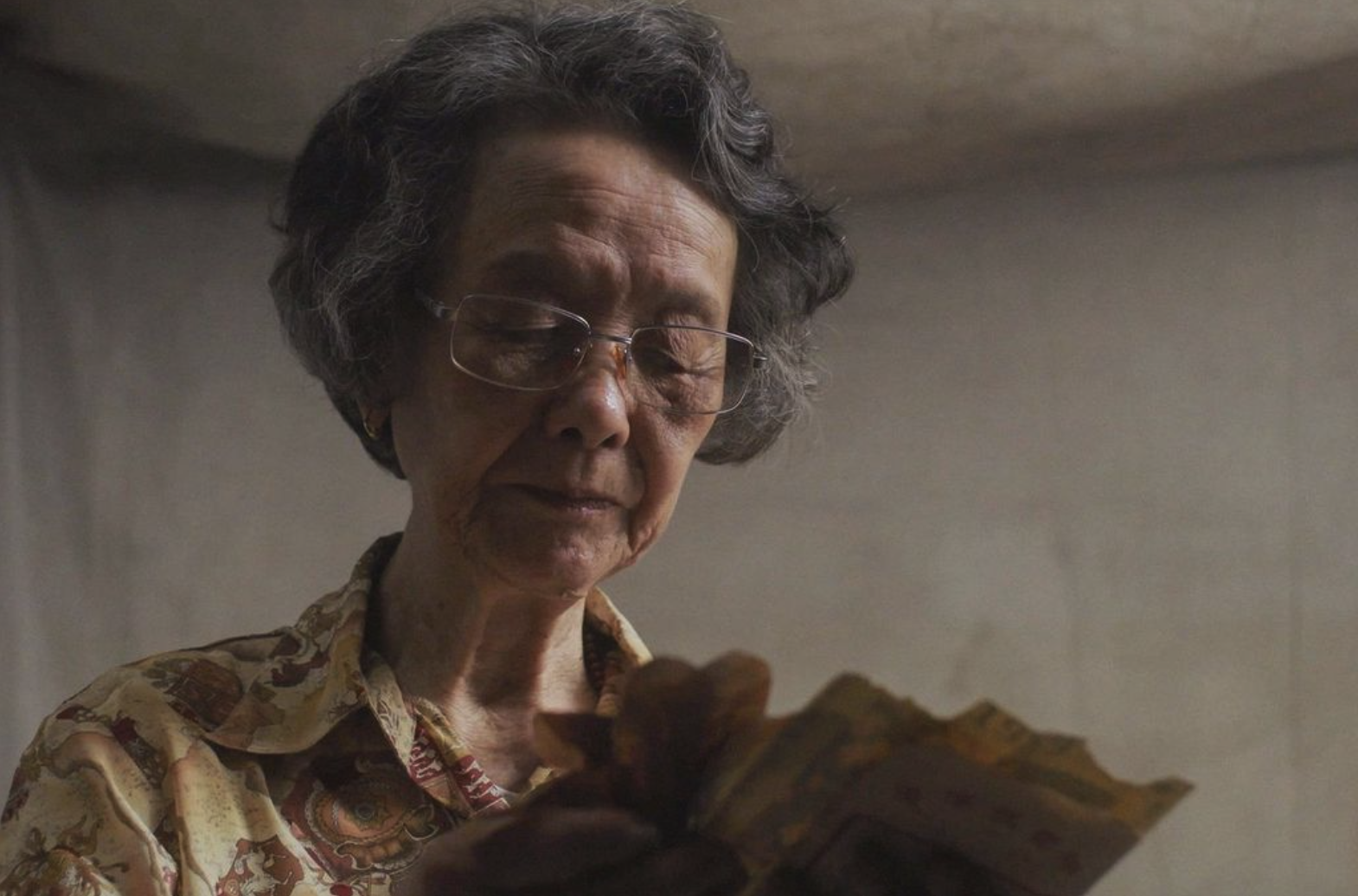
Qin’s mission over the next decade is to shatter the ceiling that keeps East and Southeast Asian cinema confined to “independent” or “arthouse” boxes.
“There is a common misconception in distribution that to reach a massive audience, a story must be generalised,” she said. “I believe the exact opposite: the more hyper-regional, deeply personal, and specific a story is, the more fiercely universal it becomes. ”
This belief is the foundation of her professional strategy – collaborating with filmmakers from script development to post-production, ensuring regional nuances resonate with global audiences.
When someone in the future googles Qin Zhang’s name, she wants them to find her work as a cross-cultural film distributor and producer. But her ultimate dream is to establish a creative foundation that funds independent ESEA storytelling.
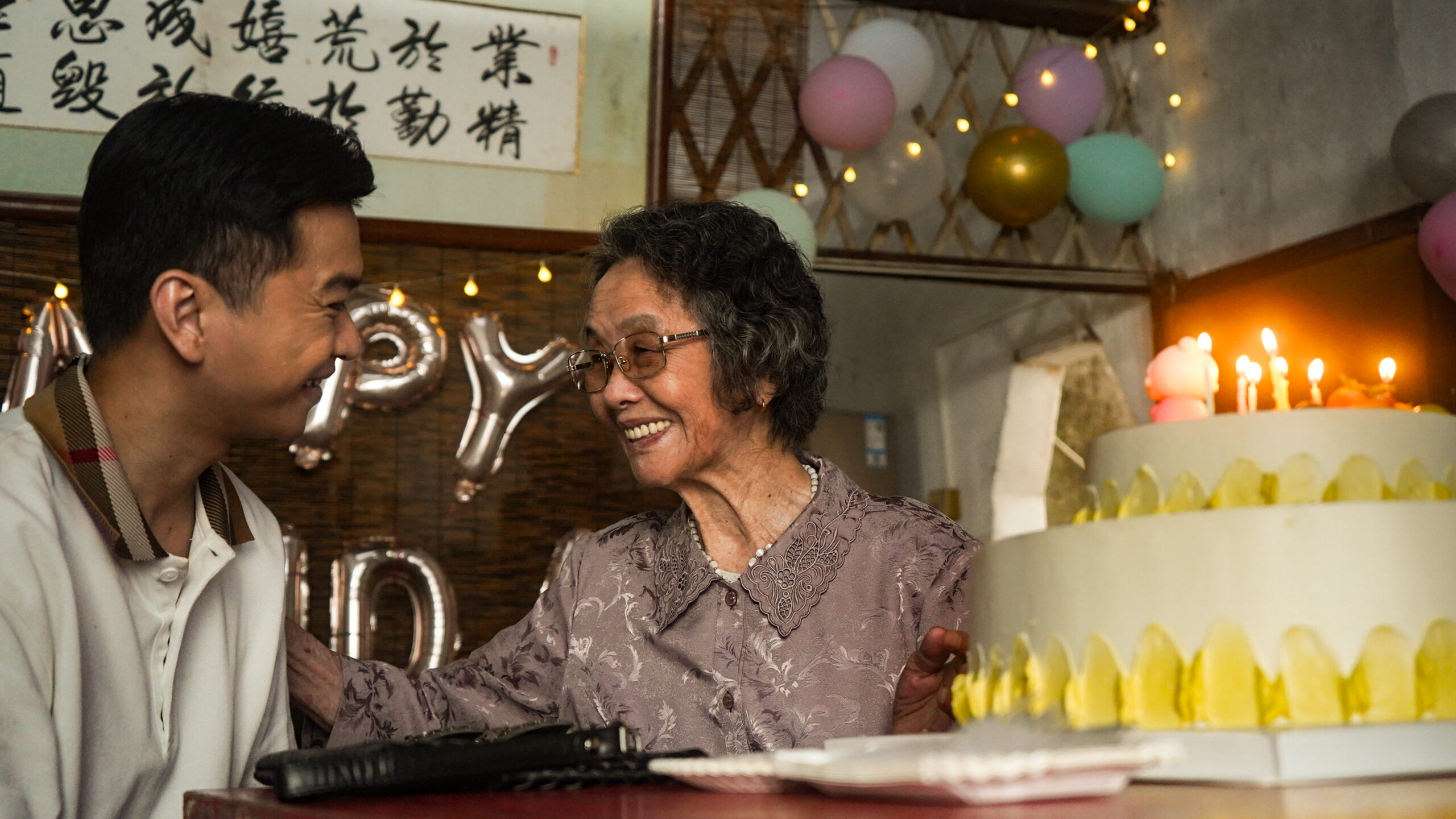
“Completing the story she started,” Qin said, “means using the global platform I’ve been given to ensure that the quiet resilience of women like her is archived forever.”
Reflecting further on her grandmother’s life, Qin said, “There is no parallel universe – whether her life would have been better (or worse) had her parents brought her to Thailand to live with them. This is the reality she carved out.”
“I want the world to remember her not for the choices she was denied, but for the profound love and quiet creativity she managed to weave into the fabric of our lives anyway.”
By letting go of the past, Qin explains, we aren’t forgetting it – we are finally giving it the space to come home.
After our conversation, I thought about how I left Beijing for London, how I still feel like I’m split between two worlds. Qin taught me something I didn’t know I was looking for: that our roots keep us steady while we sail the world. And when we finally let go of the past, we are finally embracing who we have become.
Qin Zhang is a UK-based film distributor at Trinity CineAsia. She is currently developing a documentary project that traces the emotional memory of her grandmother’s and great-grandparents’ generations.