
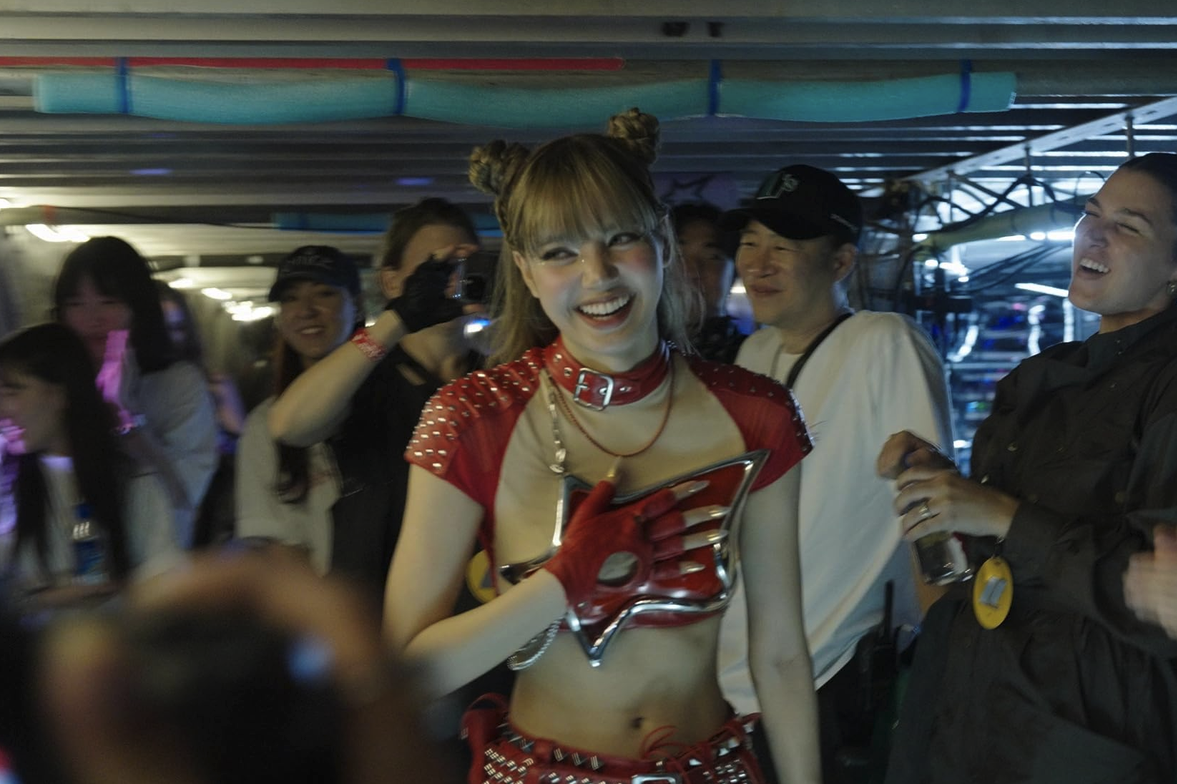
The intersection of Western hip-hop culture and the global Korean pop apparatus has produced another moment of intense public reckoning. Lisa, the celebrated Thai rapper and singer of Blackpink, has issued a public apology for using an anti-Black racial slur in leaked rehearsal footage recorded during her pre-debut trainee years.
Speaking to Variety following the world premiere of her autobiographical documentary Always Lalisa at the Toronto International Film Festival, the twenty-nine-year-old performer confronted the controversy directly.
The archival clips, filmed over a decade ago when the future members were teenagers training at YG Entertainment, surfaced online in early 2025. In the footage, Lisa can be heard repeating the racial slur while reciting lyrics during routine rap practice sessions.
Lisa is apologizing for the leaked trainee videos of her and the other Blackpink members rapping and using the N-word as young teens:
“I really have to apologize. To be honest, I’m Thai and I grew up in Thailand. There isn’t any education for that, so at the time, I didn’t know.… pic.twitter.com/xkYu5iLRub
— Variety (@Variety) September 14, 2026
Explaining Her Cultural Background
Addressing the video for the first time on the record, Lisa explained that her upbringing outside the English-speaking world left her ignorant of the word’s severe historical weight.
“I really have to apologise,” Lisa stated. “To be honest, I’m Thai, and I grew up in Thailand. There isn’t any education for that, so at the time, I didn’t know.”
Read more: BLACKPINK’s LISA Returns to Her Rap Roots in Bangkok With ‘SaWaDiKa’
She made it clear that her perspective has shifted completely through subsequent learning. “Now I’ve learned and got educated about that, and I would never do it again,” she added. “This is not OK. Seriously.”
The material leaked online ahead of her solo Coachella performance in 2025 through an anonymous party identified in the film as the “YG Leaker.” The documentary reveals that the leak accompanied severe digital harassment, including death threats.
“I was sad because I really wanted to focus on my performance, but things happened and you can’t control stuff,” Lisa said when recalling the release of the clips. “But I fought through it.”
Online Reaction and K-Pop Responsibility
Her remarks immediately reignited a long-standing discussion across digital spaces regarding education, language barriers, and cultural borrowing in Asian pop music.
Supporters pointed to the geographical reality of growing up in Southeast Asia, noting that foreign educational curricula rarely cover the nuances of American racial history or terminology. Multiple commenters echoed that they were completely unfamiliar with the term until encountering English-language discussions on social media.
Critics presented a different argument, emphasising the artistic debt modern K-pop owes to Black American musical traditions. They argued that because Blackpink’s identity relies heavily on hip-hop styling, production, and cadences, artists who perform the genre carry a basic obligation to understand its history, vocabulary, and taboos.
A Wider Shift Toward Independence
The film Always Lalisa, which arrives in cinemas and IMAX screens on 12 October 2026 before streaming on YouTube Premium, documents the performer’s transition toward greater corporate independence.
After founding her management agency Lloud and partnering with RCA Records for her solo debut album Alter Ego, Lisa expanded into acting with the third season of HBO’s The White Lotus.
Despite pursuing individual ventures, she assured audiences that Blackpink remains an enduring priority. “If I’m 50, I still want to do Blackpink,” she said. “We just finished our tour earlier this year, but we talk a lot about this and have discussions about doing a little break, but we’re always going to be together.”