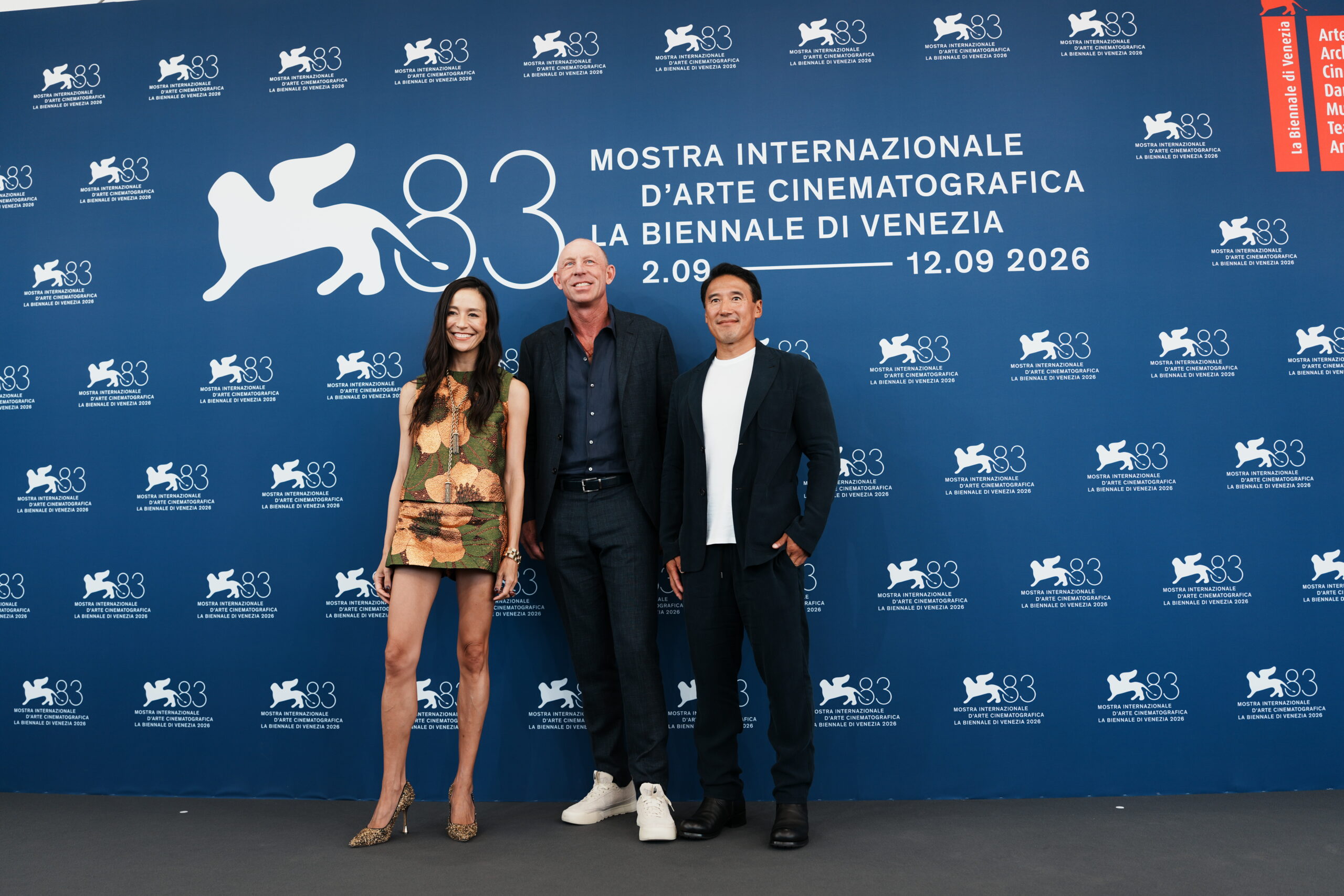
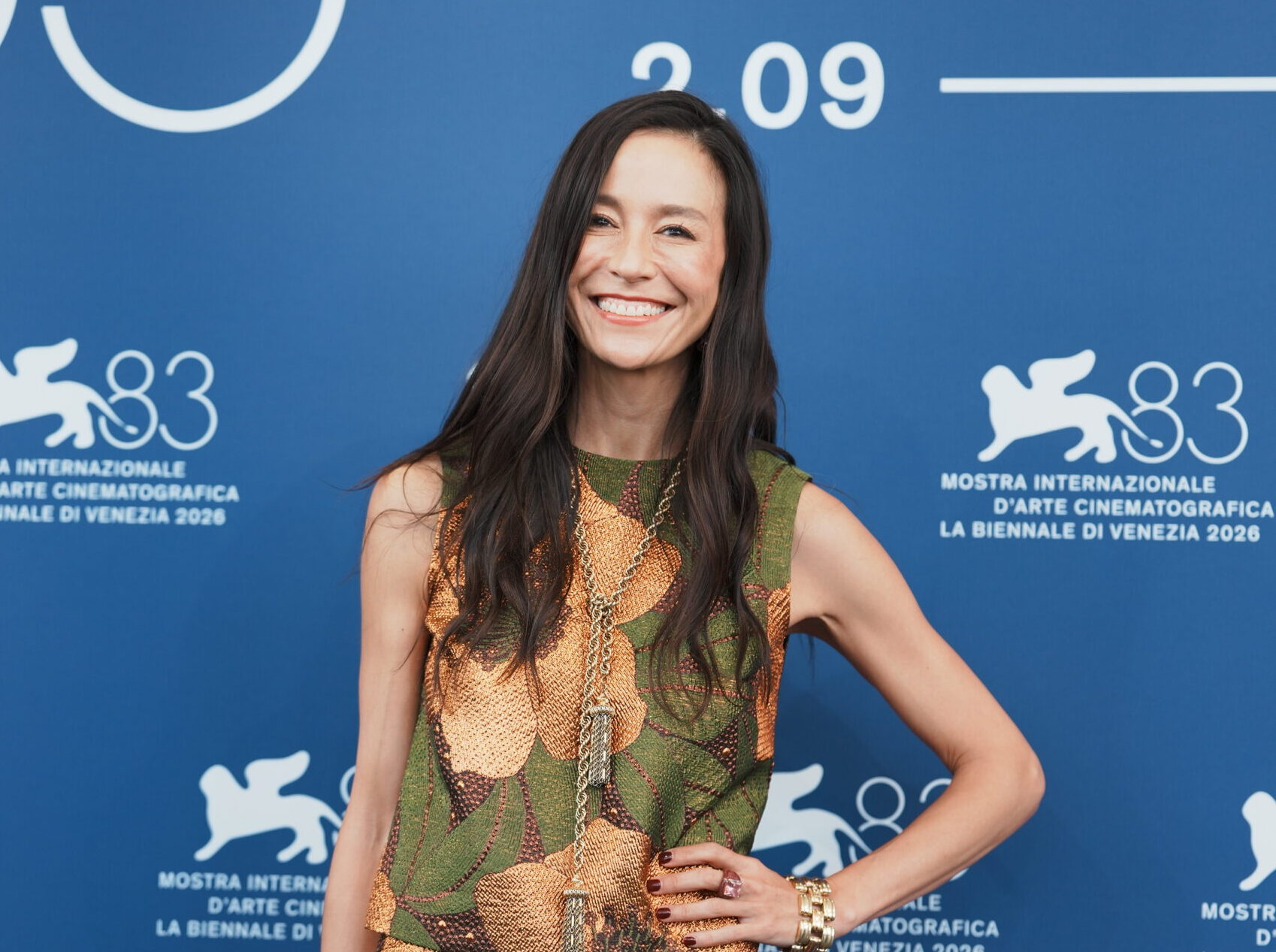
Sitting in the low, carpeted hush of a central London hotel lounge, Elizabeth Chai Vasarhelyi is miles away from the frozen séracs and oxygen-depleted heights of the Tibetan plateau. Yet the mountain trails her everywhere she travels. For a decade, the Academy Award-winning filmmaker has studied men and women who look at absolute verticality and see an invitation. Her films with co-director Jimmy Chin, including Meru and Free Solo, achieved global renown by capturing physical courage at its outer edges. With their latest non-fiction production, Everest: The Other Side, the view looks inwards, focusing on the human debts left behind when adventurers head towards disaster.
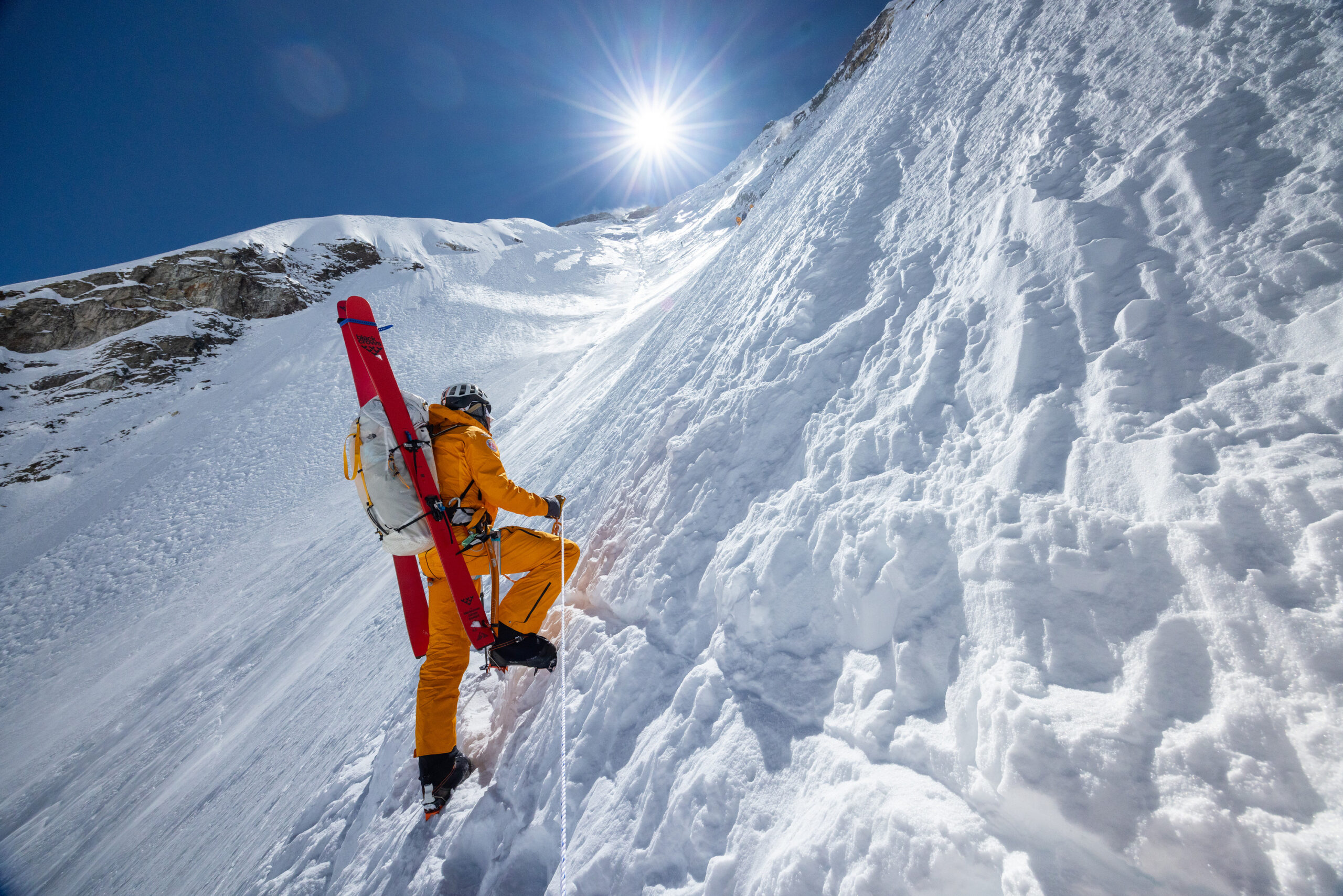
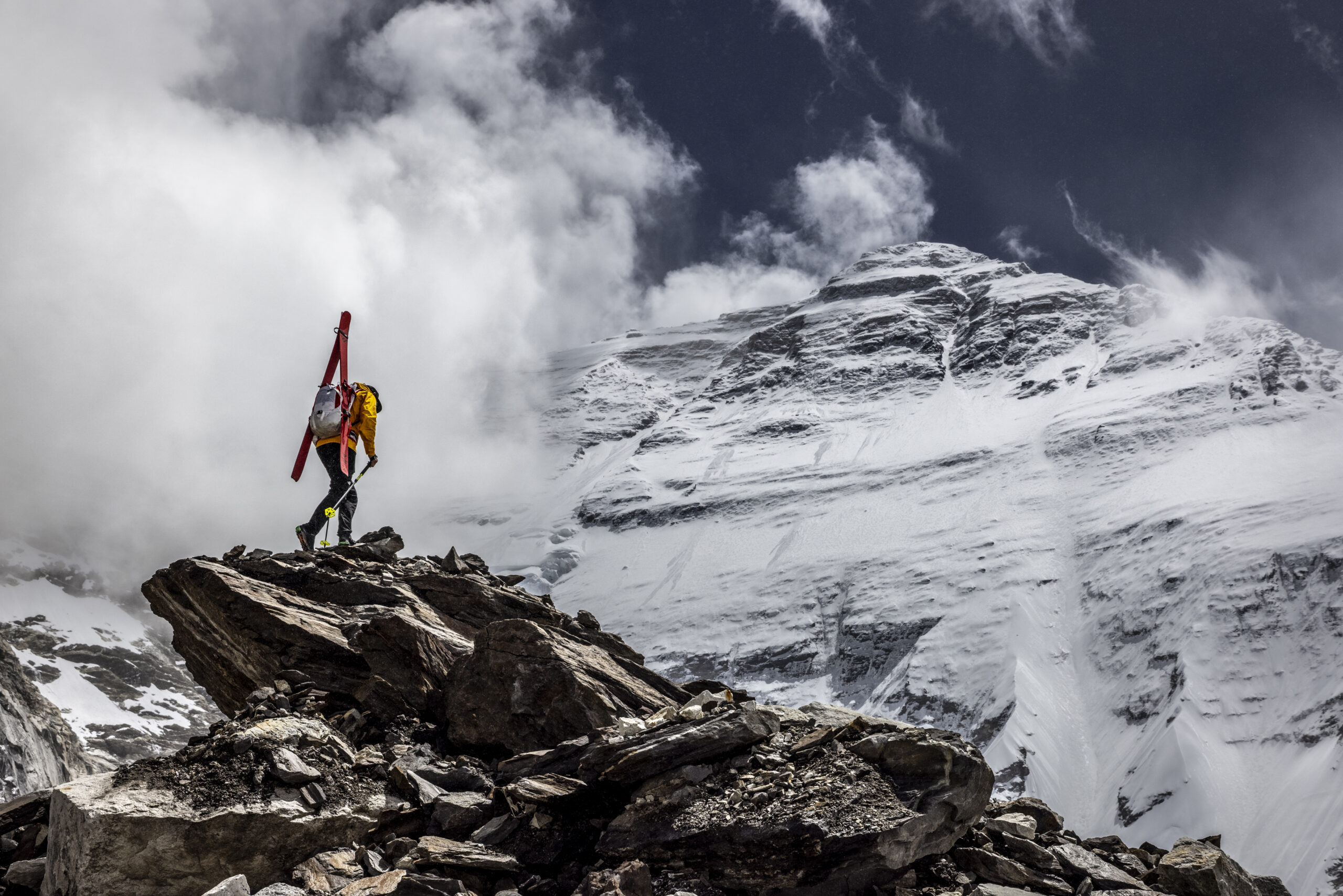
The film began in 2019 with a different focus. Vasarhelyi originally planned to follow her friend Hilaree Nelson, an accomplished ski mountaineer, along with Nelson’s romantic and expedition partner, Jim Morrison. The initial plan was to film their joint ambition to summit the North Face of Mount Everest and complete a full descent on skis.
When Vasarhelyi describes Nelson, she speaks with direct warmth about a woman who refused to soften her passion. “I was really interested in Hilaree,” Vasarhelyi says. “I have made a few films that look at this human paradox: the audacity to have these big dreams, but also the psychological complexity, diligence, determination, and madness to put in the work to get it done. For the most part, they have been from a man’s point of view. Hilaree was a friend of mine, and she spoke about that paradox with real candour. She says in the film, ‘It is a mountain. It may not mean anything, but it means everything to me.’ That is refreshing. That is not romantic; that is plain-spoken. I also saw her as a mother. She was a great mum. Our kids hung out together. She was a first, and many women looked up to her.”
The production shifted permanently during autumn 2022. While training on Mount Manaslu in the Nepalese Himalayas, Nelson was swept away in a sudden avalanche and died. Her death forced the directors to confront the moral boundaries of their presence.
Documentary cinema often flatters extreme sportsmen, turning obsession into heroism. In conversation, Vasarhelyi rejects that perspective. The inclusion of the fatal accident on screen was an agonizing, deliberate editorial decision reached with the consent of Nelson’s family. “Including her death was a very hard decision to make,” Vasarhelyi explains. “There has been so much romantic discourse about adventure stories. If we are going to talk about loss, we have to see it. It is not romantic; it is real. It was essential to look at the ethical dimensions honestly.”
That honesty creates uncomfortable domestic friction inside the film. For the first time across their productions, Chin joined the expedition directly on the slopes of Everest as an active climber rather than an observer tethered safely behind the camera. Back in New York, Vasarhelyi managed the production from the comfort of home, nursing an acute sense of anxiety.
“I absolutely did not go to the mountain,” she says. “Even if Jimmy was not my co-director, I would never be on that mountain.” Her producer Shannon Dill, a fifty-year-old mother based in Los Angeles, joined the team in the field, while Vasarhelyi reviewed rushes from afar, helping editor Bob Eisenhardt structure hundreds of hours of raw footage.
In one unforgettable sequence filmed before the expedition departs, Vasarhelyi and Chin sit across from one another in their family dining room. Vasarhelyi asks him directly to count the friends and acquaintances who sat at their table and subsequently lost their lives on mountain peaks. Chin pauses in silence, unable to supply an exact number. Later, their young daughter notes on camera that her father’s departure means he will miss her birthday and her first day of school.
“It felt essential to keep that conversation in,” Vasarhelyi reflects. “I have always been the outsider in this community. I am not a mountain climber. I can ski, my dad taught me how to ski, but I am interested in the human part. Who are these people? What compels them to the mountain? What are you running from, and what are you running to? Hilaree’s death made me think it was absolutely essential to say that, because it was a real conversation.”
The conversation prompted a deeper examination of parental responsibility. Nelson’s teenage sons, Quinn and Grayden, appear in the film, speaking with surprising clarity about the constant dread that shadowed their mother’s career. Grayden admits openly to hating mountaineering trips, stating he had no desire to be on those slopes.
Vasarhelyi felt an instinctive kinship with the boys. “I am the mother of kids who have a mountaineer for a father,” she says. “I have spent a lot of time with Quinn and Grayden. I brought a great deal of respect and love to those interviews. They are pretty solid kids, but what happened is unimaginable.”
That reality caused Vasarhelyi to re-evaluate the years she spent filming this community. “When Hilaree died, I had a real reckoning. My thought was, I have been lucky. In all of these films, no one got hurt. Everyone came back safe. Our crew was safe. That is the exception; it is not the rule. In Free Solo, Jimmy was roped up. Everyone has a rope; only Alex has no ropes. They are not going to fall. On this film, Jimmy was on the line. Yukta breaks a leg. Hilaree dies.”
She pauses to consider the ripple effects of high-stakes outdoor sports. “I live in existential dread that something is going to happen to Jimmy, and my kids will turn to me and say, ‘Mum, how could you have enabled this?’ And they would be right. It got me to think about agency. Who has agency in these decisions? I knew what I was marrying, so I have agency. Jimmy has agency. My kids do not. Every individual needs to wrestle with that.”
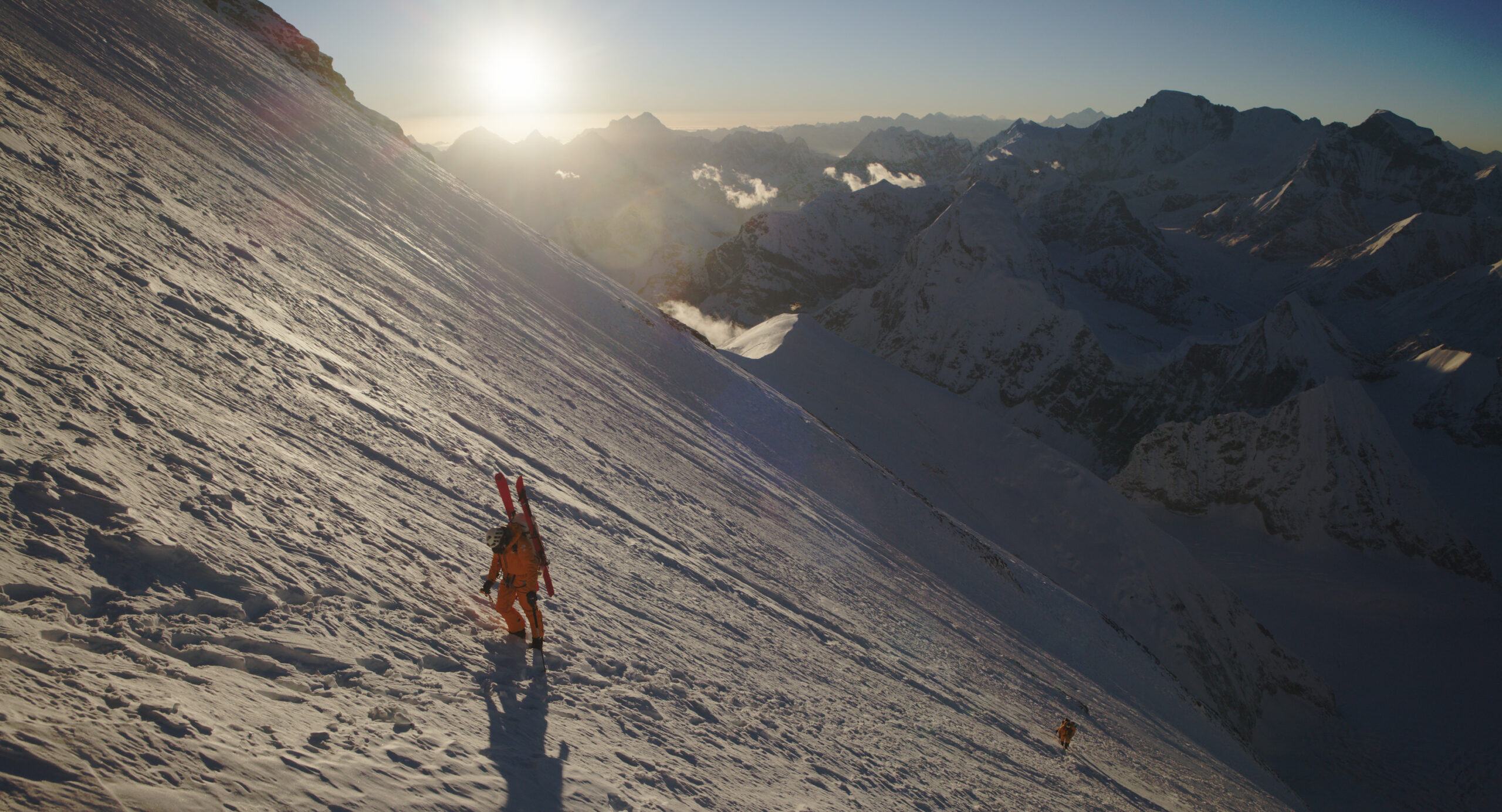
Beyond domestic relationships, the documentary addresses the commercial structure of Himalayan expeditions. While Morrison sought personal solace on the North Face following the loss of his partner, a team of local Sherpas undertook the labour that made the climb possible. Lead guide Pur Bahadur “Yukta” Gurung emerges as an authoritative presence on screen. When Yukta suffered a broken leg high on the mountain, the expedition was halted for an entire year to stage an evacuation.
The film captures friction among the local crew. In one blunt exchange, a Sherpa guide states openly that the team is under no obligation to obey every command from foreign climbers. The dynamic exposes the divide between Western athletes pursuing self-actualisation and Himalayan workers facing mortal hazard to earn wages for their families.
For Morrison, returning to Everest was an attempt to manage grief. Years prior to Nelson’s death, Morrison lost his first wife and two children in an aeroplane crash. His decision to continue skiing extreme slopes reflects a man who has integrated catastrophic loss into his daily routine.
“I am moved by Jim’s story,” Vasarhelyi says. “I find hope in his ability to live with grief. That seems unfathomable to me. The fear of loss is something we all struggle with. The idea that he has learned to live with his grief in a way that informs a meaningful life is important.”
Maintaining editorial boundaries with a grieving subject required careful discipline. “When you start to make a non-fiction film, you make a covenant with your participants,” she says. “I call them participants, not subjects. I trust them to trust me, and I trust them. I hold myself to journalistic standards and try to exercise restraint. A little goes a long way. I am not interested in making sensational films. I have never made a true crime or celebrity documentary. I am interested in characters, in the journeys they go on, and in getting close to the truth.”
That balance between spectacle and human cost defines the documentary. Vasarhelyi views the completed film as a definitive end to an era. The production proved physically and emotionally exhausting for everyone involved, marking a formal conclusion to her direct collaborations with Chin.
“I look at this film as an evolution,” Vasarhelyi says quietly. “It is certainly the last film that Jimmy and I will direct together, and it is the right film to be the last film.”
Everest: The Other Side opens in UK cinemas and on IMAX screens on Friday, October 30th 2026.