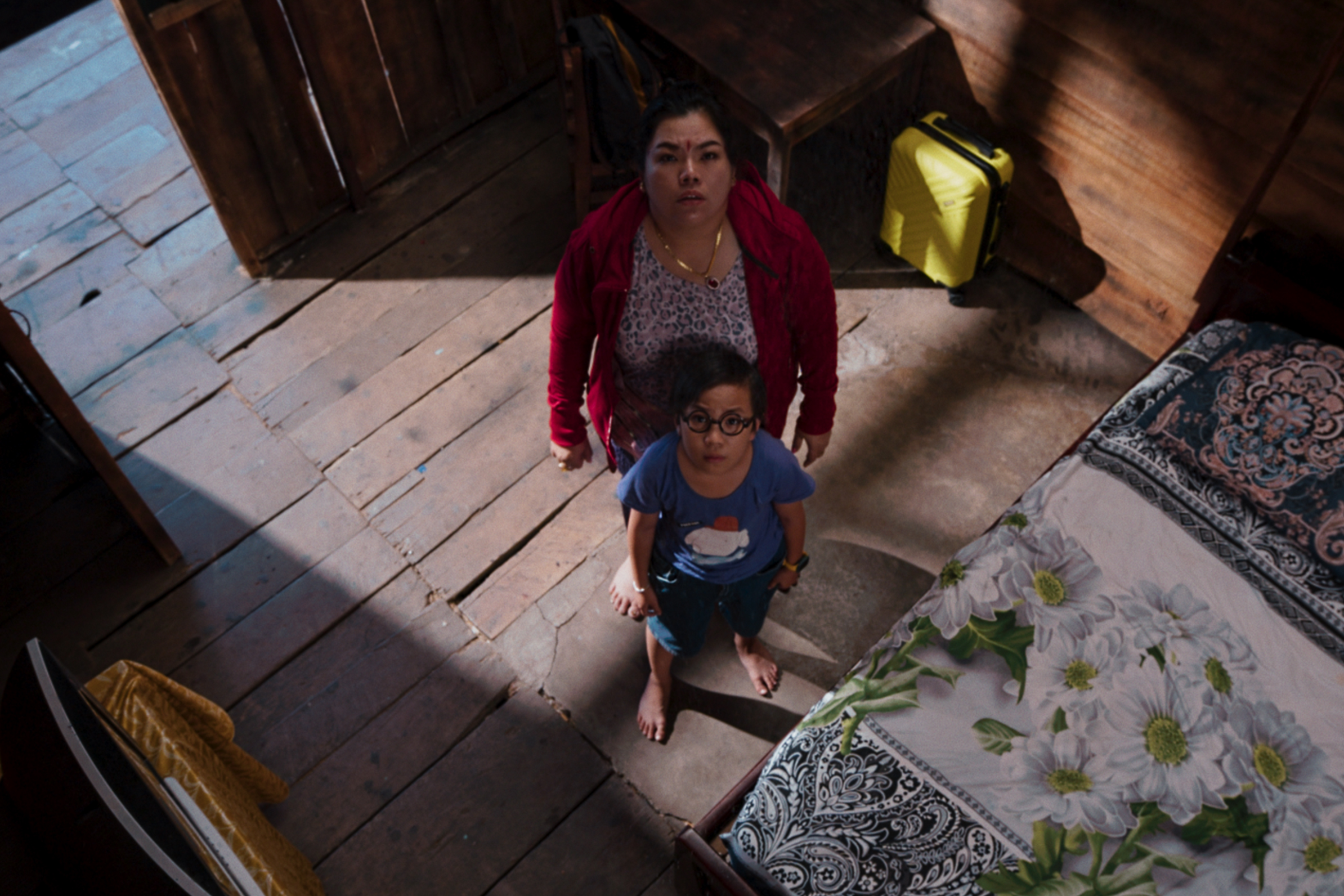
Kamila Andini has a direct answer for why Four Seasons in Java exists. The Indonesian director’s new film, a story of sexual assault and the systems that shield the men who commit it, was born in 2017 out of a legal void: Indonesia had no law against sexual harassment, and the women fighting for one were getting nowhere.
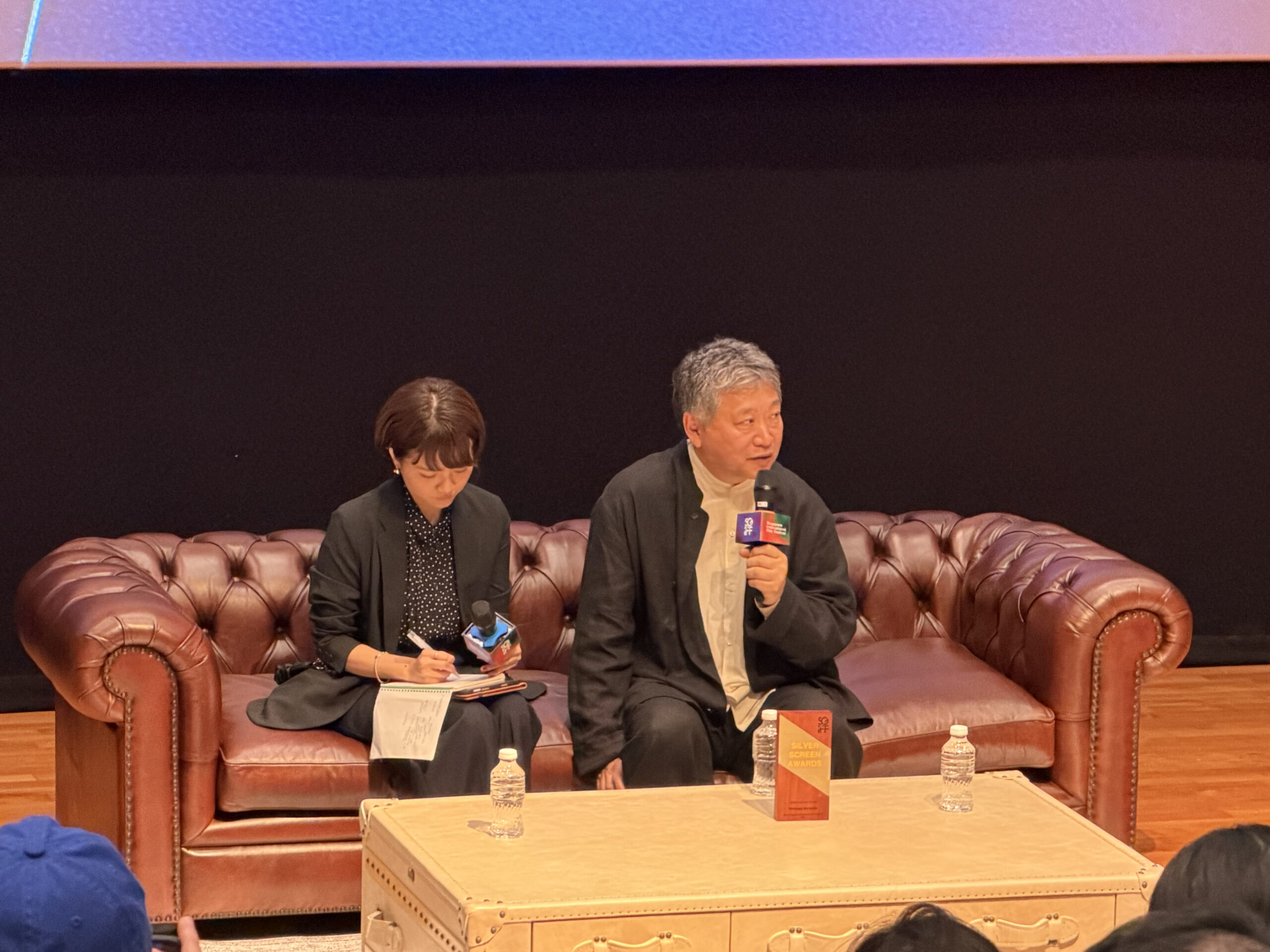
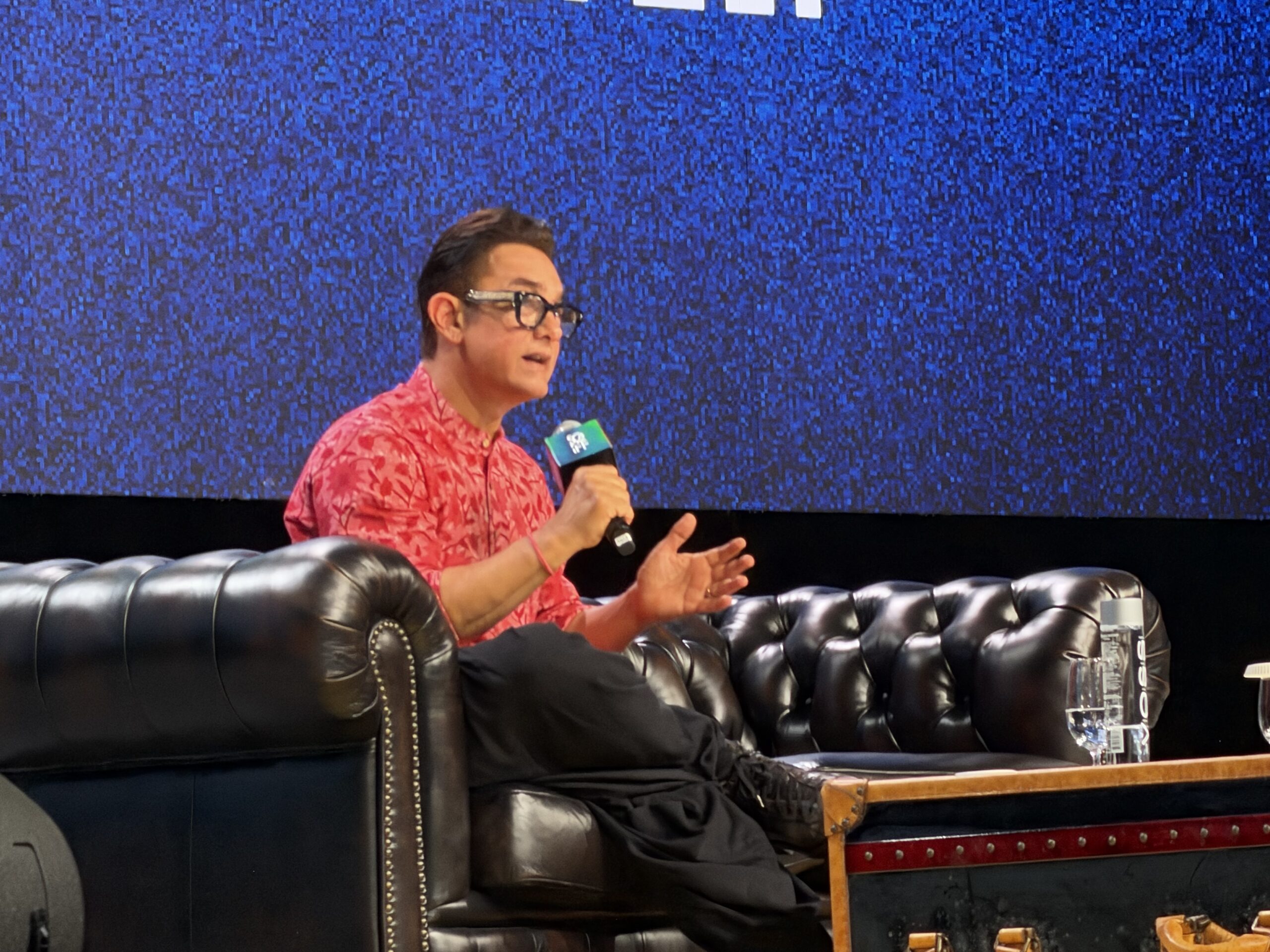
“At that time, the idea came because we didn’t have any regulation in terms of sexual harassment, Andini said, speaking at a Q&A after the screening at the 37th Singapore International Film Festival (SGIFF). “There have been a lot of women activists fighting for this regulation, and over the many, many years, it didn’t come through.”
The idea stayed with her for more than a decade. She finally wrote the film in 2023, after completing Cigarette Girl, and by then Indonesia had passed a law against sexual harassment. But she was careful to note the fight is unfinished. “Right now, we do have regulation, although the implementation still needs to be checked,” she said.
She also sensed the moment had changed. “There’s a different understanding of this subject in 2017 and today. There is a much more readiness to talk about it now.”
Read more: From Hong Kong’s Golden Era to Corporate Hollywood: Director Peter Chan’s Cautionary Tale
Even with a law finally on the books, the subject nearly defeated her.
“In the beginning, when I started to write it, I didn’t think I could make this type of film. I thought it was just too heavy. You don’t know how far, how deep you will have to go for this, and I didn’t know if I had enough capacity to do all of that and to portray and represent all of this,” she said.
What pushed her through were two things: her support system, and the news: reports of sexual harassment, she said, committed by people in power. “There were times when I paused when writing it, but when I read articles about sexual harassment in Indonesia, done by people in power, I felt like I couldn’t stop,” Andini said.
That support system included producer Ifa Isfansyah, her partner in real life, who joined her on stage and described a long, hard development on a small budget. His hardest task, he said, was finding backers who believed in her vision: “The most challenging part was actually finding support, not just in the financing.”
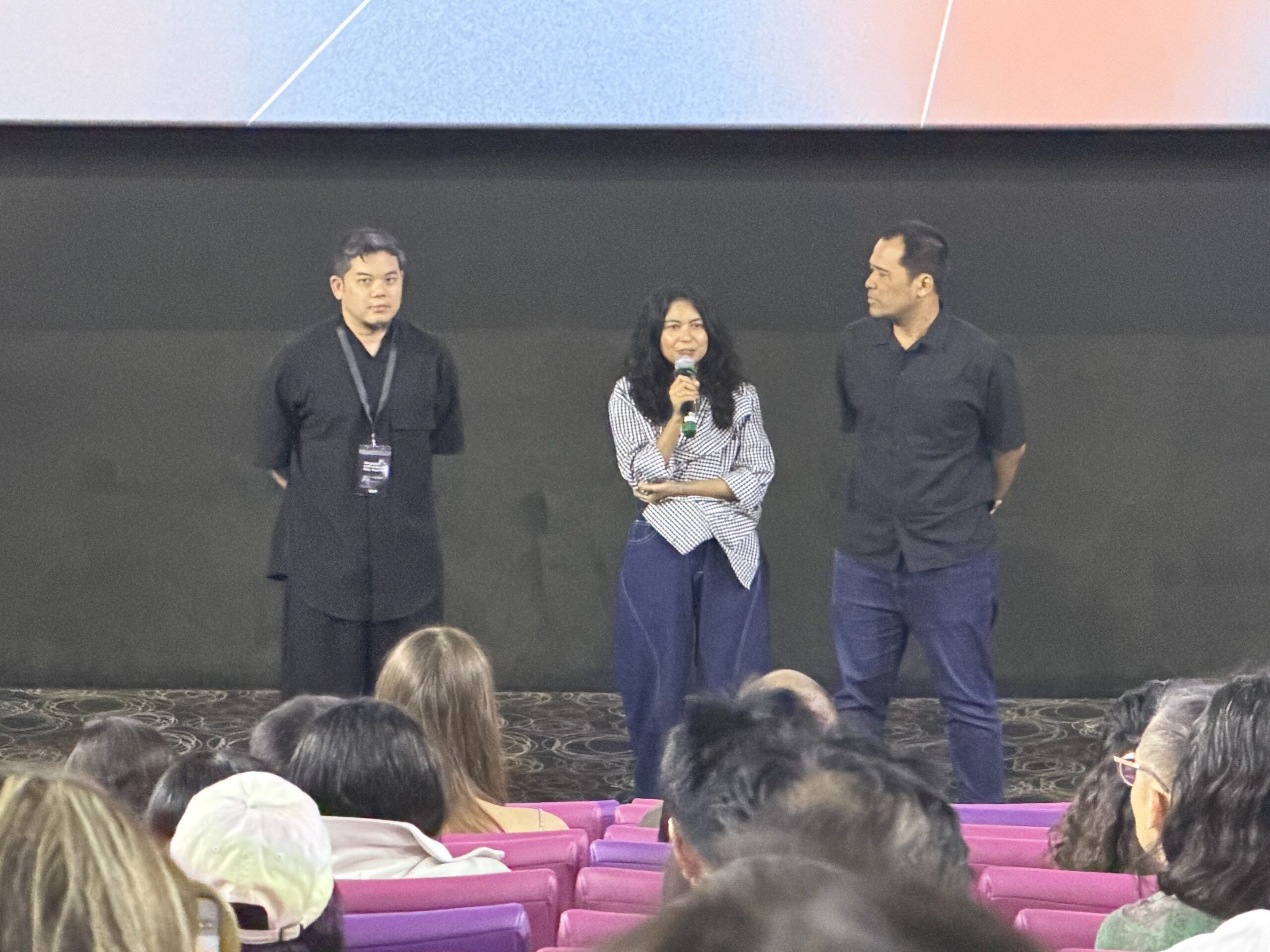
The film is anchored in research with the people the law failed. “We did a lot of research in the beginning. We brought in testimonies from the survivors and research from women activists, trying to bring out the complexity of the subject,” Andini said.
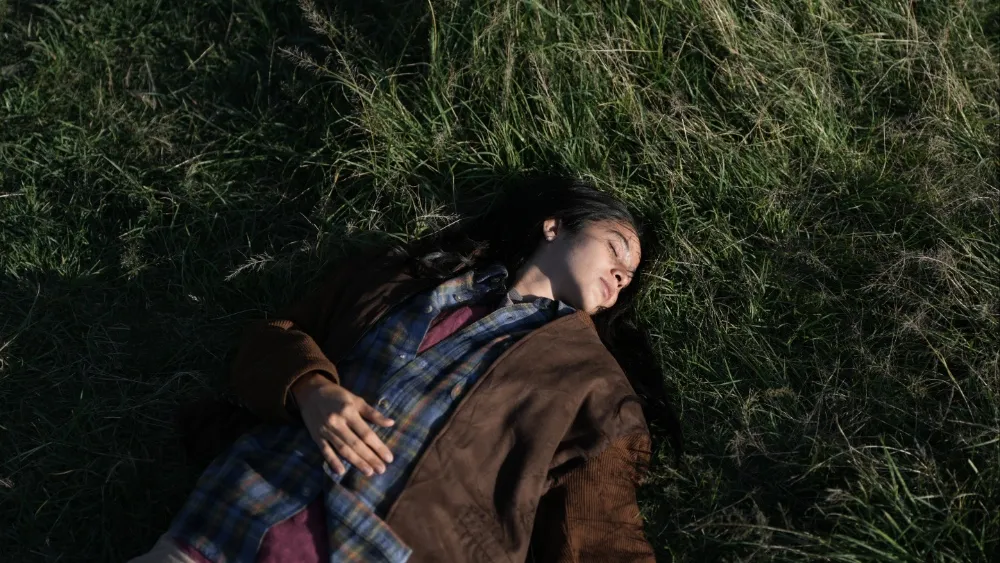
What survivors told her shaped everything, including the performance she asked lead actress Putri Marino to build as Pertiwi, a young woman rendered old by what she has endured.
“Some of them say that this kind of unfortunate event makes them feel like their life already ended, in a way. So the way they live is also very different. It’s like they’re dead, something is dead already inside, but they still live and breathe. And maybe they aren’t scared of death anymore because of it,” she said. “So how to make an actor not afraid of death, and that’s also something that we kind of look for.”
She also found a duality at the core of survival. “This is something that I also find when I talk to survivors, how they got empowerment out of it, but also it’s very destructive to them at the same time.”
The hardest part of any real case, Andini said, is not the violence but the doubt that surrounds it, especially when the accused hold power.
“When I follow a sexual harassment case, I’m torn between belief and disbelief,” she said. “This always makes the case very complex.”
That is why the film reaches for elements an audience can choose to believe or not: mythology, spiritualism, even a UFO. The assault at its centre, and the disbelief that shields it, are anything but fantasy.
When an audience member asked whether she feared government disapproval for portraying powerful men so unsparingly, Andini said the film implicates a whole system, not a list of villains, and that its sharpest edge belongs to survivors.
“What I want to portray is the intersectionality of this case: sexual harassment. So that’s what’s in the front. I want to show how an intersectional situation comes from all the people that are inside this conflict. With that approach and perspective, it should be reflective for everyone,” she said. “I know that it might hit differently for people who are in power who engage in corruption, but it hits harder for the survivor.”
Read more: Indonesian ‘Reacher’ Star Agnez Mo Cast in Nicolas Cage Cyber-Thriller ‘C.L.A.Y.’
The film, she added, has already been watched by the very institutions it implicates. “Actually, we had a screening where we invited a lot of people in the government to watch. The film got support from the government. I think what they said is, yeah, it hits them in a different way. The film is not pointing [at someone] – it’s asking the audience to be very reflective on what they do.”
For all its darkness, the film insists on hope. But Andini was blunt about why that hope had to be imagined rather than earned. Sexual violence in Indonesia is sustained by a system, she said, and a system offers no honest resolution.
“At the end, this is a very systemic conflict… Like you don’t have a solution unless you change the system, and it’s something very hard to do in Indonesia right now. So, but I wanted to have that hope, even if it’s a fantasy at this moment,” she said.
Before the screening, she told the Singapore audience what she hoped the film would leave behind. “This film humbles me in so many ways, and it gives me a lot of new perspective on seeing things. And I hope it is the same to you, the audience.”
Four Seasons in Java screened at SGIFF 2026. Quotes are from the festival’s public Q&A after the screening with Kamila Andini and Ifa Isfansyah.