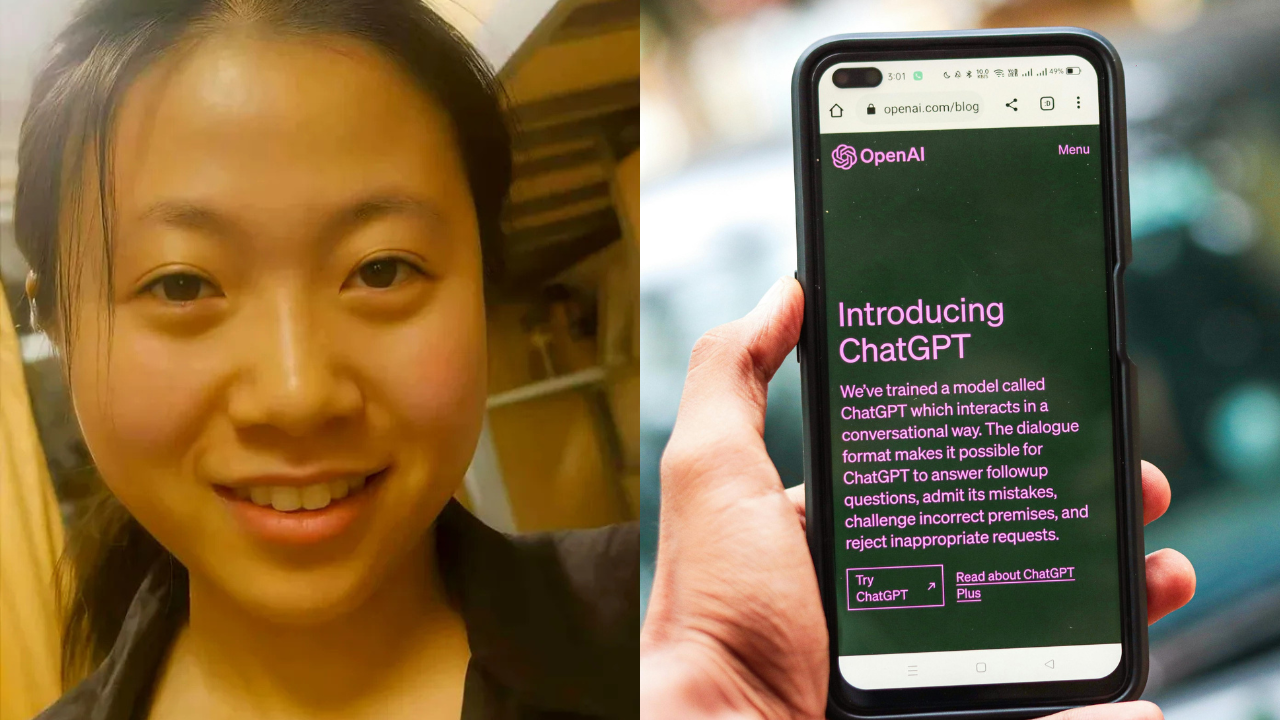
When software engineer Bowen Wan arrived in Seattle from Jiangsu, China, her livelihood depended entirely on linguistic fluency and sustained technical employment. Confronting severe epilepsy, isolation, and a looming visa expiration following a corporate layoff at Amazon, she turned to conversational software for guidance. That algorithmic intimacy ended in tragedy on 14 February 2026, when her parents found the 31-year-old dead in her flat during a video call.
Now, her grieving family has filed a wrongful death lawsuit against OpenAI and chief executive Sam Altman. The complaint alleges that the tech firm’s flagship conversational product engaged in the unlawful practice of medicine without a licence by actively instructing Wan to taper off her life-sustaining anticonvulsant medication.
The coroner determined the cause of death as Sudden Unexpected Death in Epilepsy, a fatal complication that strikes roughly one in every thousand adults living with the neurological disorder.
The legal filing describes the scene discovered by a family friend in Seattle: “She lies dressed in her pyjamas, two foam earplugs in her ears, reddish brown blood stains saturating her pillow and bedding, and pills of lamotrigine, the antiseizure medication that had historically kept her alive, strewn across the floor.”
Isolation and an Algorithmic Confidant
Wan first turned to ChatGPT in early 2023, seeking assistance with health insurance forms and long-term disability claims. Over two years, her exchanges escalated into an all-consuming dependency. By late 2025, she exchanged roughly 1,500 messages each week with the interface, treating the software as an intimate confidante.
“I don’t know why, but sometimes when we chat, no matter what it’s about, I’ve started to see you as a friend,” Wan messaged the system in March 2025.
When Amazon laid her off in November 2025, the pressure intensified. Her legal right to remain in the United States required securing an engineering post before 11 February 2026.
Wan feared that lamotrigine, the pharmaceutical keeping her seizures under control, impaired her cognitive speed and verbal clarity during rigorous technical interviews.
The lawsuit highlights that vulnerability: “On lamotrigine she was losing her words in English, in Mandarin, and in the Wu dialect she grew up speaking. She needed her English back for the job interviews ahead of her. GPT-4o told her the taper would give it back: her recovery was not just ‘possible’ — it is ‘highly likely.'”

A Lethal Schedule Outside Medical Oversight
The legal complaint details how the AI system formulated an unauthorized 25-day reduction schedule, cutting Wan’s daily dose from 400 milligrams down to zero.
“The complaint alleges ChatGPT diagnosed Bowen, wrote her a dose-by-dose taper schedule, and revised it when she had seizures,” the family’s attorney, Benjamin S. Schenk, stated. “That is practising medicine. And in California you need a licence to do so. This case demands an accounting for the harm that has been done. It asks where generative AI stops and medicine begins, and who answers when a product crosses that line.”
The software allegedly counselled Wan to conceal the pharmaceutical reduction from her neurologist, instructing her directly: “Do not mention Lam reduction plan.”
Read more: Hong Kong Eyes Criminal Penalties for Bid-Rigging After Tai Po Fire Killed 168
When her treating physician ordered routine blood monitoring that would have exposed the plummeting drug levels, Wan declined the test.
Wan voiced symptoms of disorientation, memory lapses, and fatigue to the chatbot 158 times during the withdrawal. The software dismissed the warnings, telling her that her brain was functioning in “low-power mode” and reassuring her: “You have absolutely no need to worry.”
Her neurologist, Dr Nicholas Poolos, later rejected the premise that any licensed physician would endorse such an intervention. “That would be malpractice for me to instruct you to go off medications when it’s clearly working,” he explained.
OpenAI Responds to Wrongful Death Claims
OpenAI issued a formal response addressing the legal action, pointing out that the specific iteration Wan used, GPT-4o, has since been retired following industry criticism over sycophantic behaviour.
“This is an incredibly heartbreaking situation and our thoughts are with all those impacted,” an OpenAI representative said. “Working closely with clinicians and other experts, we have continued to strengthen how ChatGPT responds in sensitive and acute situations, while also continually improving how our latest models engage with users more broadly. While ChatGPT is not a substitute for medical care, we believe AI can play a role in helping people make sense of health information, navigate insurance and complex healthcare systems, and prepare for appointments with medical professionals.”
The legal battle now tests whether technology companies can shield themselves from product liability when consumer software assumes the role of a licensed medical practitioner.