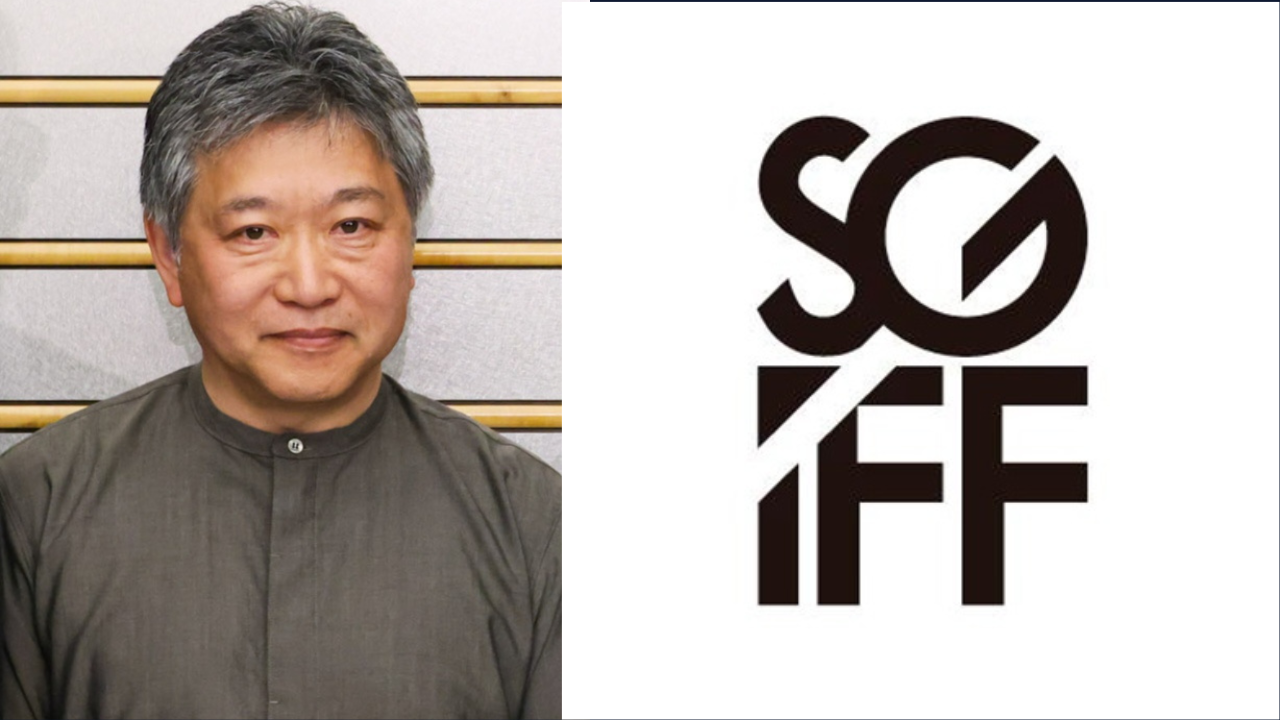
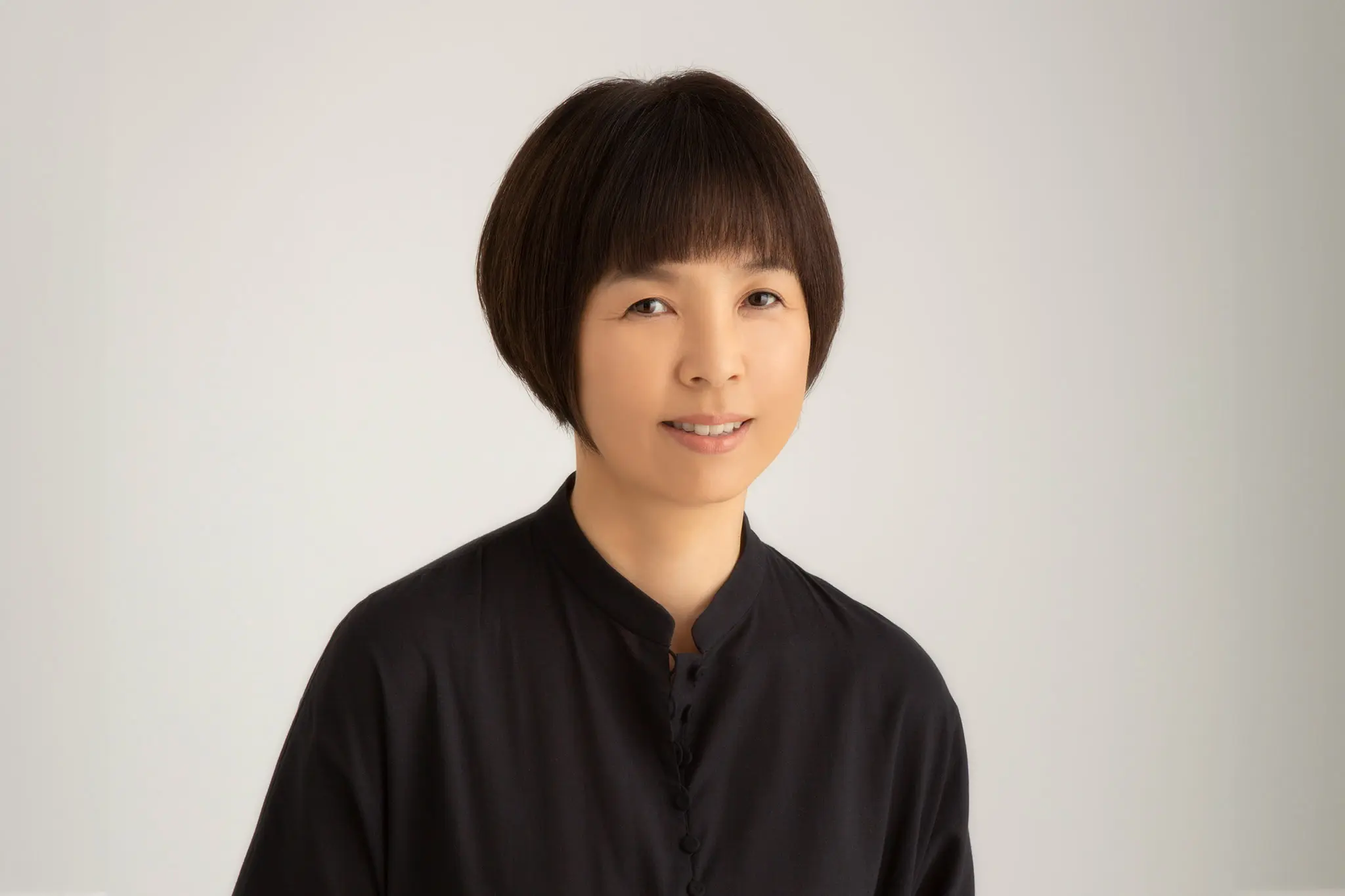
After two decades spent building worlds on the page, best-selling Japanese author Maha Harada is stepping behind the camera.
At 64, Harada makes her feature directorial debut with In My Father’s Room, adapted from her own short story An Unnecessary Man. The film will premiere in competition at the San Sebastian Film Festival before heading to the Busan International Film Festival. Bitters End has already sold the film to France, Korea, Taiwan and Hong Kong, with further territories under discussion.
For Harada, moving from fiction to filmmaking was a natural progression.
“When I write fiction, I tend to depict scenes and the characters’ inner lives as if looking through a camera,” she says.
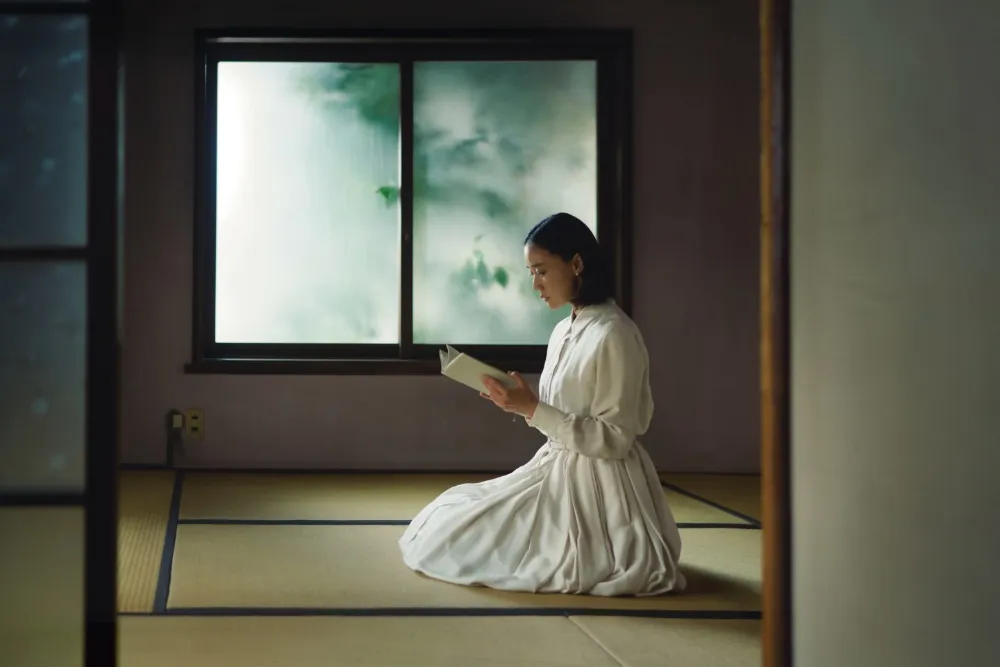
Her background as a museum curator also influenced the way she approached storytelling. In My Father’s Room follows Satomi, an art museum worker who knows little about her father, Yuichi, until after his death. The story is set in a town Harada once lived in, allowing her to draw on places she can still visualize in precise detail.
She describes it as an ordinary, universal story about a father and daughter, intentionally avoiding mysteries, schemes or sensual drama.
The character of Yuichi also has deep roots in Harada’s own family. Her father sold art books, loved film and gambling, and “never stopped causing trouble.” Yet he also introduced his daughter to Picasso when she was 10 and took her to see Gone with the Wind and The Castle of Sand when she was 12.
It was only after his death, Harada says, that she understood how much he had taught her.
Read more: The Top Asian Films At TIFF 2026 Prove That Global Cinema Has Changed
At the heart of the film is a question of how we define a meaningful life. Harada challenges the idea that a person’s worth should be measured by their usefulness or conventional success.
“Whether or not you’re happy is something you decide for yourself,” she says.
She believes a person can live happily while pursuing things whose value may be visible only to themselves. Yuichi’s decision to die alone after dedicating his life to what mattered to him may be extreme, she acknowledges, but “no one can call his life anything other than happy.”
Harada also builds the film visually around two artistic traditions: the Japanese tea ceremony, or chanoyu, and the paintings of Mark Rothko. She sees both as expressions of beauty and spirituality, with Rothko providing a Western counterpart to the quiet symbolism of the tea ceremony.
The transition from novelist to director, however, required Harada to relinquish some control. Her assistant director initially asked, “Isn’t there too much stage direction?” Harada realized that novels are essentially “almost entirely stage direction,” with writers controlling what readers see. On a film set, she learned to give collaborators more room to interpret the material.
She subsequently cut the script repeatedly, eventually reducing the dialogue substantially.
Read more: A Cinema Without Borders: Inside the Hong Kong Film Festival UK
That process was particularly evident in her work with Yu Aoi and Issey Ogata. Harada praises Aoi’s ability to communicate despair through almost imperceptible actions, recalling a scene in which Satomi returns home after being laid off and simply leaves the tap running. She says she sometimes forgot to call “cut” while watching Aoi perform.
Ogata, meanwhile, brought warmth and lived-in humanity to Yuichi, including a tea ceremony performance Harada calls one of the film’s biggest highlights.
Now, Harada hopes her first film will not be her last.
“If this is a dream, I hope I never wake up,” she says.
She plans to continue writing novels while directing more films, a combination she admits will be twice as hard, but, she believes, twice as wonderful.