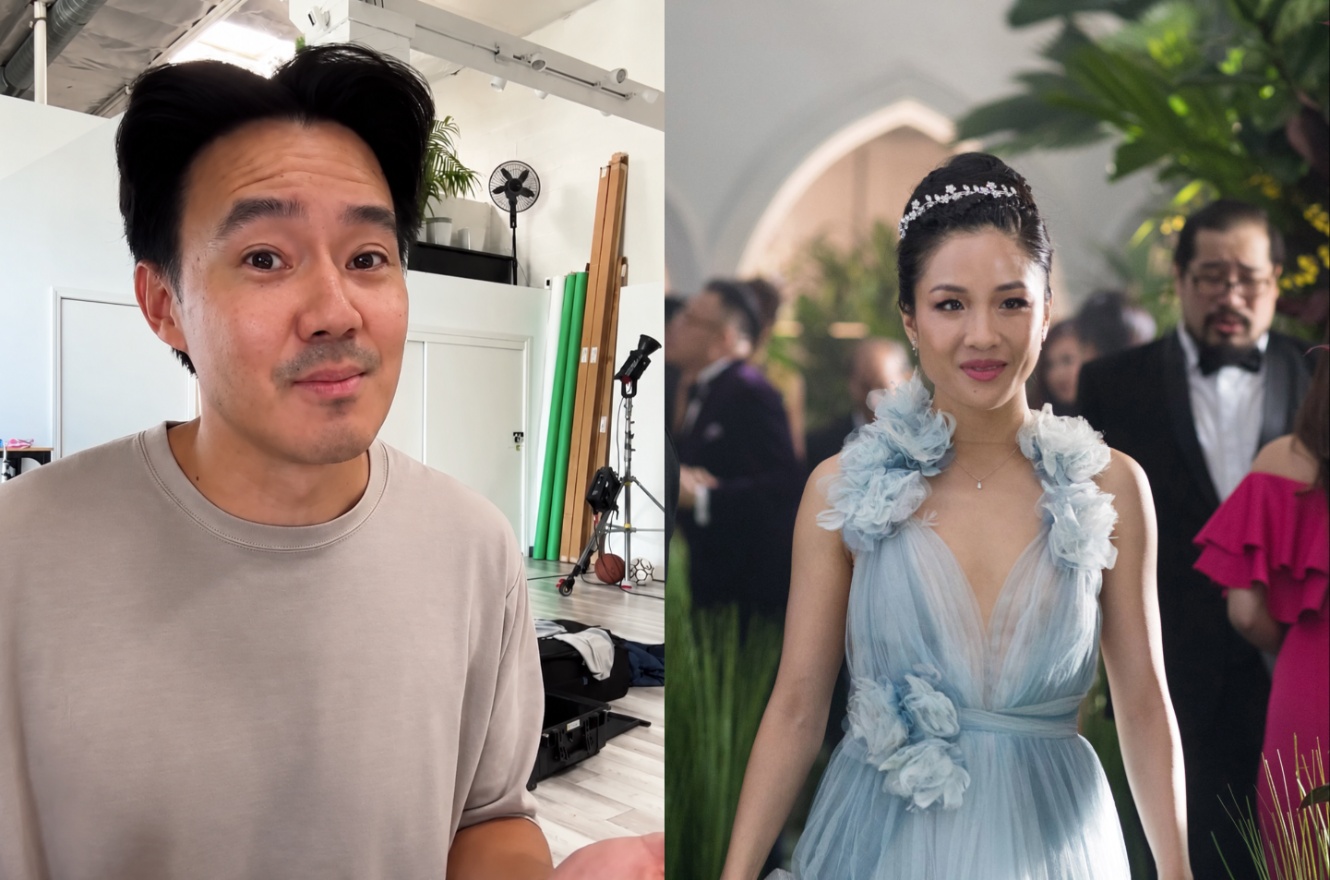
The Crazy Rich Asians era of Hollywood may be over, according to Wong Fu Productions co-founder Philip Wang, who says Asian Americans are facing a sharp reversal in representation just eight years after the unexpected success of Crazy Rich Asians.
“The Crazy Rich Asians bubble has burst, and more people need to be talking about it,” Wang says in a new video posted through his new creative venture, Saturday School.
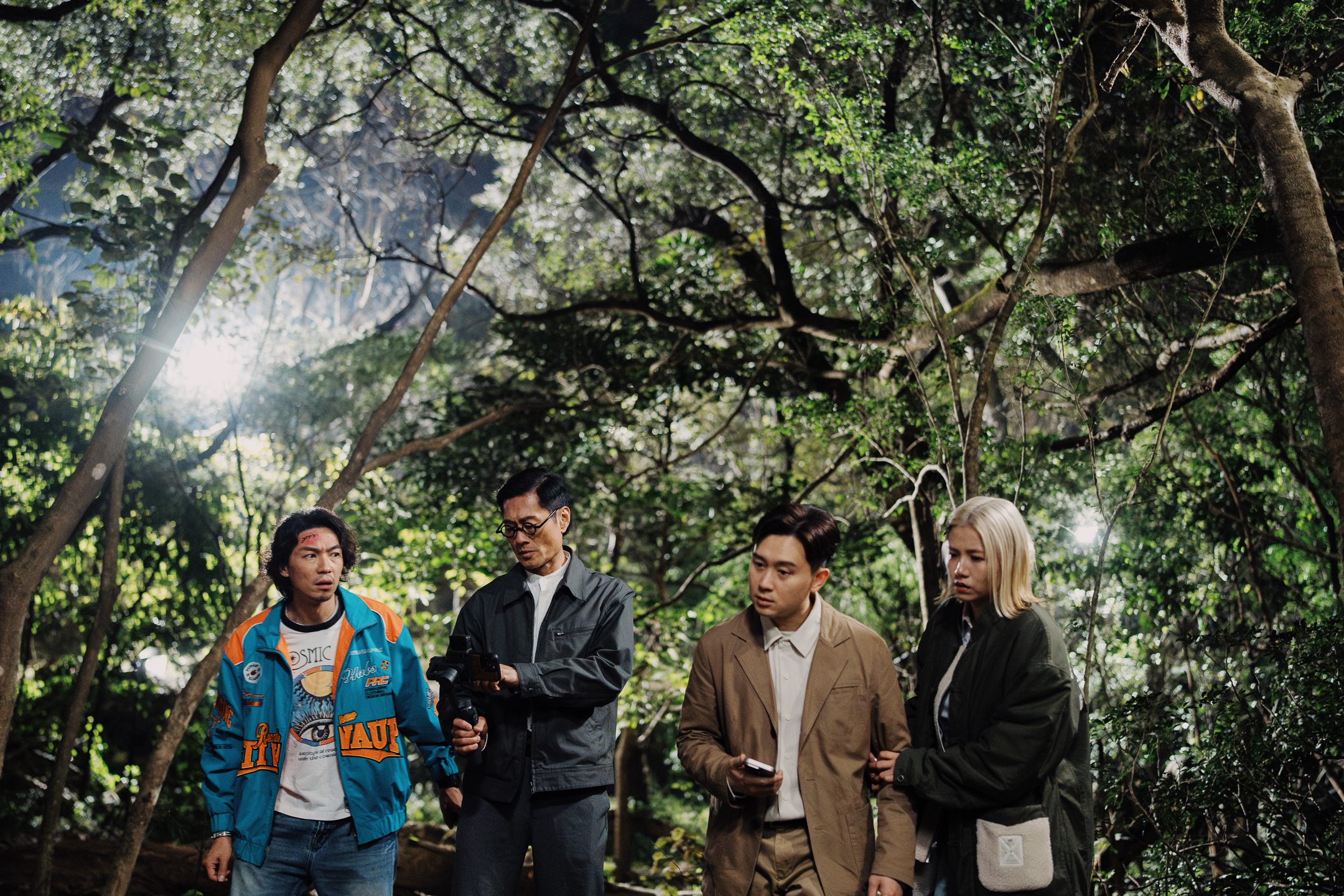
Wang opens by pointing to CBS’ upcoming show Cupertino as what he sees as a particularly clear example of where Asian Americans currently stand in the entertainment industry.
“Based on the trailer, it features virtually no Asian people,” he says. “For those who don’t know, Cupertino is a city in the San Francisco Bay Area that’s like 70% Asian, and this show has the audacity to be about that city and Silicon Valley and not cast any Asian leads.”
For Wang, the issue is bigger than one television show. He uses Cupertino to illustrate what he sees as a dramatic shift in Hollywood’s appetite for Asian American stories compared with just two or three years ago.
“Now, I made this up—it’s not like a real term,” Wang explains. “But basically, after the unexpected success of Crazy Rich Asians in 2018, Hollywood got a little wake-up call.”
For the first time in 25 years, Wang says, “a big-budget major studio film with an all-Asian cast made a ton of money, and everyone in the business wanted to hop on the bandwagon.”
“Interest in Asian-American scripts and shows changed immediately,” he says. “And I remember after CRA came out, I heard from my friends in the industry that studios were buying up anything Asian-related.”
Wang, who had already spent more than a decade working in the Asian American film space at the time, describes the period that followed as unprecedented.
“It was a wild and flourishing time for our community in the traditional industry,” he says, as a wave of Asian-led and Asian-centered projects followed in the years after Crazy Rich Asians.
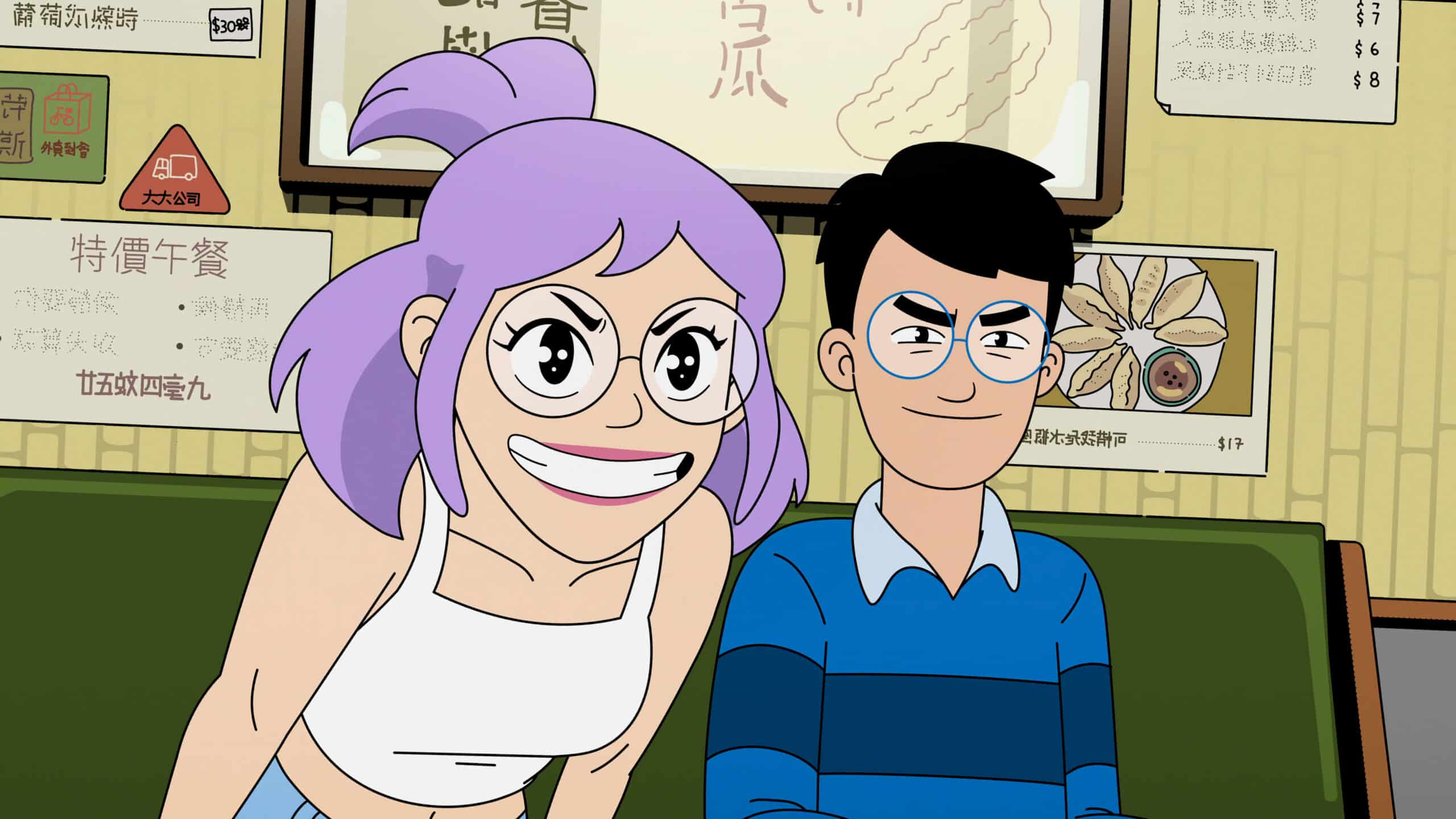
For audiences, he points to films and shows including Shang-Chi, Everything Everywhere All at Once and Beef as examples of the mainstream success that emerged during that period.
“As someone who had already been deep in the Asian-American film space for over a decade, this shift was unbelievable to see,” Wang says. “It felt like we made it because there really was so much stuff in those years after CRA to agree we’d never experienced before.”
“At every month, there was a new premiere or red carpet to go to,” he adds.
But Wang argues that the boom had a clear ceiling.
View this post on Instagram
He has compiled what he describes as a “pretty complete list” and graph of major API-led movies and shows with wide releases since 2018, using it to track the rise and subsequent decline of Asian-led projects.
According to Wang, there was a significant spike in films in 2019 and 2020, followed by further growth in television and film that eventually reached a peak in 2022.
He notes that movies tend to move faster than television, meaning the projects audiences are seeing today can still be the result of decisions made years earlier.
That, he argues, is important when looking at the current landscape.
“Why do I say the bubble has burst?” Wang asks.
“We need to keep in mind that movies and shows take years to create, so a lot of what we’re seeing even now are still the results of what was greenlit during the bubble back then.”
But Wang says the warning signs are becoming increasingly difficult to ignore.
“If you look at the drop-off of announcements, you look at what shows have been canceled and what projects have been scrapped or shelved, you look at who’s been cast or being replaced, and you look at our successful Asian-American filmmakers and what they’re making next, the writing’s on the wall.”
“We hit a plateau,” he says, “and we’re about to go off a cliff that’s taking Asians back to the years before CRA.”
In Wang’s view, that would mean returning to a familiar Hollywood landscape: “a few major projects here and there to rally around, and some Asian actors in ensemble casts or supporting characters, and that’s it.”
“Nothing like the full, unapologetic Asian cast we saw earlier this decade.”
Wang attributes the shift to several factors, many of which have affected Hollywood broadly.
“The past few years have hit the industry hard in general, with multiple union strikes, the arrival of AI and massive layoffs due to dipping revenue from a slumping economy,” he says.
“All the purse strings are tightening in the industry, and less of it is being made overall. And that impacts Asian-American projects disproportionately because we already had so few things to begin with.”
But Wang also points to the political climate surrounding diversity, equity and inclusion initiatives.
“And I’m not even trying to be political, because you know I have no problem with that,” he says, “but this administration’s attacks on diversity, equity and inclusion programs have had real effects on studios.”
Read more: ‘Harold and Kumar Go to White Castle’ 20 Years On: How a Stoner Comedy Changed Asian American Cinema
“Without DEI, the boardrooms no longer felt the pressure to pursue Asian projects the same way and saw an excuse to back away and be more safe—which really means more white.”
He says that environment has also affected the choices being made by Asian American creatives who have already established themselves in Hollywood.
“With this being the climate in the industry, most of our leading Asian-American producers, writers and directors are all going to where the work is and, unfortunately, not pushing to make Asian projects as much as they did just a few years ago.”
“Which, to be honest, is disappointing and unfortunate to see, because this is when we actually need them the most.”
For Wang, however, the purpose of speaking out isn’t simply to criticize Hollywood or declare the situation hopeless.
“I don’t bring this all up just to complain and be hopeless,” he says. “But I also don’t want to just give empty praise and cheers when there’s an actual problem we’re facing that requires real systemic solutions and personal initiative.”
He is particularly critical of the tendency to continue holding up Crazy Rich Asians as proof of how far Asian representation has come.
“I still hear folks in the industry talking about CRA as this beacon for Asian excellence,” Wang says. “And I have to remind them that that movie is eight years old.”
“We can’t be holding on to the past when our present needs a lot of work.”
That, Wang says, leaves Asian American creators with a choice.
“We can let the industry take us backwards, or we can take matters into our own hands.”
Wang says he intends to do the latter through Saturday School, the creative platform he is now building.
“I want to be part of the solution, and I’m putting in the work with projects I’m creating through Saturday School,” he says.
“I refuse to be driven off a cliff or forced to make stuff that’s inauthentic to me.”
His frustration with Hollywood is ultimately matched by a belief in the Asian American community itself.
“The industry may have treated us as an expendable fad,” Wang says, “but I’m inspired by our community every day and think this is actually the most important time to prioritize telling our stories.”
View this post on Instagram
And for Wang, the timing is precisely the point.
“Not when it’s easy and when it’s trendy,” he says. “But when it’s hard.”
After years of celebrating Crazy Rich Asians as a breakthrough, Wang is arguing that the real test of Asian American representation isn’t what Hollywood does when the market is enthusiastic about Asian stories.
It is what happens when that enthusiasm disappears.
His answer is to stop waiting for another bubble — and start building something that can survive after it bursts.