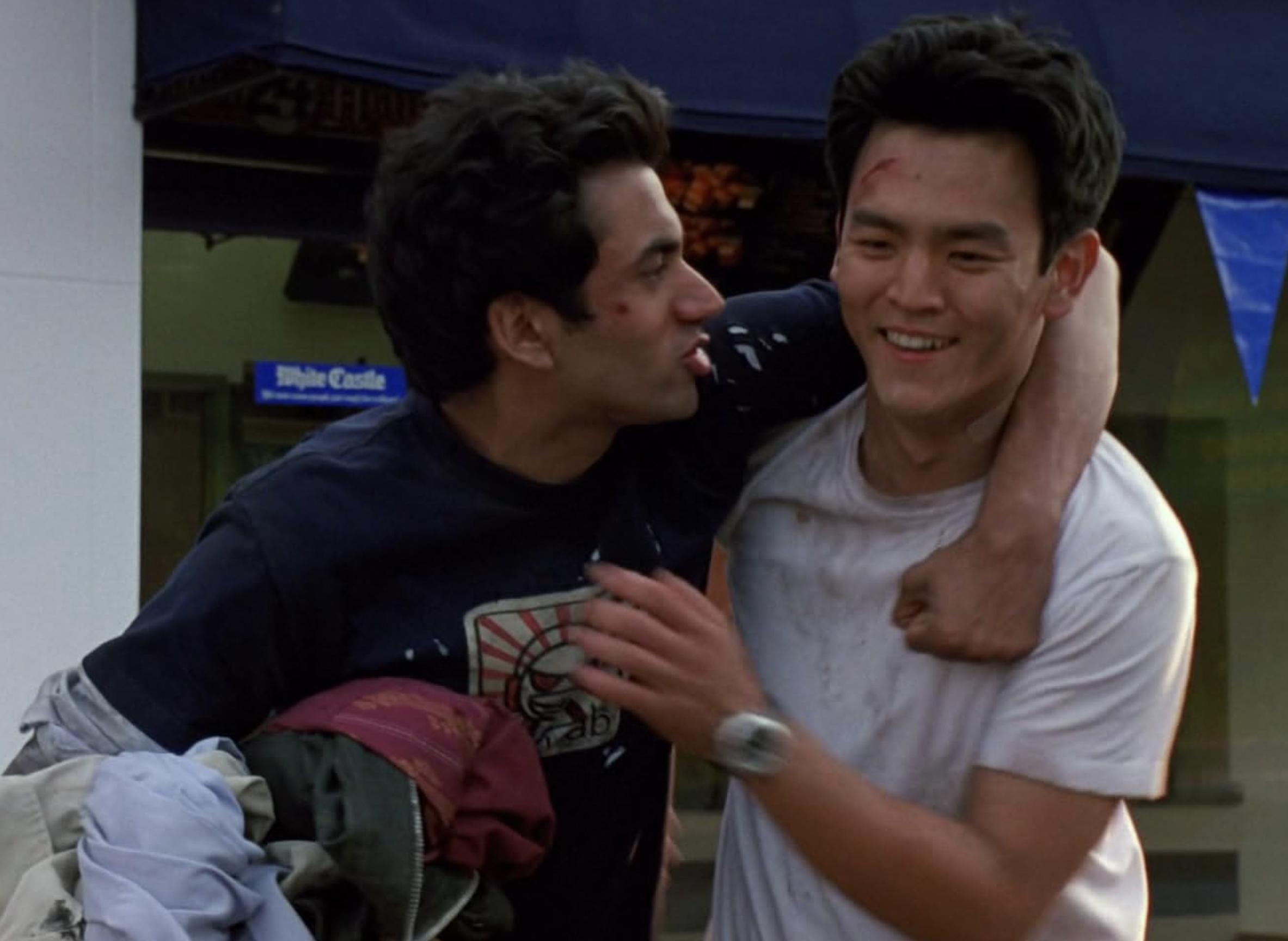
In the summer of 2004, Hollywood released a comedy about two stoners driving through New Jersey to buy sliders. On the surface, the film belonged to a well-worn tradition of American cinema, following the exact footprints of the slackers who came before them. Yet the release of Harold & Kumar Go to White Castle marked a structural shift in American media. For the first time in a major studio project, two Asian American actors occupied the centre of a mainstream comedy. They were not martial artists, ancient mystics, or heavily accented store clerks. They were ordinary, flawed American college graduates trying to satisfy a midnight craving.
Before this project, Asian representation in Western cinema operated within strict boundaries. Actors faced a system that viewed them through an exoticized or secondary lens. Studio executives consistently relegated Asian talent to background roles or specialised action genres, operating under the assumption that Western audiences would not accept Asian leads in everyday American contexts. Jon Hurwitz and Hayden Schlossberg wrote the script specifically to challenge these assumptions. They based the characters on real friends from their youth in New Jersey, creating a framework where ethnicity was a natural part of identity rather than the punchline of a joke.
John Cho and Kal Penn were rising figures in the industry but remained constrained by the limited roles available to them. Cho had gained recognition through brief appearances in the American Pie films, where he popularised an internet acronym but remained nameless on screen. Penn had found work in standard teen comedies like Van Wilder, frequently playing caricatures that leaned heavily on foreign accents. Both actors were highly educated and politically conscious, acutely aware of how the industry flattened their identities. The roles of Harold Lee and Kumar Patel offered a departure from this pattern, presenting characters with distinct personality traits that had nothing to do with standard Hollywood archetypes.
The central conflict of the film relies on the specific personalities of the two leads. Harold is an investment banking analyst who struggles with assertion, carrying a heavy workload because he cannot say no to his white colleagues. Kumar is an exceptionally brilliant medical school applicant who purposefully sabotages his interviews because he refuses to follow his father’s traditional path. The writers inverted traditional assumptions, making the East Asian character the one who needed to loosen up, and the South Asian character the rebellious slacker who smoked marijuana. Their ethnicity influenced their family backgrounds and social interactions, but it did not define their human value or limit their behaviour.
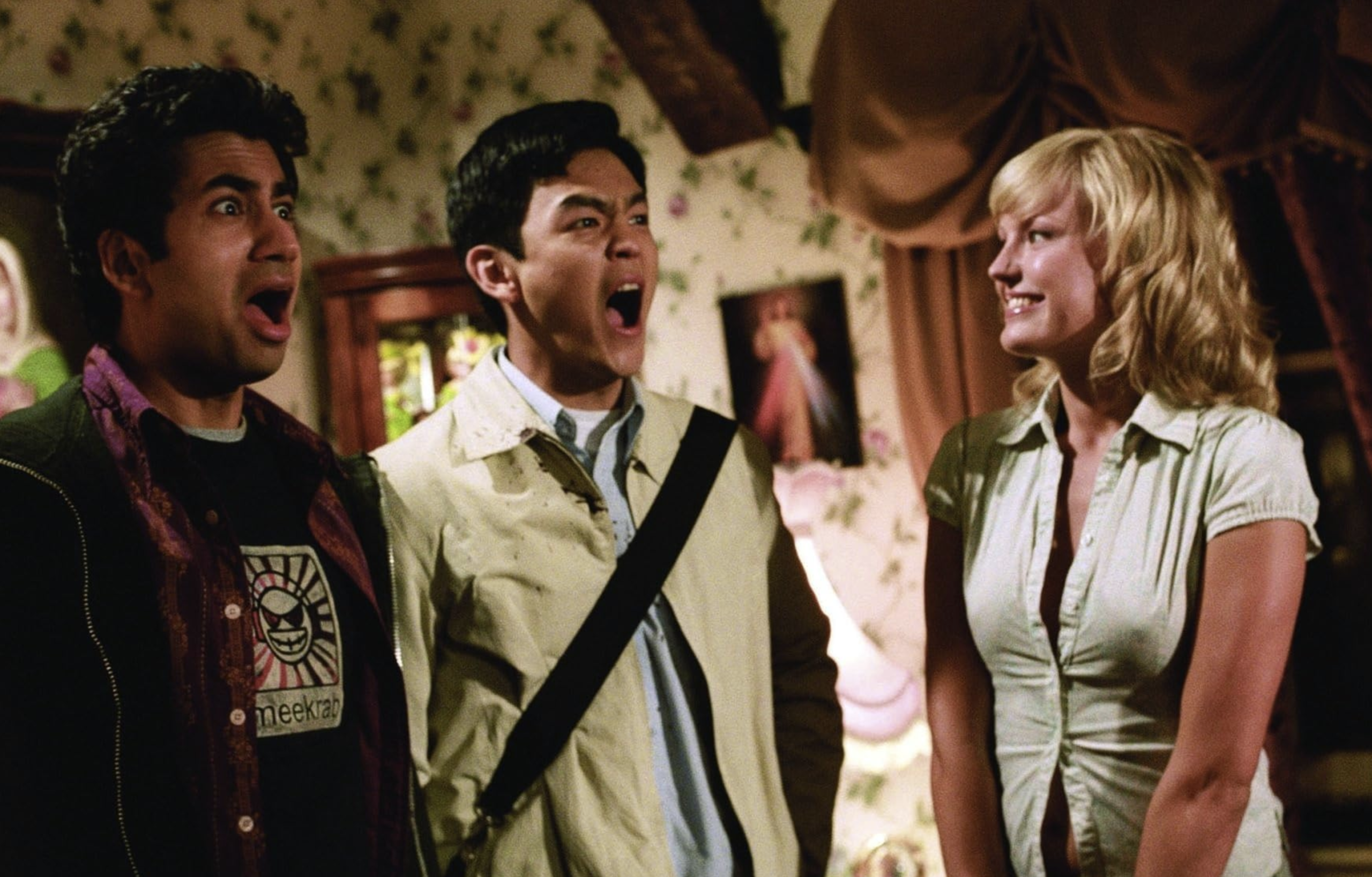
The antagonists in the film highlight the systemic biases of post-September 11 America. Harold and Kumar do not battle cartoon villains. They encounter racist police officers, entitled white suburban youths, and institutional structures that treat them with immediate suspicion. One crucial sequence involves Kumar being detained by a officer under the assumption that he is a security threat, turning a standard stoner comedy trope into a sharp commentary on racial profiling. The film uses these moments to expose the hostility of the surrounding environment, allowing the protagonists to outsmart their oppressors through intellect and resilience.
Production faced significant hurdles, particularly regarding the title and the casting. Independent financiers originally expressed interest but insisted on replacing the leads with white actors to secure international sales. New Line Cinema eventually backed the project, allowing the creators to retain the original casting vision. The studio faced resistance from the White Castle corporate office, which hesitated to associate its brand with a film centred on drug use. The company relented after learning that the characters would treat the fast-food establishment as a legendary destination, turning the corporate brand into the ultimate goal of an epic quest.
The release provoked intense discussion among cultural critics and audience members. Some commentators expressed concern that a film focusing on recreational drug use would damage the public image of Asian Americans, who often faced pressure to conform to the model minority myth. Others recognised that the right to be foolish, irresponsible, and vulgar on screen was a form of political progress. True equality in cinema means having the freedom to play regular, imperfect people who get lost on the way to a burger restaurant. The film stripped away the burden of representing an entire community perfectly, allowing the characters to be human first.
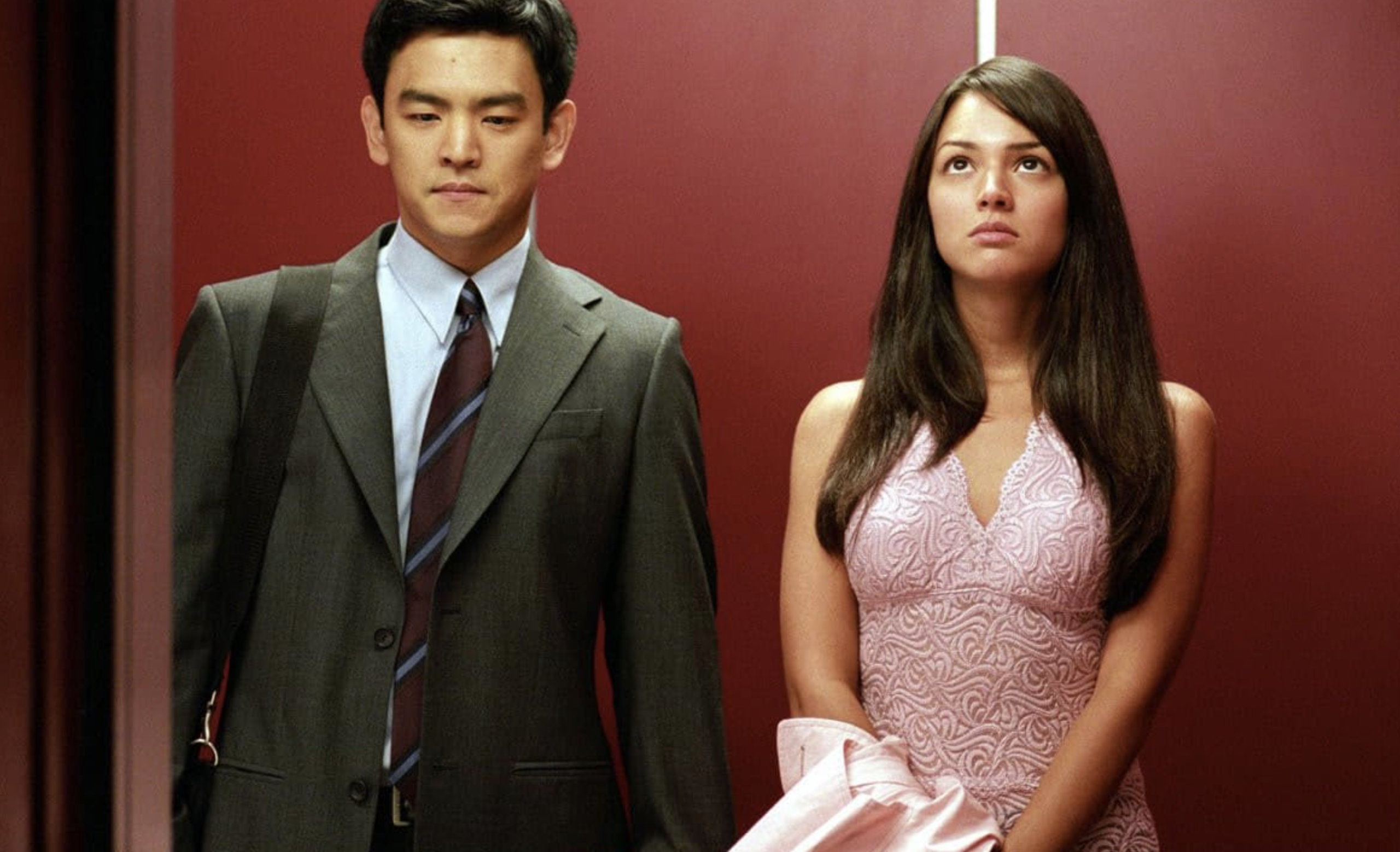
The legacy of the film shaped the subsequent careers of both leads, opening doors that had been closed for decades. John Cho transitioned into mainstream dramatic and genre roles, eventually playing Sulu in the Star Trek reboot and starring in the thriller Searching, which made him the first Asian American actor to headline a major contemporary Hollywood thriller. His career proved that an Asian American man could lead studio franchises and carry complex emotional narratives.
Kal Penn pursued a path that mirrored the political awareness of his characters. He took a sabbatical from acting to serve in the Obama administration as an Associate Director in the White House Office of Public Engagement, utilising his platform to connect with young voters and marginalised communities. He later returned to television, starring in Designated Survivor and producing independent projects that explore the immigrant experience in America.
Read more: The Hong Kong Cinema Renaissance
The success of the film laid the groundwork for a generation of filmmakers and actors who refused to accept traditional industry limitations. Projects like Crazy Rich Asians, Beef, and Always Be My Maybe exist because Harold and Kumar proved that audiences would buy cinema tickets to see Asian characters navigate romance, comedy, and everyday life. The film demonstrated that diverse casting does not alienate audiences, it enriches the comedic landscape by introducing fresh perspectives and authentic cultural realities.
Two decades after its debut, the film remains a landmark achievement in modern film history. It accomplished its goals not by lecturing the audience on diversity, but by delivering a highly successful commercial comedy that treated its leads with complete dignity. By allowing Harold and Kumar to be chaotic, funny, and entirely American, the film dismantled decades of restrictive casting practices, proving that the most revolutionary act in cinema is sometimes the simple depiction of ordinary human experience.