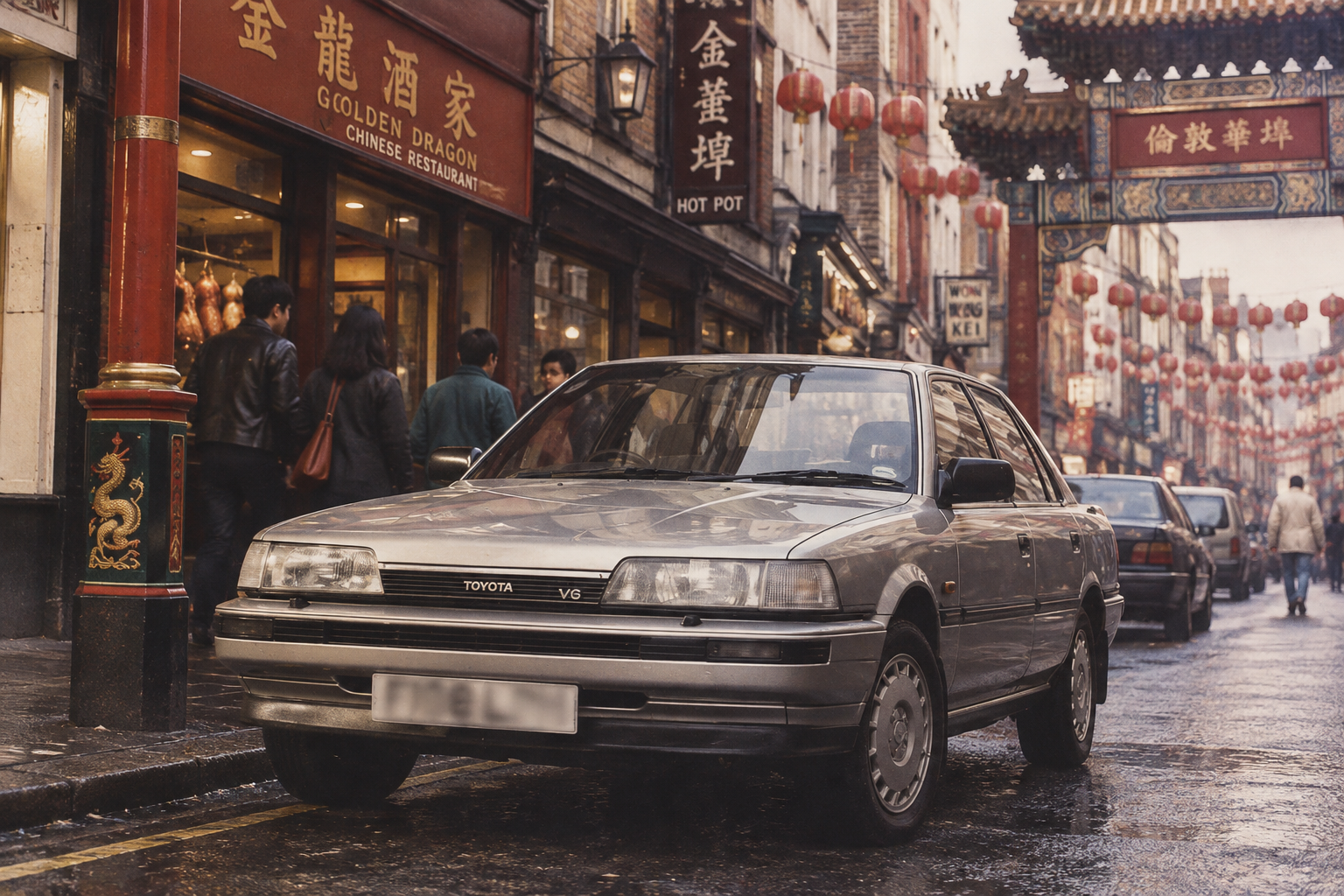
Ours was a 1991 Camry in the dullest tone of silver, furnished with overly spongy seats dressed unfashionably (albeit with delicate precision) in lilac-blue fabric. I’m pretty sure this car rolled out of the factory looking retro already; I simply can’t imagine a time that this no-imagination sedan ever looked modern. But within its four walls and wind-up windows, memories and childhoods were sprouting, and something about it felt uniquely rooted in Asian culture.
The family Toyota is not a status symbol but rather an archive machine. It’s a reliable, modest car which transported several generations to school, to work, to dinners, and to new lives, thereby becoming an archive of those moments which define us.
Forget horsepower, handling, and even styling, and focus instead on other questions: “What’s the price?” “How much is the road tax?” “Is it reliable?” “What is the cost of servicing?” “How much petrol does it consume?” and “How many years can we keep it for?”
Read more: Mory Sacko Explores Japan’s Food Culture In ‘Food Samurai’ For Disney+
“Why do you need such an expensive car?” is the last question that captures the philosophy many Asian parents live by: a car is a means, not an award. It needs to work properly, cause no trouble, and, preferably, serve for more than ten years. In this worldview, it is hard to understand why a person buys a car just to satisfy his ego if a reasonable option exists. [This also goes for most things Asian parents would buy.]
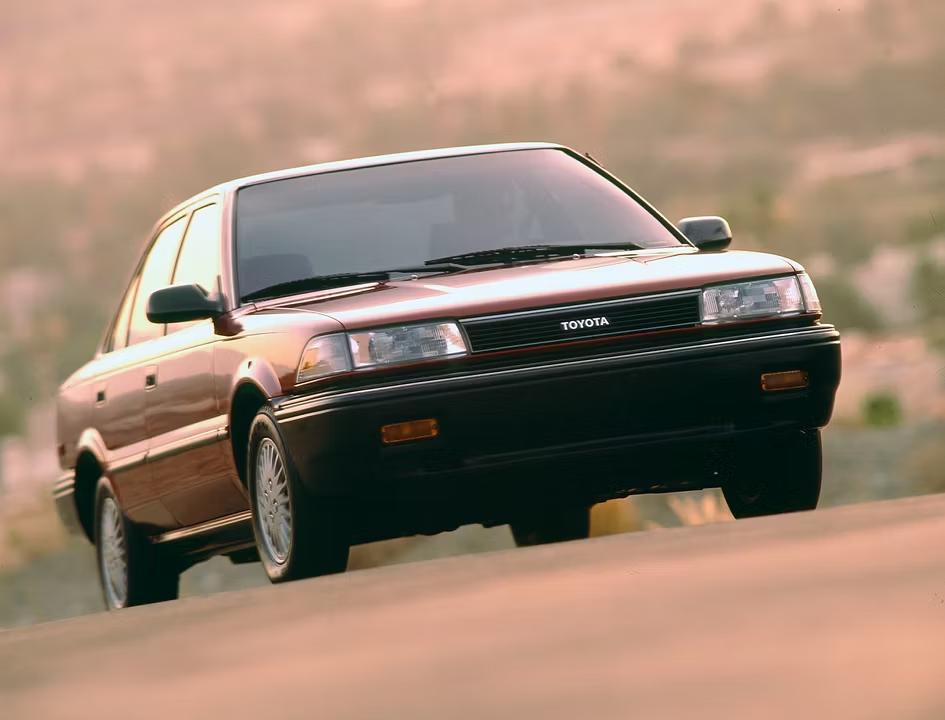
This is not a thrifty attitude but value discipline: if something works, you keep it; if something can be repaired, you repair it; if something can be passed on, you pass it on. And if your Toyota has already served for 200 thousand kilometres without causing any serious trouble, you will hardly sell it in favour of a fancy dashboard.
The Toyota we have grown up with did not demand anybody’s attention, and that’s exactly the reason we remember it. We remember its smell, its fabric seats, its faded dashboard, the little box full of coins, the parking vouchers. We remember instructions not to slam the door, disproportionate anger at a spilt drink, and the back seat turning into a makeshift bed for long rides.
We remember watching the road outside through the window while our parents were discussing the route, picking us up from school, falling asleep on those rides when street lights passed us by. Those were not very exceptional moments in time: that’s exactly why they became significant—we used the family car as the scene for numerous small pictures which, in perspective, add up to a life.
Many years later, the sound of the old Toyota engine may return us to our eight-year-old selves in no time.
Reliability vs Status
But the obsession with reliability goes beyond thriftiness. Asian parents usually worry a lot about grades, careers, job stability, eating habits, saving money, housing. A car is just another risk factor to manage.
Buying a Toyota meant one less thing to worry about. Such a car would not surprise you with unexpected repairs. It was not bought just to impress others. It was not a risky investment. It was sensible. And “sensible” is one of the highest praises an Asian parent can make.
You did not necessarily need them to say that your choice was exciting. You needed them to say: “Very practical.”
View this post on Instagram
Of course, Asian families care about their status, too, but the relationship between status and cars has always been complicated. There was the Toyota used on a daily basis, and then there was Mercedes, BMW, Lexus—the car telling the neighbours, “We are doing fine here!”
For some families, replacing Toyota with a luxury car became a symbol of success: the business was prospering, children graduated from college, mortgage payments were managed successfully. And still, for such families, a Toyota remained somewhere within the family range. The sensible car, the second car, the car which they kept “because there’s nothing wrong with it”.
The hierarchy of cars was known to everybody but never discussed explicitly. While a Mercedes impressed your neighbours, Toyota impressed your father because he knew exactly how much money he had saved buying this car.
Rise of Asia, Mirrored in Metal
The Toyota story is also a story of Asia. The postwar economic rise of Japan made Japanese car makers world leaders, and Toyota expanded its range well beyond Japan’s borders, becoming established worldwide in Southeast Asia and eventually globally.
However, the success of Toyota went far beyond manufacturing power; it also consisted in knowing what people wanted. In many Asian societies, the importance of cars increased along with economic growth and joining the middle class. The dream of those people was not to own the most beautiful car, but to own a good car—the car which represented progress but did not represent an irresponsible purchase.
Read more: Japanese Cult Classic ‘Survive Style 5+’ Featuring Vinnie Jones Heads to UK Cinemas and Blu-ray
Toyota fitted perfectly in this situation: it was aspirational without being ostentatious, successful without being luxurious, practical without being cheap. Such a combination suits the middle-class dreams of Asia.
View this post on Instagram
For Asian diasporas, however, the Toyota story means something different: the beginning of a new life. For parents who immigrated to a new country, worked for decades and began from scratch, the values were different from those of their children. The car did not represent freedom and adventure; it represented infrastructure.
It took you to work. It brought you to the supermarket. It transported your kids to school. It helped you move furniture when you moved house. It took you to the airport. It was a part of the machinery which helped you to build a new life.
This may explain why memories associated with this car are highly emotional. Those are not the memories of the vehicle itself but of what this car helped to achieve.
And the Kids Discover Initial D
But the time comes in every Asian family’s Toyota history when the kids start questioning everything they have learned before—usually around puberty. Suddenly the car stops seeming boring.
This is Supra. This is AE86. This is Celica. This is a sports car. This is Initial D. This is Fast and Furious. This is Gran Turismo. This is the Japanese culture of car modification which emerges at the midnight meets in Asian cities.
While the country which provided your parents with the Corolla also provided the next generation with Supra and GT86, Toyota managed to occupy two ends of the cultural spectrum at once. This car could be bought by your father because he did not want to waste money—and you spent your teenage years dreaming about modifications.
This is quite an achievement for the company whose major selling feature is precisely its ability to stay away from adventures.
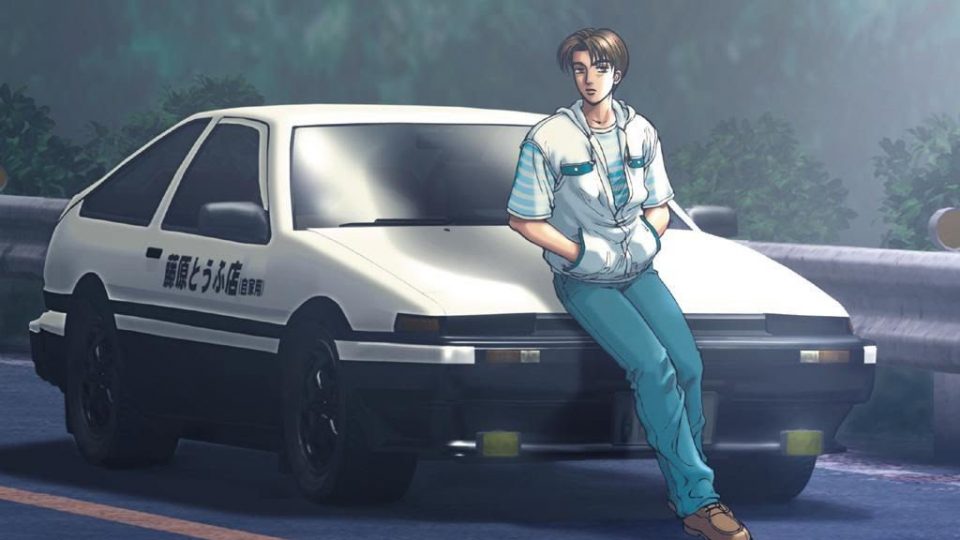
The funny thing is, our parents were right all the time. We grow up. We learn how to pay our bills, about insurance, road taxes and servicing. And we learn that luxury European cars may indeed generate bills which make you question your life choices.
Read more: ‘Romantics Anonymous’ Star Yuri Nakamura Dies Aged 44 Following Secret 13-Year Cancer Battle
Suddenly Dad’s Toyota does not seem uncool. No, it looks quite great. It starts. It works. It causes no trouble. It has an air conditioner. It provides you with enough space for everybody. And it most probably still has the same rattling problem behind the dashboard which it had fifteen years ago.
Maybe our parents were not boring. Maybe they understood something we have yet to understand.