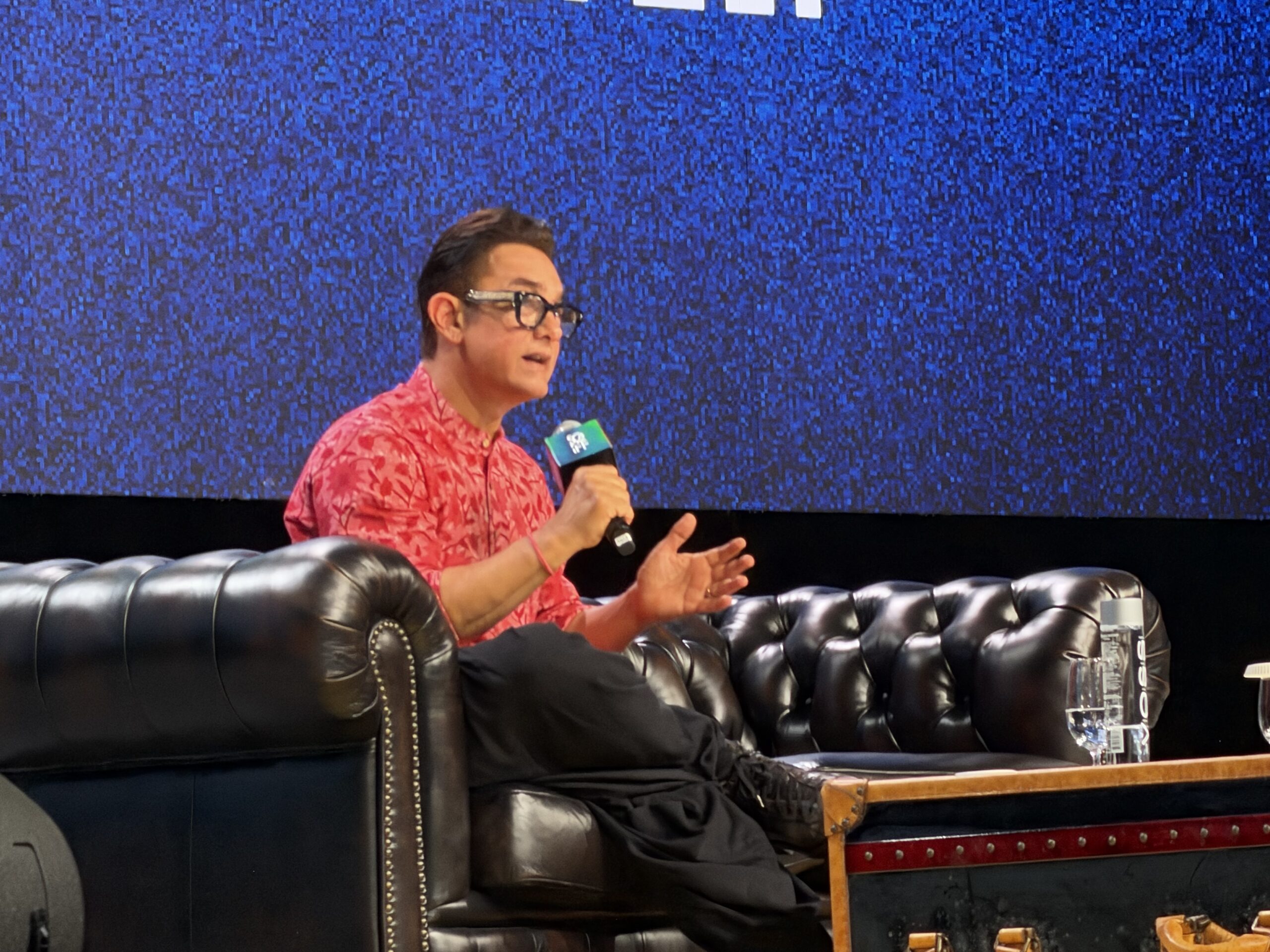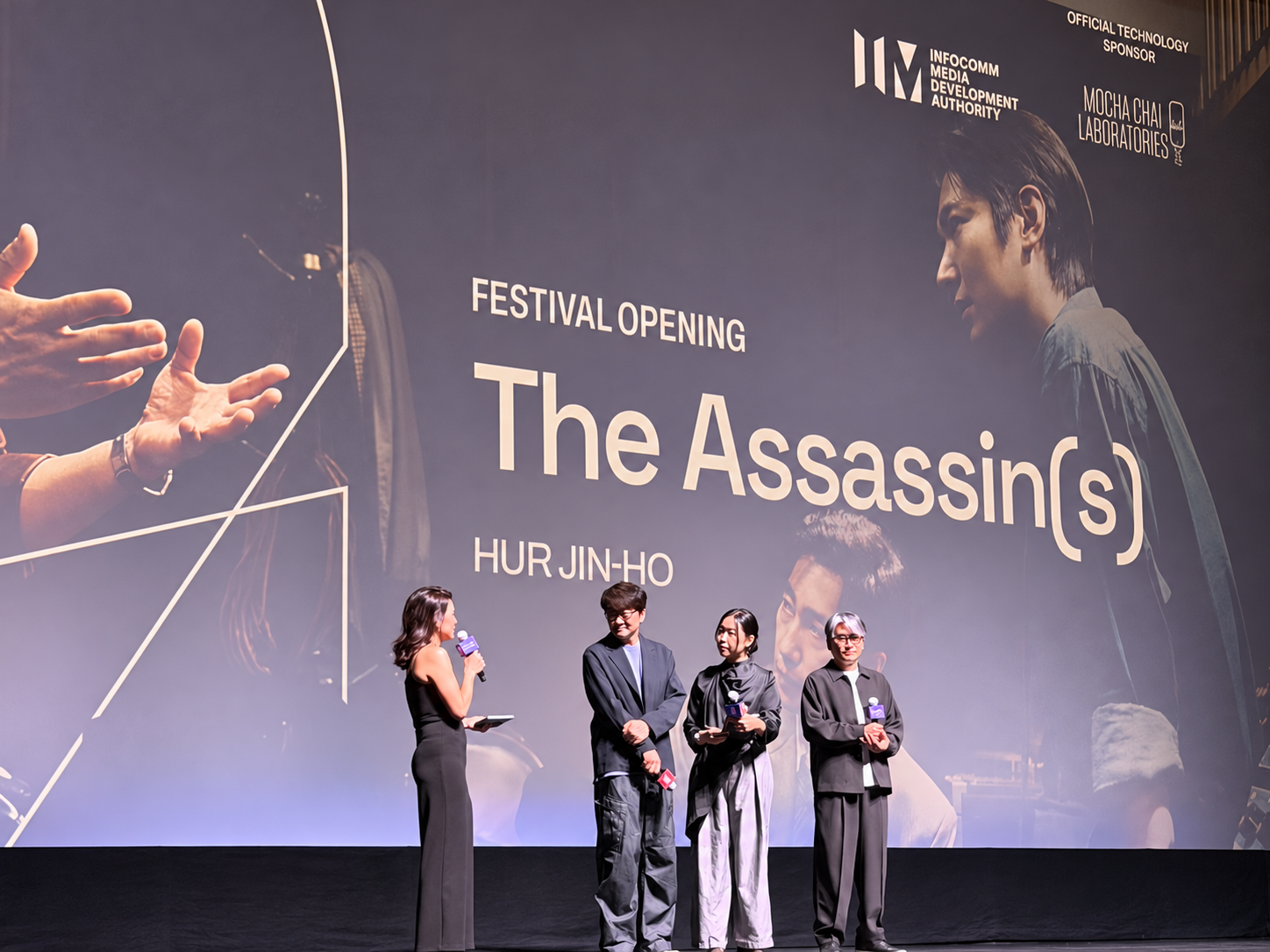
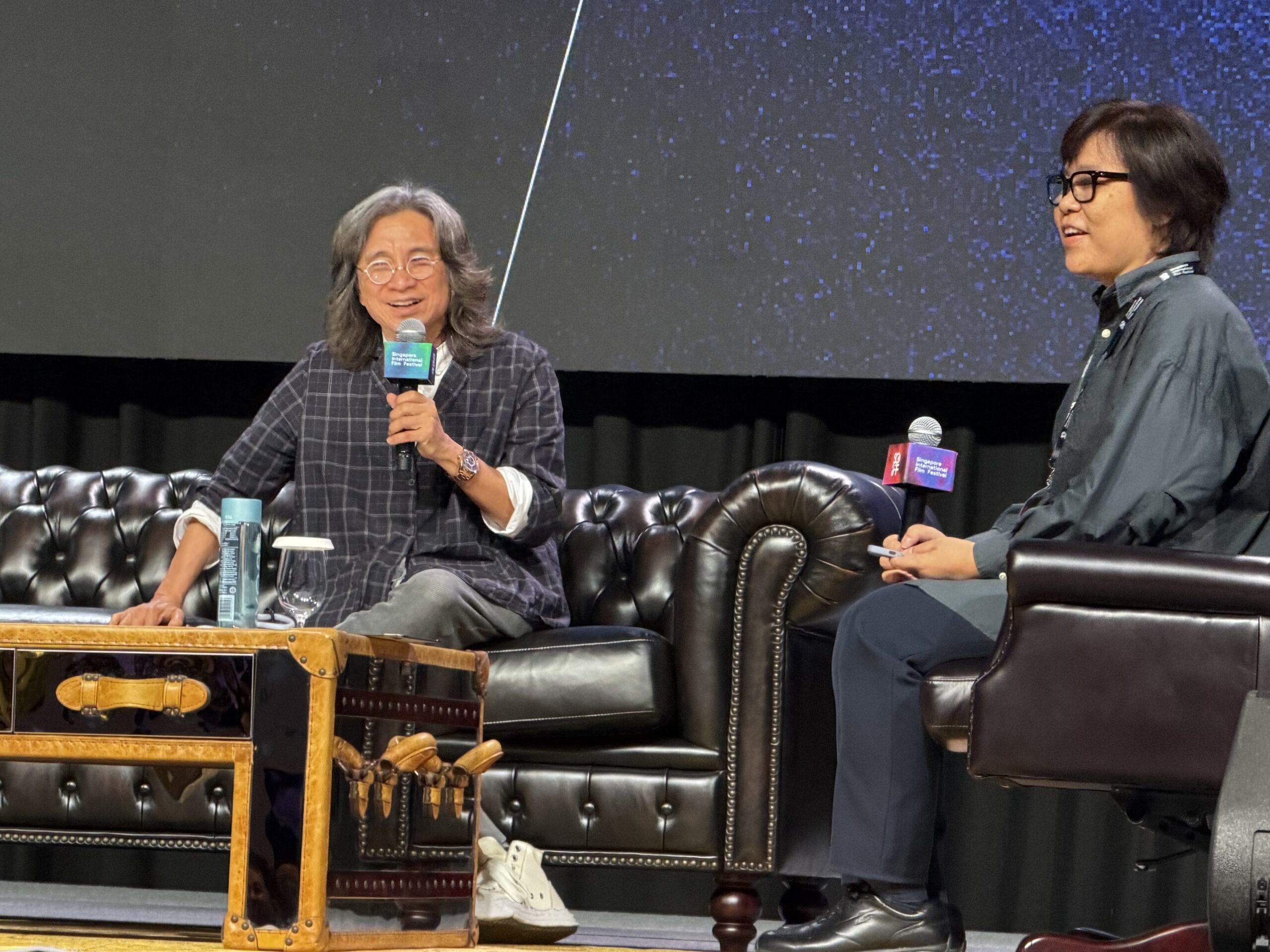
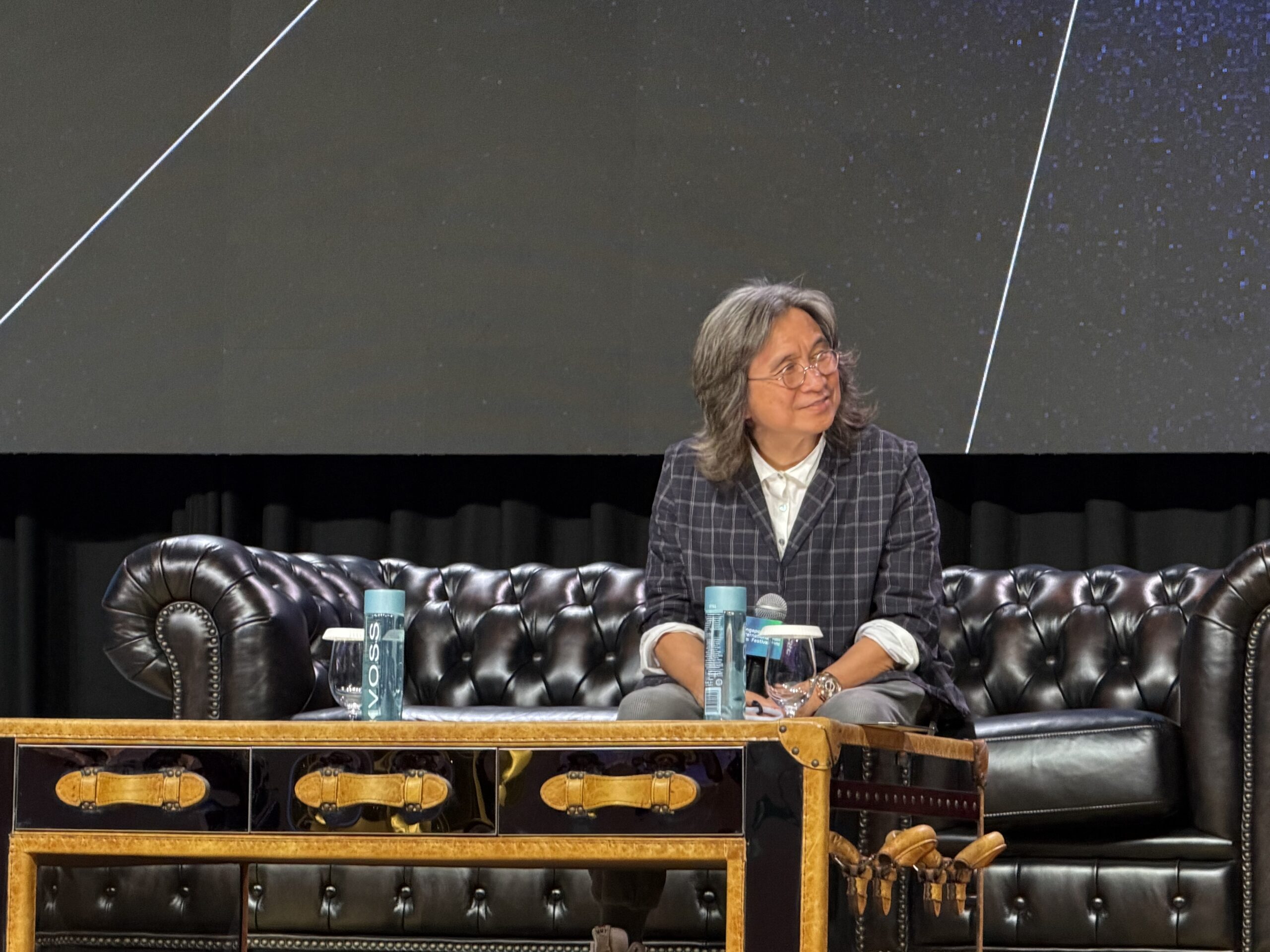
Peter Chan came of age in the one film industry on earth that was run by directors, and half a century on, he speaks about it like a lost home. Speaking at the 37th Singapore International Film Festival on the “In Conversation With Peter Chan” panel at Marina Bay Sands, the Hong Kong filmmaker painted an affectionate portrait of the city that let a young director make anything, and reflected on what he carried from it into Hollywood.
The last golden age
Chan, 63, began by correcting the record on when Hong Kong cinema shone brightest.
“Actually, the ’80s,” he said. “The ’90s, when I started becoming a director, was the beginning of the decline of Hong Kong cinema.”
But what a decline to inherit. The Hong Kong he came up in was an industry run entirely by filmmakers.
“In Hong Kong, everything was independent,” Chan said. “Hong Kong movies were driven by directors. However commercial the Hong Kong movies were… those movies were all driven by filmmaking, not by studios, not by investors.”
The result, he recalled, was an industry of pure conviction; films as over the top and as crazy as their makers could get, greenlit on nothing but a director’s belief.
Chan tested that freedom early. When he co-founded UFO (United Filmmakers Organisation) in the early 1990s to make urban middle-class comedies, the market wanted wuxia and gangster pictures like A Better Tomorrow and Young and Dangerous. UFO made them anyway, and won.
“We were not exactly going with the flow, but we did make the flow somehow,” he said.
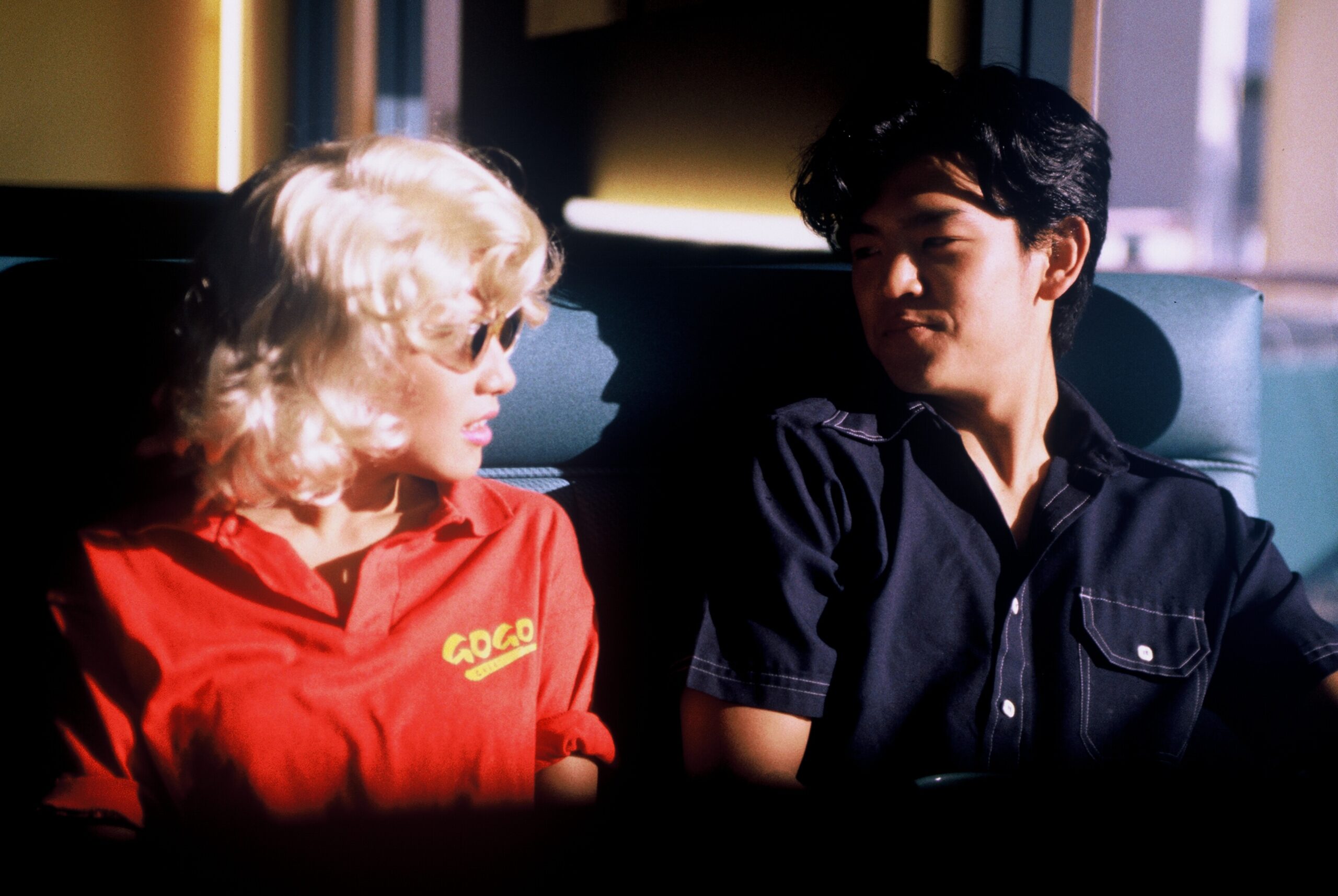
That confidence carried his generation. Comrades: Almost a Love Story, released in 1996, not only conquered the box office and the critics across Asia. This year marks its 30th anniversary, frozen in time a Hong Kong that has since vanished.
Read more: Aamir Khan Highlights Shared Values Between India and China, Jokingly Reflects on Piracy’s Role
“A lot of that is lost, gone, especially buildings, aesthetics, phone booths, stores, shops,” Chan said. He remembers a furniture store in a Tsim Sha Tsui back alley “which looked like New York, with a Sikh Indian with a turban sitting in front” and the street he walked home from school as a child. “But the movie preserved those places, those moments, those emotions, those values, and those sentiments of the time.”
A film, he said, is “kind of like a history book”; every generation keeps its own Hong Kong, but the film holds the essence for the people who lived it. “That’s the Hong Kong I knew.”
View this post on Instagram
Comrades also gave him “a lease of movie life for the next 30 years” — though he admits the anniversary is a double-edged one. “It’s like 90% of the people remember me because of that one movie, 30 years ago, as if I have not done anything since,” he said with a laugh. “It’s a blessing, but it’s also a spell that I want to break at the same time.”
The Hollywood chapter
When Chan eventually crossed to Hollywood, following the likes of John Woo and Jackie Chan, he took that director’s confidence with him — and directed The Love Letter, a 1999 love story for DreamWorks set in a small New England town.
He counts the film among his proudest achievements: “I was probably the first, if not the only, filmmaker from Hong Kong who made a movie in the U.S. studio system that is not action.” Growing up on a diet of Hollywood movies, arriving in America felt “like walking into the movies that I’d been watching all my life”, and as a Thai-Chinese kid from Hong Kong who ate with spoon and fork at home, being an outsider was nothing new.
What he found was a different way of making films. Where Hong Kong moved on a director’s conviction, Hollywood worked by committee and test screening, “which is like algorithms today,” he noted, a practice he has since seen spread everywhere, including his own films in China. The marketing machinery around The Love Letter was unfamiliar terrain, and looking back, he says he was perhaps “too young, too naive” for it at the time.
Read more: From Hong Kong to the US: The Journey of ‘We’re Nothing at All’
The experience taught him the balancing act he still uses. His new film The Road Not Taken, an Alzheimer’s drama starring Zhou Xun that premiered at the Toronto International Film Festival and is yet to be released, was guided by eight words he learned at a dementia-care institution in Chengdu while researching it: 顺势而为,适可而止. Go with the flow, and know when to stop.
“That’s the balance between going with the flow and knowing when to stop,” he said. The lesson of a career that began in Hong Kong’s director-driven golden age and never stopped adapting.
And for anyone hoping to follow his path into film, his advice is the same as it was in the ’80s: “If you don’t really love film and you can’t live without it, really, don’t bother.”
All images by Resonate Voices