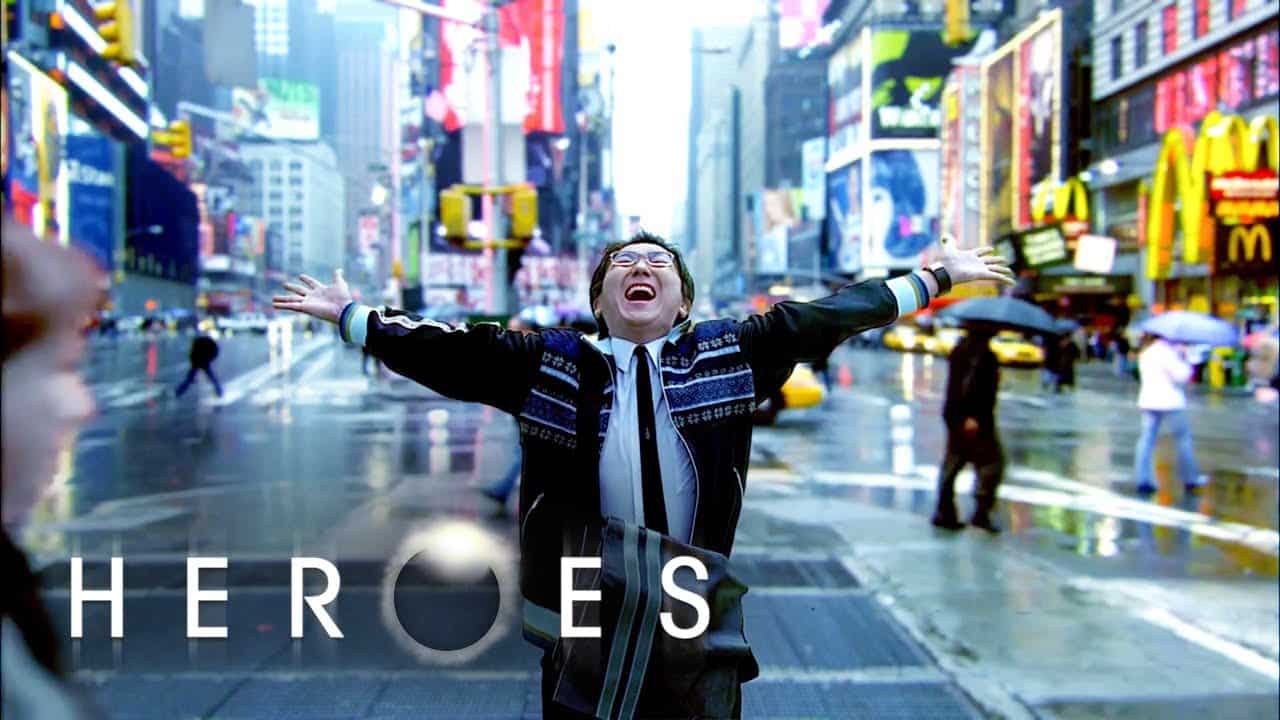
In the autumn of 2006, the American television network NBC introduced a serialised drama series titled Heroes, created by writer Tim Kring. The premise operated on a global scale. Ordinary individuals scattered across different continents were discovering that they possessed extraordinary physical and mental abilities. A painter in Manhattan painted scenes of future disasters. A high-school cheerleader in Texas healed instantly from severe injuries. A political candidate in Los Angeles could pass through solid walls. Among these figures was Hiro Nakamura, an office employee working in a corporate high-rise in Tokyo.
Hiro, portrayed by actor Masi Oka, held a position as a low-level computer programmer at Yamagato Industries. He sat in a small cubicle surrounded by spreadsheets, electronic hardware, and fluorescent lighting. When he discovered that he could manipulate the continuum of time and alter spatial coordinates, his reaction differed from the brooding characters common to genre television. He shouted with joy, stood atop his office desk, and declared his intention to become a superhero. In a television schedule filled with cynical figures, Hiro operated with optimism. He expressed faith in comic books, clear ethical choices, and the responsibility of powerful individuals to assist others.
Oka was born in Tokyo in 1974 and moved to the United States with his mother at the age of six. He attended Brown University in Rhode Island, where he earned a degree in computer science and mathematics while also studying theatre arts. Prior to his work on Heroes, Oka was employed as a digital visual effects animator at Industrial Light & Magic, the production company created by George Lucas. For several years, Oka wrote computer code to generate complex liquid visual effects and digital character movements for feature films, including the Star Wars prequel trilogy and Steven Spielberg’s War of the Worlds. He pursued acting auditions in his spare hours, appearing in minor guest parts on television comedies including Scrubs and Gilmore Girls.
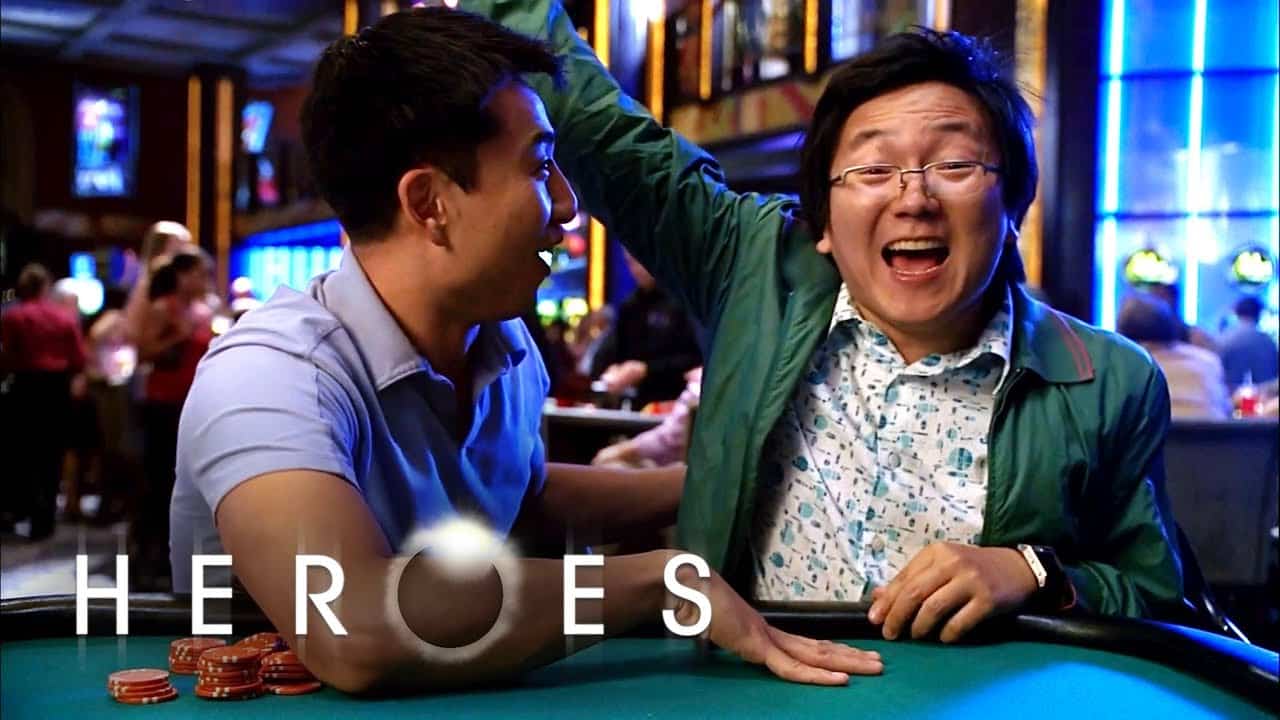
When Heroes premiered on Monday evenings, Hiro spoke almost exclusively in Japanese. For a broadcast network in 2006, this decision was uncommon. Viewers spent large portions of Hiro’s scenes reading English subtitles to follow his conversations with his office colleague and companion, Ando Masahashi, played by James Kyson Lee. Network executives had expressed concern regarding subtitle usage during prime-time hours, fearing that audiences might turn off the programme. Viewers accepted the presentation. Hiro became one of the most recognized figures on the show. In 2007, Oka earned both a Golden Globe nomination and an Emmy nomination for Outstanding Supporting Actor in a Drama Series.
The narrative arc of the first season focused heavily on Hiro’s journey. After accidentally teleporting to a future vision of New York City and witnessing a nuclear explosion, Hiro dedicated himself to preventing the catastrophe. His central mission gave rise to the series’ main marketing slogan, “Save the cheerleader, save the world.” Hiro’s story also introduced his father, Kaito Nakamura, played by George Takei. Takei had portrayed Hikaru Sulu in the original Star Trek series during the late 1960s. The casting of Takei created a direct line between two generations of Asian actors who played prominent roles in American science fiction television.
Read more: Just a Pretty Face: The Shallowness of the Asian/White Trope on TV
The state of Asian representation on American television in the mid-2000s remained narrow. Actors of Asian background were frequently cast in minor roles defined by physical martial arts skills, medical occupations, or exaggerated foreign accents designed for comedic scenes. On broadcast network dramas, Asian characters rarely led major storylines. ABC had introduced Daniel Dae Kim and Yunjin Kim as Jin-Soo Kwon and Sun-Hwa Kwon on Lost in 2004, presenting a complex view of an immigrant marriage. However, those characters spent their early episodes isolated from the main group of survivors.
Hiro Nakamura occupied a distinct position on screen. He possessed agency, distinct motivations, and a broad emotional scope. He was a fan of Western pop culture who collected comic books, visited comic conventions, and travelled across continents to protect strangers. The series placed a Japanese man at the centre of its emotional storylines, presenting his enthusiasm as a virtue rather than a flaw.
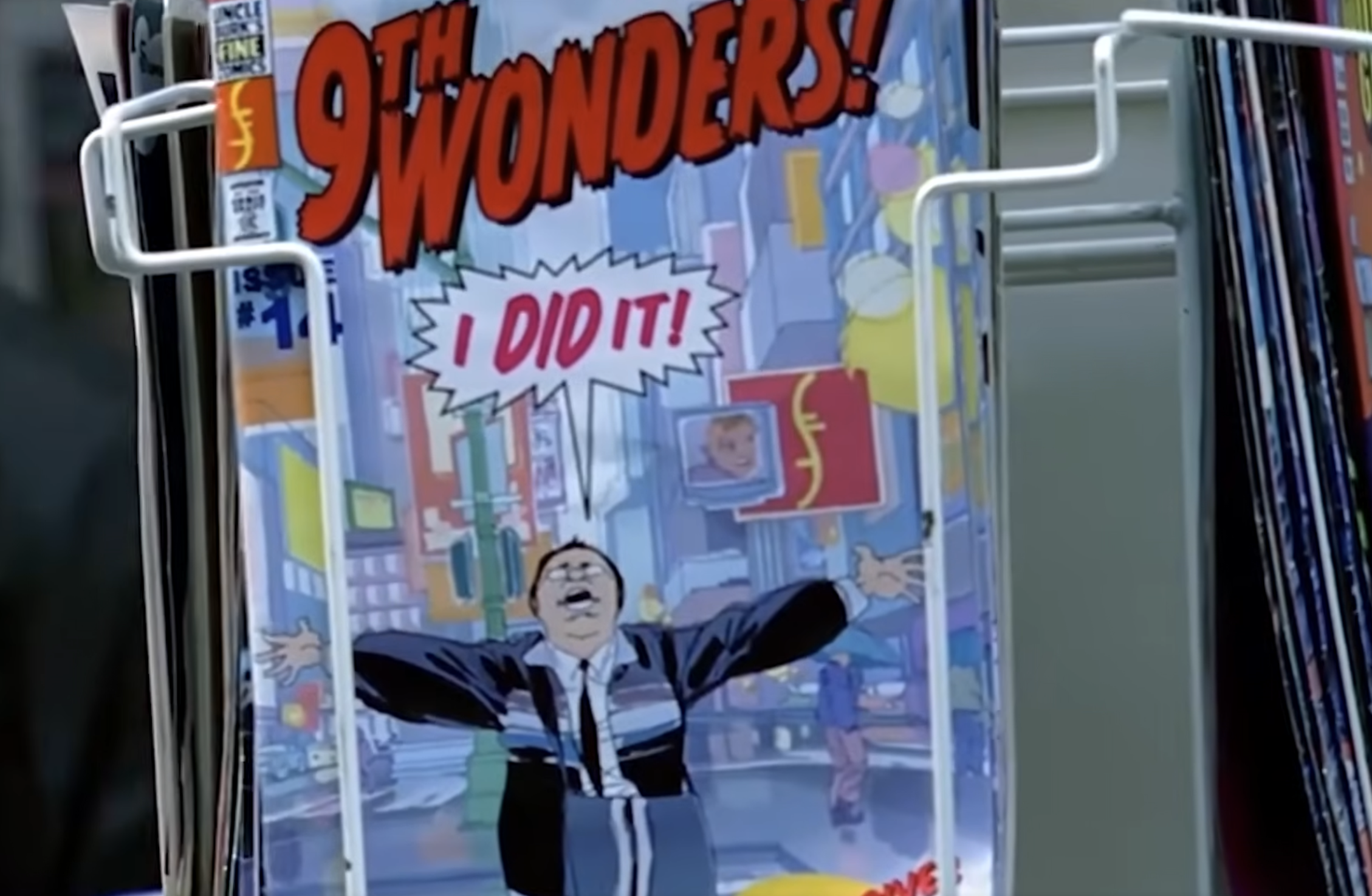
The depiction of Hiro was not entirely separate from historical tropes. His arc included swordsmanship, traditional Japanese folklore, and time travel to feudal Japan to meet a warrior named Takezo Kensei. These storylines drew from familiar Western ideas about traditional Japanese history. Nevertheless, Oka provided intelligence and humour to the character. His performance grounded the character’s extraordinary powers in recognisable human feelings. When Hiro experienced grief, loss, or moral doubt, the show treated those scenes with seriousness.
The popularity of Heroes proved that mainstream Western audiences would engage with subtitled dialogue on broadcast television. In the years that followed, streaming networks and traditional cable channels began to air foreign-language series and multilingual characters with greater frequency. The presence of Hiro Nakamura altered casting decisions across Hollywood studios, showing producers that Asian actors could hold central roles on prime-time television and draw large audiences.
Oka’s career continued beyond the four-season run of Heroes, which concluded in 2010. He joined the regular cast of the CBS police drama Hawaii Five-0, playing Dr Max Berg, an eccentric chief medical examiner. Oka appeared in over one hundred episodes of the series across seven seasons, remaining a core member of the cast until his departure in 2017. He also returned to his most famous role, making guest appearances as Hiro Nakamura in the 2015 miniseries Heroes Reborn.
Read more: The Quiet Defiance and Lasting Legacy of Chow Yun Fat
In recent years, Oka has shifted much of his attention toward film production and technological development. He works as a film producer specialising in Japanese properties, facilitating negotiations between Japanese creators, manga publishers, and American production studios. He served as a producer on the live-action feature film adaptation of Death Note in 2017 and worked as an executive producer on the action film The Meg in 2018. His education in computer science at Brown University and his early career at Industrial Light & Magic provided a practical foundation for overseeing large-scale digital production pipelines.
Oka also maintains active involvement in technology investments and video game development. He founded Mobacle, a mobile software company based in Japan, and advises technology startups focused on digital animation and interactive media. He continues to perform select voice-acting roles for animated series and video games, splitting his time between offices in Los Angeles and Tokyo.
The character of Hiro Nakamura remains an important reference point in the history of Asian actors on Western television. In 2006, a subtitled Japanese character on a major American network was a rarity. Today, international casts and multilingual scripts are regular features of global television production. Hiro stands as an early example of how broadcast television broadened its scope to include Asian leads in popular genre drama.