Mixed Asian representation in American popular culture parallels how mixed Asians are often perceived by the public—as fair-skinned, ambiguous, and exotic, but whose identities are constructed through their positionality to others. In shows that are white-led, they remain not quite white, their ambiguous faces the butts of the punchline (at times self-referentially), their backgrounds barely mentioned. They serve the story as entrancing secondary characters with no evidence of their Asianness (or whiteness, for that matter), but whose likenesses cause the audience to discern whether they’re mixed Asian on and offscreen.
In shows created by monoracial Asians, they’re often the imposters who can’t understand what it means to be “real” Asians. In both cases, mixed Asian/white actors should feel grateful for being included as they are invisibilized and fetishized, their face and identity a mystery to decipher.
It appears as if mixed Asian/white public figures are uplifted due to their “proximity to whiteness” and the appeal of a mixture of white and Asian facial features. However, if you pull back the layers of the depiction, mixed Asian/white representation is as hollow as a pretty face—a mere sprinkle of diversity. Monoracial Asian-created series don’t venture much further, presenting mixed Asian/white identity purely from a white or monoracial Asian lens, especially in terms of what it means to navigate whiteness as an Asian American.
Read more: How the New Grammys Asian Pop Category Blocks Real Inclusion
To see how this hollow tokenism plays out in real-time, one only needs to look at the recent slate of popular streaming and prestige cable dramas. Whether the creative force behind the camera is white or monoracial Asian, the result is disappointingly uniform: mixed-race characters are consistently hollowed out, serving as demographic window dressing rather than fully realized human beings. This pattern cuts across a diverse cross-section of modern television, weaving through the narratives of Heated Rivalry, The Summer I Turned Pretty, Interior Chinatown, and, perhaps most glaringly, the Apple TV+ series Shrinking.
Shrinking
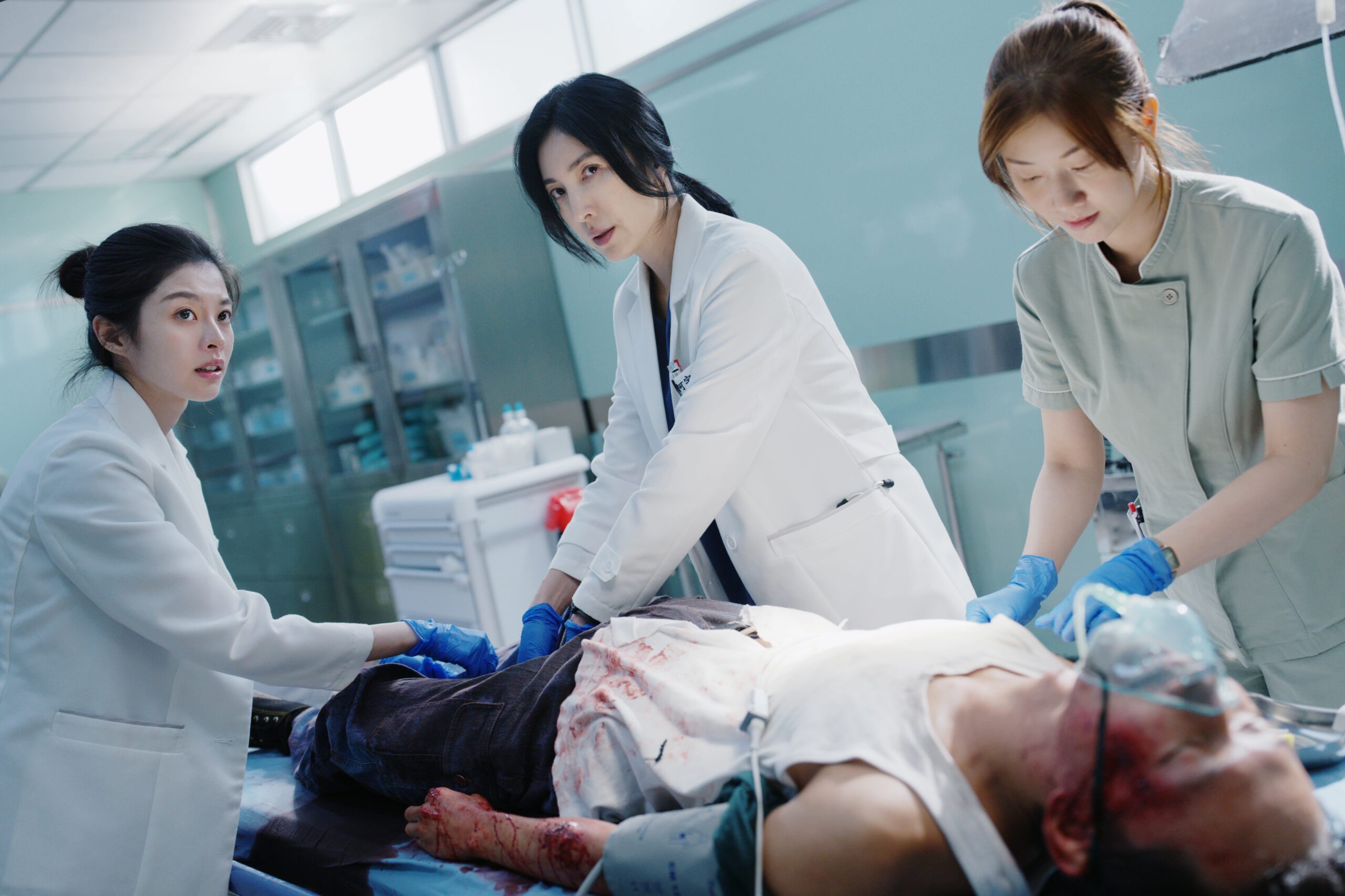
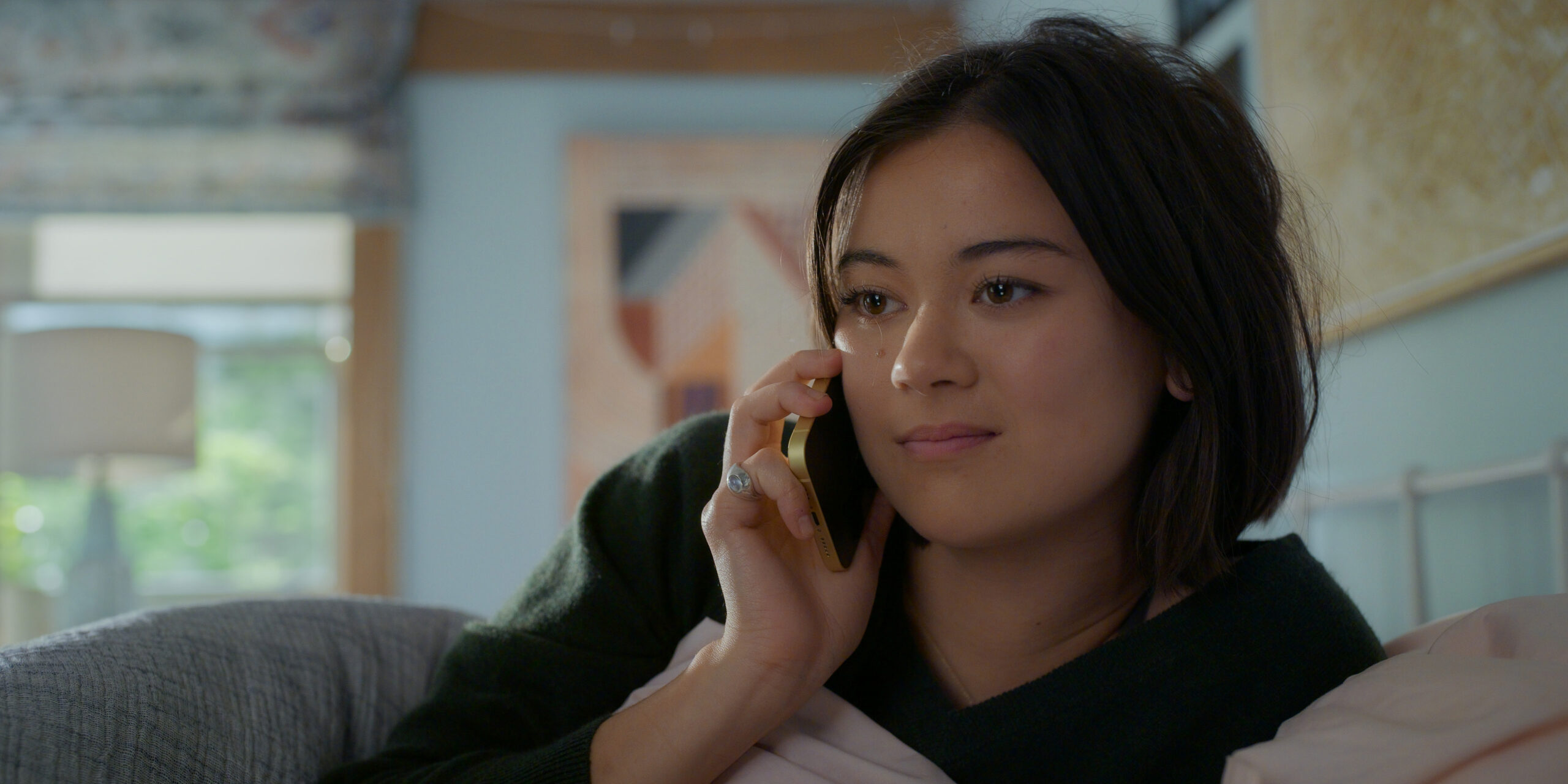
The Apple TV+ series centers on a group of bonded therapists sharing a practice in the San Gabriel Valley. At the center is white male therapist Jimmy Laird (Jason Segel). In extreme dysfunction due to his grief over his wife’s accidental death, Jimmy decides to intervene in his patients’ lives to provoke change. He is the father to Alice, played by mixed Chinese/Indonesian/white actress Lukita Maxwell. Jimmy’s best friend Brian, a white lawyer, is married to Charlie, a mixed Japanese man shown just enough to make it believable they would have an Asian newborn (carried by a white surrogate).
Alice’s Asian identity is mostly nonexistent, except for a couple of retorts, mostly evoked by her white neighbor Liz, highlighting the white fetishization of mixed Asians. The only time Alice references her background is when she wears a t-shirt that reads “half Asian is better than none.” Otherwise, Alice has no reservations about living a thoroughly white existence: her best friend is an audacious white girl; aside from one sushi outing with Brian that signals his privilege more than her taste, we never see her eat even the most mainstream Asian meal. While her father copes with immense grief, Alice’s grandparents never appear.
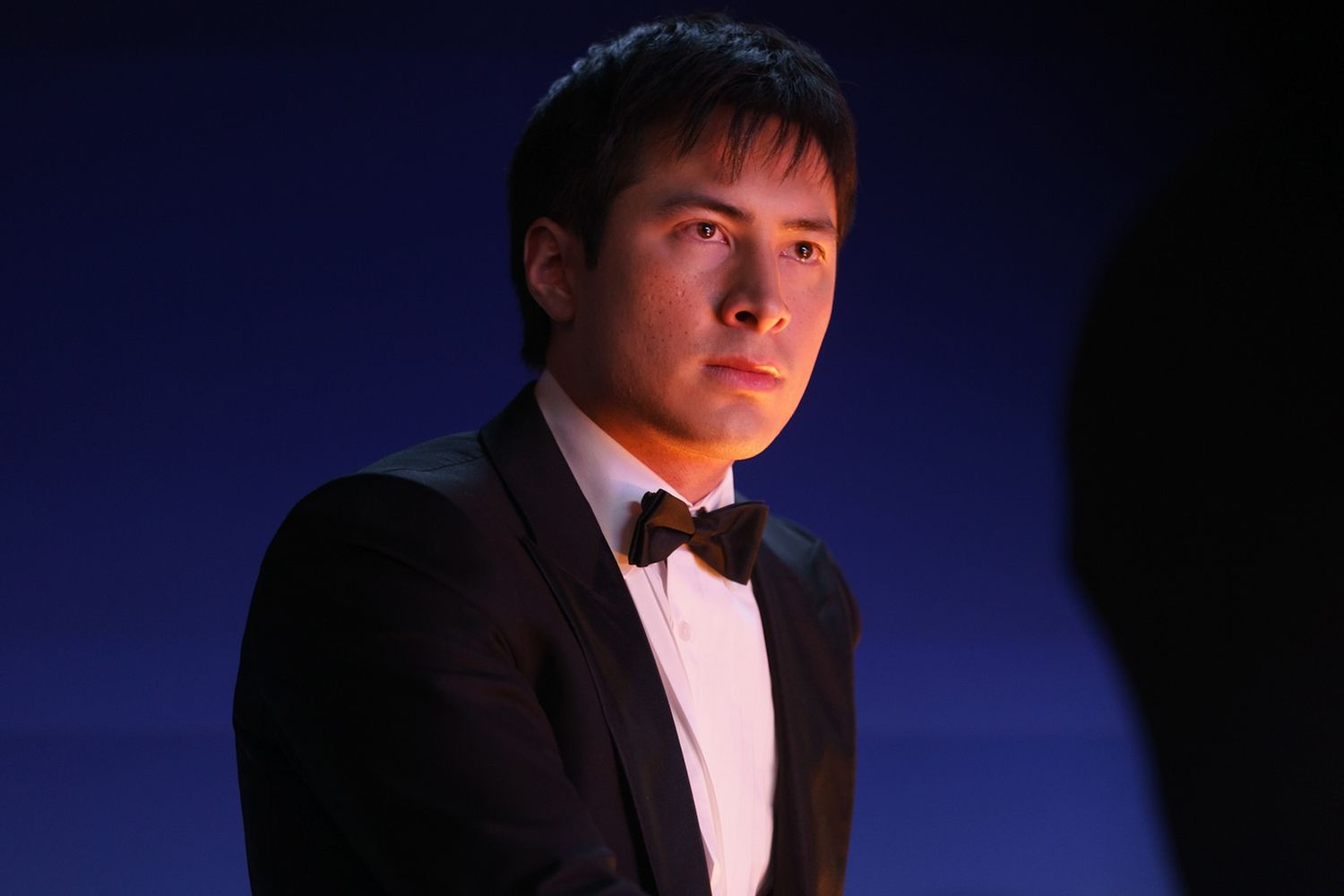
Charlie’s inclusion is even less thoughtful, and I’d guess most viewers wouldn’t consider actor Devin Kawaoka’s Japanese/white background until Charlie and Brian’s baby is born. By contrast, the main cast includes two Black actors—therapist Gaby Evans (Jessica Williams) and Jimmy’s patient Sean Mitchell (Luke Tennie), who relate to other Black people and people of color throughout the show. Unlike Alice and Charlie, both characters are coded and written as Black in recognizable ways.
Alice and Charlie are read as just Asian enough, suffering from ambiguity as to whether their characters are written to be mixed Asian. The math doesn’t compute. Charlie and Brian’s baby is recognizable as a monoracial Asian infant, even though Charlie is mixed Japanese and their surrogate is white. Alice’s mother is biracial (played by Taiwanese/white actress Lilan Bowden), making Alice’s “half Asian” shirt inaccurate on top of its problematic placement. Why do Gaby and Sean deserve a non-white life, but Alice and Charlie don’t? Shrinking continues the mixed Asian/white trope, the characters lending the show just enough non-Black diversity without developing their multiracial identity. Their Asianness is nothing more than the hint of a non-white face.
Heated Rivalry
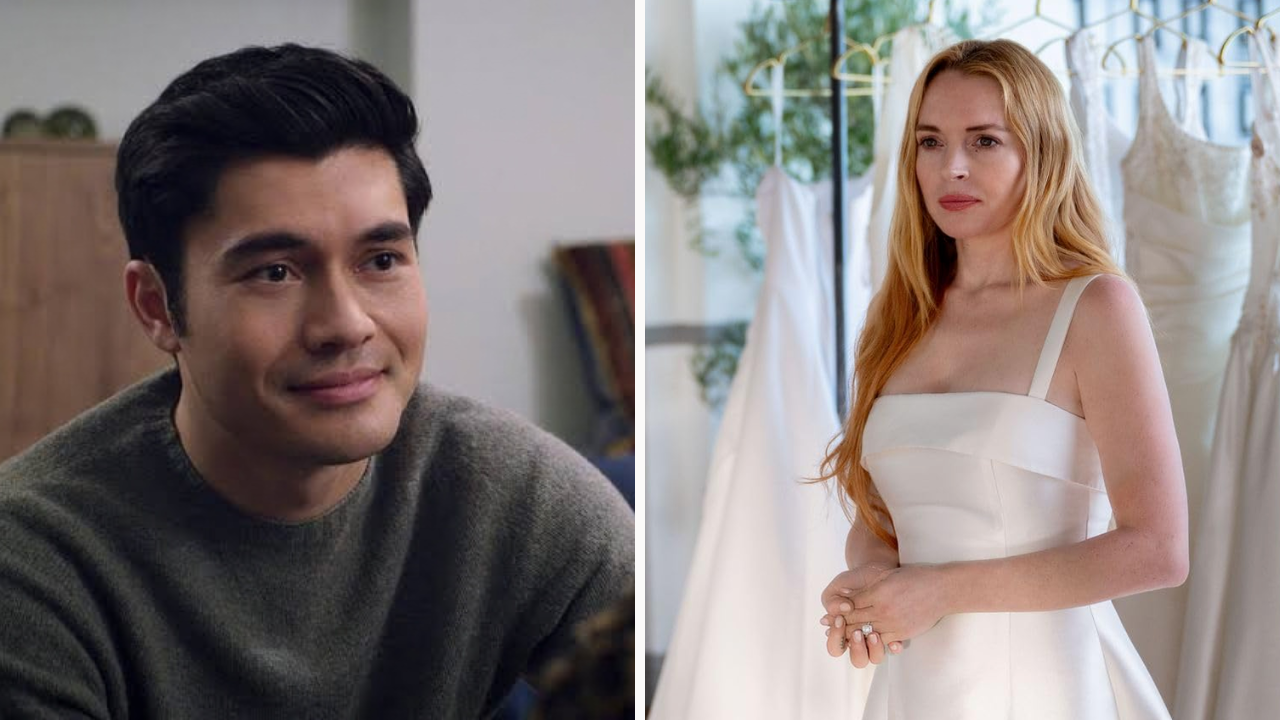
In HBO/Crave’s queer hockey romance series adaptation, Shane Hollander (Korean-Dutch Hudson Williams) Japanese-Canadian background, never specified as Japanese, is mentioned three times. First, Shane’s manager congratulates his team on breaking barriers by signing him. Next, his mother (Taiwanese-Filipino/white Christina Chang) reminds Shane of the community he represents. Finally, Shane mentions to his white date he was one of two Asian boys who played hockey. Despite this. Heated Rivalry includes no gestural or cultural signs of Shane’s Asianness throughout the season. Even when Shane and his love interest Ilya Rosanov (Connor Storrie) eat dinner with Shane’s parents, spaghetti is what’s on the menu.
The lack of development in Shane’s identity is more pronounced by the pervasiveness of Ilya’s Russian background, which includes relationships with other Russians, language, an accent, and distinct customs. Ilya’s identity informs how he moves through the world, a navigation threaded throughout the season, that Shane simply isn’t allowed to experience.
The Summer I Turned Pretty
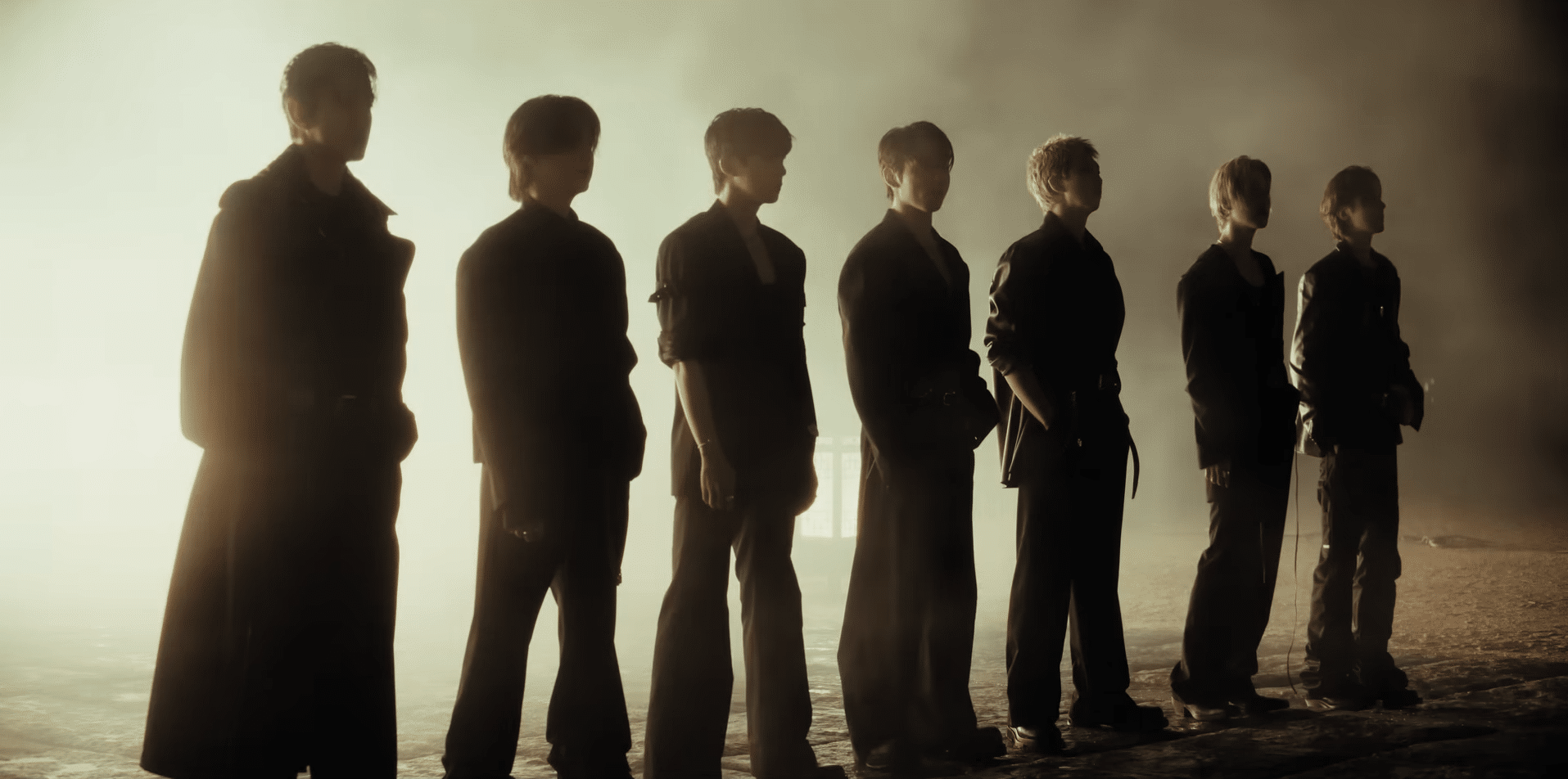
The Amazon Prime adaptation of a young adult American coming-of-age romantic trilogy by Korean author Jenny Han centers on mixed Korean/white teenager Belly Conklin , played by Chinese-Swedish actress Lola Tung. Belly’s mother Laurel (Jackie Chung) is also a central figure. On the heels of turning sixteen, Belly travels with her mother and brother to the beach town they spend every summer with the Fischer family. Due to her blossoming beauty, Belly becomes entangled in a love triangle with Susannah Fischer’s sons: Conrad, her childhood crush, and his younger brother, Jeremiah.
Read more: Why the Wasian Identity Trend Is Stirring Up Internet Debate
Belly lives in a completely white universe, the show even enfolding her love triangle in the white institution of the debutante ball. While Belly briefly dates outside of the Fischers, the intelligent and evolved Cam (played by Puerto Rican/Mexican/Italian actor David Iacono), the romance doesn’t last. The show exploits the trope that a sophisticated, available love interest of color is too perfect to keep Belly’s interest. Even more tiring was the missed opportunity to connect two mixed characters on straddling different cultural experiences, especially among privileged white New Englanders.
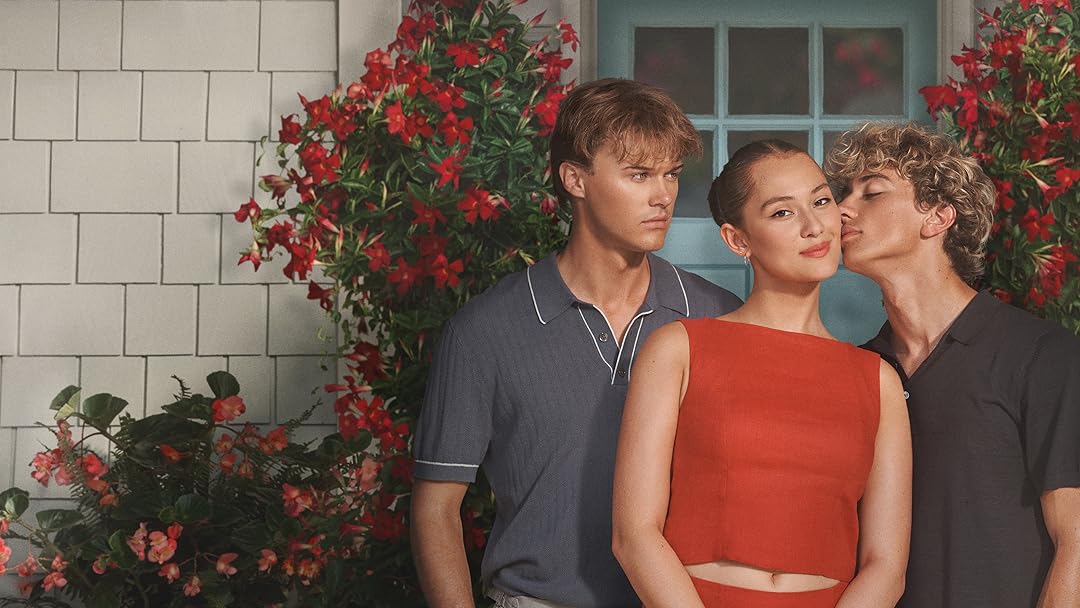
The show attempts to address race through Belly’s brother Steven (played by Japanese/white actor Sean Kaufman). When he dates Shayla, a rich Asian socialite (Korean/Canadian actress Minnie Mills), Steven must work at the country club to afford to escort her to the ball and support her lifestyle, swallowing the white members’ racist remarks. The show sprinkles in a handful of references to the Conklins’ background, such as Belly teasing Jeremiah for never taking off his shoes in the house and Laurel asking Cam if he’s had Korean birthday soup before, but Asianness is treated as a window dressing in a white fantasy.
Interior Chinatown
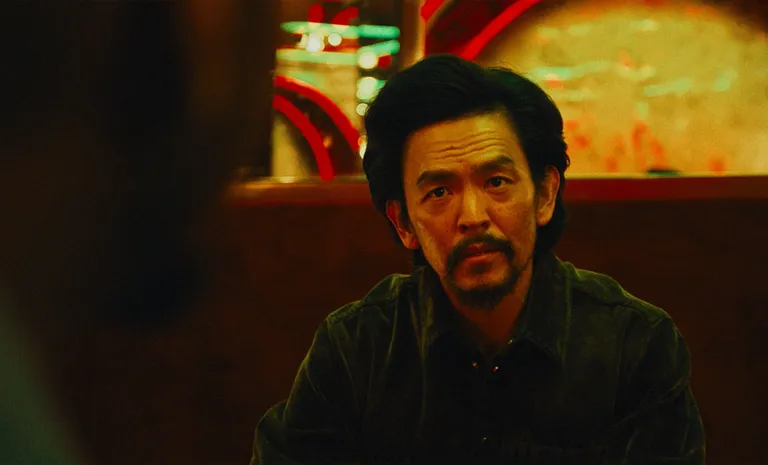
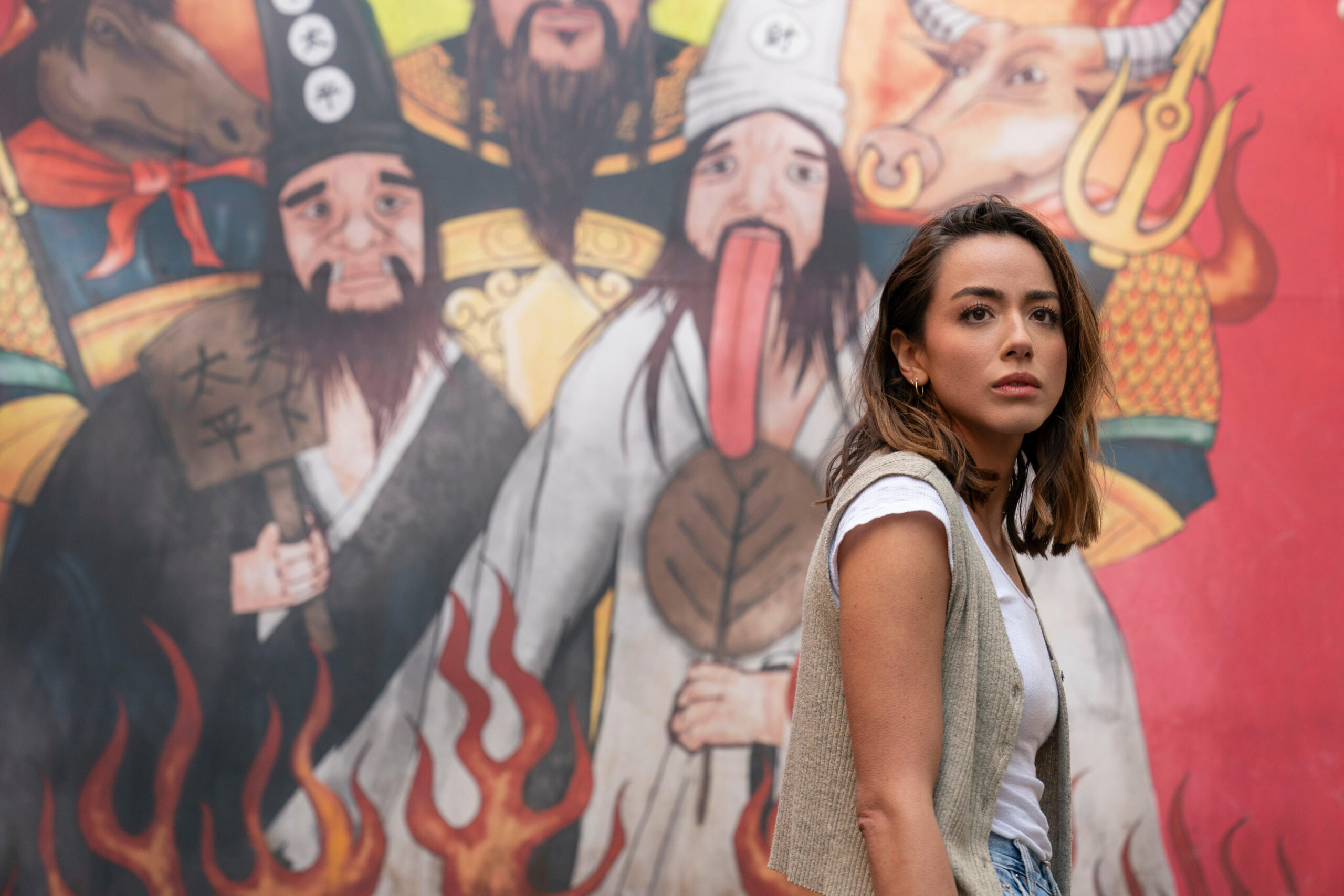
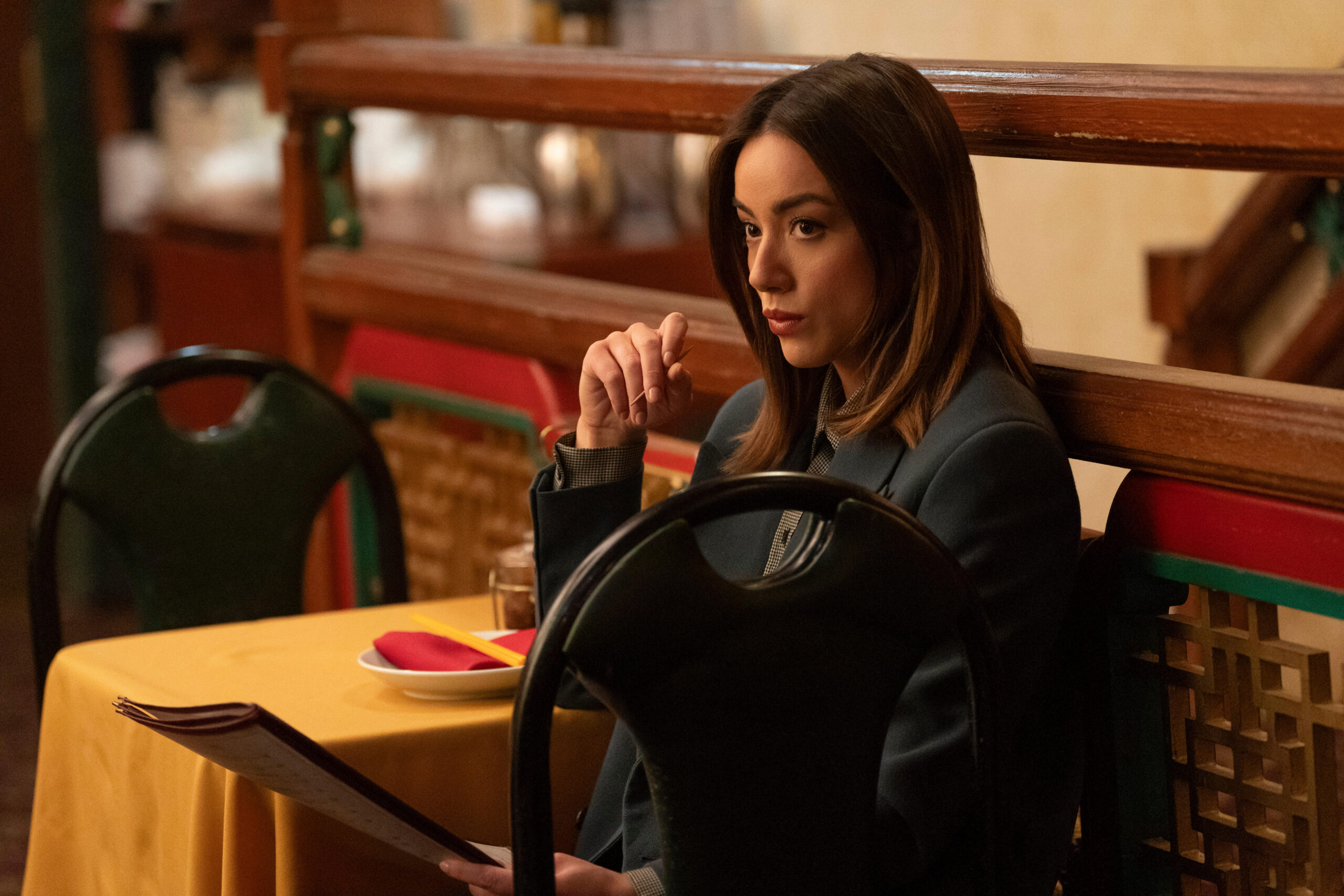
The Asian-led Hulu adaptation of Charles Yu’s novel, which uses the screenplay format to tell Willis Wu’s (Chinese Jimmy O’Yang) story, aka “Generic Asian Man,” trapped inside the metafictional police procedural Black and White as “Background Oriental Male” and longs for the opportunity to play “Kung Fu Guy.” While investigating the disappearance of his brother, Willis uncovers the fictionalization of Chinatown. The mixed Asian detective Lana, played by Chinese/white actress Chloe Bennet, who famously masked her own Asianness in Hollywood by changing her surname arouses suspicion until she gains Willis’s trust. Lana discovers that “people are being killed and somehow recycled,” a stark parallel for how Asian characters and tropes are recycled on television. When Lana explains this to Uncle Wong, Willis’s boss, Interior Chinatown calls out Lana’s inauthentic identity when Wong retorts: “You’re an outsider. They’ll never talk to you. I know you can’t understand this. Look at you, this would never happen to you out there. ” He shifts to Cantonese to state what he means: “You’re mixed,” before reiterating in English, “You will never completely understand,”
It was a cheap shot that made me recoil. Although Interior Chinatown inches closer to exploring the resentment monoracial Asians feel toward mixed Asians as “imposters”, seeing such a brief, harsh indictment delivered entirely from a monoracial Asian lens saddened me.
When compared to monoracial Asian depictions on television such as The Copenhagen Project, Butterfly, Fresh Off the Boat, and Kim’s Convenience, the implication is mixed Asian people don’t relate to their Asianness.
Granted there are exceptions, such as PEN15 (2019)’s Maya Erskine thoughtfully represents her mixed Japanese/white adolescence, Disney’s Big Hero 6 develops a hybridized “San Fransokyo” (a blend of San Francisco and Tokyo), and its first explicitly biracial lead character, mixed Japanese/white Hiro Hamada. Still, I yearn for adult representation in American popular culture that fully depicts the Asian/white. I long for a writing team that includes mixed Asian/white writers who have lived and studied these forces, so that we can move beyond the current limitations of exploiting our ambiguity as nothing more than an Asian-tinged face.