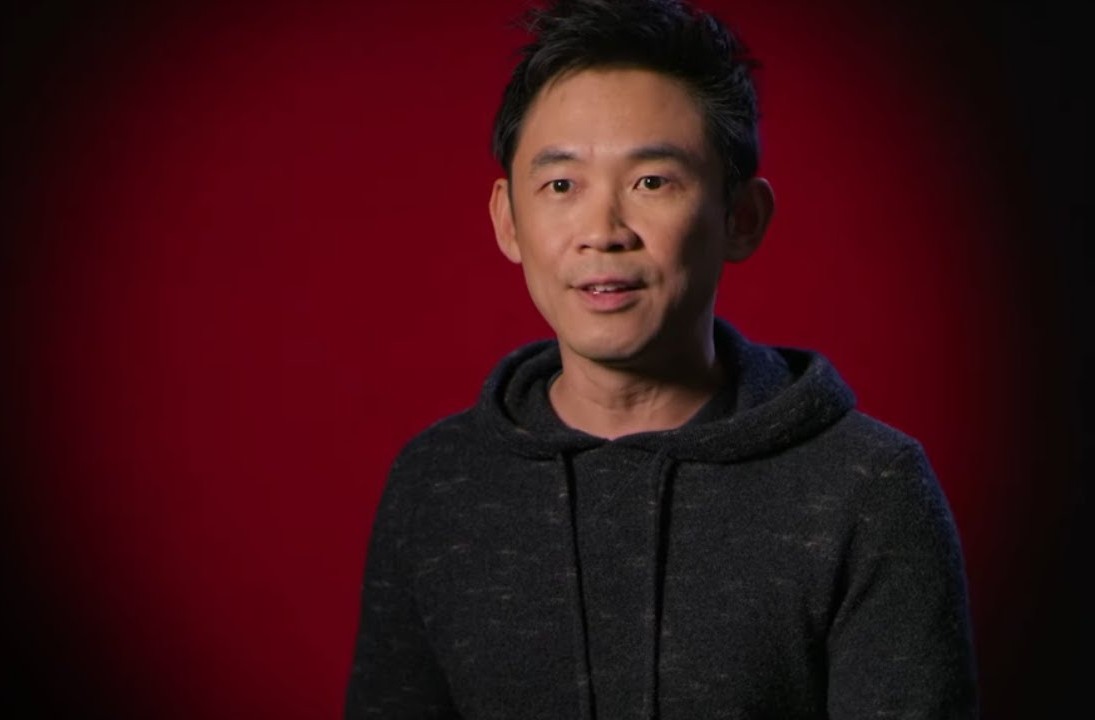
Horror maestro and producer James Wan says the path from YouTube breakout to feature filmmaker is more open than ever and that emerging creators should lean into uniqueness to stand out in a crowded marketplace.
Speaking at Variety’s Entertainment & Technology Summit presented by EY, the Saw, Conjuring and Insidious helmer shared how his Atomic Monster label has long tapped online talent, starting with its very first production.
Wan traced the studio’s origins to a viral short that became a theatrical hit.
“The very first movie that we made at Atomic Monster was Lights Out,” Wan recalls. “David Sandberg, when he made Lights Out, was one of these internet people. He made a short film that went viral on YouTube.”
That blueprint, scouting internet-native storytellers and elevating them to features, has become a signature of Wan’s producing strategy as the horror genre continues to dominate box office and streaming.
Read more: Chinese Filmmaker Zhang Yimou to Lead Busan International Film Festival’s Main Competition Jury
For Wan, today’s low-barrier tools are a net positive for the industry, forcing veterans to stay sharp while giving newcomers instant audience feedback.
“Technology makes it so easy today to just go out there and shoot something,” Wan said during Variety’s Entertainment & Technology Summit presented by EY. “If you make something great, no matter how big or small it is, people will find it.”
He added that this accessibility “keeps us on our toes” and helps avoid complacency, while allowing emerging filmmakers to test ideas online and adapt quickly based on how audiences respond.
With more creators publishing more content, Wan’s advice is to pursue distinctiveness rather than scale.
To stand out, Wan recommends searching for uniqueness and creating “small, intimate movies that have a high concept around them.”
That approach mirrors much of Atomic Monster’s horror slate, where contained premises and strong hooks often outperform bigger-budget genre entries.
Wan credits his extensive directing and producing experience for his ability to connect with first-time filmmakers and guide their projects without micromanaging.
His extensive experience “allows me to get at a filmmaker’s level, that I think is basically my secret sauce with what I do at the company,” he said.
He noted he is less involved in financing, leaving that to partners like Blumhouse’s Jason Blum, so he can focus on story, tone and execution.
Wan tied the horror boom to a generational effect: younger audiences who grew up on scary movies are now making and critiquing them.
He recalled seeing Poltergeist at age 7 or 8, with a creepy doll leaving such an imprint that doll motifs appear in almost all his work to this day.
Though he has not directed in a few years, Wan says he is actively developing three films while balancing producing duties.
“It’s a bit schizophrenic at times,” he says.
Among them is a U.S. remake of the South Korean crime hit The Gangster, The Cop, The Devil, which he is set to direct.
Atomic Monster’s latest film The Last Kiss debuted on digital platforms on Sept. 15, and its upcoming release Other Mommy will haunt theaters on Oct. 9.