Singapore filmmaker Ang Geck Geck has said that her feature debut Ah Girl took more than a decade to bring to the screen, after years of development, funding challenges and setbacks.
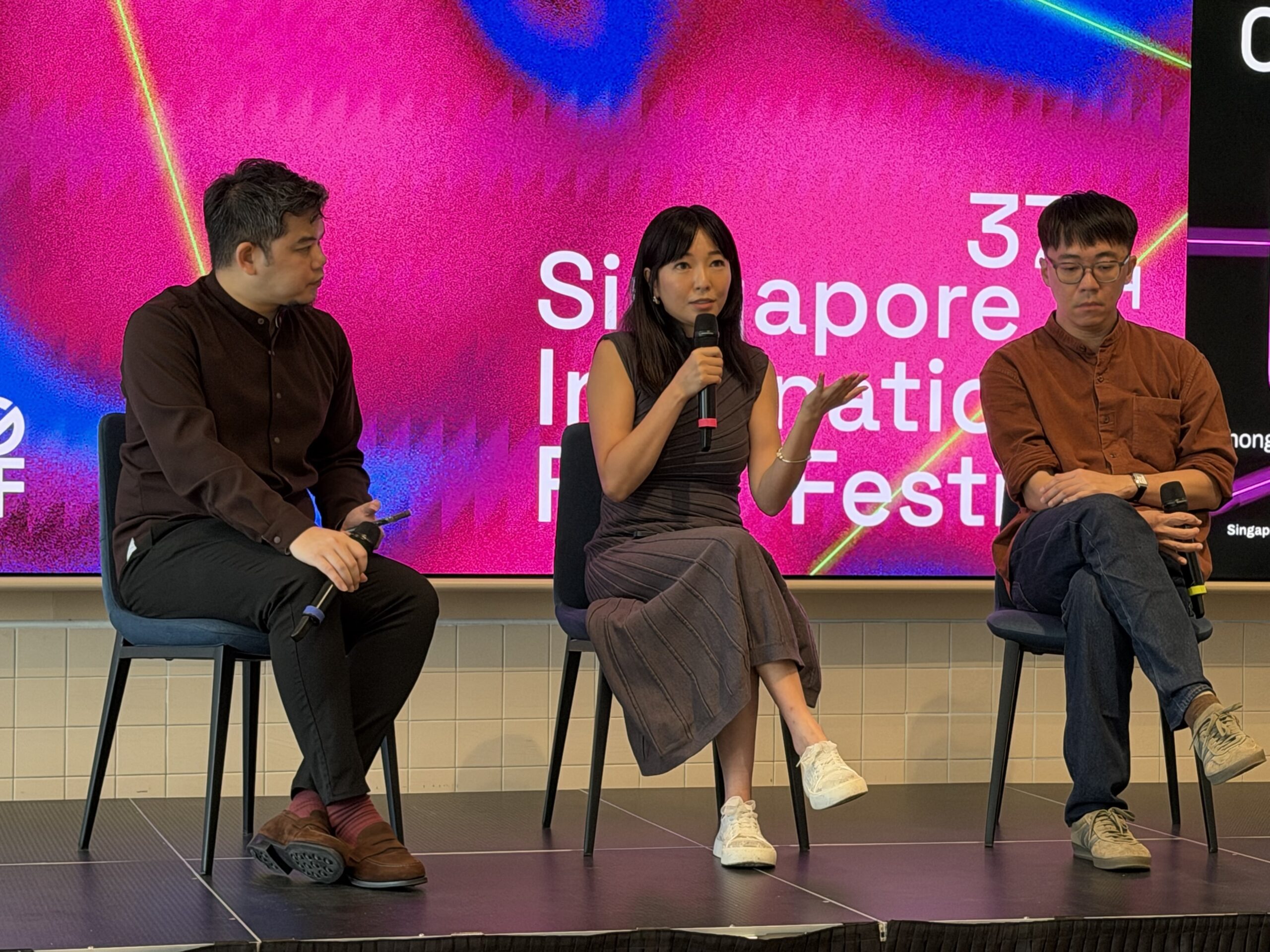
Speaking ahead of the Singapore International Film Festival 2026, Ang reflected on her filmmaking journey. “I think it’s about more than ten years, eleven years,” she said. “Because the film is actually very personal.” The film, set in 1990s Singapore, connects with audiences through emotion and childhood experience, Ang said.
“So my film is actually set in the 90s, and it’s a very Singapore film,” she said. “One thing that really connects with the audience is that they all share this universal language, which is emotion.”
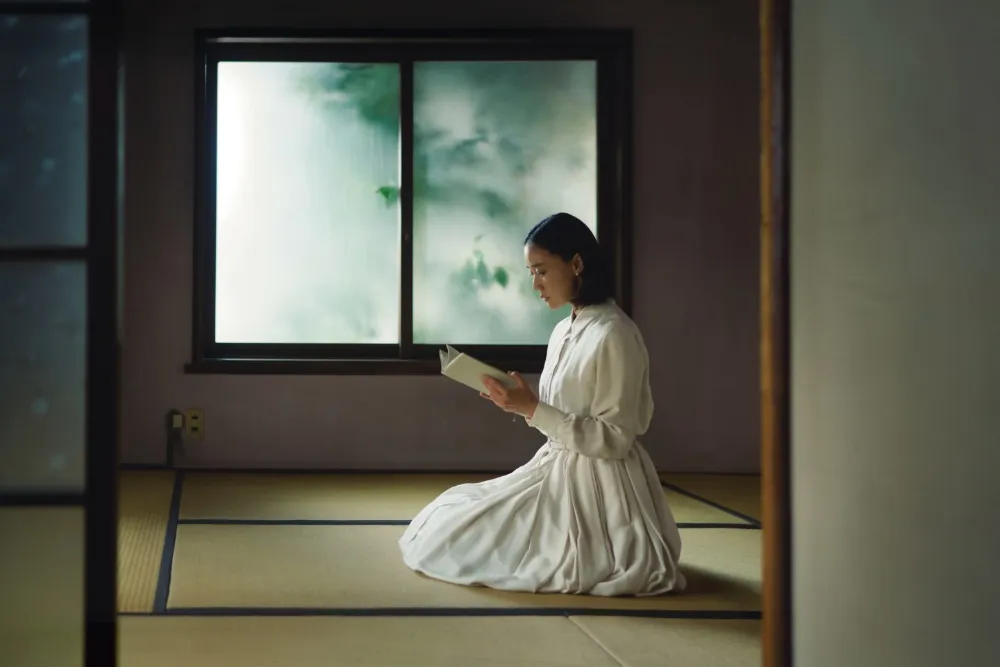
“Ah Girl is a child who is loved by the adults. So when the audience are watching this film, they can really connect with Ah Girl’s childhood, and the emotions in the film.”
A long development process
Ang said the film was difficult to get funded because people initially felt the story was too simple. “When I started pitching the film, the one thing people said is the story is too simple, and they asked what makes this film relatable — is it just any divorce story?” she said.
“That’s why it was very hard to get funding. Luckily, IMDA supported my film, and then we got some grant. But then there was still this gap that I needed to fill up.” To make the film happen, she said she had to take on other work.
View this post on Instagram
“And I remember I had to take up three jobs to come up with the funds for the film.” Ang also said she took on producer responsibilities as part of the process.
Read more: ‘Ah Girl’ Proves Why Asian Childhood Trauma Deserves Honest Storytelling on Screen
For Ang, the most important part of connecting with viewers is storytelling. “ I think the one thing that I feel is most important to connect with the audience is really storytelling,” she said. “So as long as the story resonates with them, I believe there will be conversation, and there will be more talk and sharing about the film.”
She added that marketing and collaboration matter just as much as the film itself. “Marketing is very important,” Ang said. “Getting more collaboration and support [is] essential to help bring this film to share with the local audience.”
The wider industry gap
Ang said one of the biggest problems for filmmakers is what happens after production ends. “So I would say the gap is: we spend so much money making a film, but then ultimately, how do we market the film?” she said.
“I feel like there’s this gap, we don’t really know what to do after that,” she said. “I think we need a lot more resources and the right partners to help with that.”
She also pointed to shifting audience habits, especially with streaming platforms making films easier to access at home. “Also because with streaming platforms, they can easily access the film at home. So why would they want to come and watch the film?”
“I think we should really change the way we create the experience around the film beyond the cinema to bring back our audience to us.”