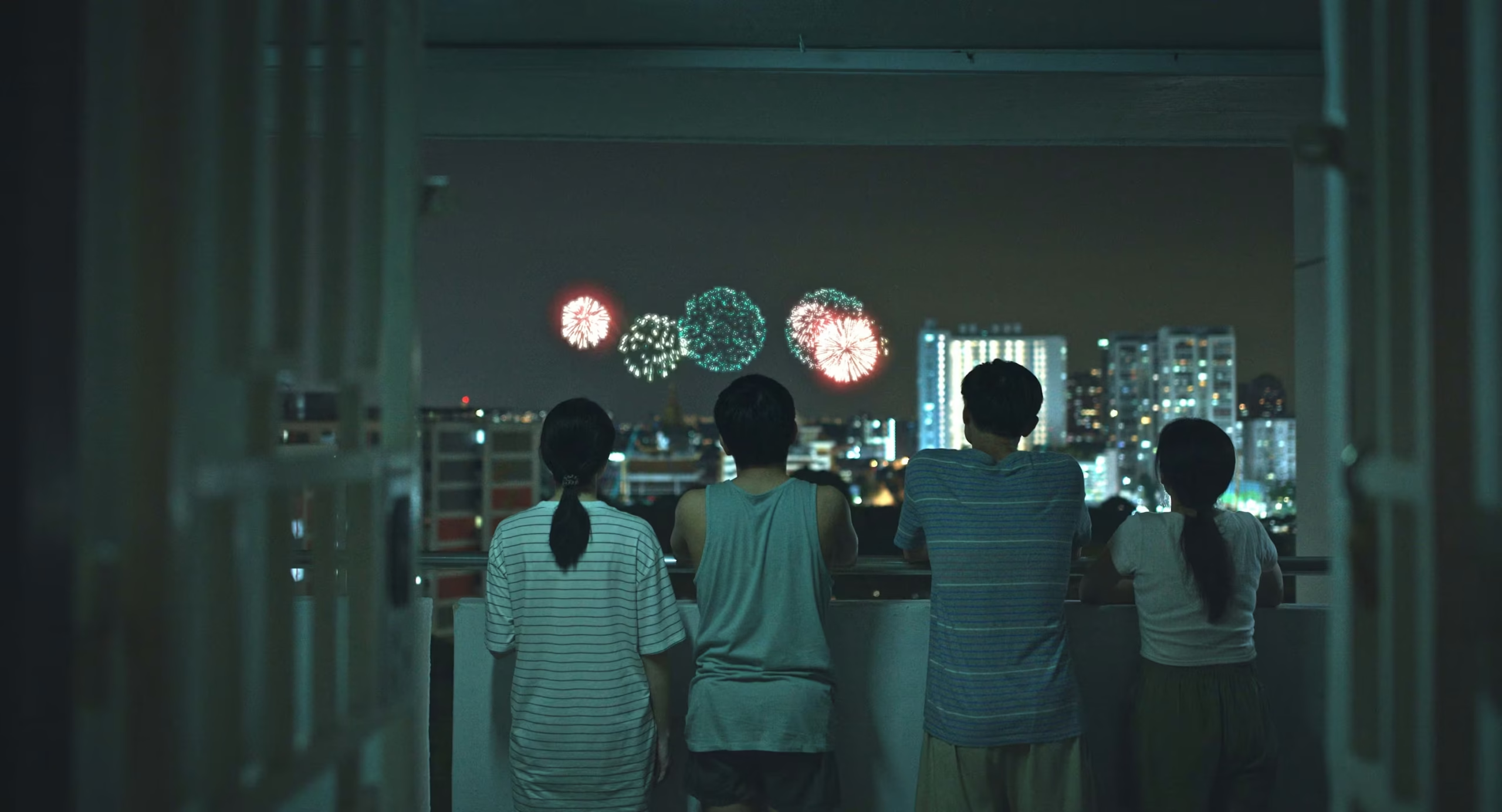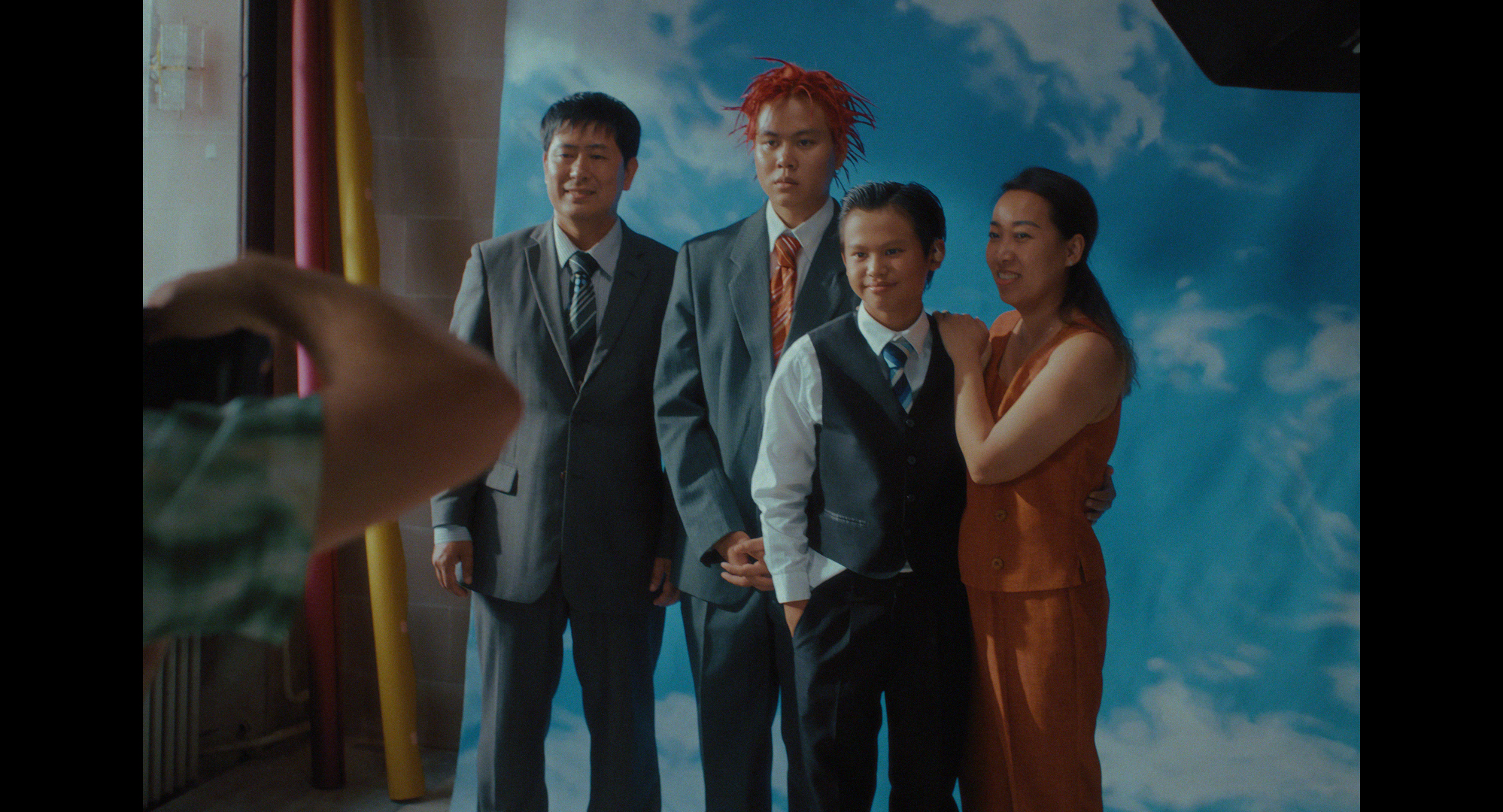
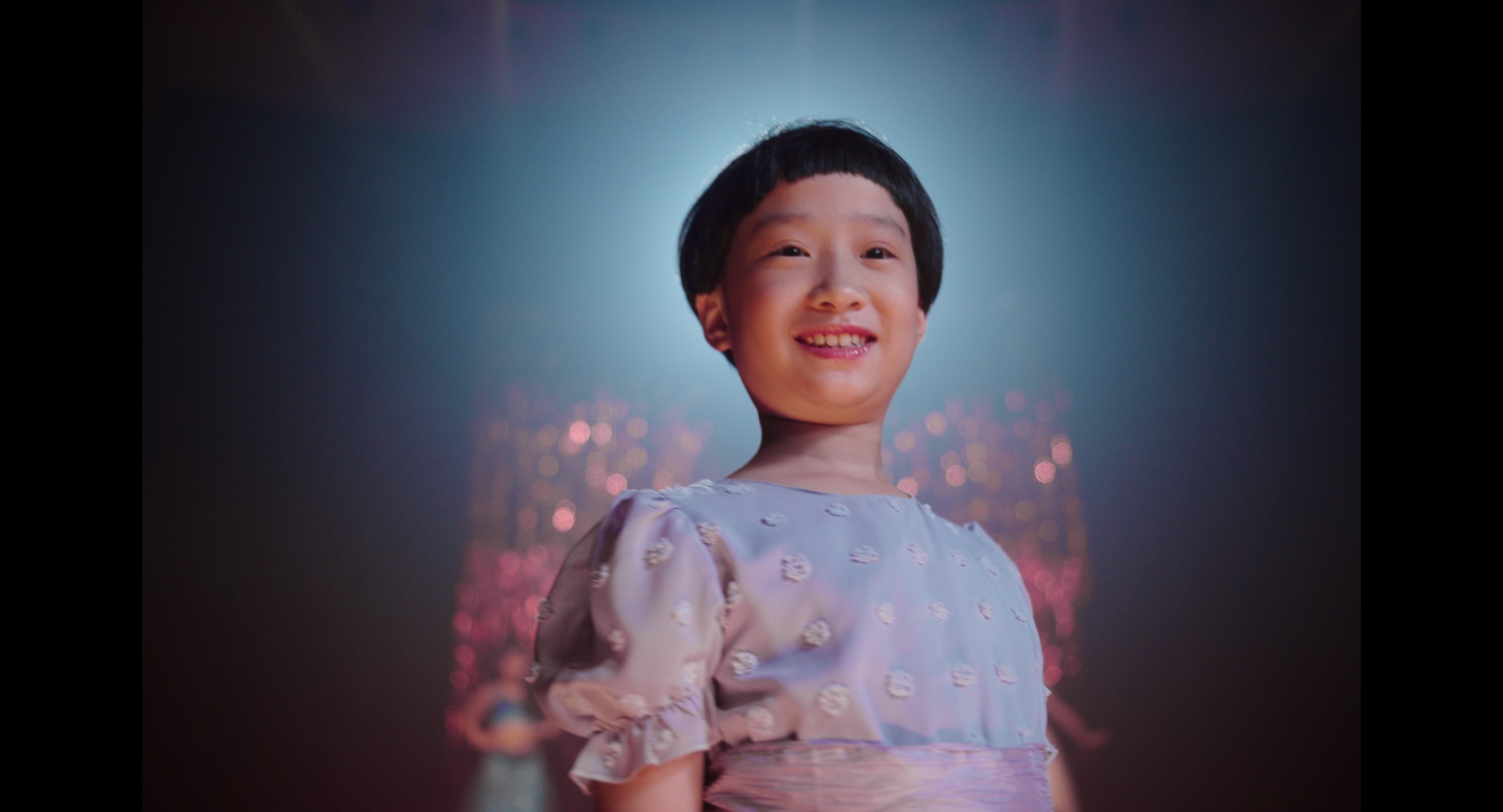
Most adults remember childhood as a blur of primary colours and half-understood rules. In her debut feature Ah Girl, Singaporean filmmaker Ang Geck Geck Priscilla reconstructs that world with startling accuracy. The film follows seven-year-old Eileen Ang Swee Swee (Ong Xuan Jing), known to her family as Ah Girl, as she navigates the quiet collapse of her parents’ marriage in 1994. It is a work drawn straight from Ang’s personal memories, capturing a time when children spent their afternoons unsupervised, inventing games across concrete housing estates while their guardians managed chaotic private lives behind closed doors.
The background of the production explains much of its emotional precision. Ang developed the central figure across several earlier short films over the course of a decade. Her journey to production involved extensive script rewrites, pauses, and consultations with child psychologists and social workers. Supported by Singapore’s New Talent Feature Grant, the finished piece arrived on the international festival circuit this year, earning awards at Rotterdam and Hong Kong before heading to the Toronto International Film Festival. That long period of development paid off. Ang demonstrates remarkable control over her material, avoiding the mawkish sentimentality that often derails domestic family dramas.
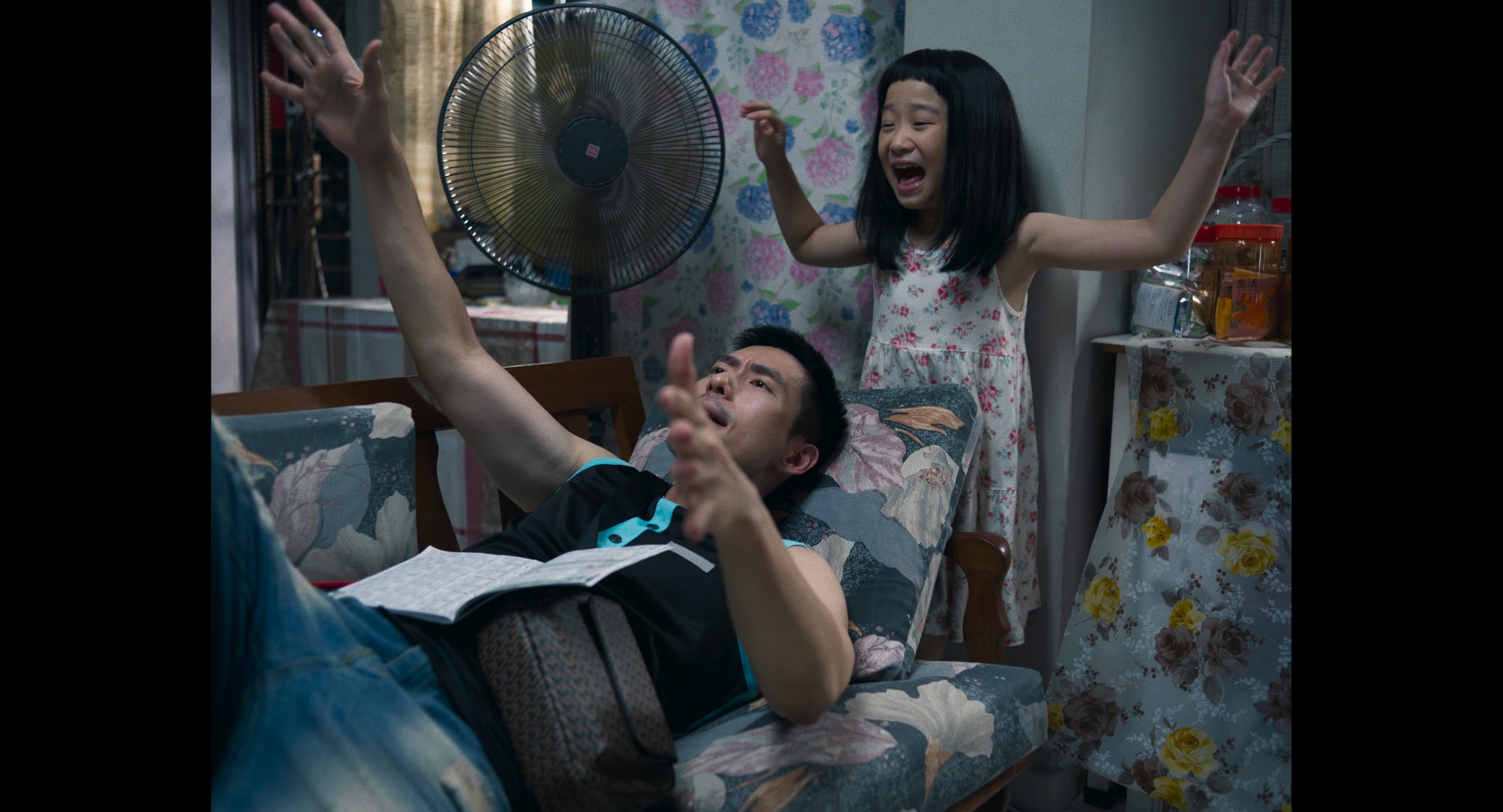
At the centre of the drama is the separation of Swee Swee’s mother and father. Her mother works irregular hours as an overseas tour guide, coping with financial pressure through heavy drinking and volatile companions. Her father maintains an easy-going demeanour while hawking seafood, yet he remains short of cash and brings home an ever-changing rotation of girlfriends. Primary care falls to their grandmother, who herds Swee Swee and her younger sister, Ah Tian, between state-subsidised flats.
The central themes focus on emotional abandonment, childhood agency, and the misjudgements of adulthood. Rather than presenting the parents as monsters, the script shows two people who were never equipped to take on the duty of raising offspring. The film examines how children absorb domestic tension through tiny cracks in the household routine. When money runs low, Swee Swee creates an illicit chewing gum trade at her primary school, two years after the Singaporean government banned the substance. She perceives the household money shortages and attempts to solve them herself, demonstrating how early a child takes on domestic anxieties.
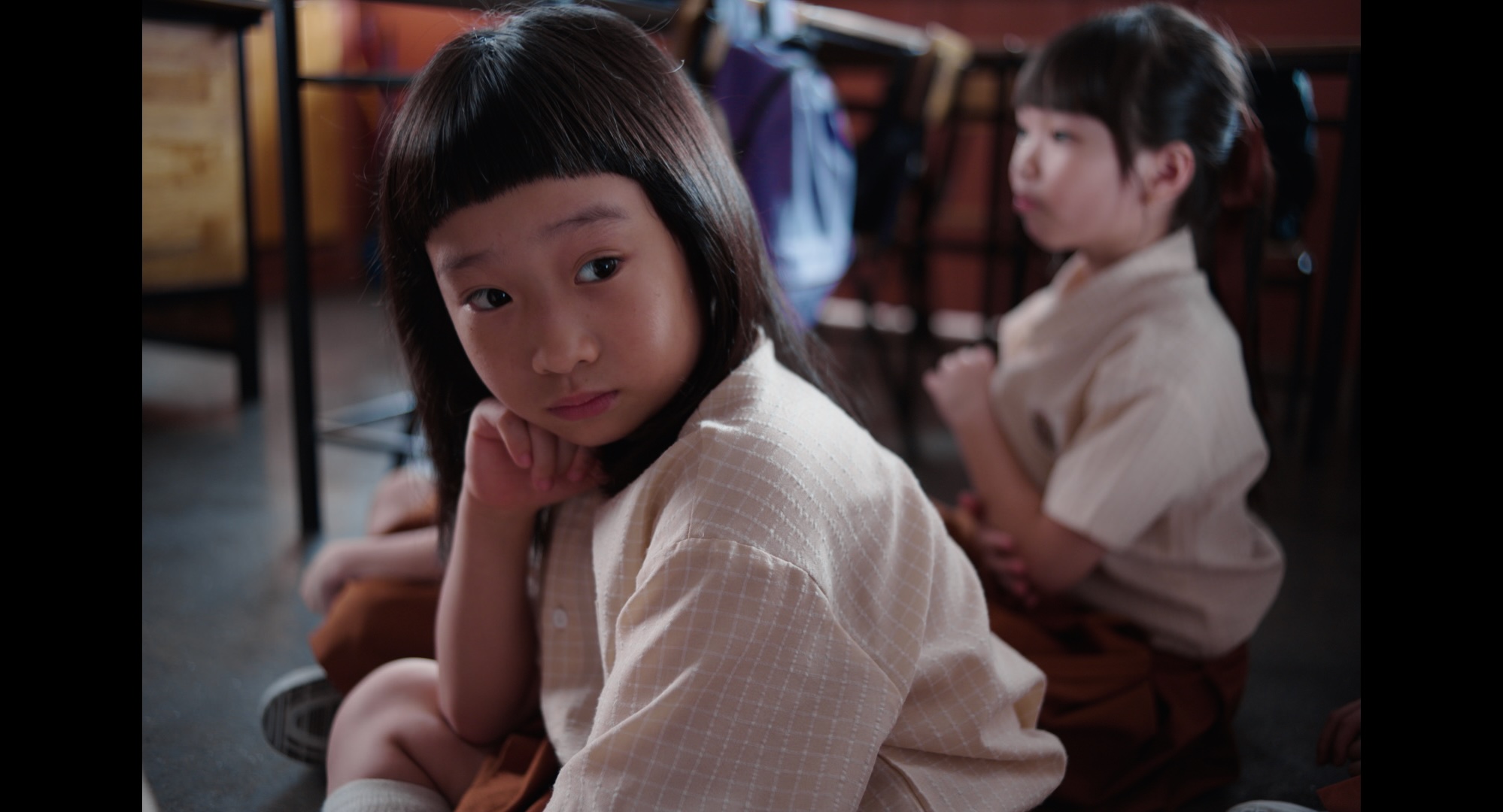
The performances by the young leads anchor the entire project. Ong Xuan Jing portrays Swee Swee with extraordinary vitality. She has a wide, mischievous grin and an expressive face that registers shifts from stubborn pride to silent distress in seconds. Beside her, Sydney Wong offers steady, understated support as Ah Tian, a child dressed and treated as a boy without explicit discussion by the adults around her. The chemistry between the two sisters feels unforced, a credit to Ang’s decision to run months of unscripted workshops and limit takes on set to preserve spontaneous reactions. While experienced actors Carrie Wong and James Seah play the parents, their handsome screen presence appears almost too polished for the weathered reality of the heartlands. The screen belongs entirely to the children.
Audiences approaching the film should prepare for a deliberate rhythm. The story avoids dramatic shouting matches or sudden climaxes. Instead, cinematographer Lim Teck Siang sets the camera at the physical height of a seven-year-old child, using a boxy 4:3 frame that mirrors 1990s television sets and compresses the cramped council flats. Viewers watch adults from the waist down or from low angles across kitchen tables. Important plot revelations, including custody choices and casual discussions about giving a child away, happen in corridors while the girls colour with crayons in the next room.
Ang has created an observant account of growing up in pre-digital Southeast Asia. It deals with real hurt, yet it allows humour, mischief, and childish stubbornness to share the same space. Swee Swee’s world feels delicate, but her capacity to endure remains complete.