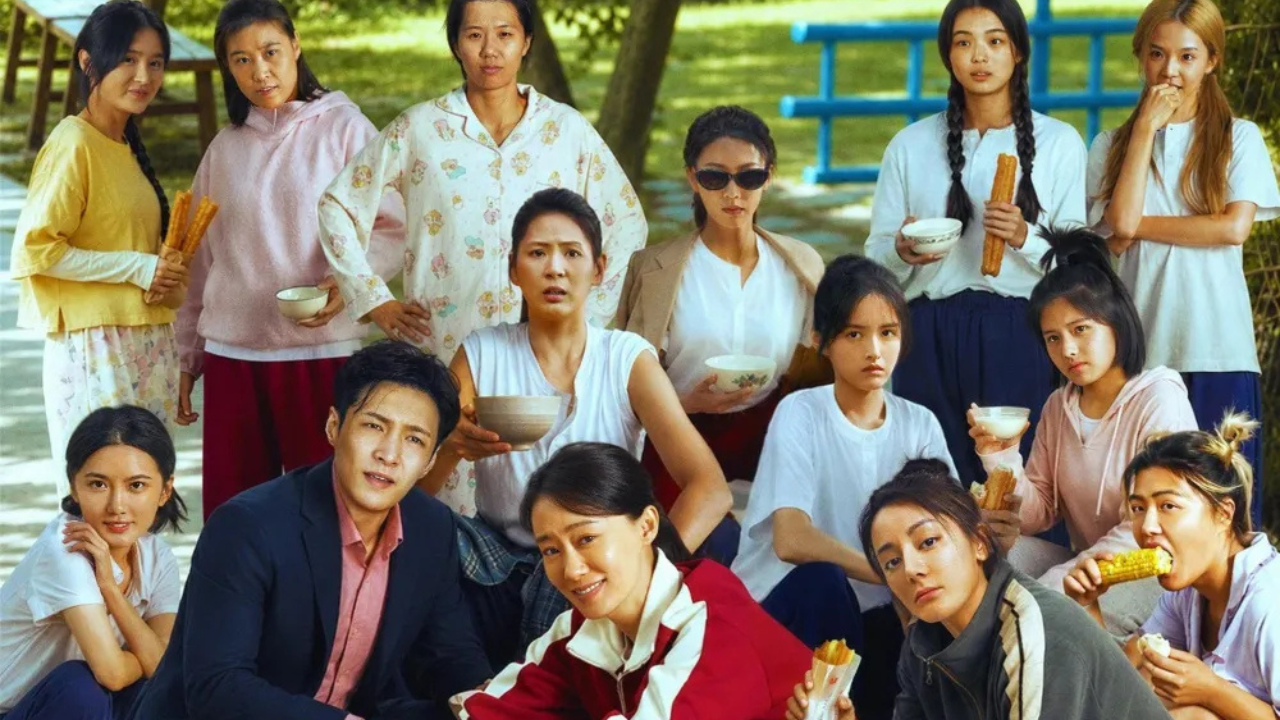
The commercial vitality of comic cinema has reasserted itself in dramatic fashion within the world’s second-largest film market. Kung Fu Soccer, the long-awaited spiritual successor to the 2001 international phenomenon Shaolin Soccer, secured an astonishing 73.6 million dollar debut across its opening weekend in China.
The two-day tally, tracked by industry analyst Artisan Gateway, represents nearly three-quarters of all domestic cinema ticket sales, outperforming its closest theatrical competitor nine times over. The opening establishes a significant milestone for director Stephen Chow, marking his first return to the director’s chair since 2019’s The New King of Comedy.
A New Generation on the Pitch
The cinematic architecture of the new film pivots away from the original masculine ensemble, choosing instead to structure the narrative around an all-female sports squad known as the underdog Emei team. The players systematically integrate traditional martial arts maneuvers into their football matches during a high-stakes campaign through a tournament titled the Supreme Invincible Cup.
Read more: How the King of Comedy Taught the World Not to Take Itself Seriously
The sixty-four-year-old director remains strictly behind the camera for this outing. Stephen Chow chose to retire from on-screen acting assignments following his appearance in the 2008 science fiction comedy CJ7.
To fill the void left by his absence, the production utilises a prominent ensemble of contemporary Chinese performers. Zhang Xiaofei leads the squad as the team’s captain, performing alongside actress Dilraba Dilmurat as the central striker and recording artist Lay Zhang as the team’s martial arts instructor. The film also features a wide array of cross-cultural guest appearances, ranging from Hong Kong screen veteran Carina Lau and Japanese actor Takeru Satoh to the American comedian Jimmy O. Yang and retired Chinese national goalkeeper Zhao Lina.
Exploiting the Global Sporting Mood
The domestic release structure, managed by the Beijing-based media firm Maoyan Entertainment, intentionally leverages two major cultural milestones. The rollout coordinates directly with the twenty-five-year anniversary of the original Shaolin Soccer release, while simultaneously exploiting the heightened public interest surrounding this summer’s FIFA World Cup.
Audience metrics indicate an exceptionally positive reception, with viewers on the Maoyan platform awarding the film a 9.4 out of 10 consumer rating. Early algorithms project a total domestic box office run of 368 million dollars, a figure that would single-handedly alter the financial trajectory of the domestic summer box office season.
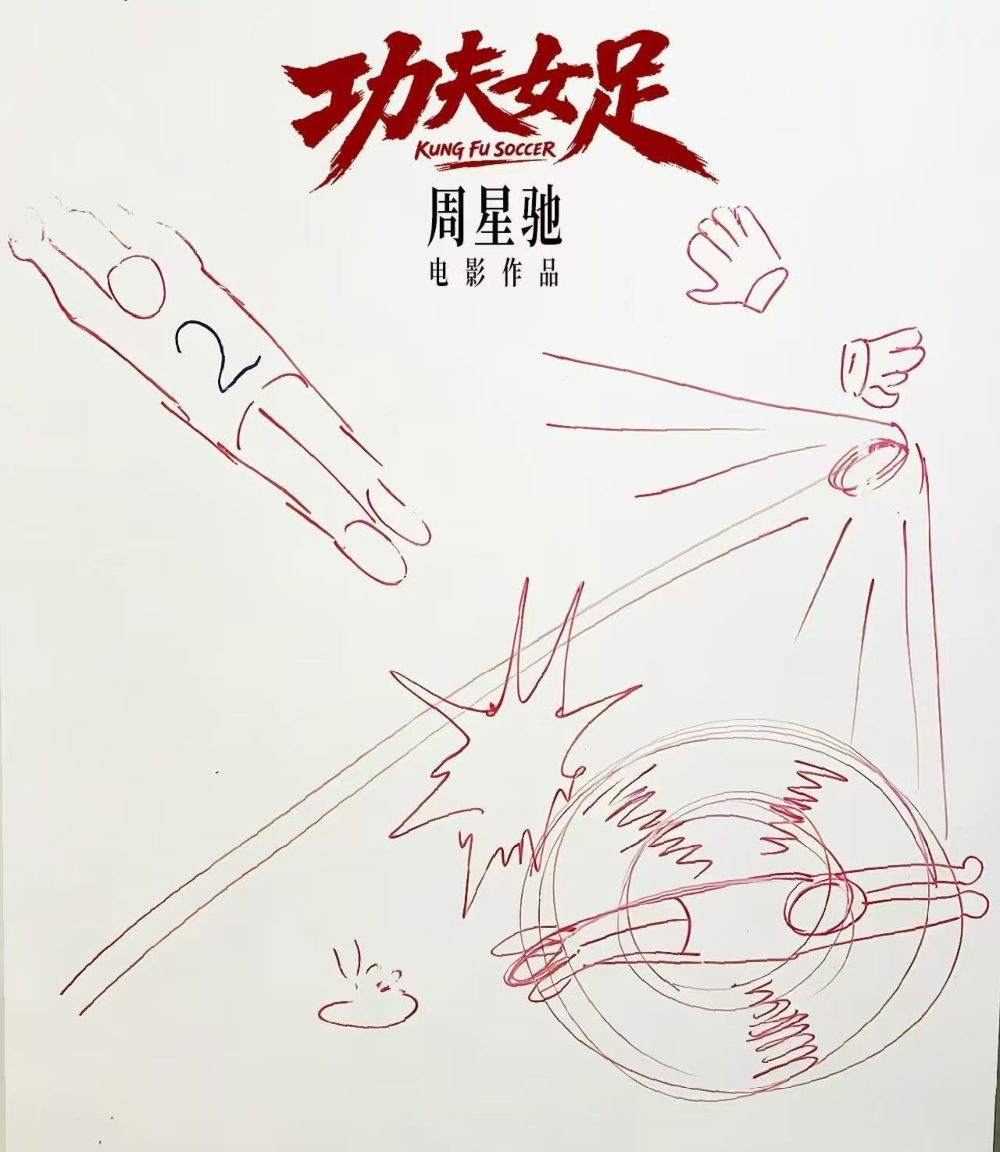
The international distribution rights outside mainland China are currently held by Singapore’s Encore Films. While the distributor has successfully finalized a sequence of territory-by-territory releases across Southeast Asia, an official Western theatrical release timeline for the United Kingdom and the United States remains under negotiation.
Shifting the Domestic Box Office Balance
The immediate financial success of the project has provided a necessary economic correction for the broader film industry. Total ticket sales for 2026 had previously experienced a thirty-eight per cent decline compared to the same period last year. That statistical gap was largely skewed by the historic, record-breaking theatrical run of the animated feature Ne Zha 2 in early 2025.
Chow’s return successfully displaced several Hollywood properties and high-budget domestic animations. Universal’s animated sequel Minions & Monsters dropped to the number two position during its second week of availability, experiencing a fifty per cent decline to finish the weekend with 8.1 million dollars.
Read more: Tony Leung Says AI Is a “Double-Edged Sword” With “No Soul” as He Warns of Cinema’s Creative Cost
Meanwhile, Light Chaser Animation’s historical epic Three Kingdoms: The Beginning debuted to a modest 4.7 million dollars, trailing far behind Chow’s live-action comedy. The independent horror feature Backrooms, distributed by A24, maintained its fourth-place position, elevating its local haul to 21.8 million dollars to become the highest-grossing release in the history of the independent label within an Asian territory.