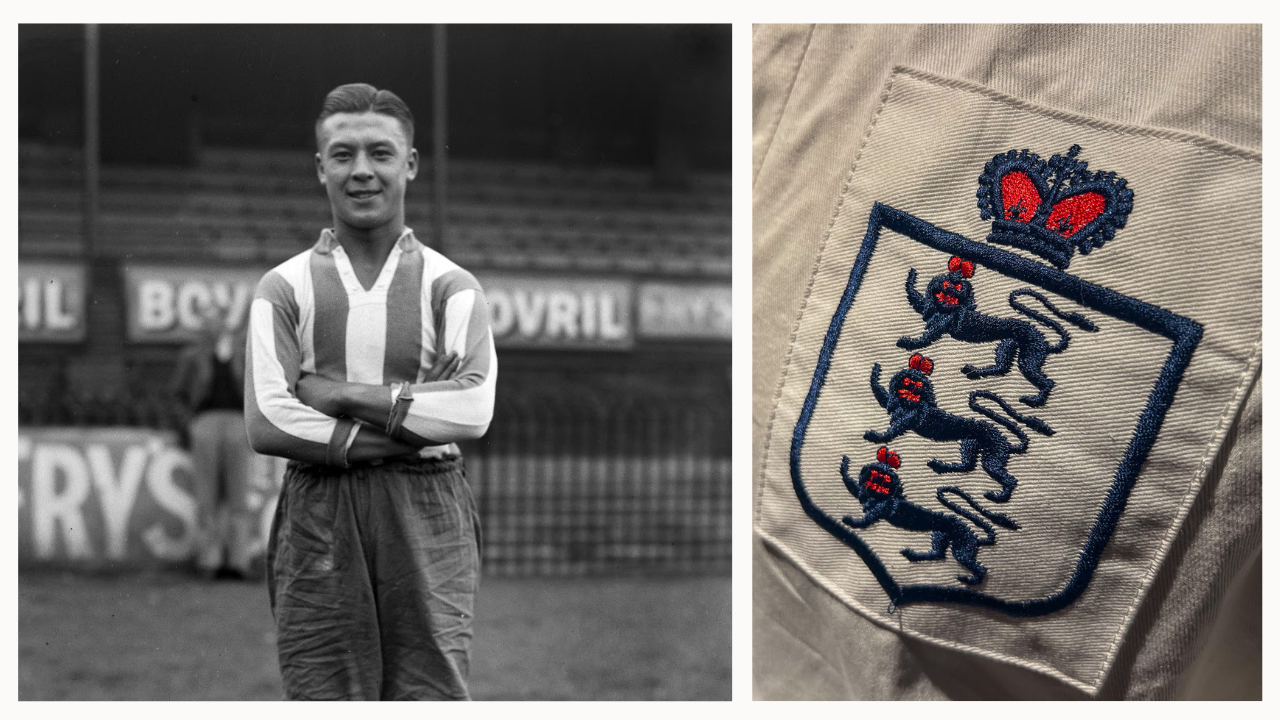
The first player of Asian heritage to represent the England national football team has been officially commemorated with a blue plaque. Historic England unveiled the memorial at the house where Frank Soo was born on Lightwood Road in Buxton, Derbyshire.
Soo, who made nine appearances for England during the Second World War, went on to become a prominent figure in domestic and European football. The recognition follows a long-running public campaign by historians and his surviving family members to ensure his achievements find a permanent place in British sporting history.
From A Buxton Laundry To Wembley
Born on 8 March 1914 to a Chinese father and an English mother, Soo grew up in Buxton, where his parents operated a local laundry business. He entered professional football and eventually captained a celebrated Stoke City side that featured Sir Stanley Matthews. His league career also included appearances for Leicester City and Luton Town, making him the first individual of East or South East Asian heritage to play in the Football League.
Read more: Frank Soo: England’s First Asian Heritage Footballer Finally Honoured at Wembley
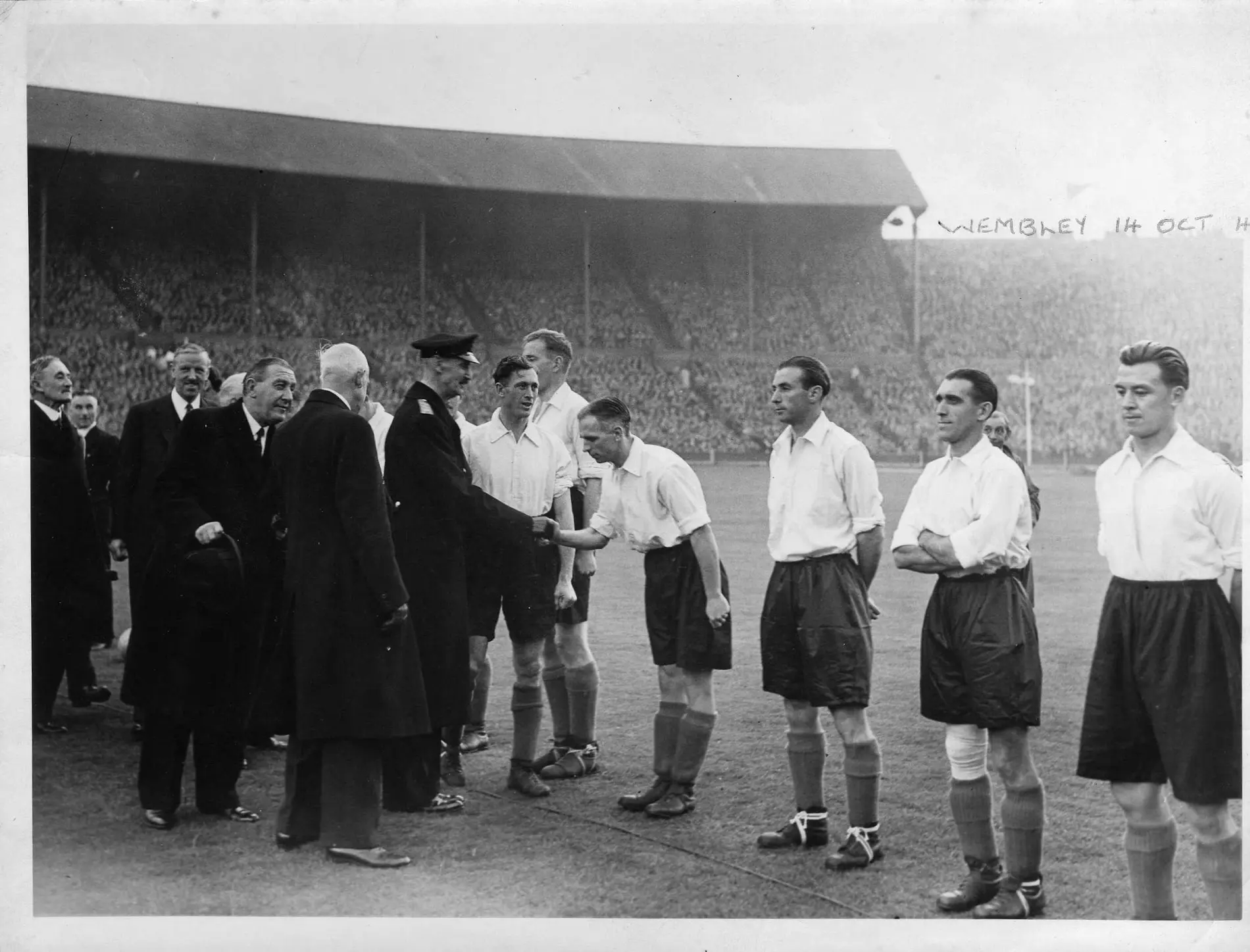
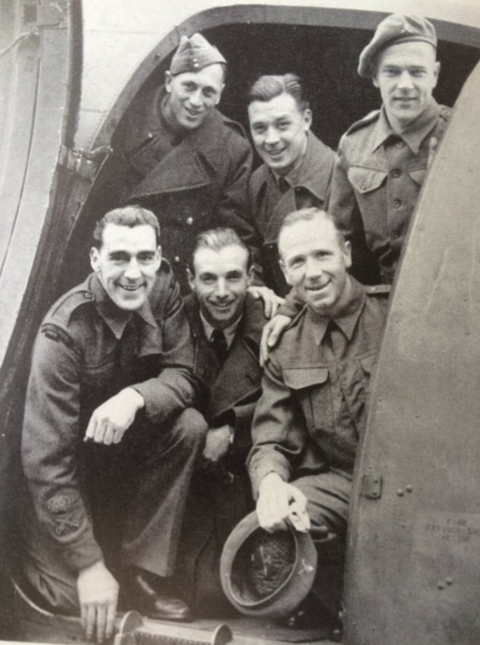
During the Second World War, Soo served in the Royal Air Force while continuing his football career as a high-profile guest player for clubs including Chelsea, Newcastle United, and Everton. Despite his selection for the national team on nine occasions between 1942 and 1945, he never received an official England cap during his lifetime. The Football Association did not formally recognize international fixtures played during the wartime period.
The historical omission was partly rectified last year when the FA presented his family with an honorary England cap at Wembley Stadium. His great-niece, Jacqui Soo, expressed the family’s relief at the double recognition.
“We were always very disappointed that he was never ever awarded an England cap in his lifetime, so when we campaigned and we were finally awarded the England cap by the FA that was a great honour,” she said. “Now this is also a huge honour for our family and I think for the town of Buxton.”
An Exceptional Athlete Largely Ignored
The campaign for the blue plaque began after local community groups noticed how completely Soo’s career had faded from public consciousness. The Friends of Buxton Station group presented the formal case to Historic England after drawing evidence from a 2023 biography by historian Julian Cohen, titled Surely Not in Buxton.
Dave Carlisle, the chairman of the station group, noted that the validation process required significant effort. “Blue plaques are not given out easily, so we had to work very hard to convince Historic England how deserving Frank’s case was,” Carlisle explained. “We are thrilled that Frank has finally been properly and truly recognised.”
Read More: INTERVIEW: Author Susan Gardiner discusses her book on British Chinese footballer Frank Soo
Family members recall Soo as a dedicated fitness enthusiast who maintained his physical abilities well into his senior years. Jacqui Soo recalled meeting him when he was seventy-five years old at her home in Liverpool, where he could still perform one-handed press-ups and complex ball control tricks. “He was incredibly fit, never smoked, never drank all his life,” she stated.
A Global Management Legacy
Following his retirement as a player, Soo transitioned into international management, building a extensive career across mainland Europe. He managed several clubs in Scandinavia, took charge of Padova in Italy, and coached the Norwegian national team during the 1952 Olympic Games in Helsinki. His domestic management portfolio also included stints at Scunthorpe United and St Albans City.
Alan Lau, the chair of the Frank Soo Foundation, emphasised the social importance of the new plaque on the original laundry building. “Many people from Chinese communities were in the laundry business in the early 20th century and it shows how from humble beginnings Frank went on to battle adversity and become an England player,” Lau said.
The heritage minister, Baroness Fiona Twycross, noted that the commemoration is particularly relevant during a World Cup year. Twycross stated that Soo remains a vital part of national sporting heritage, adding that his dual service on the pitch and in the Royal Air Force means he thoroughly deserves his defined place in the national story.
View this post on Instagram