Boxes packed with gifts sit ready for shipment across the world. For many British Filipinos, these packages represent a constant link to their homeland. Now, a month-long cultural event in London uses this symbol to look at the realities of diaspora life.
The Balikbayan Festival 2026 marks the 80th anniversary of the independence of the Philippines from the United States. It brings together film, live performance and art to create a space where different generations can discuss their shared history.
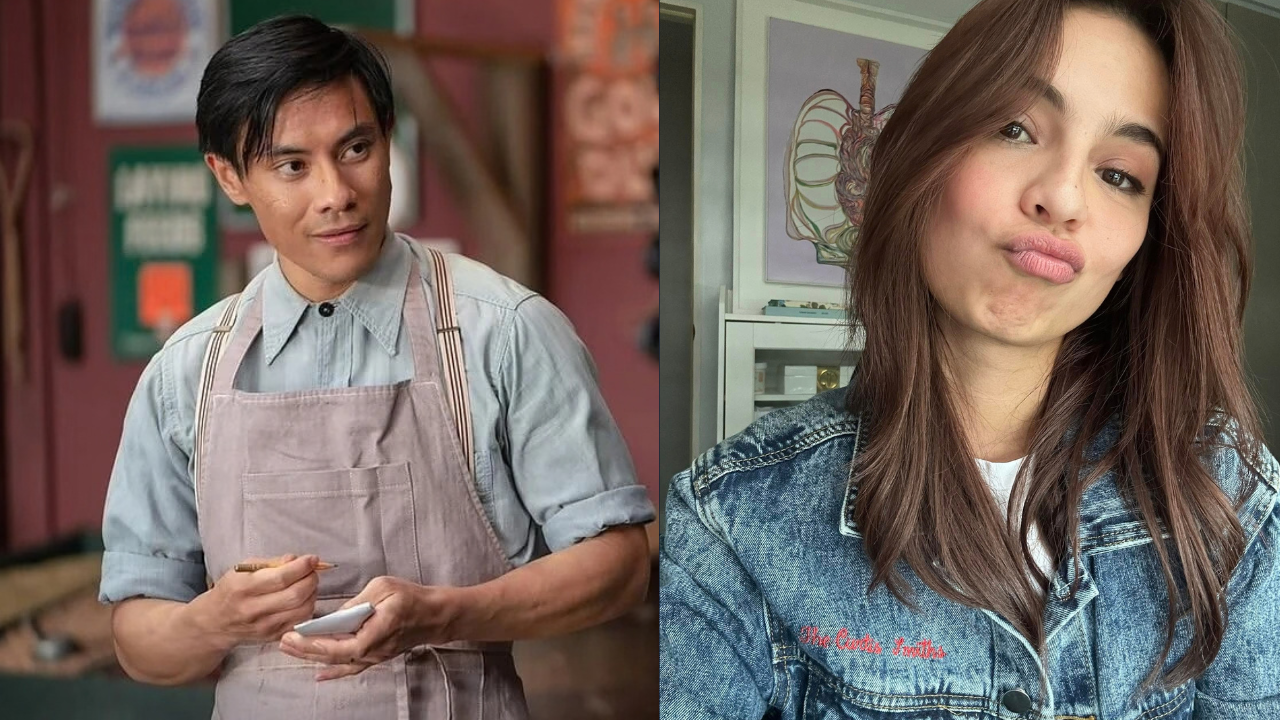
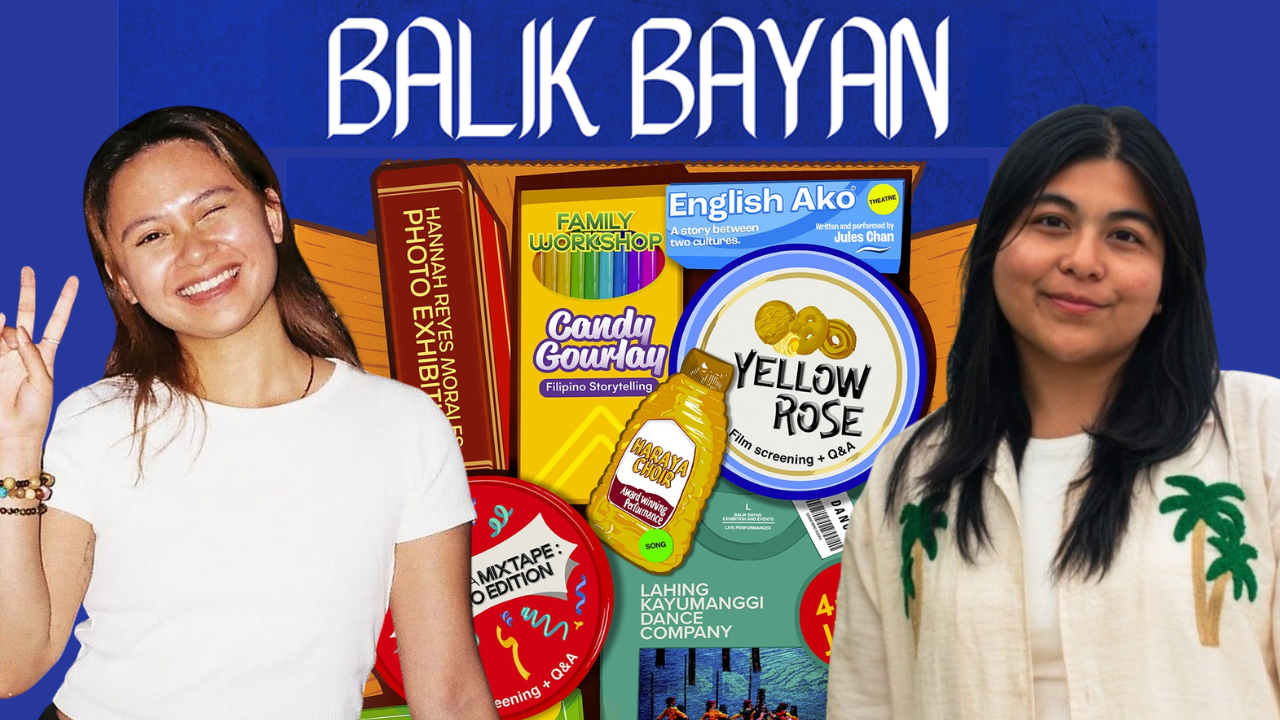
Co-producers Gabby Lauren and Graciela Mae Chico, known as Mae, built the event to challenge shallow representations of their community. Backed by Arts Council England and grassroots groups, they want to show the multi-layered reality of British-Filipino life.
The Origin Story and Spark Behind the Festival
The idea grew directly from the founder of MilkTea, Chi Thai, who last year hosted and supported a cultural programme reflecting on the fiftieth anniversary of the end of the Vietnam War in 2025. Building on the momentum of that diverse format, Chi was keen to revisit the idea of a multi-vocal programme to reflect on another historical milestone: the eightieth anniversary of the Philippines’ independence from the United States in 2026. This timeline coupled perfectly with a long-standing desire within the organisation to host the UK theatrical premiere of Diane Paragas’s Yellow Rose.
Mae was already a volunteer at MilkTea when Chi approached her to lead the ambitious project. “It was a great way to work with MilkTea in a deeper and more meaningful way,” Mae says, “but also to hone my skills in producing community-centric events and programming.”
Read more: Balik Bayan London 2026 Brings Huge Filipino Arts and Cinema Festival to the UK This July
The year 2026 provides a specific historical anchor for the diaspora, though it opens up complicated questions. The Philippines has two distinct independence milestones, with the primary public celebration on 12th June marking freedom from centuries of Spanish rule, while 4th July marks the anniversary of the country’s independence from the United States.
“That entire discourse regarding independence is a highly complex conversation within our community regarding what independence truly means to Filipinos, what it entails, and whether we are actually free from these historical colonial powers,” May explains.
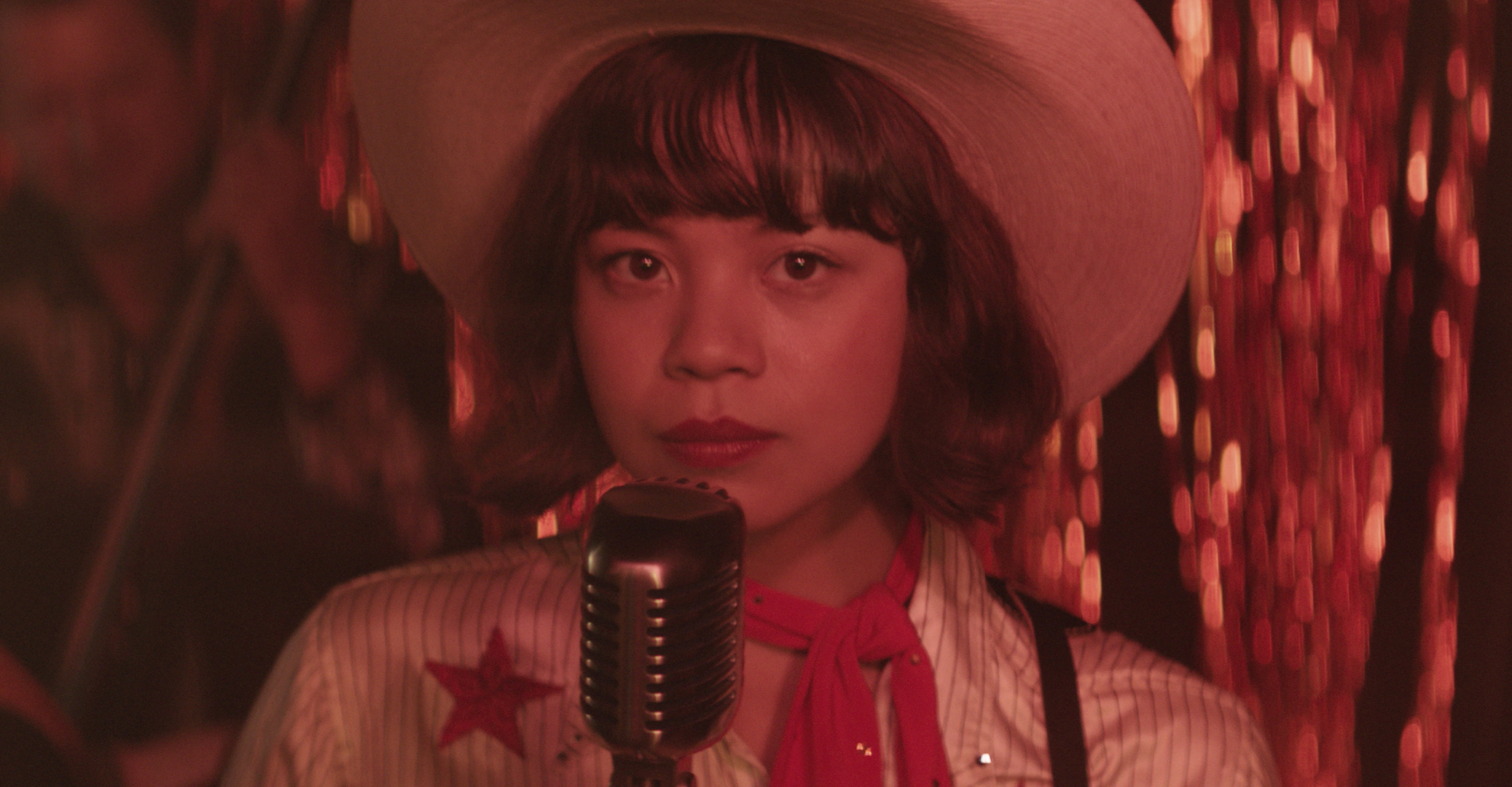
To spark these conversations, the organisers selected the film Yellow Rose for its UK premiere. The 2019 musical drama follows a undocumented Filipino girl in Texas who dreams of country music.
“It doesn’t matter whether you are a Filipino living in America or a Filipino living in the UK,” Mae says. “The universal conversations surrounding immigration and the feeling of ‘otherness’ cross the Atlantic completely.”
What does Balikbayan mean?
The festival takes its name from a phrase coined in the 1970s under the Marcos dictatorship. The government encouraged citizens to work abroad so their financial remittances would support the domestic economy.
“The government tried to romanticise and collectivise the socioeconomic reality, framing it as a sacrifice for the nation,” Mae notes. Her own parents and grandparents left their homeland to support their families.
“I never initially viewed the system negatively because I didn’t know the dark history behind it,” she says. In the Philippines, these workers are called Bagong Bayani, or modern-day heroes. “I always viewed Balikbayans through that exact lens, without fully realising the gravity and complex history behind it.”
Read more: Beyond ‘Dear You’: A Conversation With Qin Zhang on Migration, Memory and Her Grandmother’s Legacy
The word itself has a double meaning. As a compound noun, it refers to a person returning home. Split the words apart, and it becomes the literal action: to return home.
The physical embodiment of this link is the Balikbayan box, filled with goods sent to loved ones from abroad. Mae is leading an art exhibition focused entirely on these packages.
Co-producer Gabby Lauren grew up knowing only the practical side of the tradition. “I historically only knew the term through the lens of the traditional custom—the physical act of packing goods for your loved ones and shipping them across the world,” Lauren says. “But when you break the words down to mean ‘return home,’ the custom transforms into a literal portal for understanding our wider identity.”
Bridging the generation gap
The festival aims to connect different eras of immigration. In the UK, Filipino events usually split into two clear categories. People attend either a traditional Barrio Fiesta with pop music covers, or formal events dedicated strictly to traditional folk dancing. They rarely appear under one roof.
Lauren felt this absence during her childhood. “Growing up as a kid, I deeply wished I had access to broader cultural arts programming,” she says. She points to a current shift, with new grassroots groups like Maharlika UK, Filifest and RE–US London creating platforms for younger people.
Mae noticed a similar divide when she moved to London after university. While she found a community of young artists, she missed the natural interaction with older generations that happens at family parties back home.
“Second-generation youth often struggle with the internal pressure of trying to balance being ‘British enough’ while remaining ‘Filipino enough,’ which can be an exhausting tightrope walk,” Mae says.
Older generations do not always see this tension. “First-generation parents don’t always see that internal struggle; they often just see the privilege of being in the UK and having endless opportunities. We hope this festival enlightens both generations and demonstrates that we are all simply trying to navigate our identities under different historical circumstances.”
It takes a village
Pulling together a monthly festival required a large collaborative network. The team partnered with organisations including Voice ESEA, the Migration Museum, and Kanlungan, a welfare charity supporting Filipino immigrants since the 1980s.
Lauren attributes the success to cultural values. “The Filipino culture inherently possesses an overwhelming community spirit,” she says. “A large number of our personal friends are stepping up to help us manage and execute the various strands of the festival.”
Mae views this through the concept of Bayanihan, a tradition where an entire community helps a neighbour move their physical house. “It is our cultural equivalent of the phrase ‘it takes a village,'” she says.
By working with Kanlungan, the festival connects with older community members who might not otherwise attend an contemporary arts event. This partnership helped organise workshops, such as a family storytelling session led by author Candy Gourlay.
Moving past the clichés
The organisers want to push past superficial representations of Asian culture in mainstream British society.
“Right now, there is a trend of ‘Filipino-maxing’ or ‘Asian-maxing’ in mainstream culture where things like Ube flavor are suddenly incredibly popular in trendy cafes, even though it’s rarely authentic Ube,” Lauren says. She hopes the exhibition forces audiences to look past these food trends to understand the actual depth of Filipino creative talent.
Read more: Juniper by the Sea Founder Zoe Li on Selling ESEA Books the UK Couldn’t Find
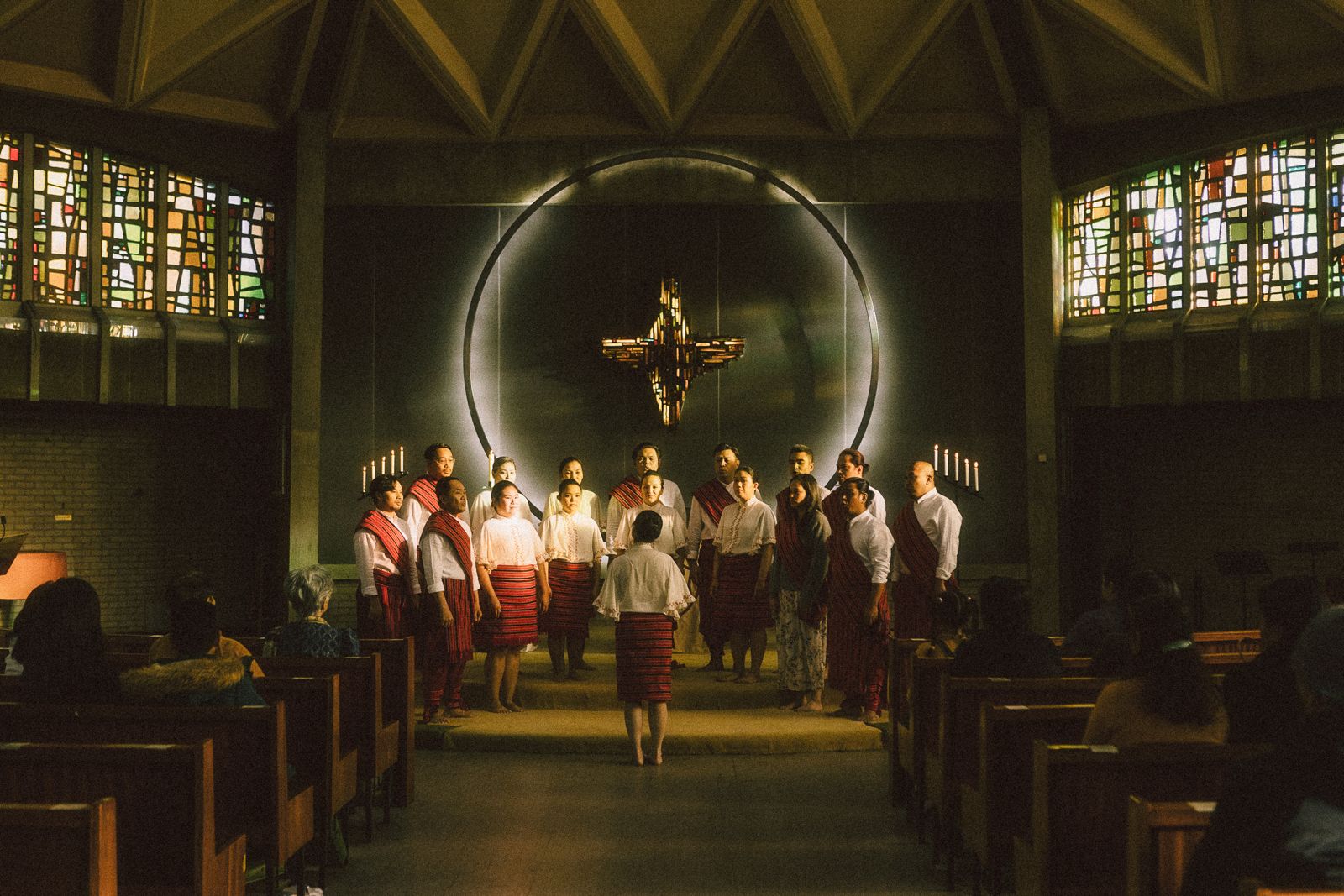
Mae agrees that the community is often reduced to stereotypes like being good at karaoke. “We are putting our vocal talent on full display through Yellow Rose and our live choir performances, but I want the takeaway to be an authentic insight into our culture that completely bypasses mainstream clichés and tokenistic representation,” she says.
Ultimately, the exhibition aims to show a shared human experience that anyone can understand.
“Looking specifically at the Balikbayan box exhibition, the core theme is entirely universal,” Mae says. “It is a raw exploration of human connection and the lengths we go to stay tied to the people we love.”
To get more information on how to get tickets, visit the link in Milktea’s eventbrite.
To see the full program click here.
View this post on Instagram