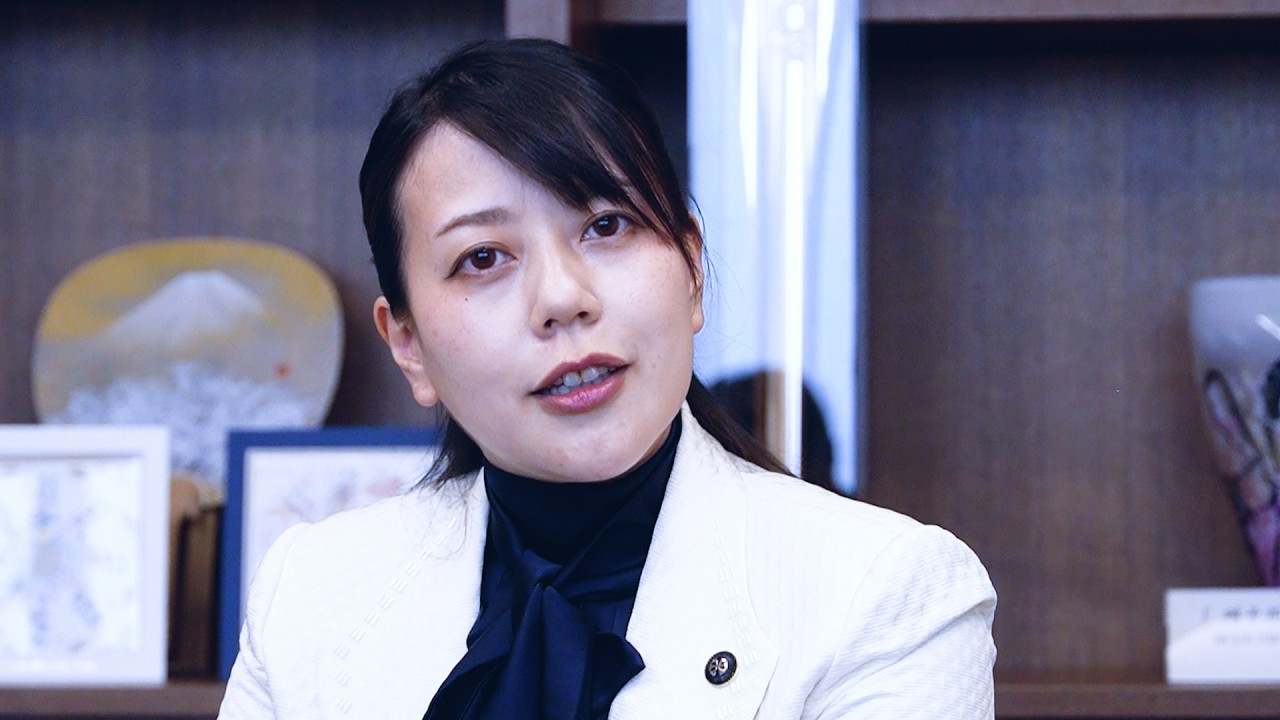
When Japan mayor Shoko Kawata announced she would take maternity leave, she expected mild surprise. Instead, the decision sparked a nationwide debate on maternity leave, women in politics, and Japan’s declining birth rate.
“I was so surprised because the reaction was so big,” Kawata tells the BBC.
At 35, Shoko Kawata leads Yawata, a town south of Kyoto known for its shrines and cherry blossoms. Sitting in a meeting room at City Hall alongside her deputies, Kawata has found herself at the center of a national conversation about gender equality in Japan and the realities of female leadership.
Japan currently has no legal framework allowing elected officials to take maternity leave. As a result, Kawata will not formally go on leave. Instead, she has assigned her deputy, Shigeto Nose, to carry out mayoral duties during her absence.
Kawata plans to step back for four months—two before and two after her mid-September due date—becoming the first mayor in Japan to do so.
While her colleagues have been supportive, public reaction has been sharply divided. Thousands of posts across X and YouTube reflect a broader societal split on maternity leave in politics.
Read more: Naomi Osaka Stuns Wimbledon With White ‘Kill Bill’ Kimono
Supporters argue that Japan’s systems have failed to adapt to pregnancy and modern family life. Some say Shoko Kawata is setting a powerful example for women in Japanese politics, helping normalize the idea that leaders can balance public office with parenthood.
Critics, however, have called her decision “irresponsible.” Some argue she should have delayed pregnancy or resigned, while others say public officials should not receive full salaries during maternity leave.
Kawata has firmly rejected these criticisms.
“If we were to criticise politicians taking maternity leave, it means we are effectively excluding all women in their 20s through 40s – women who are capable of becoming pregnant – from public office.”
The debate around Shoko Kawata’s maternity leave highlights a deeper issue: the underrepresentation of women in Japanese politics.
Shoko Kawata taking maternity leave as mayor highlights Japan’s low birth rates and rigid work culture, but blaming “patriarchy” misses the point. Women balancing career and family is vital, yet endless debates over systems ignore biology and culture. Nations thrive when…
— VELVAVOID (@VELVAVOID1) June 8, 2026
Japanese people are quite insensitive to pregnant women. Look at them criticizing the Mayor Shoko Kawata for taking maternity leave or being pregnant during her term. The patriarchy stinks as if these ppl weren’t birth from women (BBC news)🧐🤔
— Jaguar Knights (@KnightsJaguar) July 3, 2026
All activists on the behalf of gender equality rights should stand out to support Shoko Kawata for feminization power in Japan https://t.co/pv2RrwF2td
— 🇹🇼中卫的汪精卫🇹🇼 (@lianqiuhu) June 8, 2026
The way people are speaking about Shoko Kawata just proves, yet again, that women are criticised no matter what choice they make.
The Mayor of Yawata is taking four MONTHS of maternity leave, and somehow that’s become controversial?
Considering that the birth rate in Japan has…
— Sharon Gaffka 🍉 (@SharonNJGaffka) July 3, 2026
As of last year, only about 4% of Japan’s 1,720 municipal leaders were women. Despite being the world’s fourth-largest economy, Japan ranks 118th out of 146 countries in the World Economic Forum’s gender gap index, making it the lowest-performing G7 nation on gender equality.
A 2025 Cabinet Office survey identified key barriers preventing women from entering politics, including pregnancy, societal expectations that politics is a male domain, and harassment.
Kawata’s rise has been notable. She became Japan’s youngest-ever female city mayor at 33 after graduating from Kyoto University with a degree in economics and building a career in local government. Her leadership now places her at the center of discussions about female leadership in Japan.
For some observers, the issue is not whether maternity leave is appropriate, but how governance continues during it.
Former mayor Shinji Ishimaru has suggested the focus should be on ensuring continuity in municipal operations. He views Kawata’s case as an opportunity to rethink how parental leave in government can function without disrupting public services.
Deputy mayor Shigeto Nose, who will assume full mayoral authority during Kawata’s absence, says the situation is being closely watched.
“I do think many people are watching to see how situations like this – when a woman gives birth while serving as a mayor – can be handled in practice,” he says.
Nose also reflects on changing attitudes toward parenting in Japan. He did not take parental leave when raising his own children, leaving childcare entirely to his wife.
Read more: Japan Bow Out of World Cup but Win Hearts by Bowing to Fans
“When I came home, I was tired. Even if the baby cried during the night, I left it to my wife. Looking back now, I genuinely feel that’s something I should reflect on.”
Now, he sees a shift in the next generation. His son-in-law is taking six months off work to support his daughter after the birth of their second child.
“Seeing that makes me happy. Times have really changed and it’s great to see them working together like that.”
Japan offers statutory maternity and paternity leave, but uptake remains inconsistent. Women are entitled to six weeks before birth and eight weeks after, while fathers can take up to four weeks of flexible paid leave within eight weeks of a child’s birth.
Both parents can also take extended childcare leave with partial wage compensation, a policy designed to address Japan’s birth rate crisis. However, cultural expectations and workplace norms often discourage full participation—especially among men.
Read more: Why Japan’s 31-Year High Interest Rate Hike Is Very Bad News for Its Anime Industry
Kawata believes part of the backlash reflects a long-standing belief that public officials must sacrifice their private lives entirely for their roles.
Looking ahead, she hopes her decision will contribute to broader social change in Japan.
“I really hope they will be surprised.”
“I think we really need to create a society where it’s so common for women to do both – and not have to choose between working and having a family.”