

A yellowed slip of paper travels across the sea. On it, a few lines of black ink carry a small sum of money and a massive weight of devotion. In the mid-twentieth century, these letters, known as qiaopi, formed the financial and emotional backbone of families separated by the South China Sea. Director Lan Hongchun’s film, Dear You, centres on these documents. It explores how love survives across decades of geographical separation. The film is a quiet phenomenon. Made on a tiny budget with a cast of unknown actors, it has become one of the biggest box-office successes of the year.
The story moves between two eras. In modern-day China, a young man named Xiaowei (played by Zheng Runqi) travels to Bangkok. He is running from heavy debts and hopes to find his grandfather, Zheng Musheng, who left for Thailand decades ago. Rumours in the family suggest the old man became a billionaire. When Xiaowei arrives, he uncovers a reality that looks nothing like the family myths. The film then transports us back to the 1940s and 1950s to show what happened after Musheng (played by Wang Yantong) fled his hometown to avoid military conscription.

Love across the ocean
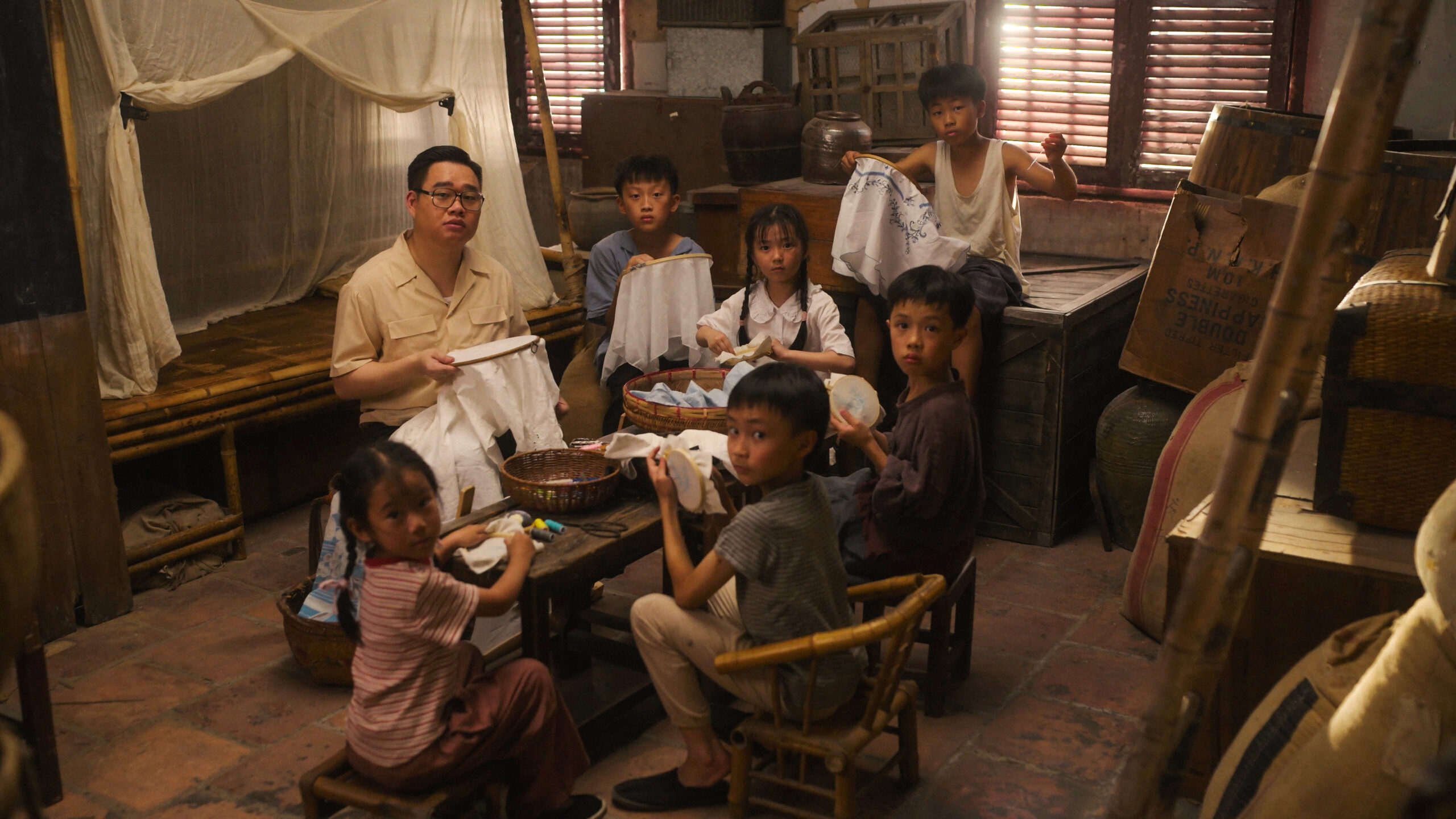
The film looks closely at what happens to love when it is stretched across oceans. The grandfather left China to avoid military conscription, intending to send for his wife and three children. Life did not go according to plan. He ended up in the dense, working-class neighbourhoods of Bangkok’s Chinatown. He laboured as a rickshaw driver, living on nothing so he could send every spare coin back home.
Read more: China Box Office Smash ‘Dear You’ Lands Summer UK Cinema Release Date
The emotional core of the film settles on two women who never meet in their youth. One waits by the coast in Guangdong, raising children alone. The other lives in a Bangkok boarding house, helping the migrant workers organise their thoughts into written words. Many of these workers could not read or write. Literacy became a lifeline. The film explores how language allows us to hold onto our roots, showing that a few sentences written by a stranger can preserve a family’s soul.

A quiet revolution against melodrama
Commercial cinema often relies on manufactured conflict to keep the audience interested. Lan rejects this approach. When Musheng and Nanzhi form a close bond, a conventional director would introduce a romantic rivalry or a predictable love triangle. Lan steers the story away from these clichés. The bond between Musheng and Nanzhi remains entirely platonic, rooted in mutual respect and shared hardship.
The real emotional core of the film belongs to the connection between the elder Shurou, played brilliantly in her later years by Wu Shaoqing, and the older Nanzhi. International audiences will easily recognise Thai actress Usha Seamkhum—celebrated for her role in How to Make Millions Before Grandma Dies—who steps in to play the elderly Nanzhi. They are two women separated by thousands of miles, yet their lives are completely intertwined. The writers balance these intergenerational threads with great care. The transitions between the past and the present happen smoothly, without grand announcements. Lan trusts the audience to follow the timeline and feel the emotional weight of the situation.
The film does have minor flaws. The musical score relies heavily on sentimental instrumental cues that sometimes tell the audience exactly how to feel. The modern framing story involving the grandson starts with a broad, comedic tone that feels out of place next to the dignity of the historical scenes. But these missteps do not diminish the power of the central story.
The legacy of the left-behind
Dear You succeeds because it speaks to a universal human experience. You do not need to know the history of the Chaoshan diaspora to understand the pain of missing a loved one. The film functions as an act of remembrance for a generation of ordinary people who suffered in silence.
The ending features real, historical qiaopi letters during the credits. These yellowed documents remind us that the events on screen happened to millions of real families. The film shows that true loyalty does not depend on physical presence. It lives in the choices we make to care for others, even when oceans lie between us. Lan has created a heartbreaking portrait of endurance that stays with you long after you leave the cinema.
Dear You is out now in UK cinemas