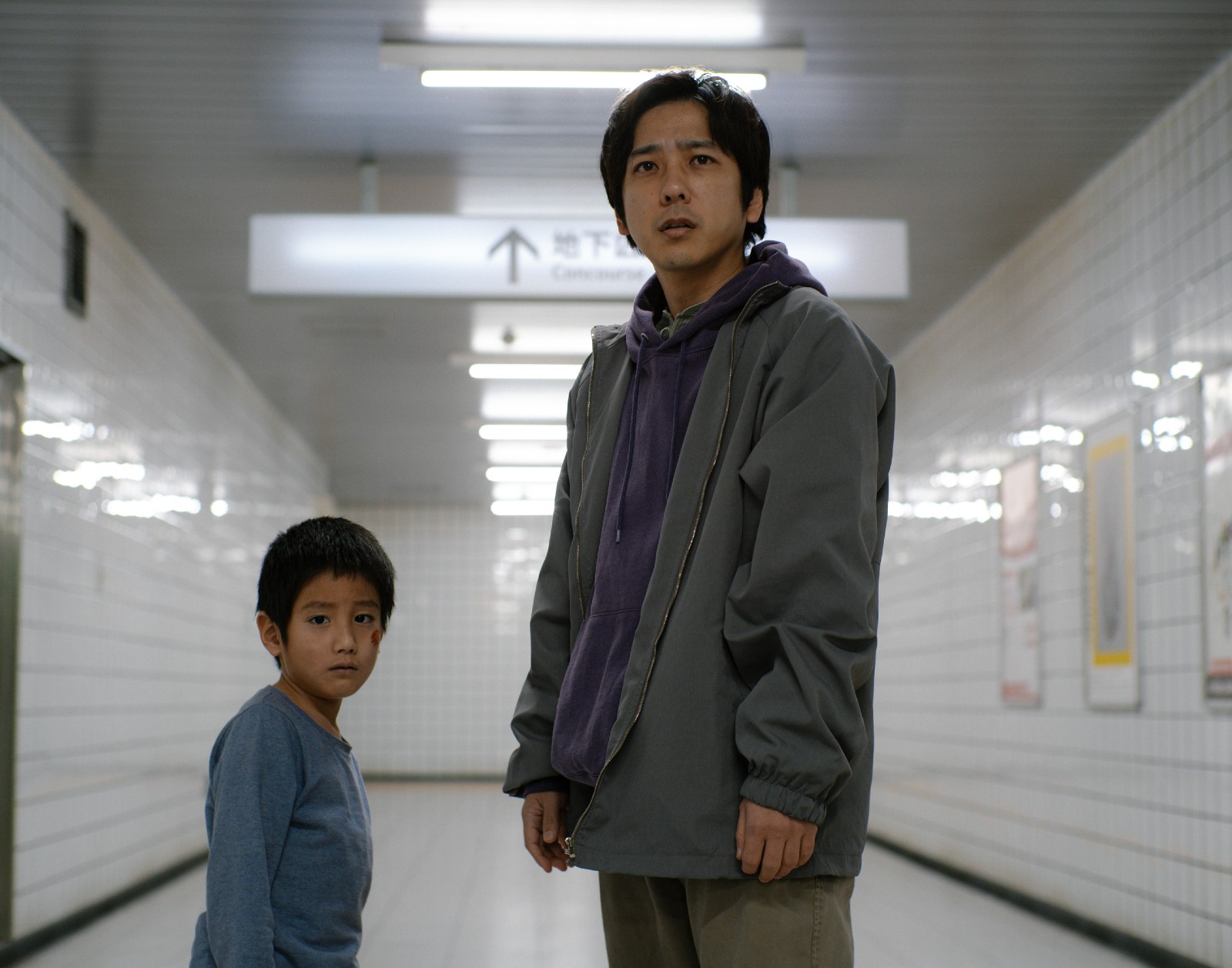
There is a specific kind of modern anxiety that comes from being underground. It is the feeling of sterile tiles, flickering fluorescent tubes, and the suspicion that the corridor you are walking down is slightly longer than it was a moment ago. This is the world of Exit 8, a film that takes the most basic premise imaginable and turns it into a clinical study of panic. Directed by Genki Kawamura, the movie adapts a 2023 video game that became a viral sensation for its simplicity. The game was a “walking simulator” where players tried to escape a subway station by spotting tiny glitches in reality. In bringing this to the big screen, Kawamura has not tried to make the story bigger. Instead, he has made the walls feel closer.
The Rules of the Loop
The plot follows a nameless businessman who wakes up in a brightly lit, white-tiled passage of a Japanese metro station. He is trying to reach Exit 8. To get there, he must walk through a series of identical corridors. The rules are stated on a yellow sign: if you see an anomaly, turn back immediately. If everything looks normal, keep going. If you make a mistake, you go back to zero.
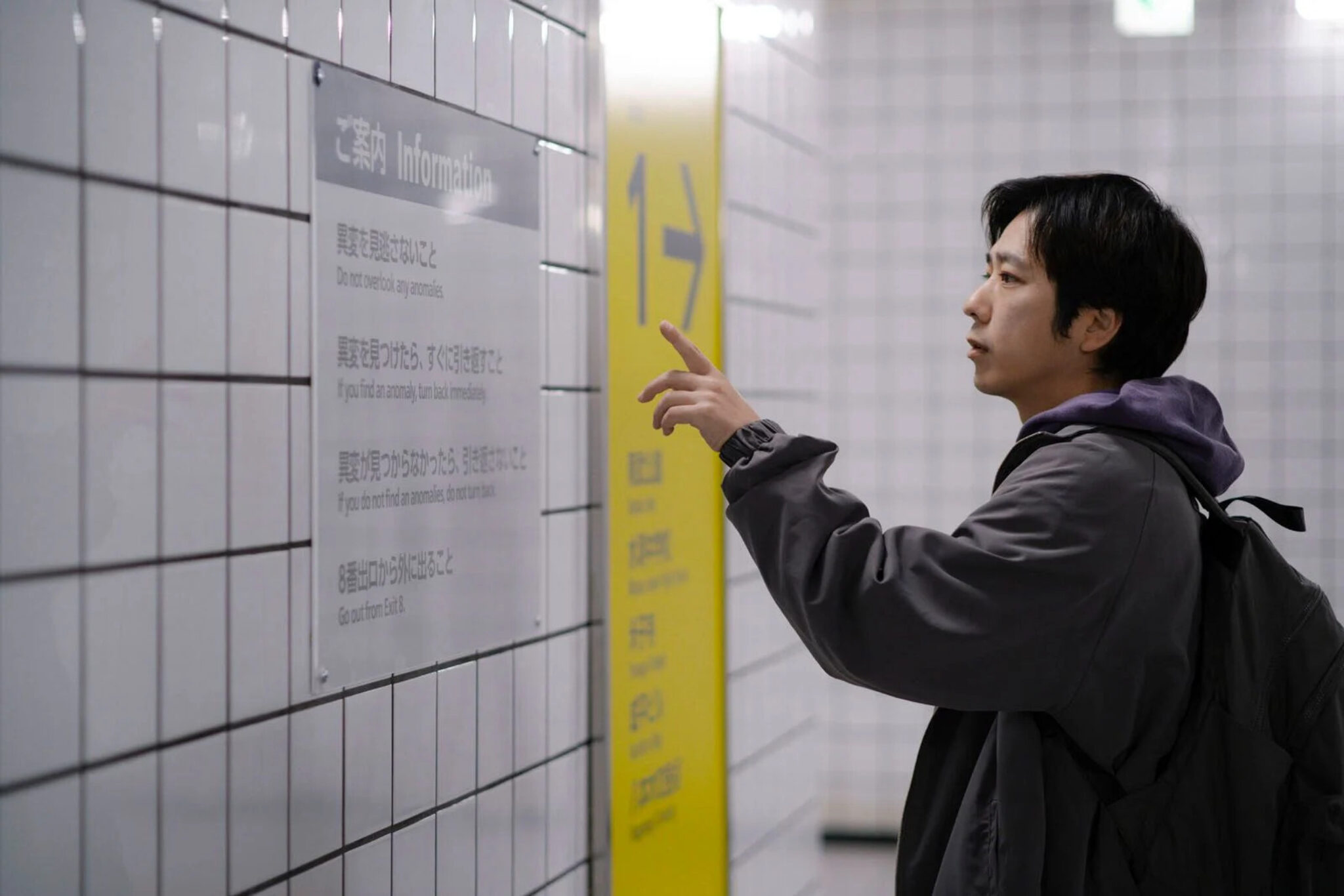
This structure creates a rhythm that feels more like a nightmare than a traditional thriller. In most horror movies, the threat comes from a monster hiding in the dark. Here, the threat is a poster that moved two inches to the left or a door that is slightly ajar. The film forces you to scan every inch of the frame. You become a participant in the protagonist’s paranoia. When a man in a suit walks past him for the tenth time, you aren’t looking at his face for emotion. You are looking at his buttons to see if one is missing.
A Cinematic Liminal Space
Kawamura is known for producing high-energy hits like Your Name, but here he shows a surprising amount of restraint. He understands the power of “liminal spaces”—those empty, transitional areas like hallways and waiting rooms that feel eerie when they are devoid of people. The film uses these spaces to build a sense of existential dread. It strips away the comforts of cinema. There is no swelling musical score to tell you how to feel. Instead, you hear the hum of the lights and the steady rhythm of footsteps on linoleum.
Read more: ‘Sunshine Women’s Choir’ Review: Singing in the Dark with Quiet Emotional Force
The choice to use Maurice Ravel’s Boléro during the opening credits is a clever nod to the film’s intent. The music repeats a single theme, growing louder and more insistent until it becomes almost unbearable. The movie does the same thing. It repeats the same hallway, the same corners, and the same quiet interactions. Each loop adds a layer of tension. By the time the protagonist reaches his fifth or sixth attempt at escape, the silence of the station feels like a physical weight.
The Horror of the Mundane
What makes the film work is its refusal to explain itself. We never find out why the man is trapped or who built this infinite loop. The film suggests that the “anomaly” is not just a glitch in the station, but a glitch in a life defined by routine. There is a biting commentary hidden in the visuals. The protagonist is a salaryman, a person whose entire existence is often a loop of trains, offices, and grey corridors. The movie takes that daily grind and makes it literal.
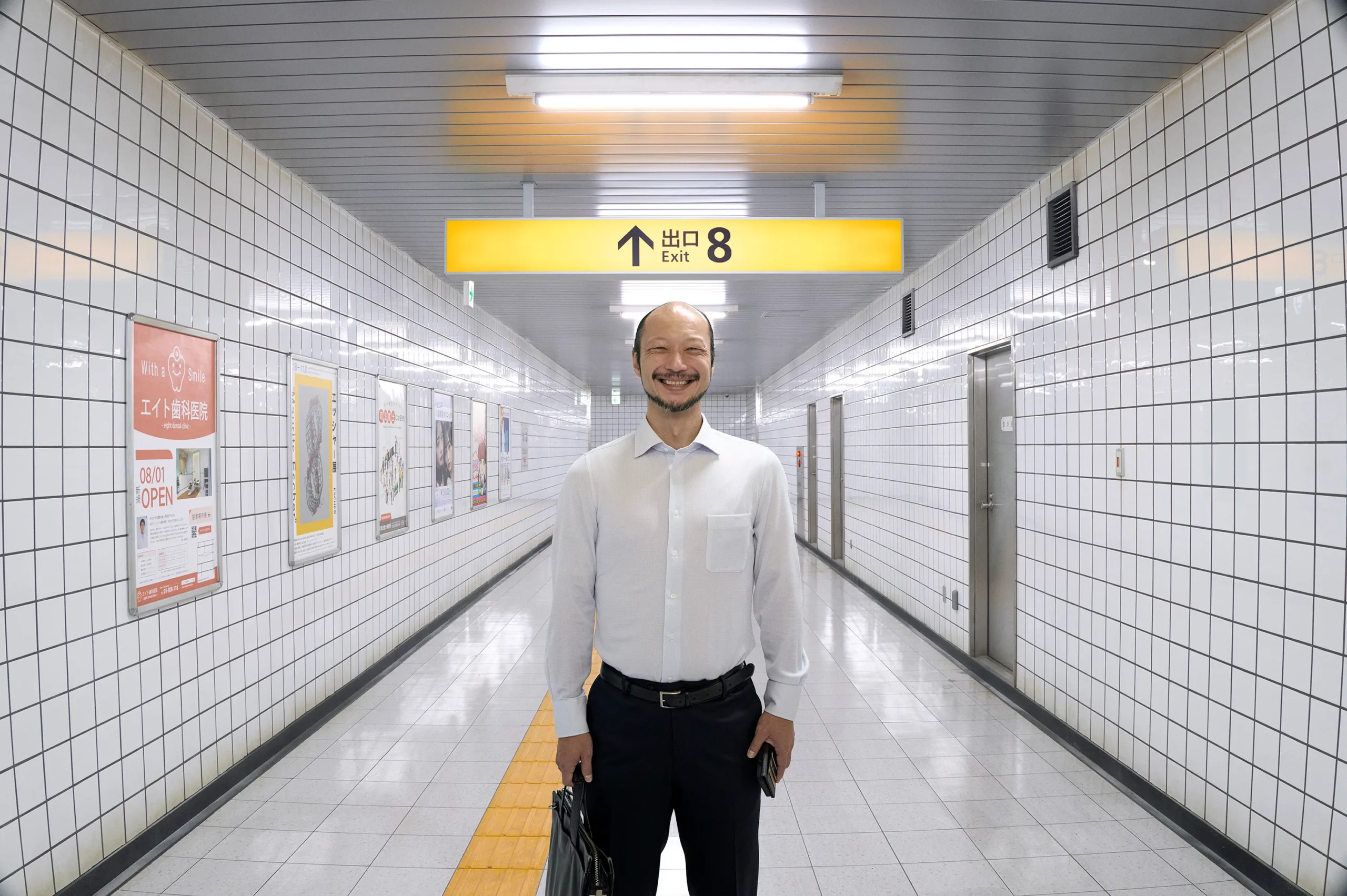
The special effects are subtle. This is not a film about CGI explosions. It is about a ceiling fan that starts spinning too fast or a face that looks like a smeared painting for a fraction of a second. These moments are jarring because the rest of the film is so flat and realistic. When the logic of the world finally breaks, it feels like a personal betrayal. You have spent so much time learning the “normal” version of the hallway that any change feels like a jump scare.
Why It Works for Modern Audiences
The success of the original game came from its connection to “creepypasta” internet culture, specifically the idea of the Backrooms. These are fictional stories about people falling out of reality into endless, empty office buildings. Kawamura taps into this digital folklore but grounds it in Japanese urban reality. The metro station is a place everyone knows. By turning it into a trap, he makes the familiar world feel hostile.
The film is short, running well under two hours, which is the right choice. It avoids the trap of overstaying its welcome. A longer version would have risked becoming boring, but this edit keeps the pressure high. You leave the cinema looking at the exit signs in the lobby with a new sense of suspicion. It is a rare example of a video game adaptation that understands why the source material was scary in the first place. It doesn’t need a complicated backstory. It only needs a hallway and the fear that you might never reach the end of it.
The Exit 8 is out now.