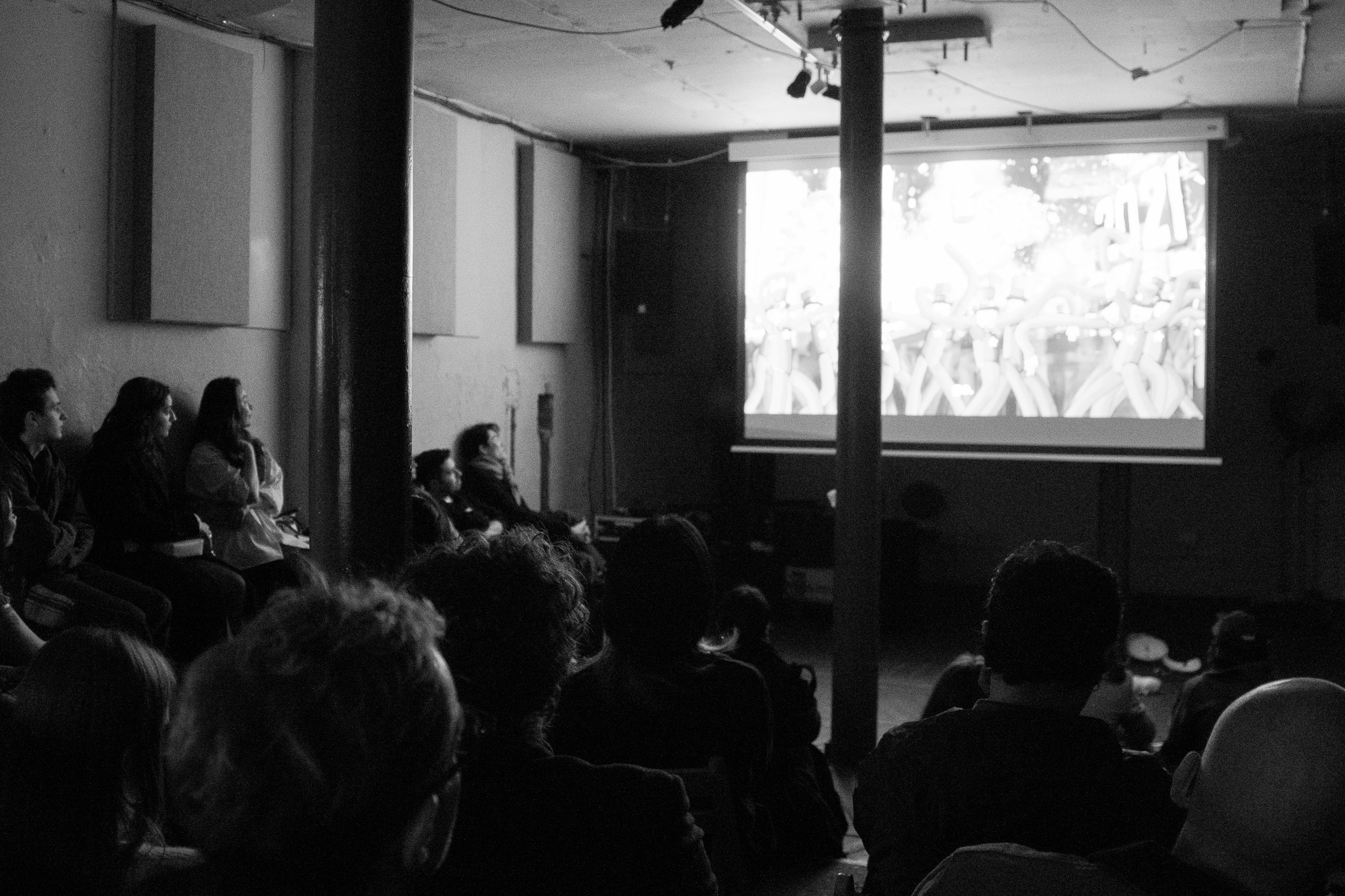
In a semi-underground basement at The Horse Hospital, a venue long synonymous with London’s counterculture, a new kind of archival work is found in the tension of a dancer’s limbs, the vibration of a church bell and the shared breath of a community.
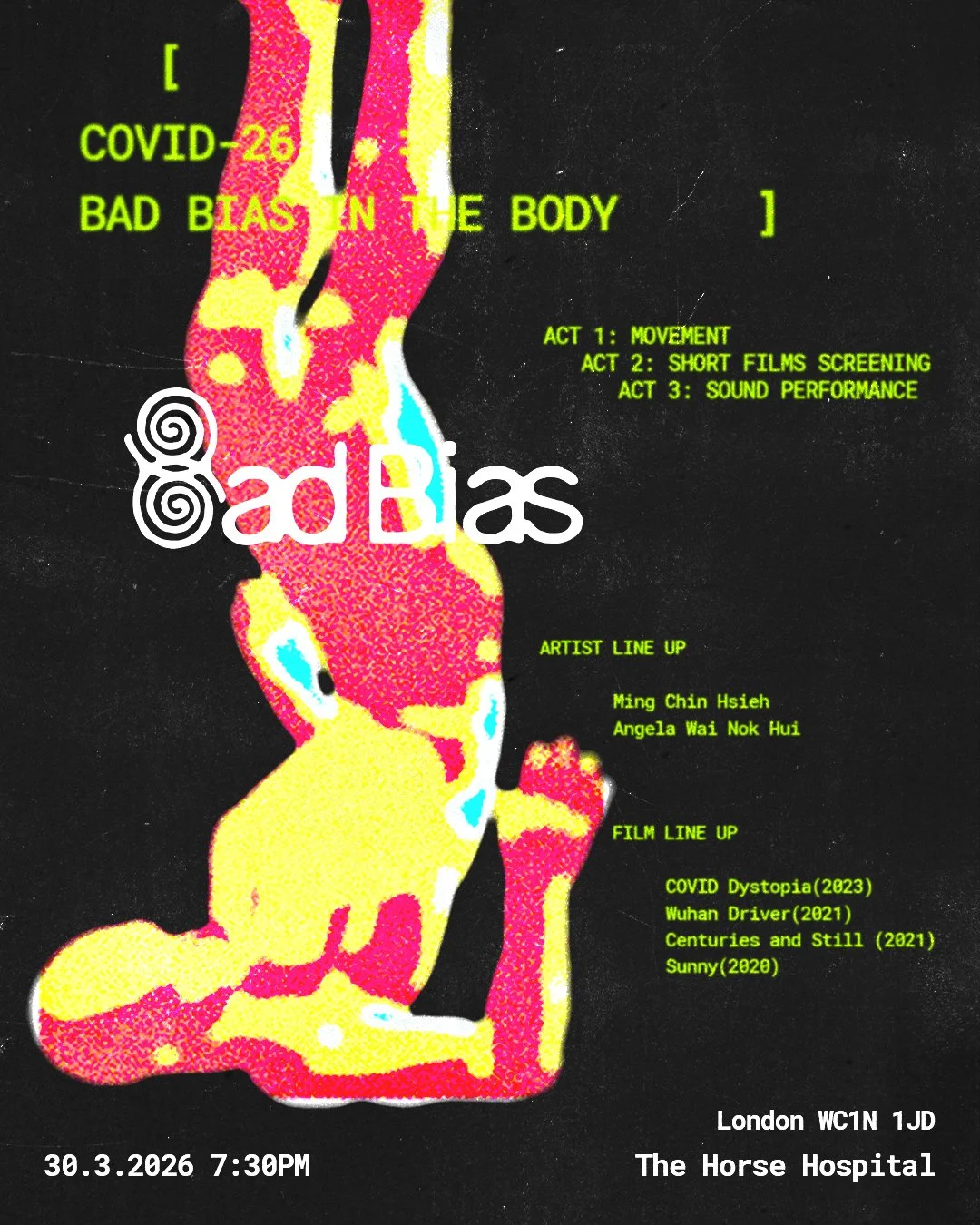
This is the world of Bad Bias, a multidisciplinary collective that reclaims the East and Southeast Asian (ESEA) diaspora experience. Their first event, COVID-26: Bad Bias in the Body, revisits the anti-Asian racism that peaked during the pandemic. Rather than simply documenting trauma, the collective uses experimental movement, film and sound to release the residues of bias that still linger in the physical self in 2026.
At the heart of this movement are Jihun Park and Haerin Kim. While the collective is new, their creative journey is a decade in the making. The two first met in a university drama society in South Korea, forming a bond rooted in socially conscious storytelling that eventually followed them across continents to the UK.
Through curated programs and multidisciplinary formats, they collaborate with ESEA creatives to build safe spaces where artists and audiences can engage with stories that are often sidelined.
“I only realised I was Asian when I came here,” Jihun says. She reflects on her upbringing in Uiwang, south of Seoul, as being culturally homogeneous, where the media and art she consumed were almost exclusively Korean or Western, while other Asian perspectives were rarely part of the conversation.
It was only upon moving to the UK that she recognised this gap, realising that her understanding of “Asian” identity had previously been limited by both domestic borders and a Eurocentric lens.
While studying in York post-COVID, Jihun experienced racism firsthand. Strangers yelled “Asian!” or “Go back to your country” at her on the street; two teenagers spat at her.
These traumatic encounters, however, forced a realisation of her place within the ESEA community, leading to a deep interest in the community and the art that comes from it.
In September 2025, after Haerin graduated, Bad Bias was born.
“We wanted a funky name,” Jihun says. “There is a lot of ‘bad bias’ rooted in Western stereotypes and objectification, but ‘bias’ also refers to your favourite K-pop group member in English slang.” By naming the collective Bad Bias, the duo leans into this duality: the mission to break external prejudices while reclaiming the right to celebrate what they love. As Jihun puts it, it’s about creating a space where you can “break the bad bias, but love your bias, in our own way.”
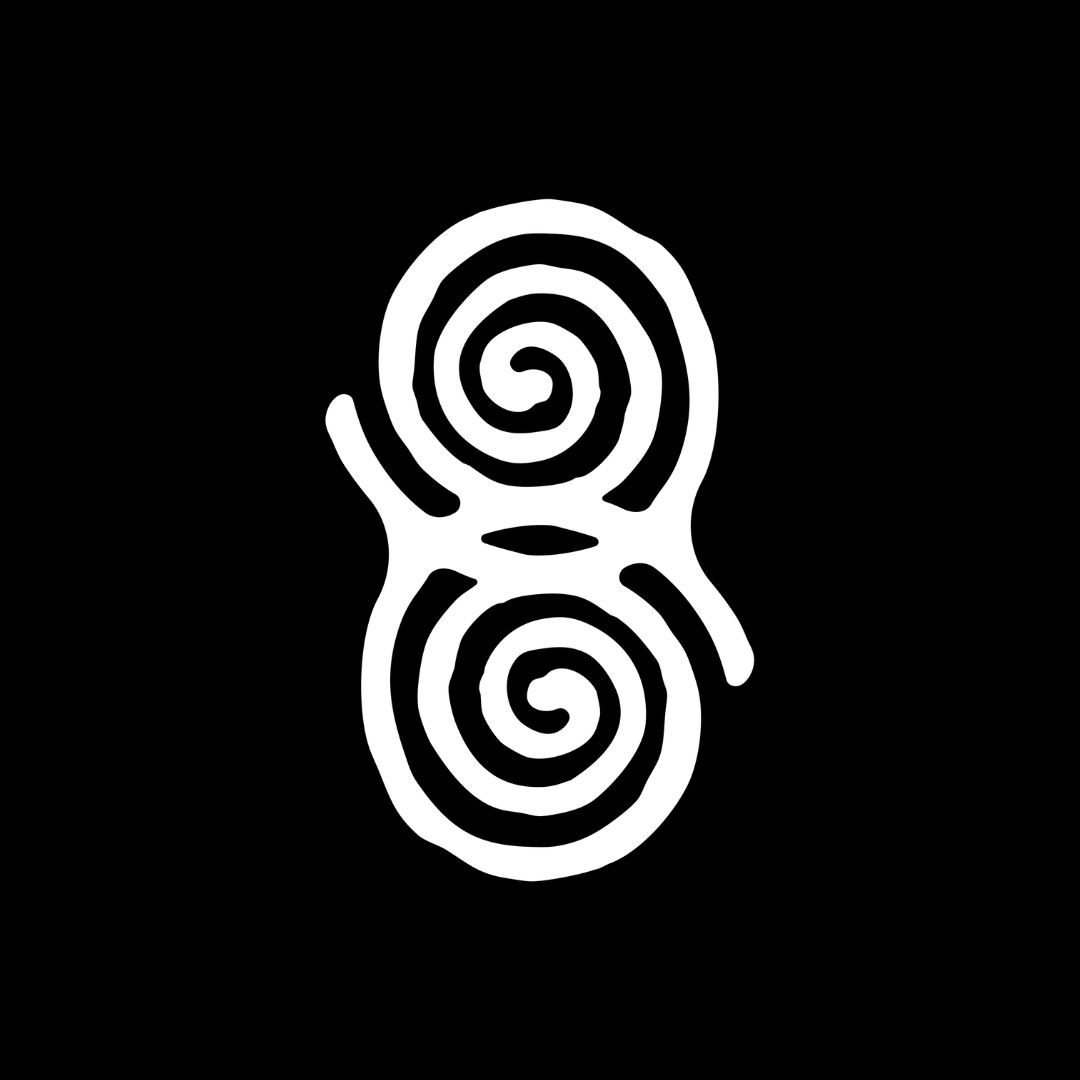
Their logo represents this communal vision: two connected spirals that move in different directions. It suggests that while the ESEA community is diverse and different, they share a common core—a spiral that can grow longer and longer.
The theme for their first event was an easy choice: the surge of anti-Asian hate during COVID-19. While many of these experiences remain unaddressed or treated as isolated incidents by the mainstream, they left traces in our bodies that continue to impact our lives today.
“Time passes and people forget. I was kind of mad at that fact,” Jihun says. She spent months researching around the pandemic because even her own memories felt blurred—a symptom of a society that moved on before the healing had even begun. During the research, Jihun realised that the hostility had been paved over rather than truly addressed. She began to feel that the biases of the COVID era hadn’t changed; they had simply retreated into the background of everyday life.
This project is a response to a reality that both founders have lived through. For Jihun, news reports of anti-Asian violence in the UK—including physical attacks with wine bottles—were enough to delay her move to study here.
Once they arrived, both she and Haerin found themselves navigating a landscape of casual, public racism that the UK often ignores. It wasn’t just the “complicated” interactions with non-Asian friends who made racist jokes about China or claimed racism against Asians didn’t exist in the UK; it was also the overt sting of racial slurs like “Ching Chong” shouted in public spaces, and a persistent, general lack of awareness regarding the ESEA experience. By bringing these stories to the Horse Hospital, they are proving that these issues aren’t history but are ongoing.
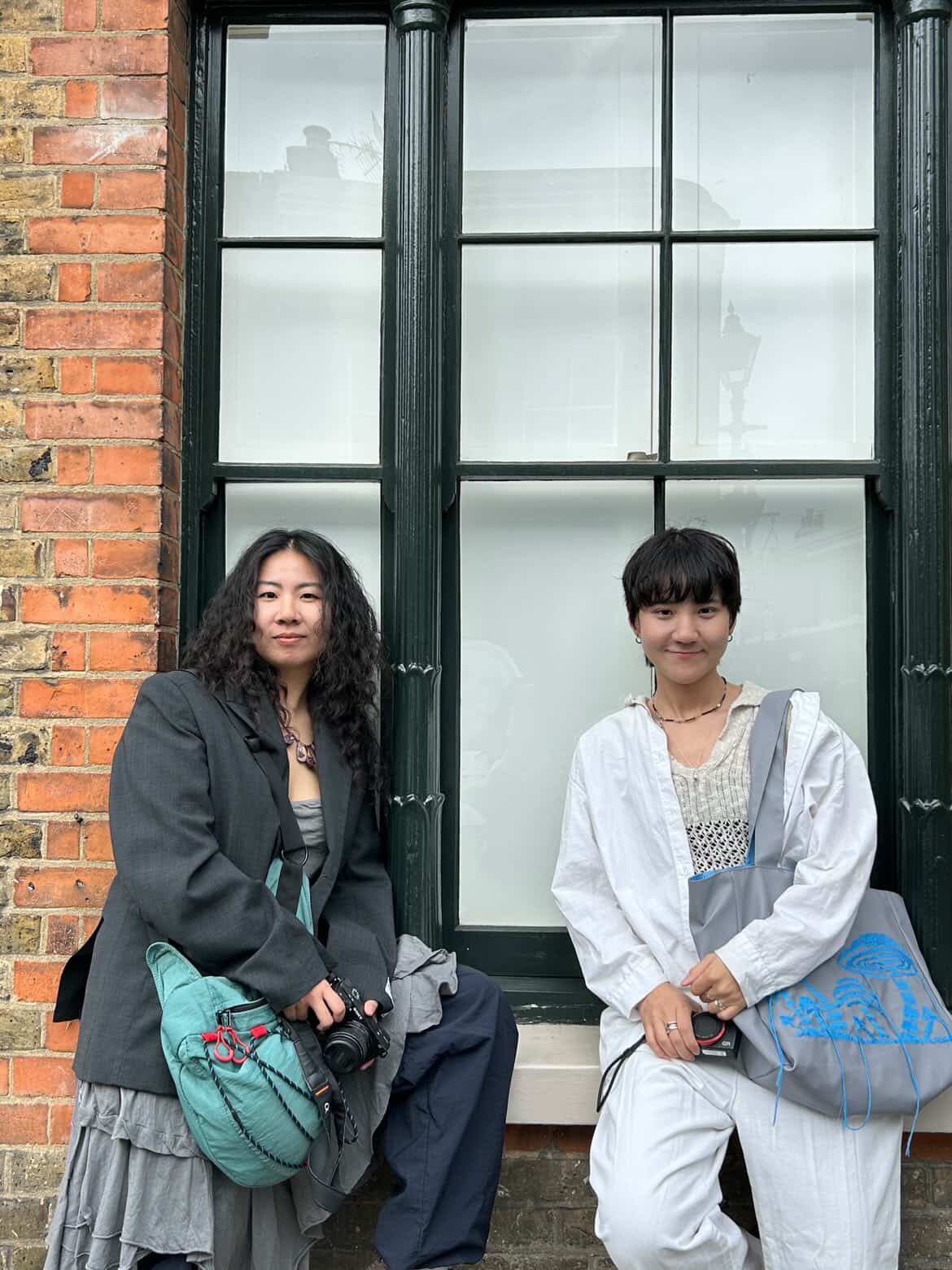
“It still influences people, so even after a few years, it’s still relevant,” she says. The event was not about showing the trauma that people experienced but about creating a creative space for people to heal and connect with each other.
As a London-based Chinese artist myself, I felt a strong connection to their mission. Living in the US when the pandemic first broke out, I was among the first to wear a mask. I still remember the looks I got on the bus to work. While I was lucky enough not to experience physical violence, I felt the weight of every news report.
COVID also left a heavy mark on me. I went through two lockdowns in the US and China, with two hotel quarantines in between. These experiences motivated my move to the UK. I was seeking a new chapter, trying to forget. Whenever I encounter COVID-related work, the blurred timelines return, and I struggle to control my emotions. Before attending their inaugural event, I was worried I might be triggered.
However, the duo intentionally chose works that were diverse and experimental rather than purely traumatic. They wanted to offer a collective release—a shared atmosphere of being in the same time and space.
They succeeded. I felt welcomed and warmed; there was a specific comfort in being in a room where the majority of the audience shared my identity, and those common threads immediately broke down the usual barriers. The two-hour program felt less like a standard art event and more like a group healing session.
This sense of relief extended to the founders, too; Jihun and Haerin shared that the intense four-month process of developing and producing the show had been deeply therapeutic for them—a chance to finally process the very experiences they were bringing to the stage.
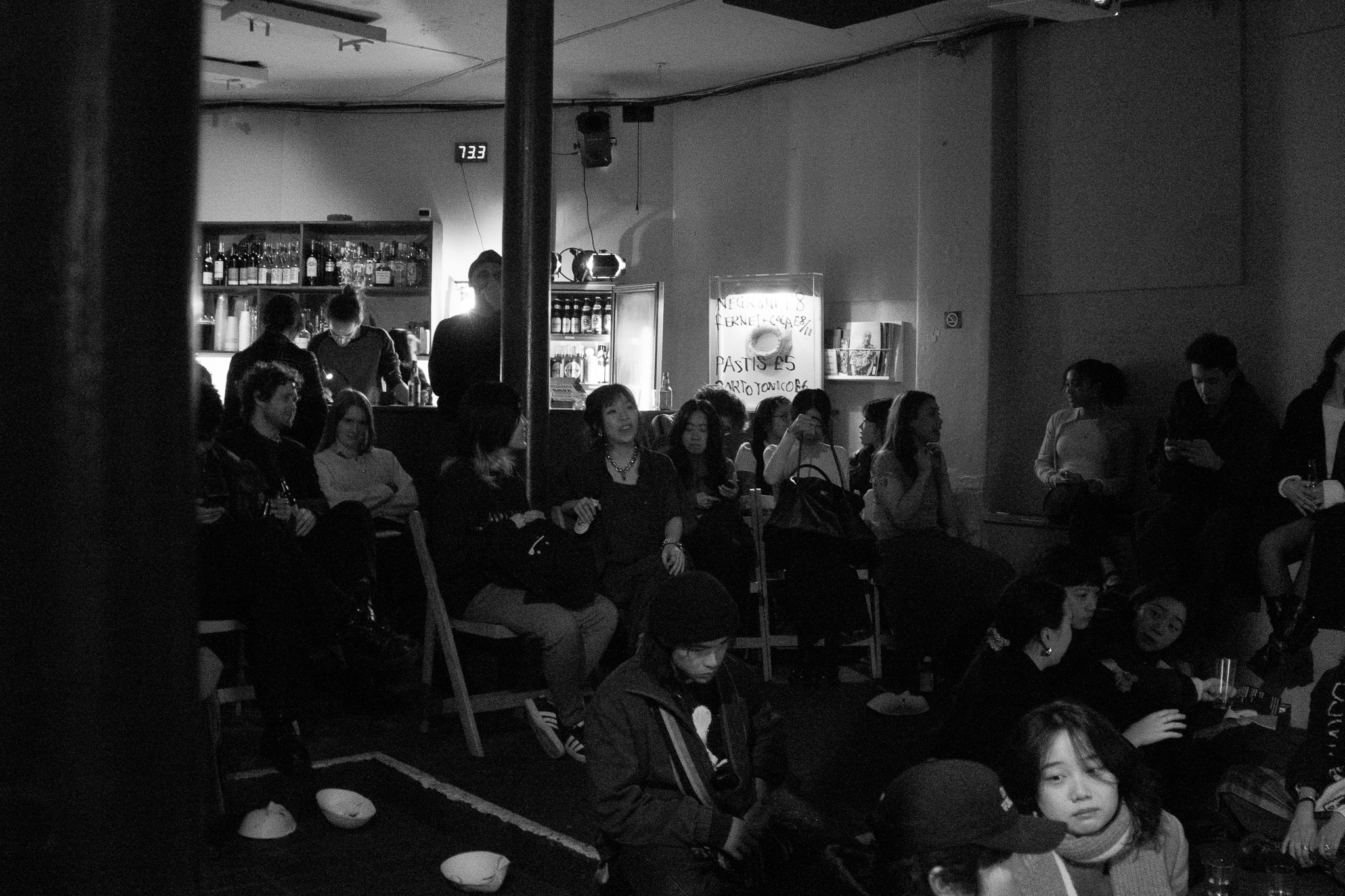
The choice of venue, The Horse Hospital, was perfect. Tucked in an alleyway next to the bustling Brunswick Centre, the semi-underground space was originally a stable for sick horses. Since 1993, it has been a hub for countercultural, ‘outsider’ art and DIY practices. That bold spirit matched the collective’s energy brilliantly.
As the audience arrived, a 10-minute audio loop filled the basement—a piece titled Faces by Chinese British artist Chug, which Jihun had discovered through the ESEA Online Community Hub. The track, which directly addresses the “virus” of COVID-era racism, acted as a haunting, seamless entry point into the world of Bad Bias was building.
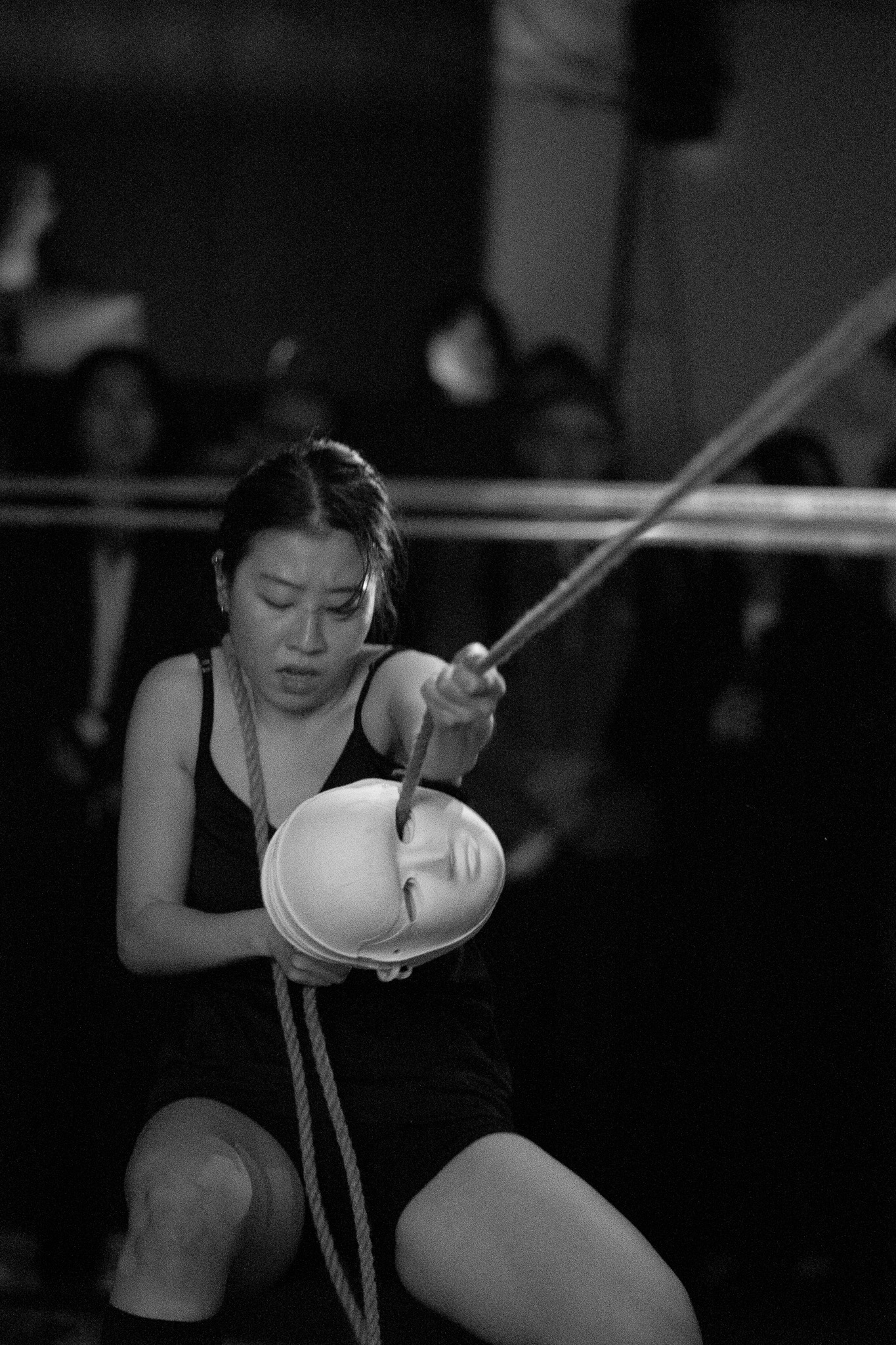
Act 1 featured Taiwan-born dancer Ming Chin Hsieh. Her piece, The Weight of a Word, used rope, spoken word and facemasks to explore how fear restrains the body. By wearing masks on her face, arms, legs and feet, she transformed into a crowd of a thousand people looking at each other distantly and doubtfully.
Read more: Darius Shu Interview: Reclaiming Quiet Intimacy in His New Film ‘Molly’
Toward the end, as Ming pulled the rope held by Jihun and Haerin, I saw a woman carrying her loved ones through the pandemic—the sick, the locked down, the dead—while other women helped her hold it together. I got emotional.
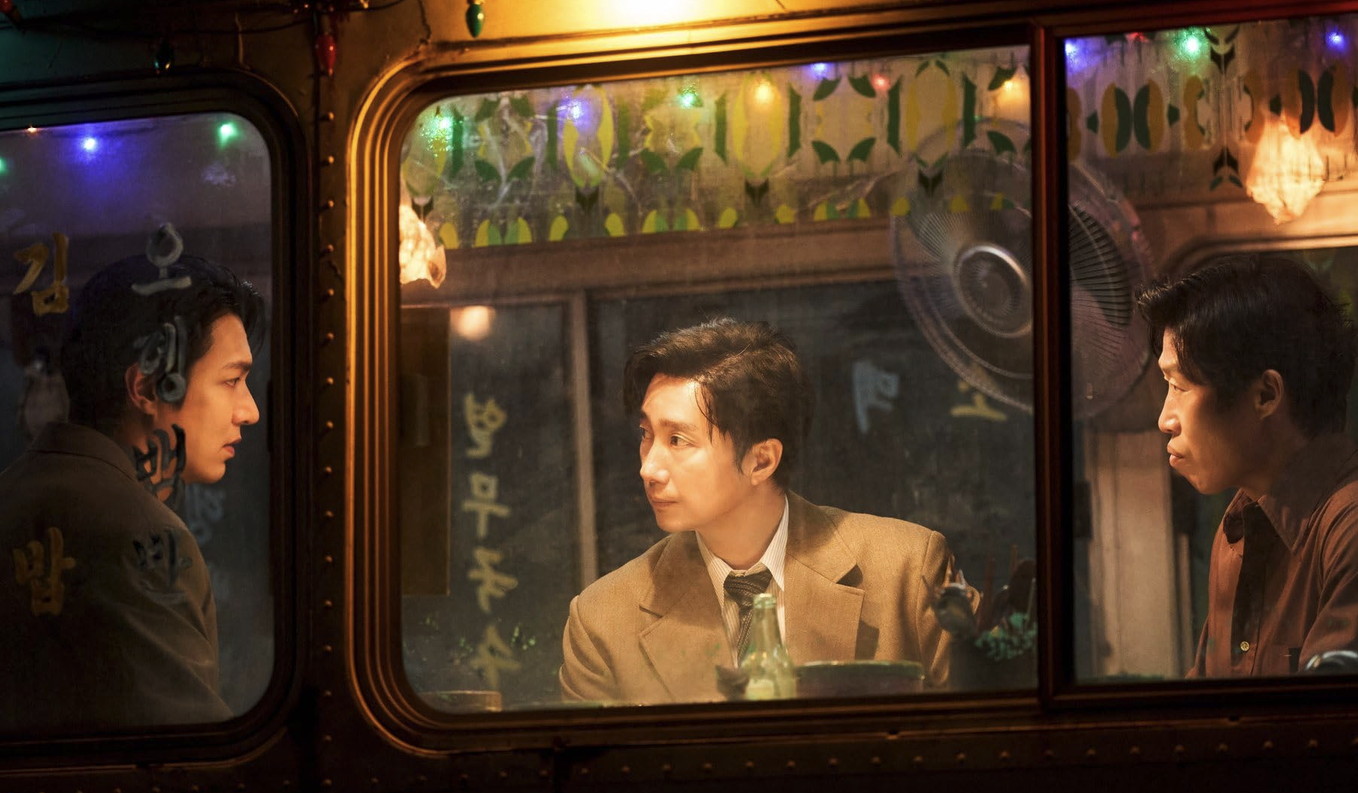
Act 2 featured four short films that shifted the perspective from the visceral to the systemic. COVID Dystopia by Thomas Thorspecken was a humorous, fast-paced animation about humanity’s inability to adapt. Tiger Ji’s Wuhan Driver follows a Chinese Uber driver through a dreary night in New York, which captures the direct and recognisable hostility encountered in public spaces.
The film resonated deeply with both Jihun and Haerin, a reality they both recognised from their own lives in the UK. Sally Tran’s Centuries and Still provided the necessary historical context of anti-Asian violence, and Sky Yang’s Sunny, a story of a mixed-race Chinese British boy struggling with his ethnicity, paired with Sky’s poetic narration, brought the room to tears.
The final act featured Hong Kong sound artist Angela Wai Nok Hui. Wearing angel wings, she rigorously hit a giant church bell and moved the microphone to spread the vibration. It felt like a meditation on how lives were manipulated during the pandemic.
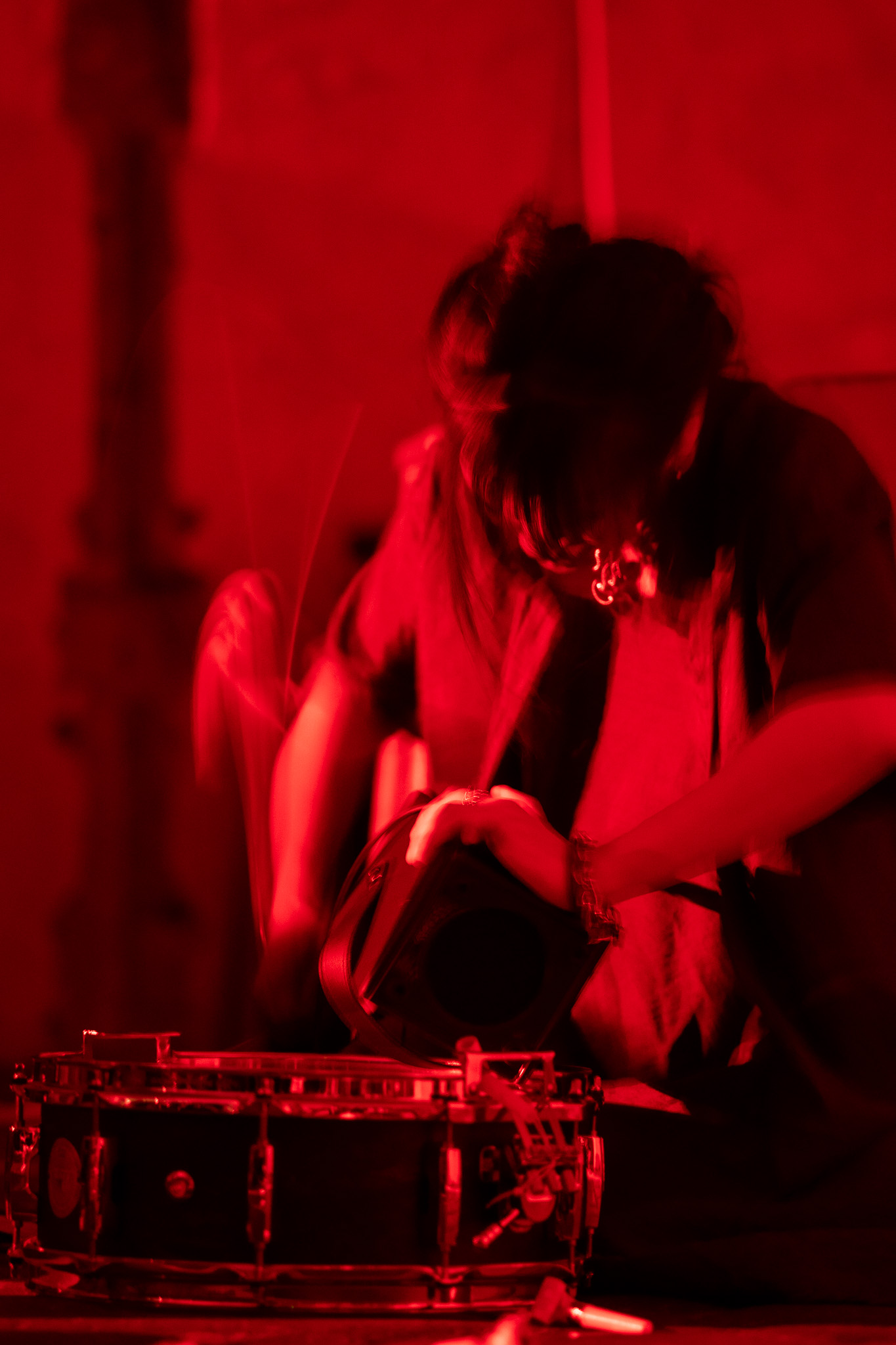
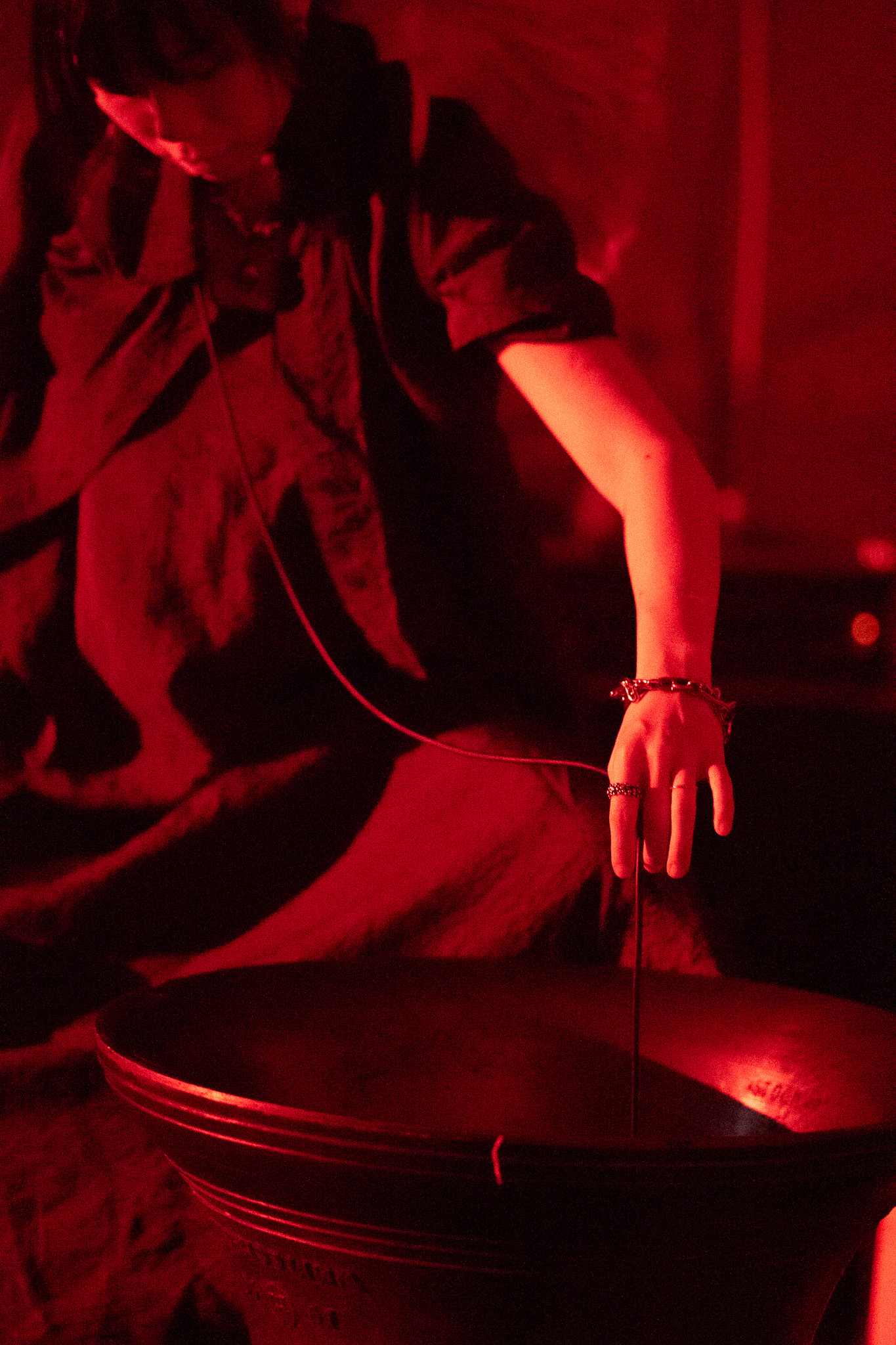
“If the body keeps the trauma, the body should be released as well,” Jihun explains. “The bell sound moves through the body and makes such a great vibration in the space.” As Angela puts it: “Hearing the bell is a collective experience, but everyone hears different things.” And that just symbolises the ESEA community where we all share something in common, but also are different individually.
As they reflect on their first success, Jihun and Haerin are already looking forward. Although they are still pondering over the format, their future events will always remain experiential, collective and firmly rooted in the ESEA creative spirit.
All images via Bad Bias.