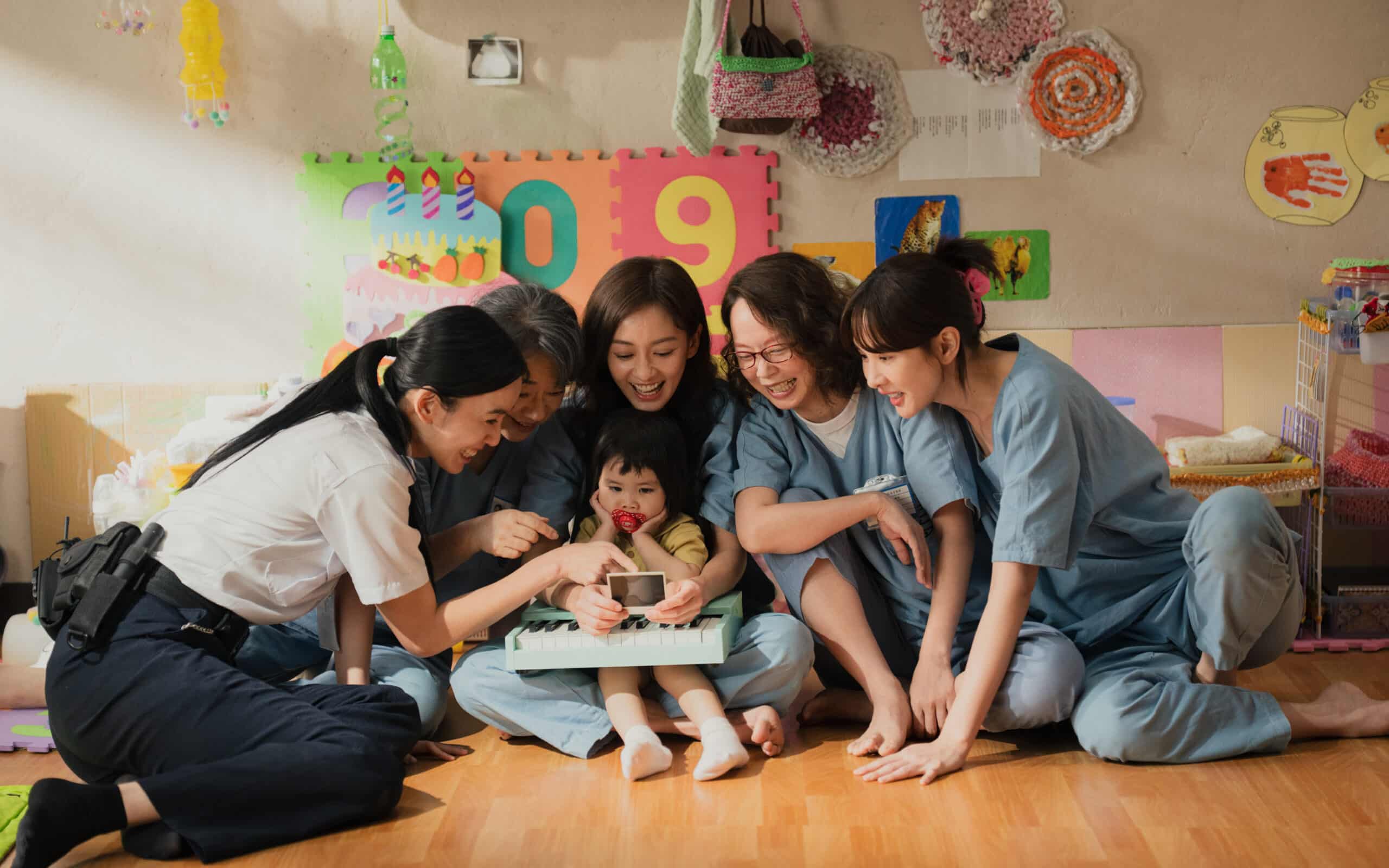
“We may never undo our mistakes, but please don’t forget, we still have the ability to love.” At first glance, this line from Sunshine Women’s Choir may sound like a familiar moral refrain; yet, the film transforms it into something far more affecting. By centering the story on a prison choir, this often-overlooked message of compassion and forgiveness is rendered with genuine sincerity and depth.
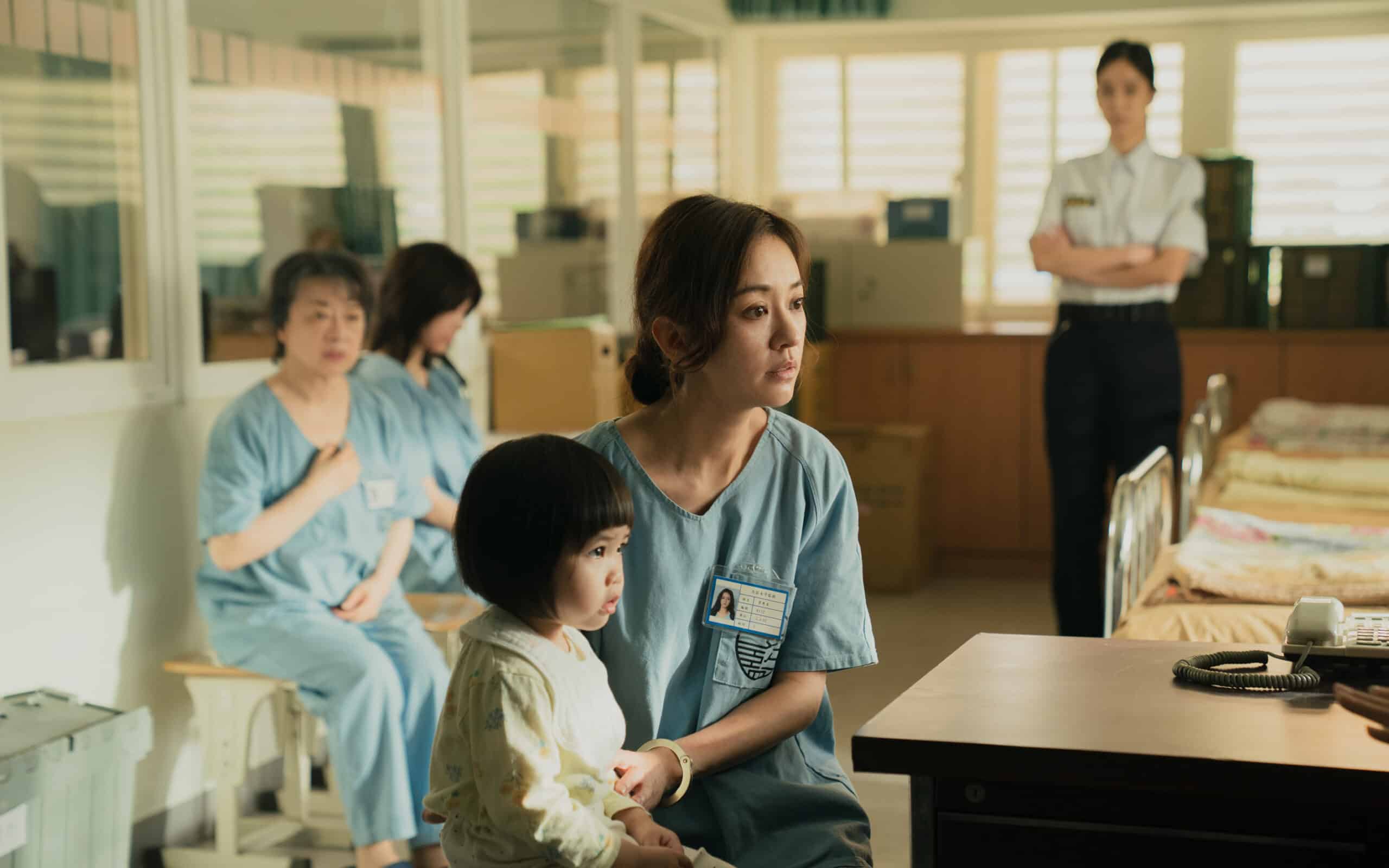
Based on the Korean film Harmony (2010), Sunshine Women’s Choir follows a group of female prison inmates who form a choir behind bars. It is initiated by Hui-zhen (Ivy Chen), who, after giving birth in prison, faces imminent separation from her daughter. Because the infant requires medical treatment and must be put up for adoption, Hui-zhen proposes the choir as a final gift. Through music, the women find connection, dignity, and a renewed sense of purpose.
An emotionally layered tear-jerker
When the film claimed the top spot at the Taiwan box office earlier this year, critics quickly labeled it a “tear-jerker.” While the film certainly tugs at the heartstrings, it avoids the trap of manipulative twists or sentimental clichés. Instead, the narrative evokes multiple shades of emotion: grief over the characters’ past trauma and forced separation, warm moments of solidarity, and a bittersweet tension as the women perform. A mix of these emotions brings a complex emotional register that feels earned.
Read more: ‘Blades of the Guardians’ Review: Yuen Woo-ping’s New Wuxia Movie
What distinguishes the film is its commitment to authenticity. Rather than leading with the inmates’ crimes, the script allows the women to exist as multifaceted individuals – capable of kindness, pettiness, humour, and vulnerability. One of the most striking scenes occurs during the choir’s first rehearsal. The leader, Yu-ying (Judy Ongg), asks the group to sit in a circle and introduce themselves. As each woman shares her past, the others respond not with judgement, but with quiet attentiveness. Their relationships and personalities then evolve imperceptibly, conveyed through small gestures rather than overt plot developments.
This attention to detail is where the film excels. The characters’ confidence builds gradually with every rehearsal, their bonds strengthen through little acts of hugs and words of care. These understated developments are supported by strong performances from the ensemble cast, whose naturalistic performances make every transformation feel earned. Even though the plot follows a relatively predictable trajectory, its emotional resonance remains intact because it is grounded in the details of a life lived.
Gender and cultural specificity
Beyond its focus on personal growth, the film also gestures toward the structural realities shaping the lives of these women. Many of the inmates are survivors of domestic abuse, and motherhood emerges as a recurring motif. Hui-zhen faces the loss of her child; Yu-ying suffers violence from her husband after giving birth to a disabled son; You-xin (Ho Man-xi), one of the youngest inmates, struggles with a fraught relationship with her mum. These gender issues are not explicitly stated, but they quietly shape the characters’ experiences.
Read more: Netflix And iQIYI Release ‘Pursuit of Jade’ Starring Zhang Linghe And Tian Xiwei
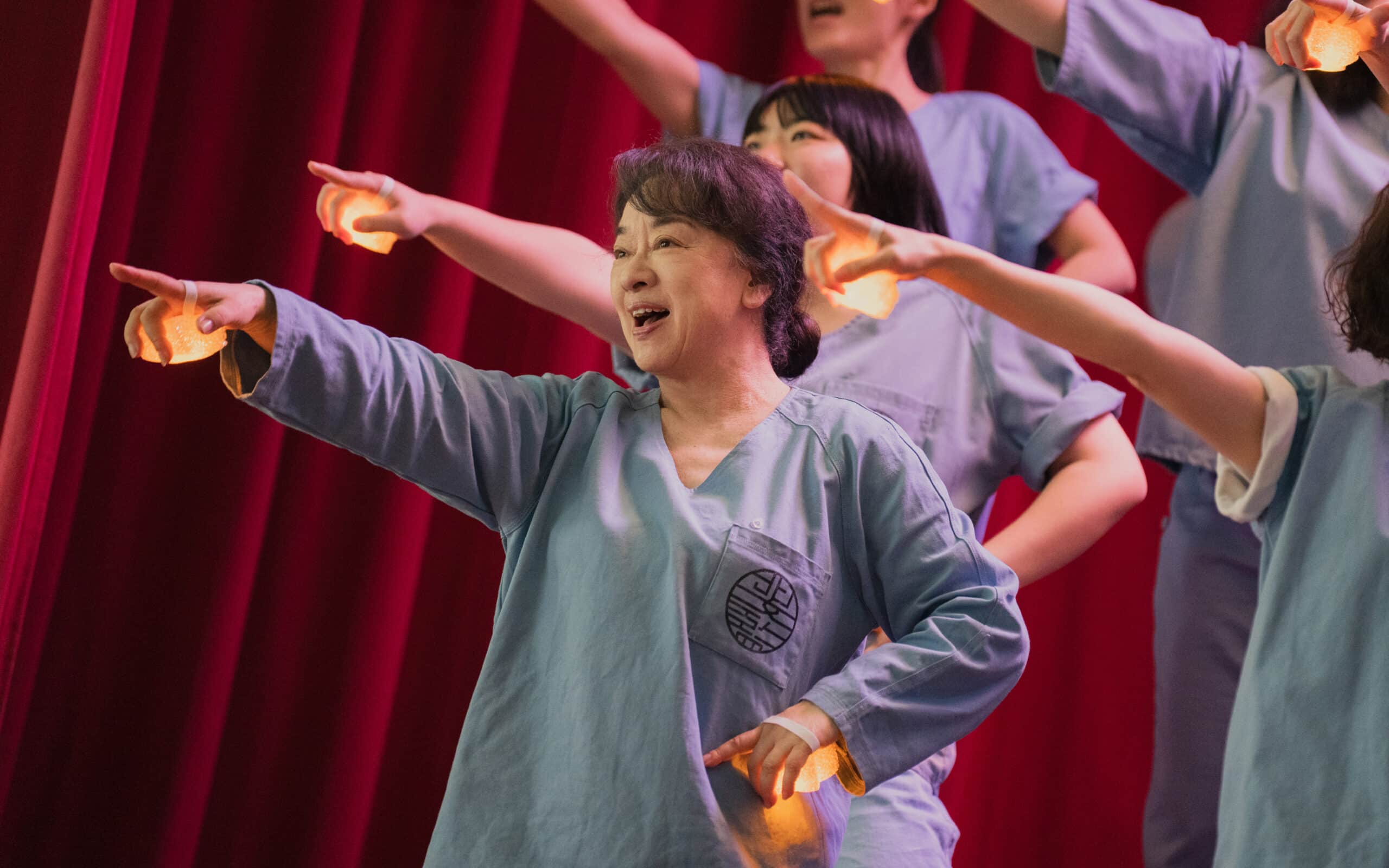
What makes this film and its societal reflection more special is its localisation within Taiwanese culture. Although adapted from a South Korean original, Sunshine Women’s Choir embeds itself in a distinctly Taiwanese context through language and music. The characters often speak in Hokkien (Taiwanese), and many of their songs are classic Taiwanese songs with cultural significance. One of the songs, Sister Stand Up (1999), is about a girl rejecting passivity in romantic relationships. Mocking the “cluelessness” of men and encouraging “sisters” to chase their own happiness. These songs not only inject a sense of humour into a heavy narrative, but also highlight how Taiwanese women find empowerment even within marginalised spaces-including prison.
Final thoughts
Ultimately, the film’s primary goal is not to dissect systemic gender inequality, but to illustrate how vulnerable individuals, though pushed into the shadows, continue to seek the light. In the film, the prison wardens always justify their harsh treatment by claiming the inmates forfeited their rights the moment they became criminals. The women proved the opposite: despite their lack of physical freedom, everyone is free to care for one another, stay positive, and live with dignity.
The idea of a choir is a quiet metaphor for this idea. Each vocal part is distinct yet interdependent and contributes to a shared harmony. Within the rule of teamwork, the act of singing together is a form of emotional liberation.
It is not easy to convey such optimism without slipping into sentimentality, but the film succeeds by keeping everything simple. It avoids excessive drama and leaning on the ensemble’s strong performances, it lets authentic emotions lead the way. Sunshine Women’s Choir. is a film to cry over, to heal with and to reflect upon long after the credits roll.
Sunshine Women’s Choir hits cinemas across the UK and Ireland starting April 17.