
Star Wars Day 2026 arrives with ‘May the 4th’ celebrations worldwide, spotlighting a franchise profoundly shaped by Asian cinema, philosophy, and aesthetics. We dive into George Lucas’s Eastern inspirations that turned a space opera into a timeless epic blending samurai lore, Taoist wisdom, and wuxia flair.
Kurosawa’s Epic Framework for the Original Trilogy
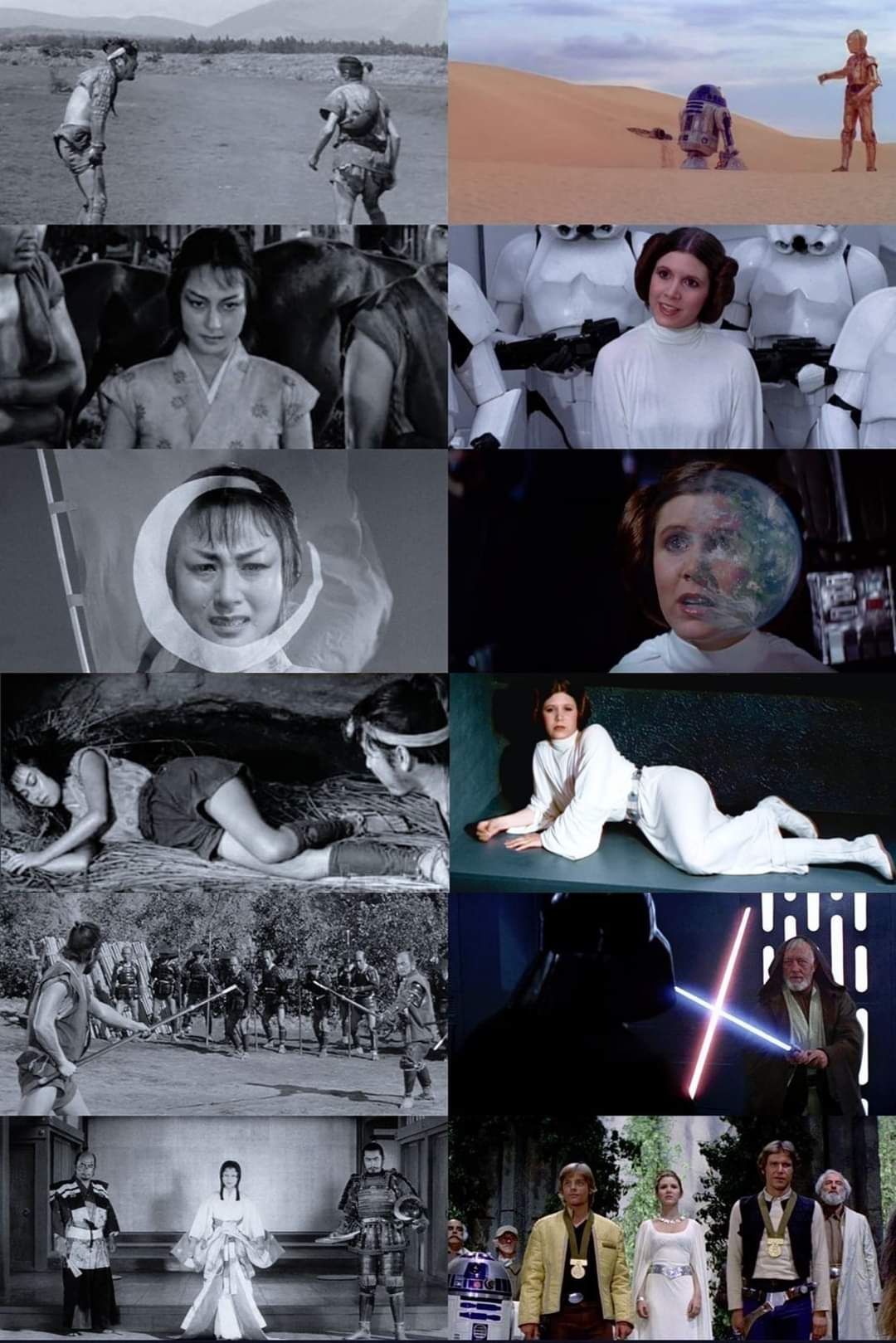
George Lucas has long credited Akira Kurosawa’s 1958 masterpiece The Hidden Fortress as the direct blueprint for Star Wars: A New Hope. The film’s bickering peasant farmers—Tahei and Matashichi—became the comedic lens through which audiences experience R2-D2 and C-3PO’s adventures, grounding high-stakes galactic drama in relatable everyman perspective.
Lucas went further by offering the role of Obi-Wan Kenobi to Toshiro Mifune, Kurosawa’s iconic leading man, envisioning a grizzled samurai warrior transposed into space—complete with a flowing beard and stoic wisdom that defined Alec Guinness’s portrayal.
This jidaigeki (period drama) influence extended to the saga’s structure: a ragtag band of rebels mirroring ronin clans, epic battles evoking feudal showdowns, and a princess smuggling vital secrets much like Hidden Fortress’ royal heir. On Star Wars Day 2026, fans rewatching the originals can spot these nods, making May the 4th a tribute to Japanese storytelling’s global reach.
Samurai Aesthetics in Armor, Robes, and Lightsaber Lore
Darth Vader’s fearsome helmet unmistakably echoes 17th-century samurai kabuto helmets, particularly the menacing, one-eyed crescent design worn by warlord Date Masamune—blending historical intimidation with futuristic menace.
Read more: ‘Squid Game’ Star Lee Jung-jae Hurt By Racist Backlash to ‘Star Wars’ Series
Jedi robes draw from traditional samurai jinbaori cloaks and monk garments, symbolizing humility and readiness for battle, while lightsaber duels replicate the precise, honor-bound strikes of kendo and iaijutsu swordplay.
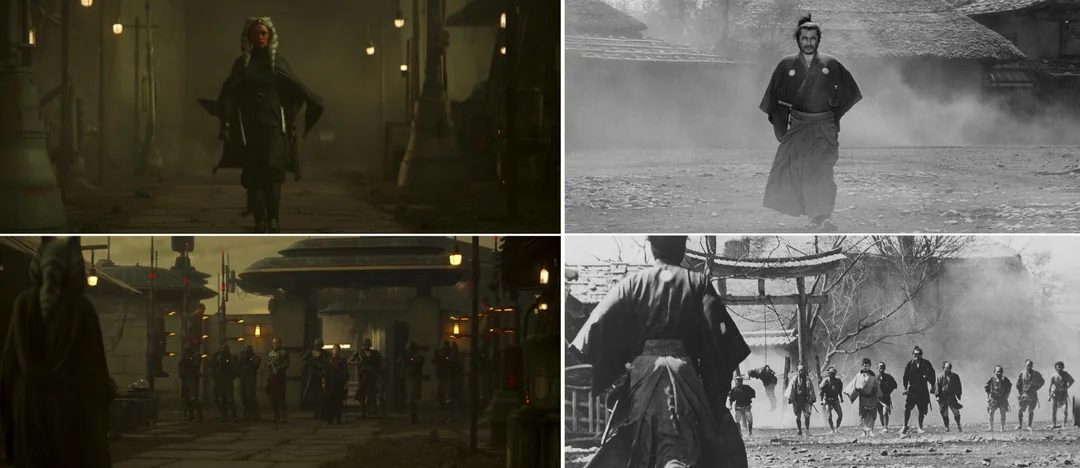
The bushido code underpins Jedi philosophy: self-discipline, loyalty to a greater cause, and the internal struggle between light and dark, akin to a samurai’s moral dilemmas in films like Kurosawa’s Yojimbo.
Even Sith Lords parallel fallen ronin, wandering warriors twisted by ambition. For May the 4th cosplayers in Asia—from Tokyo conventions to Singapore fan meets—these elements inspire authentic outfits that honor the source material.
Taoist Qi as the Heart of the Force
The Force isn’t just mystical energy; it’s a direct embodiment of Taoism’s qi (or chi), the vital life force binding all things in harmonious balance of yin and yang. Yoda’s iconic training—”Feel the Force flow through you, unhindered”—mirrors wu-wei, the Taoist principle of effortless action and non-interference, where true power comes from yielding to the universe’s natural rhythm rather than forcing control.
Obi-Wan’s warning against fear and attachment echoes Lao Tzu’s teachings in the Tao Te Ching on letting go of desires to achieve enlightenment. This Eastern spirituality contrasts sharply with Western dualism, giving Star Wars its philosophical depth—perfect for reflective Star Wars Day meditations amid 2026’s merch drops and streaming marathons.
Wuxia Flair and Broader Chinese Echoes
Beyond Japan, Chinese wuxia martial arts films infused lightsaber choreography with acrobatic flips, wirework, and qi-manipulating energy blasts, seen in The Empire Strikes Back’s dynamic clashes.
Read more: How ‘Star Wars’ and ‘Minari’ Prepared Lee Isaac Chung to Direct ‘Twisters’
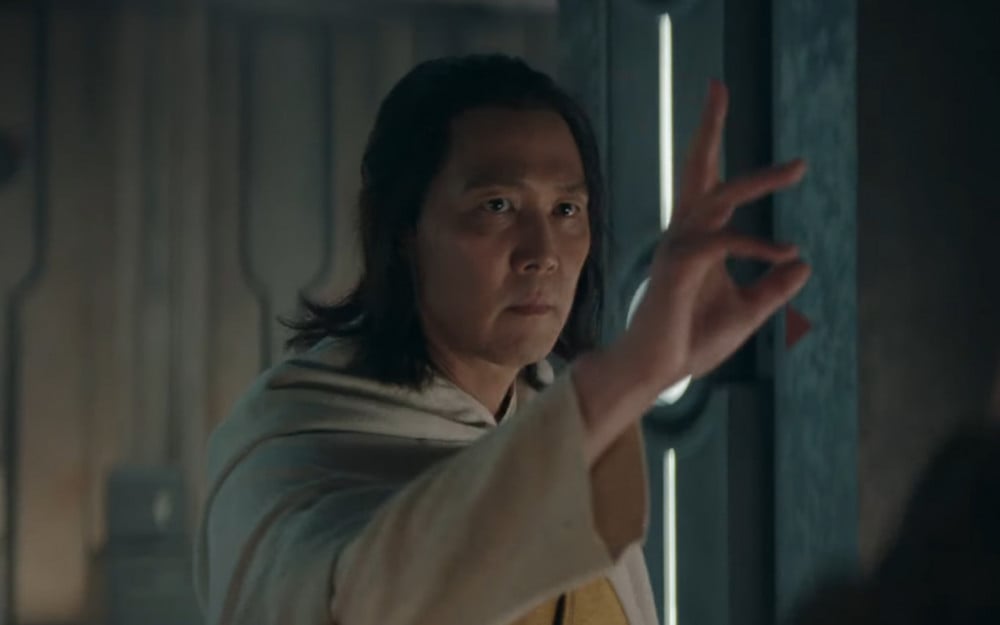
Dragons and imperial motifs in the Empire nod to ancient Chinese dynasties, while characters like Emperor Palpatine evoke scheming mandarins from folklore. Modern entries like The Acolyte amplify this with Asian-led Jedi, including Korean star Lee Jung-jae, bringing authentic wuxia intensity to the screen.
Celebrating Asian Soul on May the 4th 2026
These influences evolved Star Wars from subtle homages to overt celebrations, powering its endurance through decades and diverse casts. As The Mandalorian & Grogu gears up for theaters and Disney+ drops new content, May the 4th reminds us: the Force was forged in Asia’s cultural fires. Grab lightsaber replicas, stream classics, or join local Asia-Pacific events—the galaxy feels closest to home today.