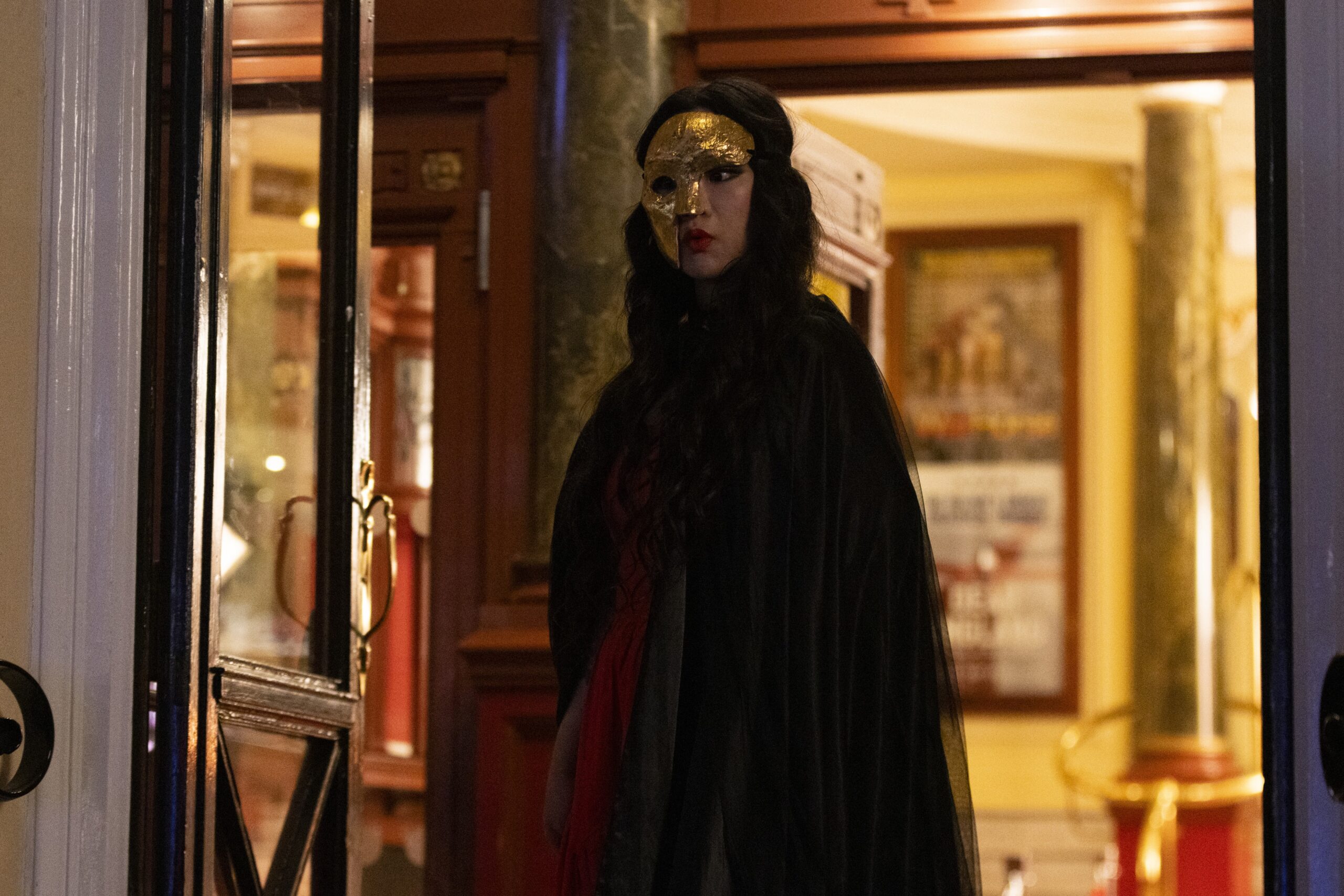
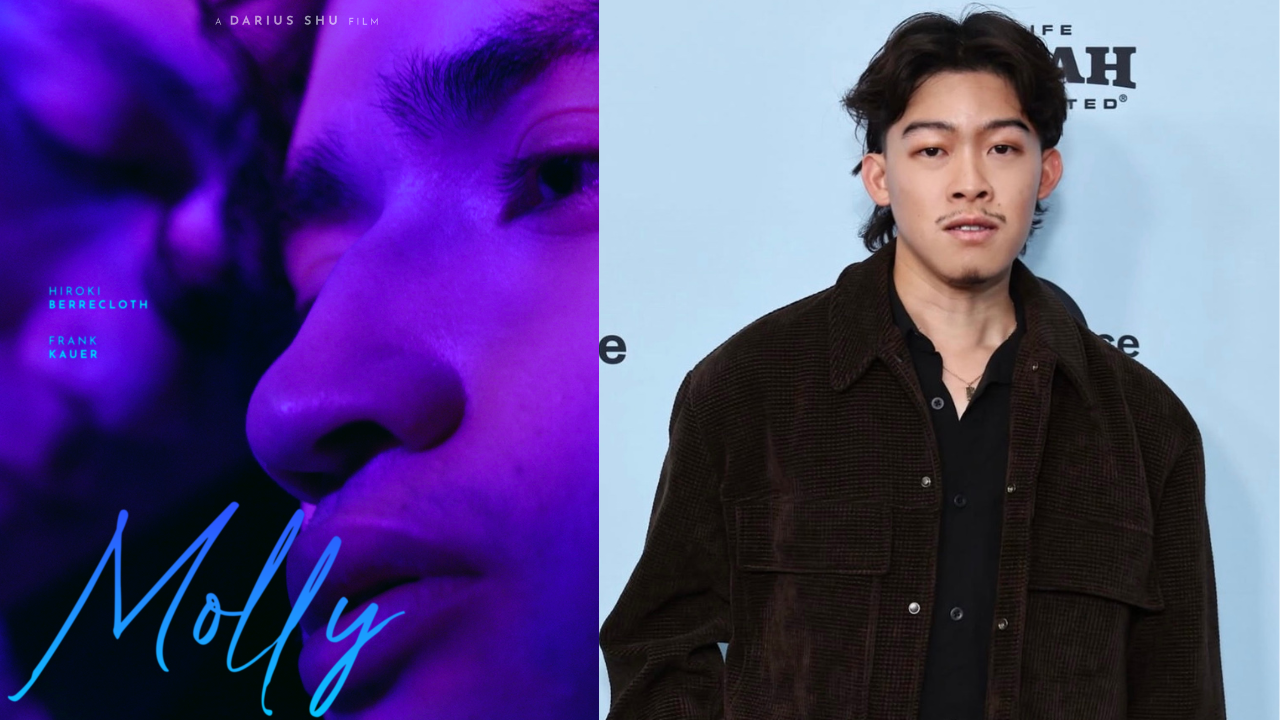
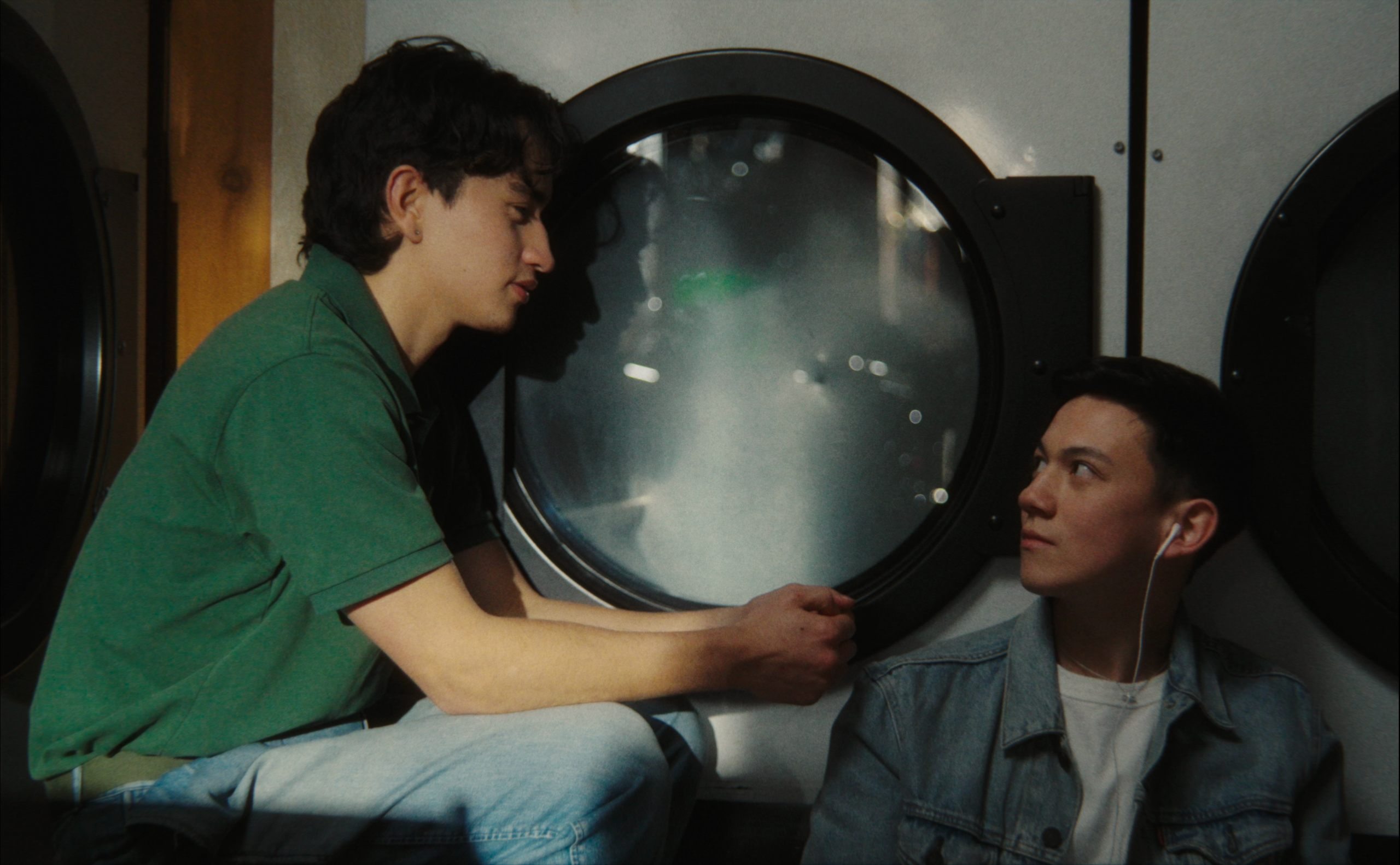
In the corner of a London launderette, between the rhythmic thrum of spinning drums and the sharp scent of detergent, Darius Shu found a metaphor for the modern heart. It is a setting that feels both timeless and strangely clinical—a place where people go to wash away the grit of the day before moving on to the next thing. To Shu, the British East Asian cinematographer and director, this space represents the transactional nature of contemporary connection.
“I chose the launderette because of its metaphors,” Shu explains. “There is also a line about a launderette being transactional—people come in, wash their clothes, and leave. I used that as a metaphor for how modern relationships can feel transactional, whereas the protagonist wants something genuine.”
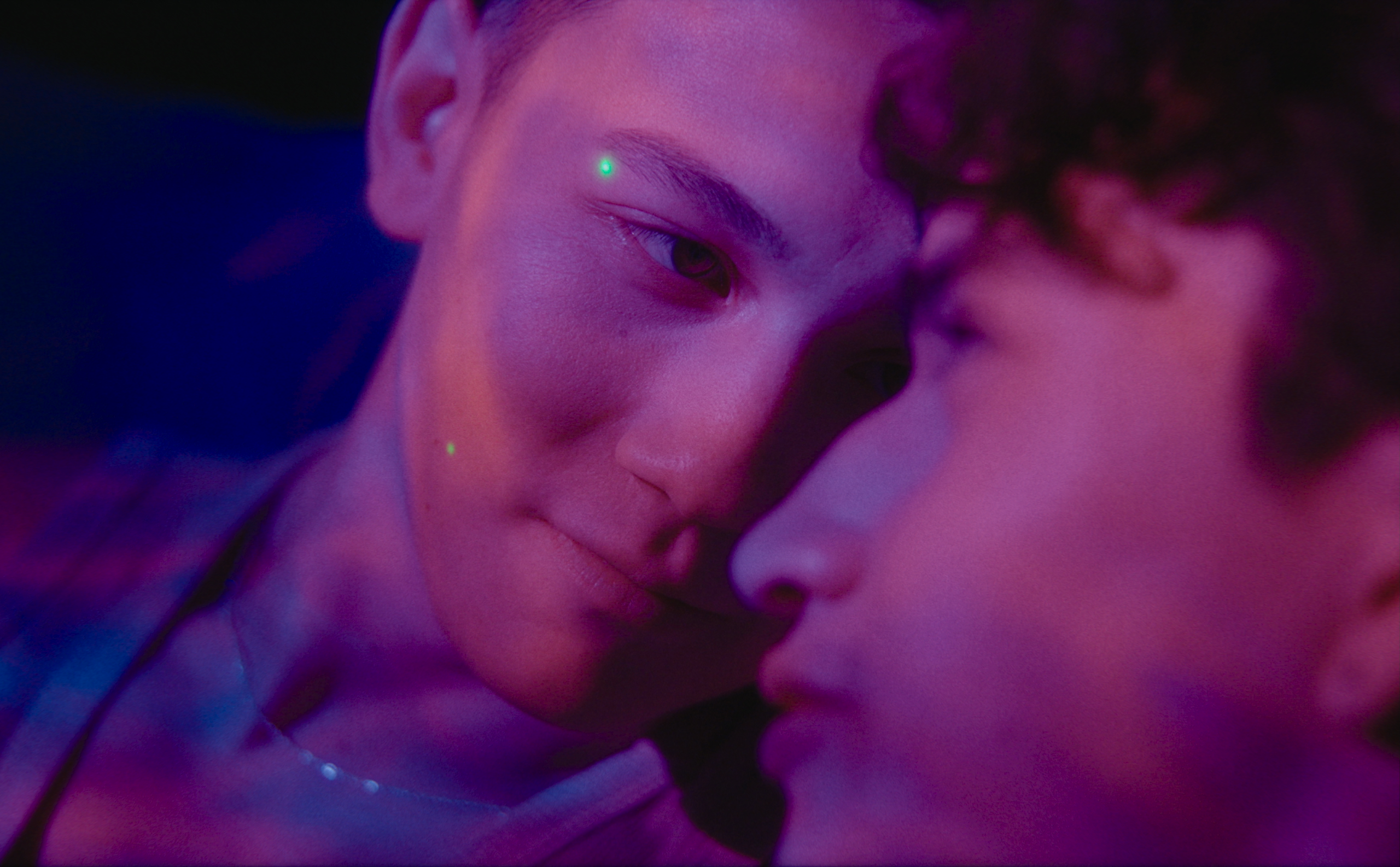
This tension between the mechanical and the emotional forms the spine of his latest film, Molly. After a four-year journey from a 2021 concept to its 2026 release, the film arrives as a quiet, startling correction to the hyper-sexualised landscape of modern cinema. It is a story that prioritises the “silences and stares” over the noise of the dating-app era, centring on two men, Vinnie and Ryan, who find themselves navigating a connection that defies traditional labels.
The Bold Declaration of a Cinematographer
Shu’s path to this moment was anything but a straight line. Born in Malaysia, he eventually made his way to the UK to study media and journalism before a talent for portraits pulled him toward the moving image. His entry into the industry was defined by a bold, almost stubborn confidence. “My path to becoming a cinematographer wasn’t traditional,” he notes. “I didn’t climb the usual ladder of being a camera assistant or a first and second AC. Instead, right after graduating, I simply declared myself a cinematographer. I never called myself ‘aspiring’—I had to say I was a cinematographer because that is what I wanted to do.”
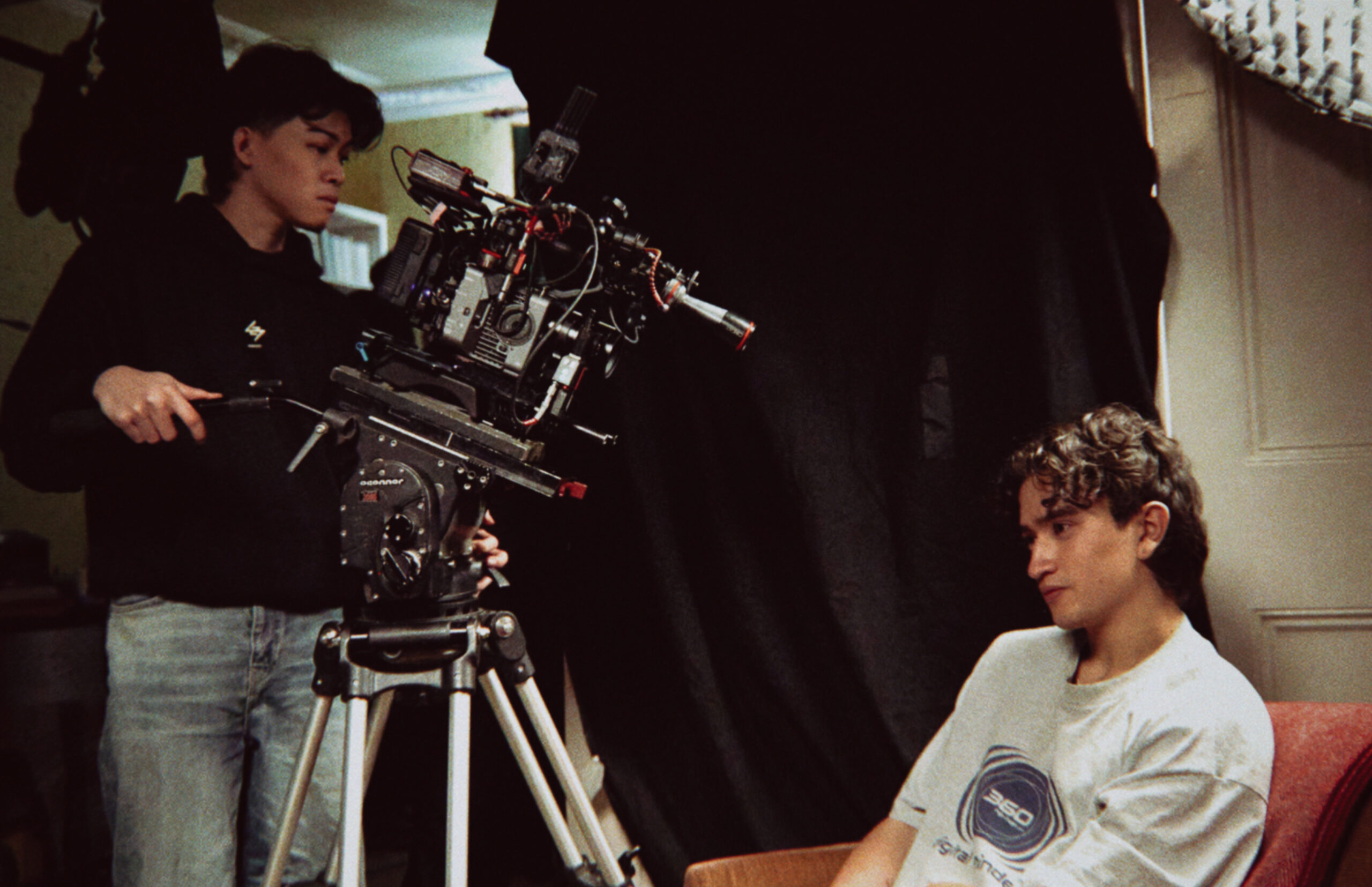
That self-assurance carried him through his directorial debut, His Hands, a silent psychological thriller produced for a mere £400 that ended up at the Tribeca Film Festival. It also sustained him through the long, often frustrating development of Molly. Originally titled Goldfish, the project went through several versions, including an 80-page feature script that Shu eventually scrapped. He realised that the excess of industry feedback was beginning to muffle his own voice. He returned to a contained, intimate premise—one that allowed him to explore the range of the asexual and demisexual spectrum, a topic rarely discussed in the Asian community.
Flipping the Perspective on Intimacy
In an industry where the queer experience is often reduced to a series of physical encounters, Shu’s insistence on the validity of romantic desire without immediate sexual pressure feels radical. He points to mainstream hits as examples of the model he hopes to challenge. “For example, as great as Heated Rivalry is, it still shows that model where sex is the starting point, and the characters don’t have a proper conversation until episode three or four. I’m trying to explore a different side of life that can be considered intimate.”
This exploration is not merely a stylistic choice; it is an act of visibility for a community that has historically been sidelined in British media. For Shu, Molly is an answer to the “absence of narratives” he felt growing up. “It’s very important that everyone is included in the story,” he tells me. “In Molly, I wanted the East Asian characters to exist as characters in Britain without having to ‘shout’ about their identity; they happen to be an East Asian love story. Everyone deserves to see characters who are flawed, messy, complex, and human.”
Validating the Outsider
As the film prepares to screen at the Queer East Festival, Shu remains focused on what cinema can do for those who feel like outsiders. He isn’t interested in spoon-feeding a message. He wants the audience to sit with the uncertainty. “At our last screening, people who identify as queer or straight told me they wish their relationships were more like the one in the film—focused on that kind of connection. It was surprising because I often felt like I was the only one who felt that way, but it turns out many people are bored with the hyper-sexualisation of everything.”
Molly is a reminder that the most profound stories often happen in the quietest rooms—or the hum of a local launderette. It challenges the audience to consider a love that refuses to follow conventional models. For the British East Asian community, it offers a mirror that has been missing for too long. For everyone else, it opens a window into a different kind of beauty.
Darius Shu’s film Molly will be screened as part of the Queer East Festival. You can find more information about the screening and purchase tickets here