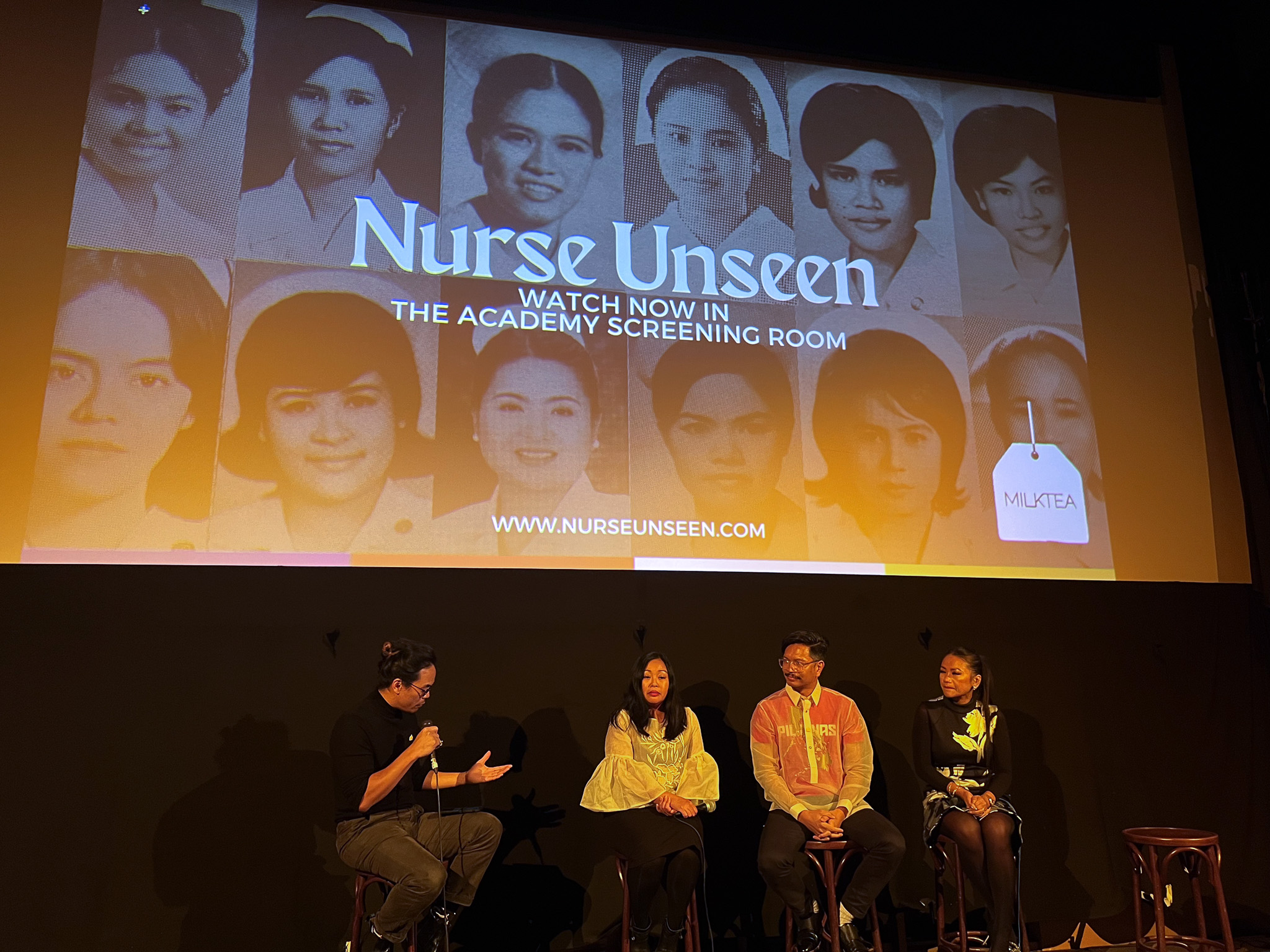
The dimly lit screening room at All is Joy Studios buzzed with anticipation. As a journalist with a penchant for uncovering hidden truths, I was intrigued by Milk Tea Films’ presentation of Nurse Unseen. The documentary promised to expose the often-overlooked experiences of Filipino nurses, a community whose contributions to global healthcare have long been overshadowed.
The film did not disappoint. Through a blend of archival footage and intimate interviews, Nurse Unseen revealed the complex history of Filipino nurses in the U.S., tracing their journey from the colonial era to the frontlines of the COVID-19 pandemic.
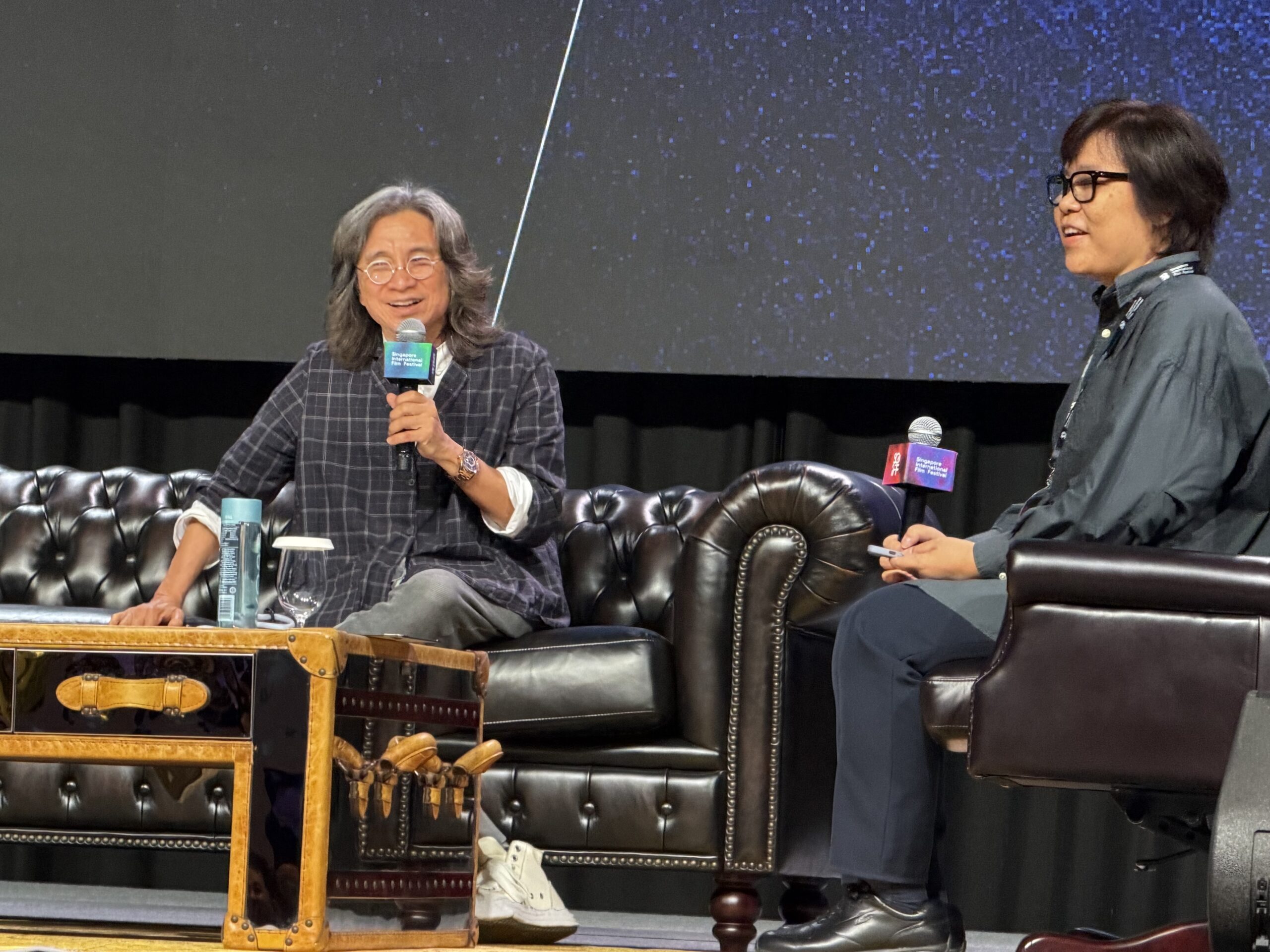
“It’s tragic that it took something as devastating as COVID-19 for media to begin acknowledging the massive contributions Filipino nurses have made to global healthcare systems for decades,” lamented director Michele Josue during the post-screening discussion.

Her words struck a chord. The pandemic laid bare the systemic inequities that plague the healthcare industry. Filipino nurses, despite comprising a mere fraction of the nursing workforce, were disproportionately impacted by the virus. They were often placed in the most precarious positions, their lives deemed expendable in the face of a global crisis.
“One-third of nurses who died from COVID-19 in the U.S. were Filipino, even though they make up only 4% of the nursing workforce nationwide,” stated moderator Paris Zarcilla, driving home the stark reality.
Read more: Simu Liu ‘Defends Dragons’ Den Entrepreneur for Having a Full-Time Job
This injustice fueled a sense of outrage, but it also sparked a movement. Filipino nurses, tired of being silenced and disregarded, began demanding recognition, respect, and protection. Nurse Unseen serves as a powerful platform for their voices, amplifying their concerns and highlighting their resilience.
The presence of May Parsons, the British-Filipino nurse who made history by administering the world’s first COVID-19 vaccine, added a layer of poignancy to the event.
View this post on Instagram
“For over 20 years in the UK, I’ve often felt unseen, unimportant, even expendable,” she admitted, offering a glimpse into the subtle yet pervasive biases that Filipino nurses often face.
But Parsons is a beacon of hope. She sees Nurse Unseen as a tool for empowerment. “This film opens the door for more stories to be told,” she declared. “It’s not just about being seen; it’s about what we do with this platform. Filipinos have a legacy of giving our best—whether as caregivers, leaders, or changemakers.”
The audience, a mix of healthcare professionals, film enthusiasts, and community members, was visibly moved. The film’s exploration of sacrifice, resilience, and the fight for equality resonated deeply.
As I exited the screening room, I couldn’t help but reflect on the power of documentary filmmaking to shed light on critical issues and inspire change. Nurse Unseen is more than just a film; it’s a call for justice, a demand for recognition, and a celebration of the indomitable spirit of Filipino nurses worldwide. Their stories, once hidden in the shadows, are now illuminated for all to see.
Read more: ‘The Wedding Banquet’ Remake: First Look Photos Revealed
This screening was just one example of the impactful work that Milk Tea Films is doing to champion East and Southeast Asian cinema in the UK. Founded by Chi Thai and Vicki Liu Brown, Milk Tea Films has been recognized for its innovative approach to film promotion and community building. To stay updated on their latest projects and screenings, follow them on social media (@milkteafilms).