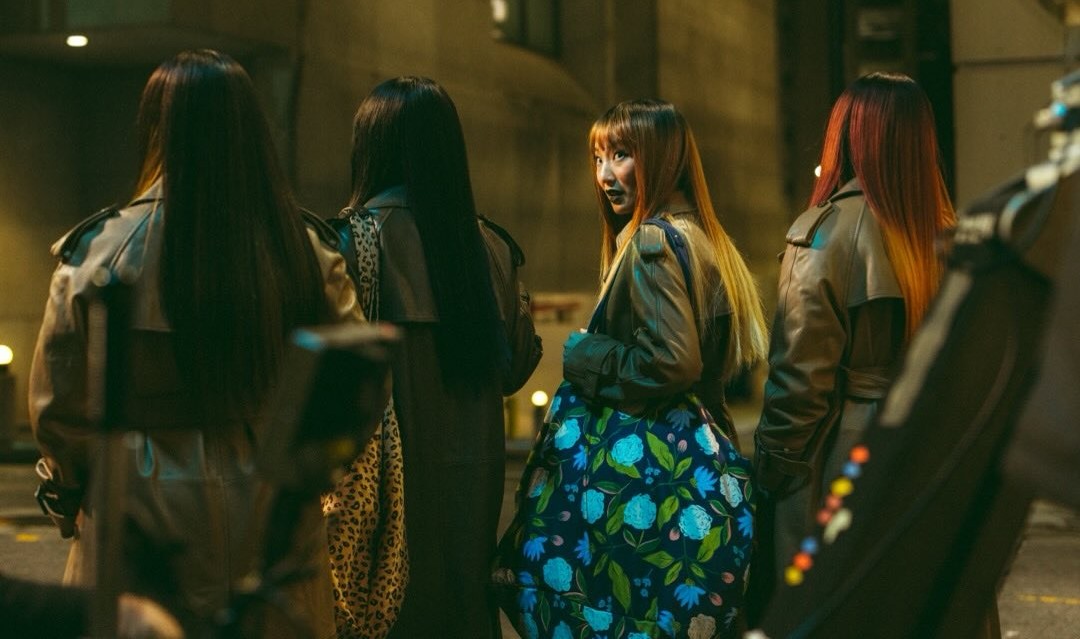
Poppy Liu is stepping into a new era of visibility—and she’s bringing radical politics, genre-bending stories, and a very specific kind of ghost with her.
In her latest film, I Love Boosters, the Boots Riley-directed heist satire starring Keke Palmer, Demi Moore, Taylour Paige, Eiza González, Naomi Ackie, and Lakeith Stanfield, Liu plays Jianhu, a Chinese factory worker who becomes an accidental global protest icon.
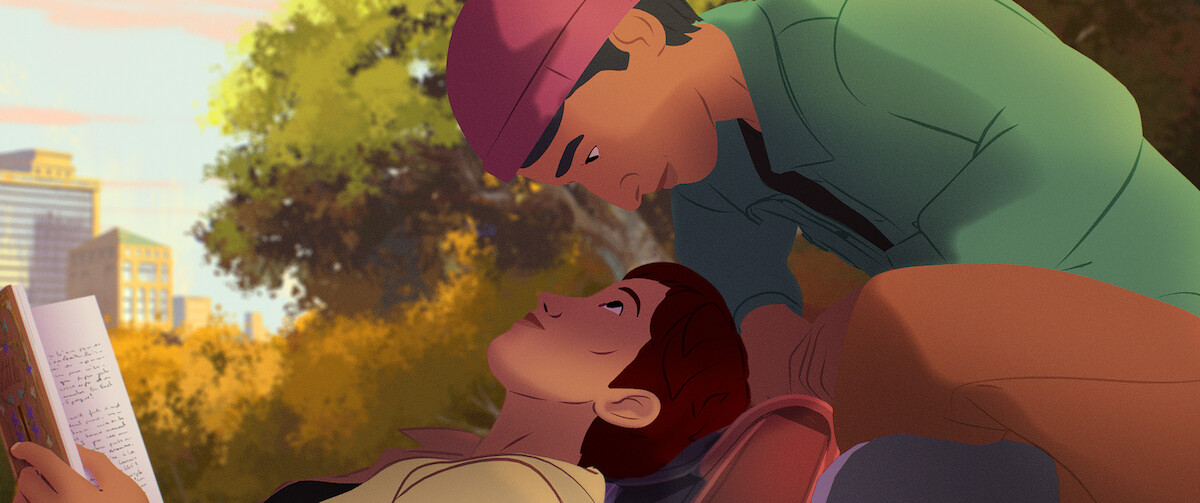
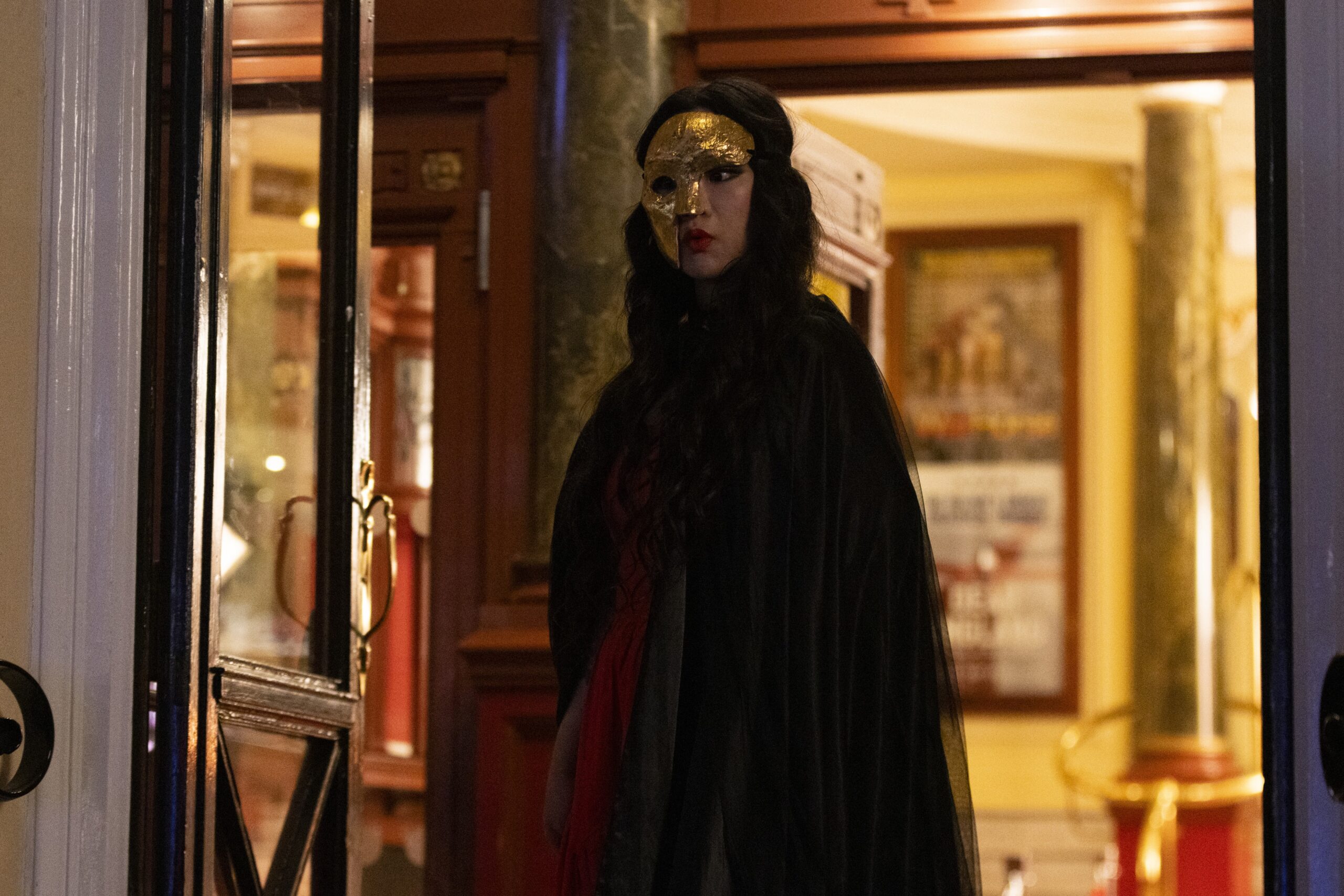
But beyond the film itself, Liu is already thinking about the next projects that will define her: a Netflix adult animated comedy, a Chinese American western, and, most provocatively, an “erotic horror” about a character she plays that has “a sexual awakening” in the form of a ghost from the Chinese Exclusion Act period.
Read more: Simu Liu Slams BuzzFeed and Defends Hudson Williams Over Swastika Photo Scandal
It’s a project that, like I Love Boosters, marries genre thrills with deeply political material. In this case, the horror isn’t just a spooky ghost; it’s the haunting legacy of anti-Chinese racism embedded in U.S. law and history.
Liu has long been drawn to films that smuggle social commentary into accessible, even playful, packaging. She describes I Love Boosters as a Trojan horse where audiences might be drawn in by the style and humor, only to realize the film is about something much bigger. “Maybe you’re drawn in, or even based on what the trailer looks like, you’re like, ‘Oh, this is going to be a fun, awesome fashion heist.’ You come out of it and realise this is about global class solidarity and how all of our oppressions are interlinked, etc., etc.”
View this post on Instagram
For Liu, the “veneer of the fashion and the beauty, and the humor of it” is part of what lets viewers’ guards down, which is especially important when talking about race, class, and capitalism—topics that often trigger what she calls an “immediate allergic reaction.” She finds it “wild” that “every aspect of your life is political. It’s a willing blind eye to not see it that way, but sure, it’s your prerogative.”
In her view, Boots Riley’s films work precisely because they don’t give audiences time to build those defenses: “Whereas, I think that people don’t really have the chance to put up that defense ahead of time [with Boots’ films] because there’s too much else happening in this world and there’s too many interesting and wild things going on.”
One of the most self-aware moments in the interview comes when Liu reflects on the contradictions of promoting a film about anti-capitalism while participating in Hollywood’s most opulent rituals. “We’re promoting this particular film, and there’s so many themes of anti-capitalism and global class solidarity and revolution,” she says, acknowledging that “this is the movie, and we obviously want people to see it and we believe in it, but also we’re performing capitalism at its highest in order to do that also.”
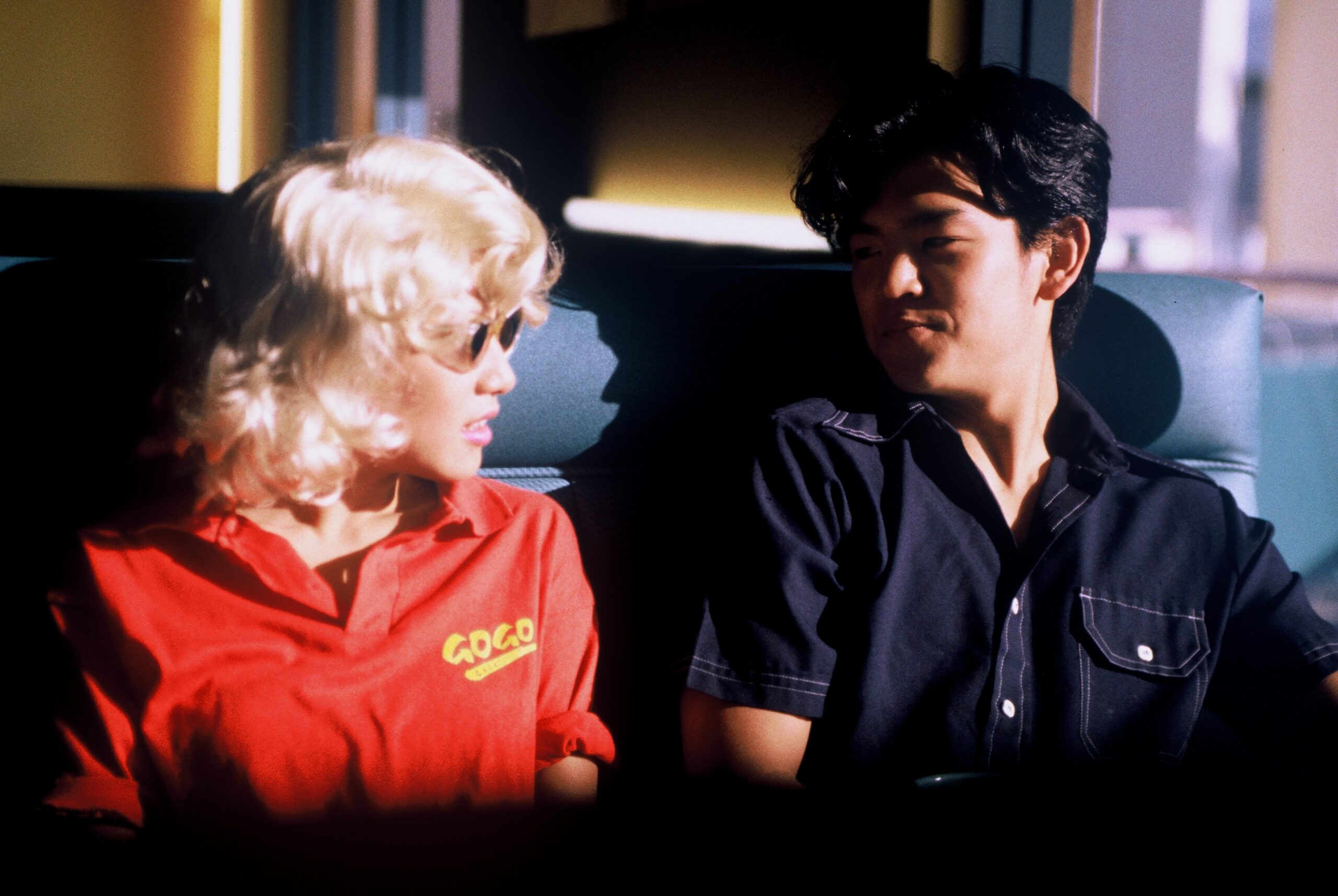
Read more: Maggie Cheung Classic Film ‘Center Stage’ Returns to North American Cinemas for 35th Anniversary
She doesn’t pretend there’s a clean solution. “It’s very interesting because if you make a movie about these ideas and then no one sees it, is that helping? If it does really well, then you’re peak capitalism, but then it’s like… we’re all complicit under capitalism.”
Liu’s own relationship to the machine is frank: “Obviously, in so many ways the hypocrisy is unavoidable on so many levels. I can [talk about] worker exploitation [but] I’m talking to you on my iPhone, probably made in Congo. I held off on getting a new one as long as I could, but then still was like, ‘Oh, fine. I’ll trade it and get an iPhone 16.’”
Even so, she refuses to let that paralysis become the end of the story. “Sometimes I think about this too — knowing also Boots’ revolutionary spirit and what the takeaway is — just how daunting it can be when what we’re up against is something like capitalism. Who ethically can even speak on that? Nobody. Also what do we do? It can be so debilitating, which I think is also a method of the ruling class to make you feel so hopeless you can’t do a single thing.”
The “sexual awakening” ghost project is one of the clearest signals of Liu’s commitment to telling Asian American stories that are explicitly rooted in history and race. She’s working on a new feature that she describes as an “erotic horror” about a character she plays that has “a sexual awakening” in the form of a ghost from the Chinese Exclusion Act period.
That legacy is also teasing through her other ambitions: “Then there’s the Chinese American western she’s been trying to find the shape of. ‘That’s been a dream project and a thing that’s been on my mind for a long time,’ she says.”
These aren’t just personal projects; they’re deliberate attempts to claim genres and narratives that have historically excluded or caricatured Asian American lives.