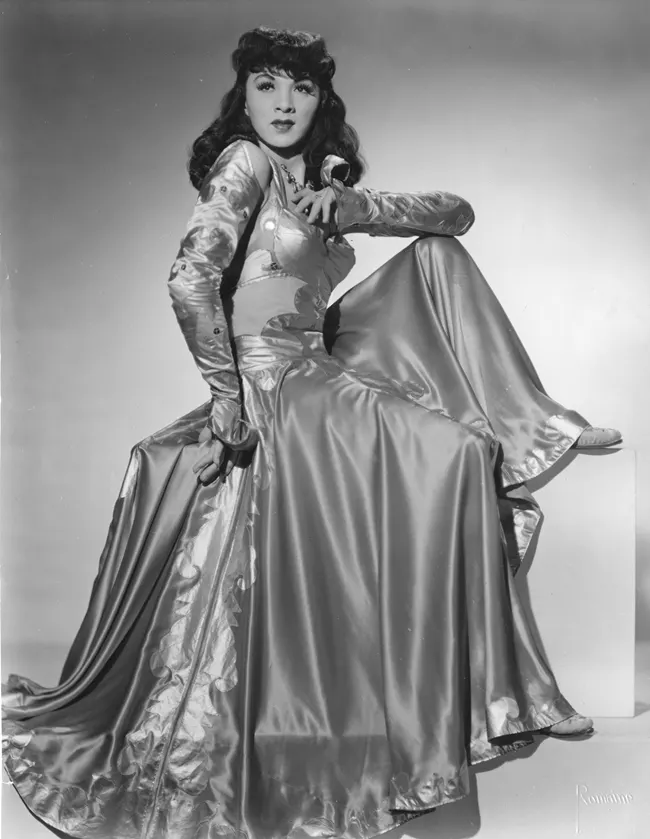
Pride Month often highlights the famous milestones of modern queer liberation. People discuss the Stonewall riots of 1969 or the legal victories of the 21st century. However, the roots of this movement extend much further back. Decades before the modern gay rights movement found its public voice, individual performers carved out spaces for self-expression under intense societal pressure. Among these early pioneers was Jackie Mei Ling, a dancer and choreographer whose life offers a brilliant example of artistic agency and personal resilience.
During the mid-20th century, San Francisco’s Chinatown became a major hub for nightlife. The era established an entertainment scene that lasted from the late 1930s through the 1960s. Venues like the Forbidden City and the Chinese Sky Room offered all-Asian revues. These clubs drew large crowds, predominantly white tourists, who sought out the eroticised imagery popularised by Hollywood.
Mei Ling entered this world with unique skills. Born in Utah in 1914, he moved to San Francisco during his youth. He grew up in a community restricted by strict immigration laws and conservative social values. Many nightclub performers of the era were self-taught and took to the stage out of financial necessity. Mei Ling took a different path. He completed formal training, studying dance with choreographer Walton Biggerstaff and working with the Ballet Company of San Francisco. He also studied commercial art at the Otis and Chouinard art institutes in Los Angeles.
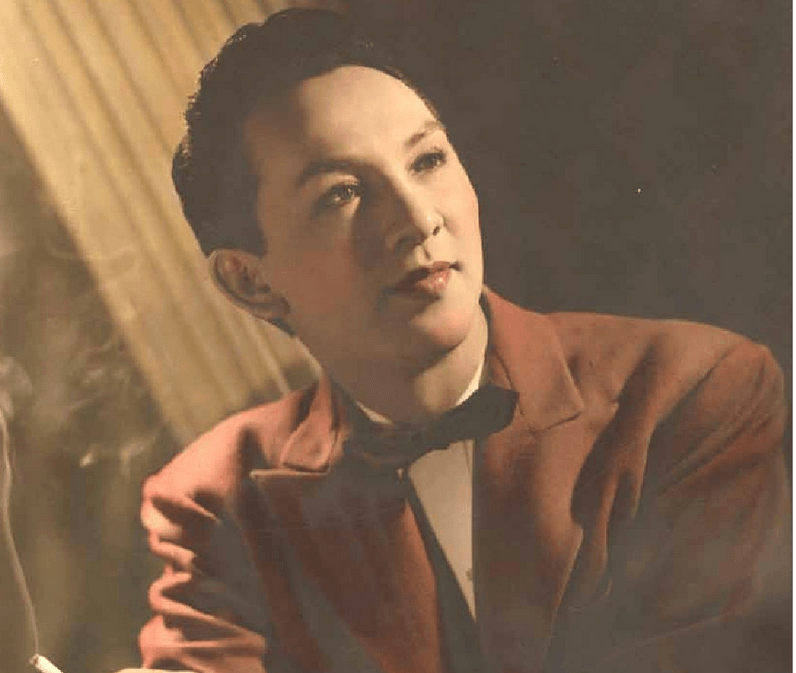
This extensive training allowed Mei Ling to control his career. He did not simply perform the routines given to him. He conceptualised his own acts, choreographed complex numbers for his dance partners, and designed his own costumes.
His work required careful negotiation. Mid-century America policed gender roles and sexual orientation through both law and social custom. Outside the theatre, gender-nonconforming individuals faced regular police intervention. In 1908, a local resident named Chin Ling faced arrest in Oakland for wearing women’s clothing in public. Within Chinatown, conservative elders frequently condemned theatrical performances that broke from traditional family models.
Read more: Darius Shu Interview: Reclaiming Quiet Intimacy in His New Film ‘Molly’
Mei Ling lived openly as a gay man within his professional network. His colleagues, dance partners, and nightclub managers knew his identity. On stage, however, he adapted to the expectations of his audience. At the Forbidden City, management billed him as part of a romantic heterosexual couple alongside dancers like Jadin Wong. This presentation protected the financial interests of the club, which relied on selling conventional romantic fantasies to middle-class visitors.
When he performed drag acts, he chose his venues carefully. He regularly appeared at Finocchio’s, a famous San Francisco venue for female impersonation that attracted a large queer clientele. To protect his family and preserve his standing in Chinatown, Mei Ling maintained a strict agreement with the management at Finocchio’s. He refused to perform if any Chinese patrons were in the audience. This strict division allowed him to express his identity fully on stage while insulating his private life from the conservative scrutiny of his home community.
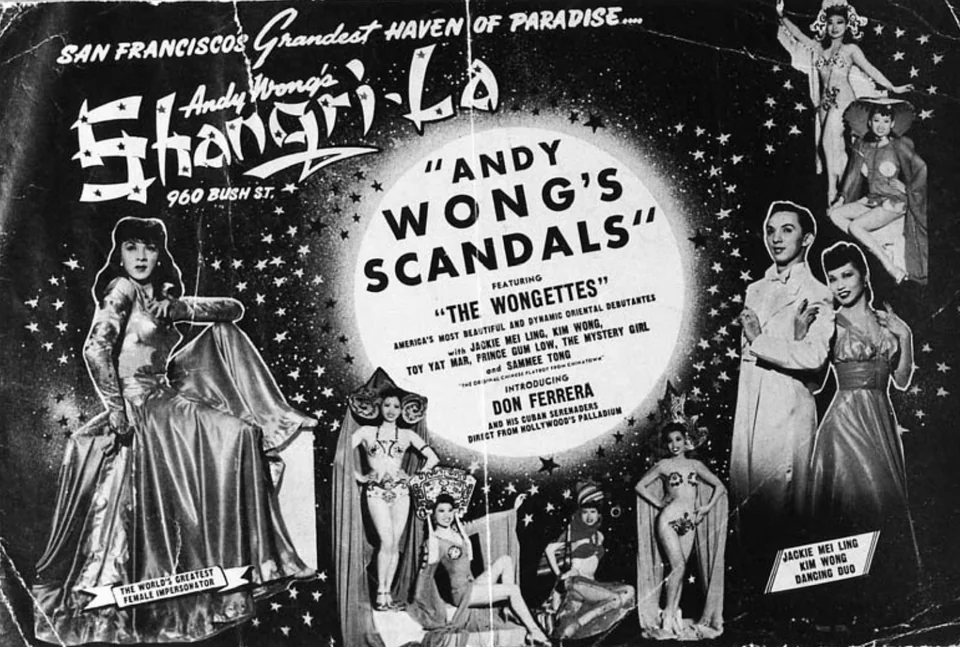
His art became a tool for subtle subversion. In his famous 1942 performance, “The Girl in the Gilded Cage,” Mei Ling played a highly stylised harem master. He used jerky, exaggerated, and unnatural movements while his partner performed. While the tourist audience focused on the spectacle, Mei Ling used physical contortion to mock the very Orientalist stereotypes the patrons paid to see. He took the restrictive caricatures of the era and turned them into high-concept performance art.
The challenges extended beyond San Francisco. During the Second World War, Chinatown performers toured the United States to entertain crowds in regional theatres and USO shows. These trips brought financial success, but they also forced performers to confront the realities of segregation.
While touring in Louisville, Kentucky, Mei Ling and a Chinese American showgirl attempted to eat in a local restaurant. The staff ignored them for a long period. Eventually, the hostess approached their table and asked if they were Black. The incident exposed how the rigid racial binaries of the Jim Crow South failed to understand anyone outside a black-and-white framework. Performers who received applause as glamorous stars on stage faced immediate discrimination the moment they stepped into the street.
Read more: Original Thai “Boys’ Love” (BL) Catalogue Is Coming to the US
When the golden age of Chinatown clubs declined in the late 1950s, the public forgot many of these artists. Cultural critics in the 1970s sometimes dismissed the old nightclub acts, viewing them as compliance with western prejudice.
That perspective changed because of the work of historian and filmmaker Arthur Dong. In the mid-1980s, Dong tracked down Mei Ling in New York City to record his oral history for the documentary