To the internet, Jonathan Y. “Jonny” Kim is the ultimate projection of a modern folk hero. At forty-two, his resume reads like an impossible composite of American meritocracy: decorated Navy SEAL sniper, Harvard-educated physician, and NASA astronaut who recently concluded a 245-day mission aboard the International Space Station. Online, memes routinely brand him as the final boss of parental expectations, joking about the existential dread of being his cousin.
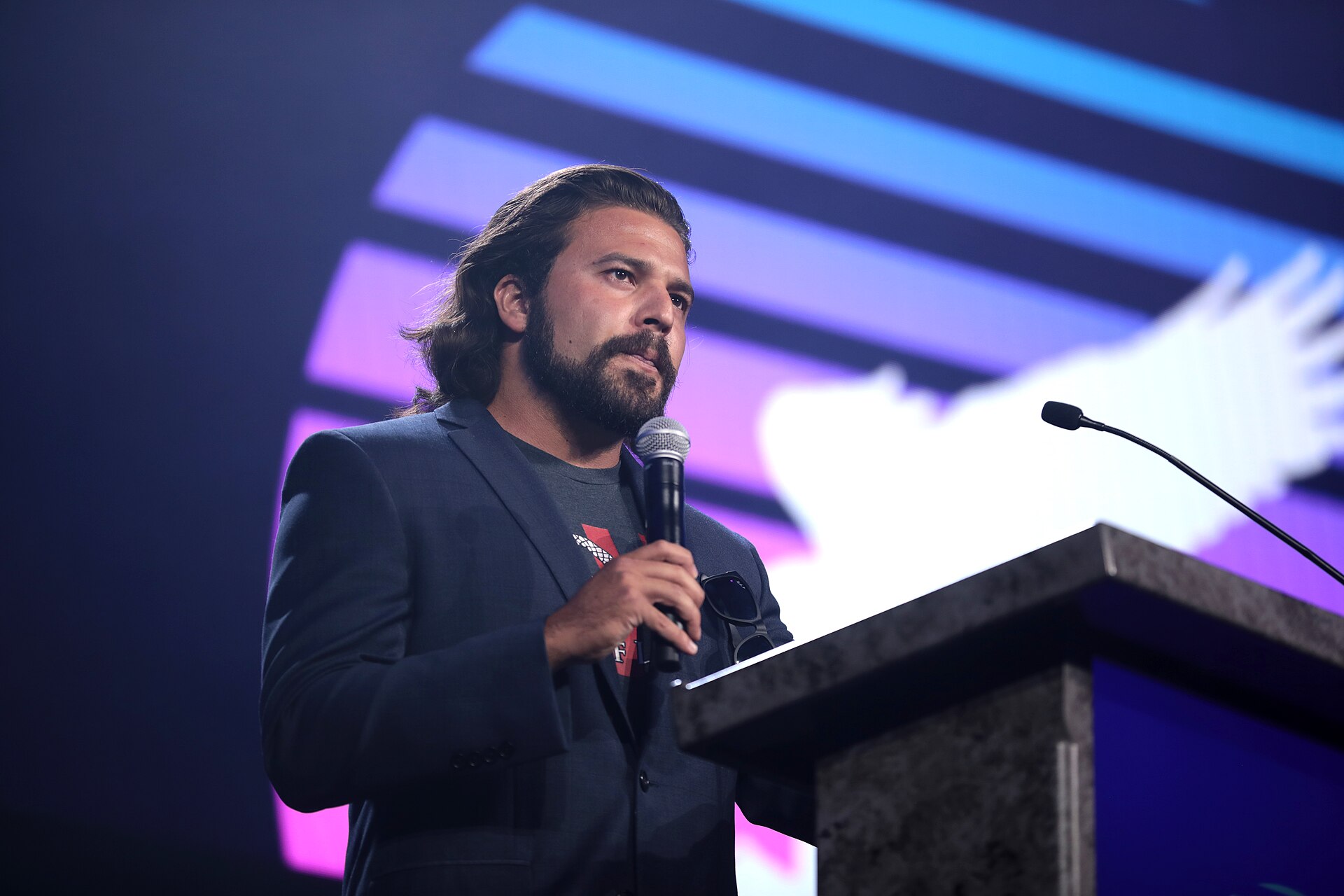
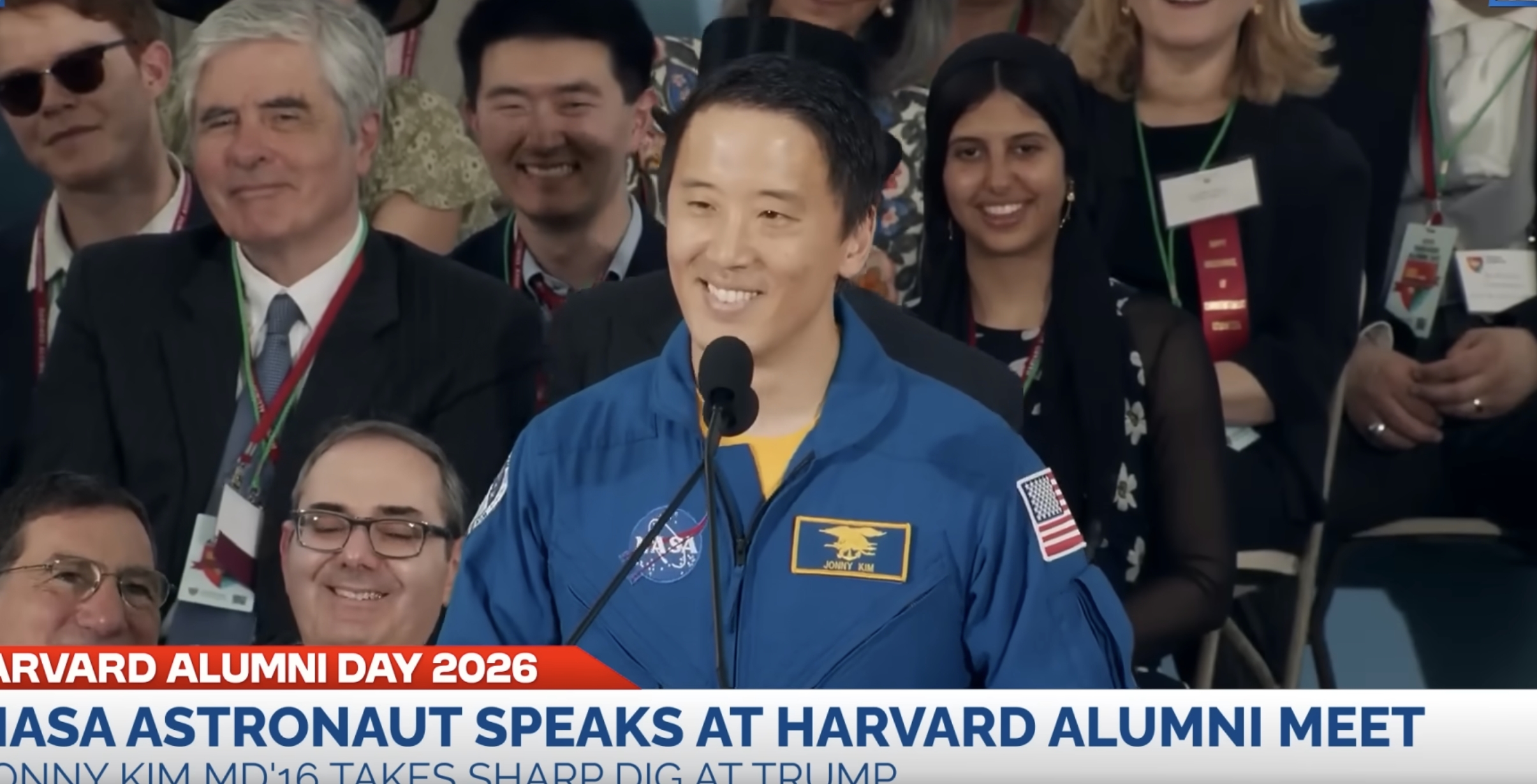
But when Kim took the podium on Friday as the keynote speaker for Harvard’s Alumni Day, he did not present himself as a caped crusader. Instead, speaking to a crowd of over 9,000 graduates spanning eight decades, the second-generation Korean American delivery was quiet, unvarnished, and explicitly critical of the solitary hyper-achiever archetype he spent his youth chasing.
The Real Danger of the Batman Ideal
Growing up in Los Angeles, Kim recalled a socially timid childhood marred by a profound sense of cultural displacement and family trauma, culminating in the night his alcoholic father threatened the family with a weapon and was fatally shot by police inside their home. Seeking an identity to cling to, an eighteen-year-old Kim chose the military, determined to transform himself into an unyielding warrior.
Read more: NASA Astronaut Jonny Kim Returns Home After 245 Days in Space
“I wanted to be like the incorruptible, self-reliant Batman fighting injustice,” Kim told the audience. “But in the extreme environments where I’ve spent my life as an adult, I learned that the solo hero myth is dangerous.”
Whether operating in an urban firefight in Ramadi, navigating a sudden medical crisis during a hospital residency, or maintaining systems in the vacuum of low Earth orbit, Kim argued that isolation is a liability. Survival, he explained, requires an active surrender of the ego and an absolute, non-negotiable reliance on the individuals standing next to you.
Dismantling the Exterior
For years, Kim managed his duties by turning off his capacity for emotion, building a thick shell to survive multiple combat deployments to Iraq. That hardened exterior began to crack during his third year at Harvard Medical School, specifically during a mandatory weekly seminar where students were forced to sit in a circle and process the emotional toll of their clinical rotations.
Initially, Kim recalled hating the sessions, viewing them as a sentimental exercise that conflicted with his military training. However, the forced reflection made him realise that the emotional distance that kept him alive in combat was actively preventing him from becoming a competent doctor or a functional human being.
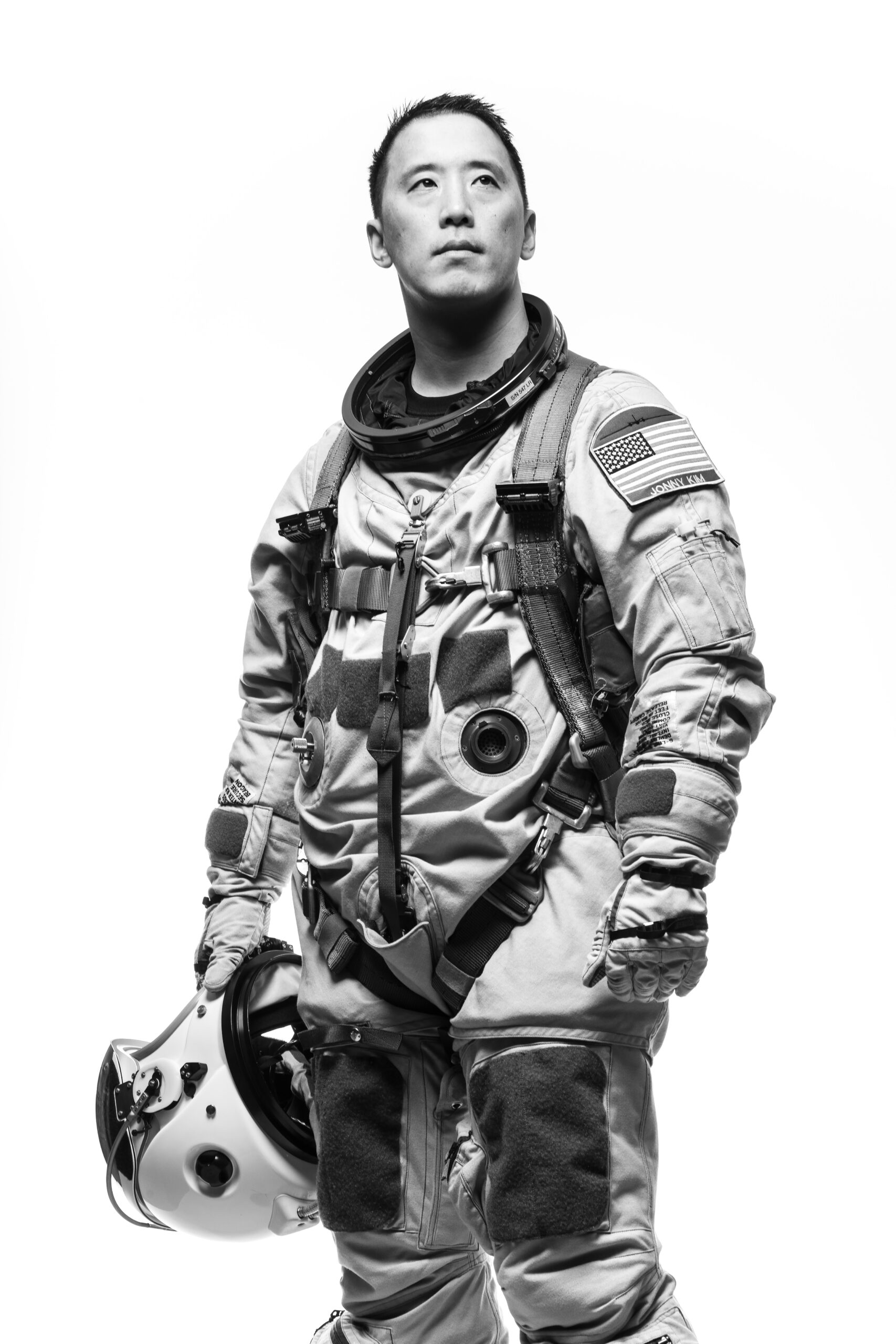
“The greatest gift this amazing institution has given me is not my medical education or the prestige that follows,” Kim said. “It is that the people at Harvard helped pull me out of the darkness and into the light, and did it through something I had long considered a weakness: empathy.”
Kim spoke openly about the lingering psychological wounds of war, including a specific tactical decision that resulted in a death that continues to follow him. He thanked his former classmates and professors for extending grace and sitting with him in those dark spaces, re framing vulnerability not as a structural flaw, but as a mechanism for collective healing.
A World Without Borders
From his vantage point as a flight engineer aboard the International Space Station during Expedition 72/73, Kim found a global duplicate of this interdependence. Moving at 17,000 miles per hour, he described watching auroras, volcanic eruptions, and glowing metropolitan networks from above.
He noted that the space station itself has functioned as a continuous, twenty-five-year collaboration involving fifteen different nations. Looking down at the landscape, he remarked that he was struck by the complete absence of political boundaries, viewing the planet instead as a singular, fragile entity requiring shared stewardship.
Read more: Why We Should Be Talking About Amanda Nguyen, Not Just Billionaire Space
Kim concluded his address with a emotional tribute to his late mother, who recently died from cancer. He described her as an immigrant woman who, despite facing a world that was frequently unkind to her, maintained a fierce moral courage and compassion.
“My whole life I’ve looked to characters, or out into the world, for heroes to emulate,” Kim said, “when my biggest superhero was always right there by my side.” Currently back on active military duty and training to become an instructor pilot, Kim continues to dismiss the viral memes celebrating his individual brilliance, reminding the crowd that real service is found in quiet, daily acts of collective grace.