
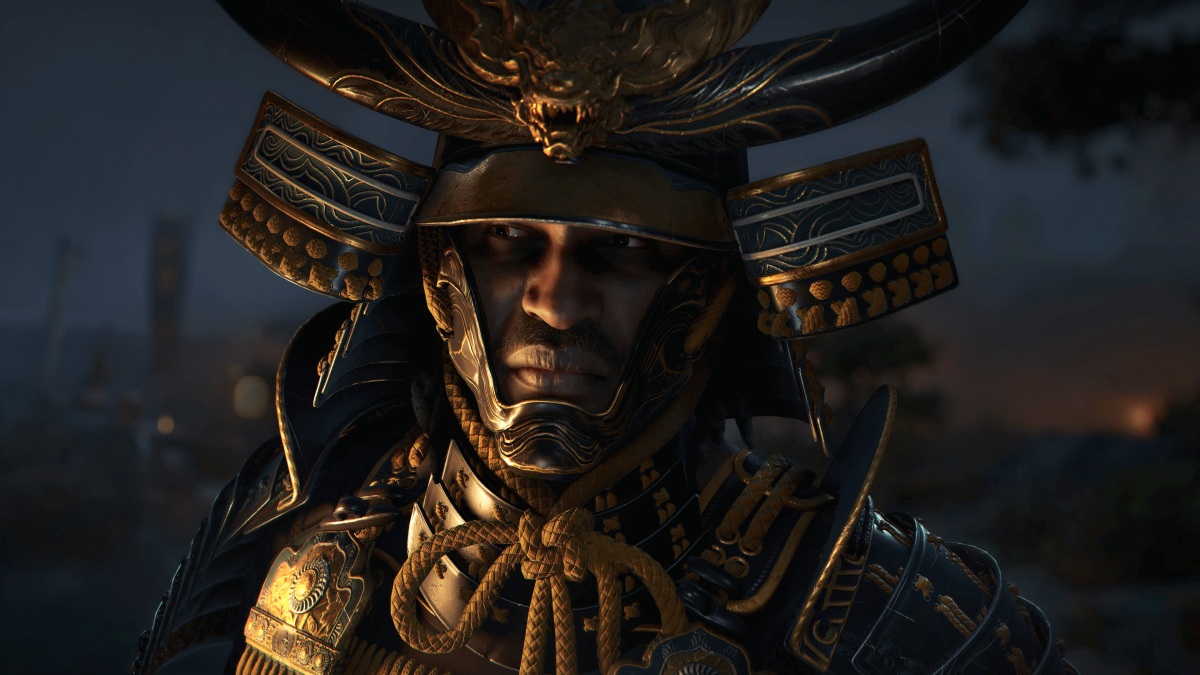
The unveiling of Ubisoft’s latest addition to the Assassin’s Creed franchise, Assassin’s Creed Shadows, has ignited a heated debate among fans. The controversy centers around the inclusion of Yasuke, a real-life historical figure believed to be Japan’s first black samurai, as one of the game’s lead characters.
Set in feudal Japan, the game features two protagonists: Yasuke and a fictional female character named Naoe. While Naoe is an original creation, her father is based on the historical shinobi Fujibayashi Nagato. Yasuke, on the other hand, is a well-documented figure who served as a samurai under Oda Nobunaga in the 16th century.
The trailer’s release sparked criticism from some fans who questioned the decision to set the game in Japan without a Japanese male protagonist. One fan on X, @Grummz, expressed their frustration: “I’m Asian, and Ubisoft decided to erase me and replace me in a game about my own country. Isn’t that what they would say if they made Assassin’s Creed Shadows a white dude? Why are they okay with it when they picked a black [man]?”
"I'm Asian, and Ubisoft decided to erase me and replace me in a game about my own country."
— Grummz (@Grummz) May 15, 2024
Isn't that what they would say if they made Assassin's Creed Shadows a white dude?
Why are they okay with it when they picked a black dude? pic.twitter.com/KZoXbgvxsO
Others echoed this sentiment, accusing Ubisoft of harboring bias against East Asian males, highlighting the absence of such characters as protagonists in previous Assassin’s Creed titles.
The controversy also delved into Yasuke’s historical accuracy as a samurai. Some fans dismissed him as a mere “retainer,” while others passionately defended his status, emphasizing that retainers were indeed samurai who served feudal lords.
Accusations of racism surfaced against those criticizing the game, with one fan on X stating, “With the new Assassin’s Creed game main character being black, the racists are just out.” Another fan pointed out the hypocrisy of the criticism, noting, “Kinda crazy how nobody cared about Assassin’s Creed consistently exaggerating or fictionalising history until they decided to have a black samurai based on Yasuke…”
Kinda crazy how nobody cared about Assassin's Creed consistently exaggerating or fictionalising history until they decided to have a black samurai based on Yasuke… pic.twitter.com/ulLIOe2ASg
— Mischief (@MischiefsYT) May 16, 2024
Ubisoft defended their decision to include Yasuke, stating on their website that they sought a samurai character with an “open-ended” story that allowed for creative freedom. They also highlighted Yasuke’s unique perspective, allowing players to “discover Japan alongside him.”
The debate surrounding Assassin’s Creed Shadows reflects a broader conversation about representation and historical accuracy in video games. While some fans criticize the game for deviating from traditional expectations, others celebrate its inclusion of a diverse and often overlooked historical figure.