
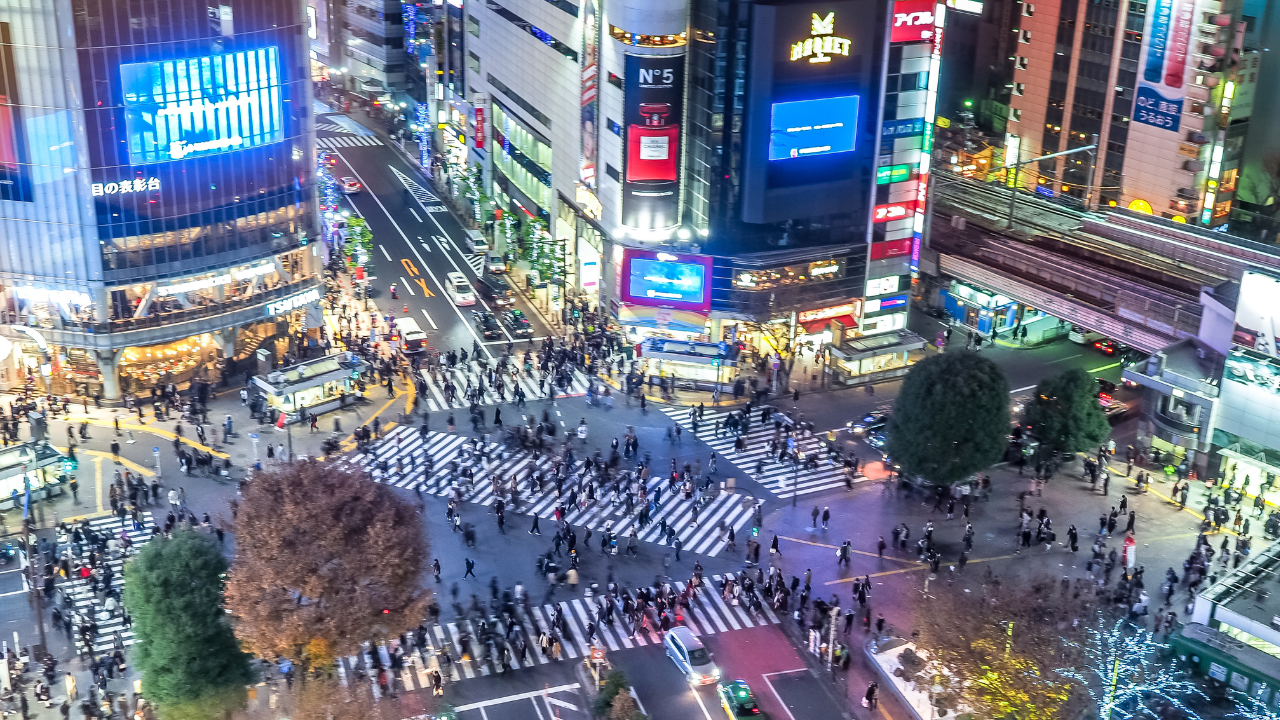
Visitors to one of Tokyo’s most famous entertainment and shopping districts now face immediate financial penalties if they discard rubbish on the streets. Starting this week, authorities in Shibuya Ward have introduced an on-the-spot fine of 2,000 Japanese yen (£9 or $13) for anyone caught littering in the area.
The enforcement system follows a dramatic post-pandemic surge in global travel to Japan, which welcomed a record 42.7 million international visitors last year. The rapid influx has strained local infrastructure and created friction within urban communities, prompting municipal leaders to take a firmer stance on anti-social behaviour.
Multilingual Patrols and Digital Payments
To ensure compliance, Shibuya Ward has deployed up to fifty patrol officers to walk the streets of the commercial center, which includes the iconic Shibuya Crossing. These officers possess multilingual capabilities—including English, Mandarin, and Korean—to clearly communicate the regulations to international arrivals.
The anti-littering initiative operates under a direct public campaign warning visitors that if they throw trash, they lose cash. Individuals caught violating the law must pay the 2,000 yen penalty immediately. Officers carry portable payment terminals to accept cash, credit cards, or mobile QR code transactions on the street.
The local ordinance has also expanded responsibilities for business owners. Food and beverage shop operators within designated high-traffic zones must now install waste bins outside their premises or face separate penalties.
Read more: Americans Arrested in Japan After Stunt at Enclosure of Viral Monkey Punch
The new fines highlight a long-standing paradox for travelers navigating Japanese cities. Public rubbish bins are notoriously difficult to find across the country, a policy originally implemented for public safety following historic domestic and international terrorist attacks in the 1990s. Citizens are traditionally expected to carry their personal waste home with them.
However, international arrivals regularly struggle with this cultural norm. In a government survey conducted last year, over twenty per cent of four thousand foreign tourists cited the lack of public waste bins as the single biggest inconvenience during their travels.
Shibuya mayor Ken Hasebe stated that while the city takes pride in its global popularity, local government must protect the urban environment. “We ask everyone who visits Shibuya, regardless of nationality, to follow the city’s rules,” Hasebe said in a public statement. Ward officials added that the absence of public bins does not excuse littering.
Tensions Over Over tourism Mount Nationwide
Shibuya is not the only region in Japan implementing drastic measures to counter the secondary effects of mass tourism, which has risen rapidly due to a historically weak yen and high visibility on social media platforms.
Near Mount Fuji, the town of Fujiyoshida has experienced chronic traffic congestion and severe littering, forcing local authorities to cancel their popular annual cherry blossom festival after the crowds became unmanageable for residents.
In response to the nationwide pressure on infrastructure, the central government is introducing broader fiscal deterrents. Starting in July, Japan’s international tourist tax will triple to 3,000 yen per person. Municipalities are also introducing crowd-control mobile applications that provide real-time updates on pedestrian density, hoping to redistribute foot traffic away from congested hotspots.