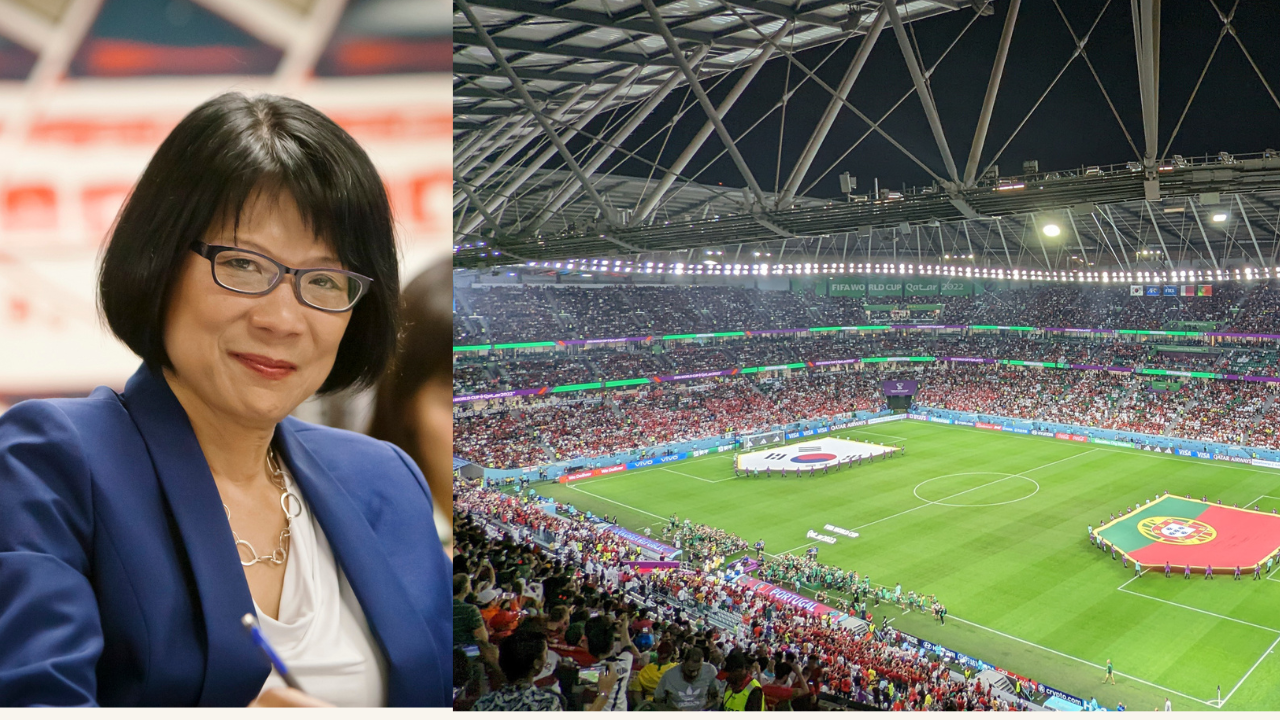
Toronto Mayor Olivia Chow has launched a blistering attack on FIFA following its decision to prohibit spectators from bringing reusable water bottles into stadiums during the upcoming World Cup. Speaking to reporters on Thursday, Chow described the policy shift as a blatant attempt to generate additional revenue at the expense of football fans and the environment.
The dispute arises less than a week before the international tournament begins on 11 June, with Toronto scheduled to host the first of its six matches on 12 June. The sudden amendment to the stadium code of conduct overrides long-standing local rules at BMO Field—temporarily renamed Toronto Stadium for the competition—which previously allowed ticket holders to enter with their own bottles.
Putting Corporate Profit Over Public Welfare
“It is a pure money grab,” Chow stated when asked about the security changes. “Why do you need to buy a water bottle when you can carry your water in? It is cheaper that way and it is good for the environment.”
The mayor expressed frustration at the financial scale of the organisation compared to the restrictions placed on ordinary attendees. “It is outrageous. They are trying to make more money. They are already making billions of dollars. Stop it.”
Read more: Hull City Fans Outraged as Camera Cuts Away From Japanese Star Hirakawa Yu During Trophy Lift
While Chow admitted that municipal authorities possess minimal legal power to overturn the rule because FIFA dictates all venue operations under the host city contract, she offered an alternative proposal. She suggested that if safety remains the primary concern, the organisation should distribute free water inside the venue as a goodwill gesture to residents, utilising local municipal supplies.
Safety and Security Cited as Defense
FIFA defended the policy change by pointing to standard global safety and transport guidelines. In a formal statement, a spokesperson argued that the restriction aligns with protocols already active at several multi-use sports venues worldwide, aiming to protect players, match officials, and spectators from potential hazards.
Read more: BTS to Headline First-Ever FIFA World Cup Final Halftime Show With Madonna and Shakira
The governing body insisted that it works in tandem with each local host committee to mitigate summer heat risks. Officials plan to install cooling fans, misting stations, and hydration tents along the pedestrian routes leading into the stadiums. Furthermore, the organisation stated that the price of water inside the stadium footprint will match standard rates charged during regular domestic sporting events.
Environmental Groups Join the Backlash
The decision has drawn sharp criticism from Canadian environmental organisations. The Toronto Environment Alliance called the water bottle ban a short-sighted and harmful choice that directly undermines the tournament’s green objectives.
According to calculations compiled by the advocacy group, allowing reusable containers could have prevented the use of over one million disposable plastic items in Toronto alone throughout the month-long event.
Local politicians have also urged the city administration to resist the corporate mandates. Toronto City Councillor Josh Matlow criticised the original host city contract for favouring the sporting body over local residents. Matlow argued that restricting access to drinking water when outdoor stadium temperatures can exceed thirty degrees Celsius represents a significant health risk that warrants direct municipal opposition.