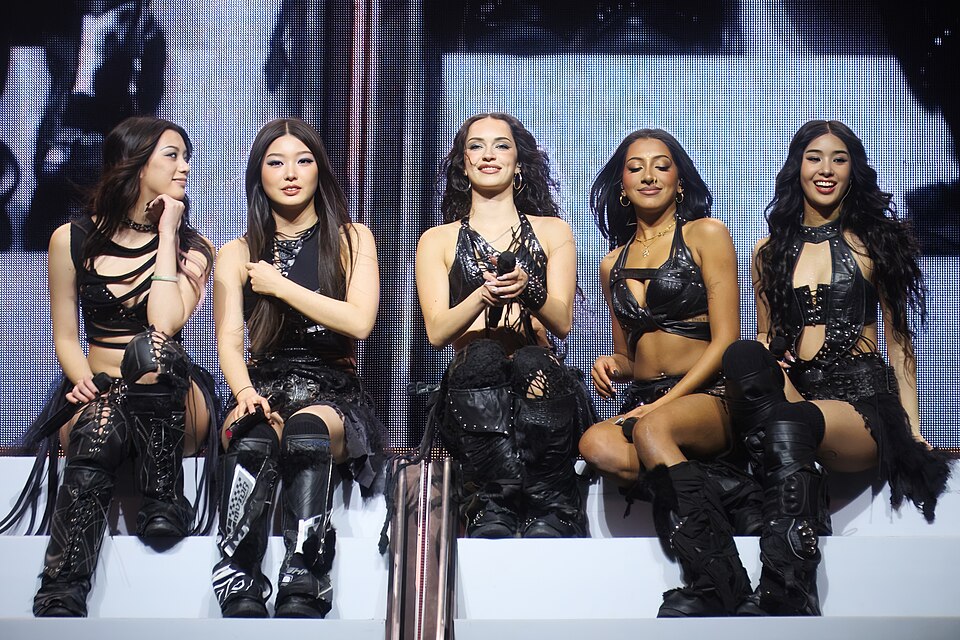
Inside London’s O2 Arena, the queue for pick-and-mix stretched longer than the queue for the bars. Primary school children in glitter and colourful ribbons sat next to their mothers, waving lightsticks and waiting for their favourite pop idols. When the opening synths of the group’s high-energy track “Hootie Frutti” filled the room, thousands of young voices screamed along.
For many adults in the room, the euphoria quickly gave way to confusion.
Videos filmed inside the arena and shared on social media showed mothers looking on in disbelief as their eight- and nine-year-old daughters cheered for dance routines featuring explicit hip movements, floor work, and lyrics with plain adult innuendo. One concertgoer went viral on TikTok, remarking that she felt as though she had bought a ticket to a “Wiggles concert” by mistake. Another attendee posted footage of a young girl screaming lyrics over heavy choreography, asking whether venues should place age limits on entry.
The Assembly of a Global Pop Venture
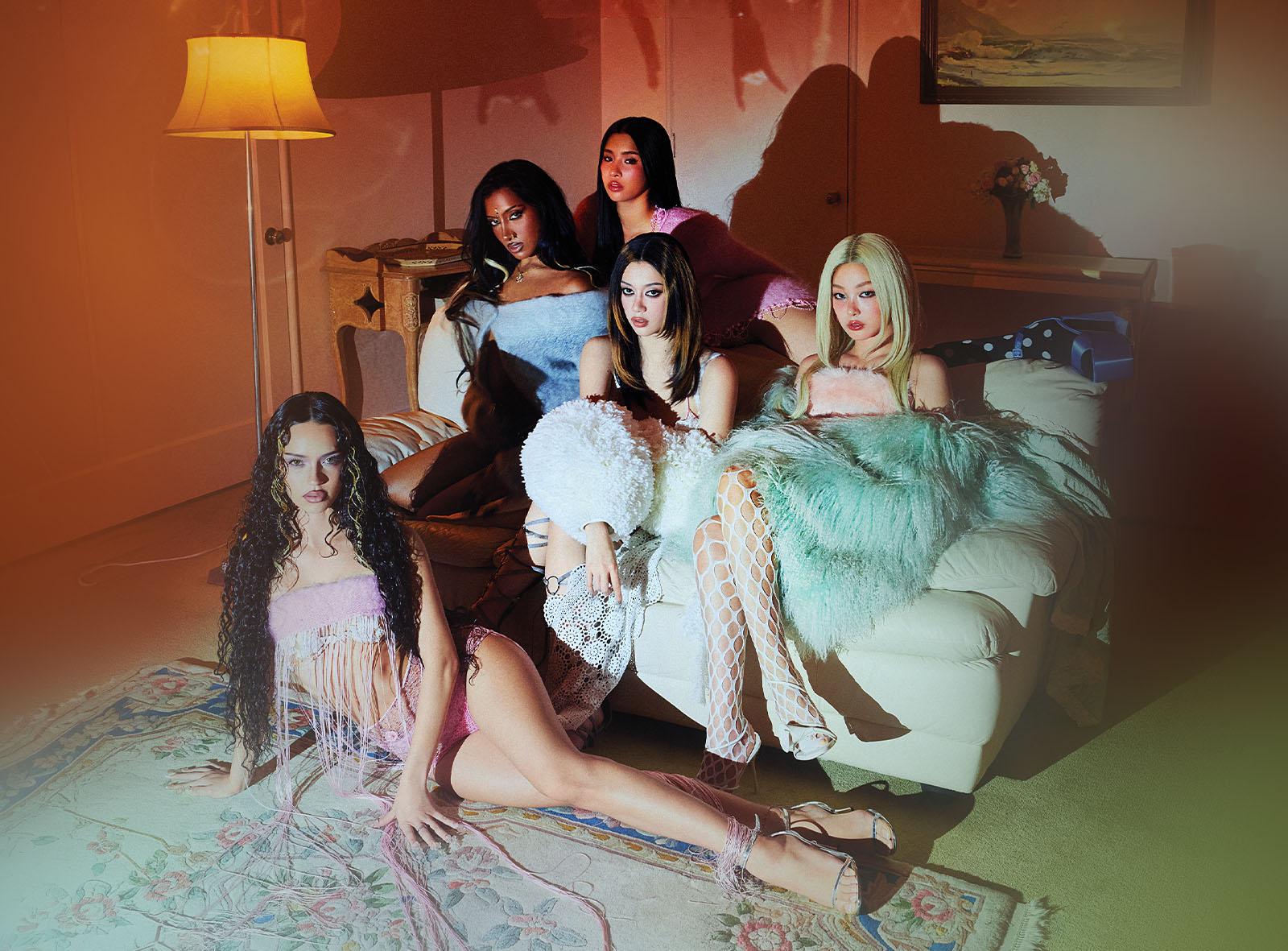
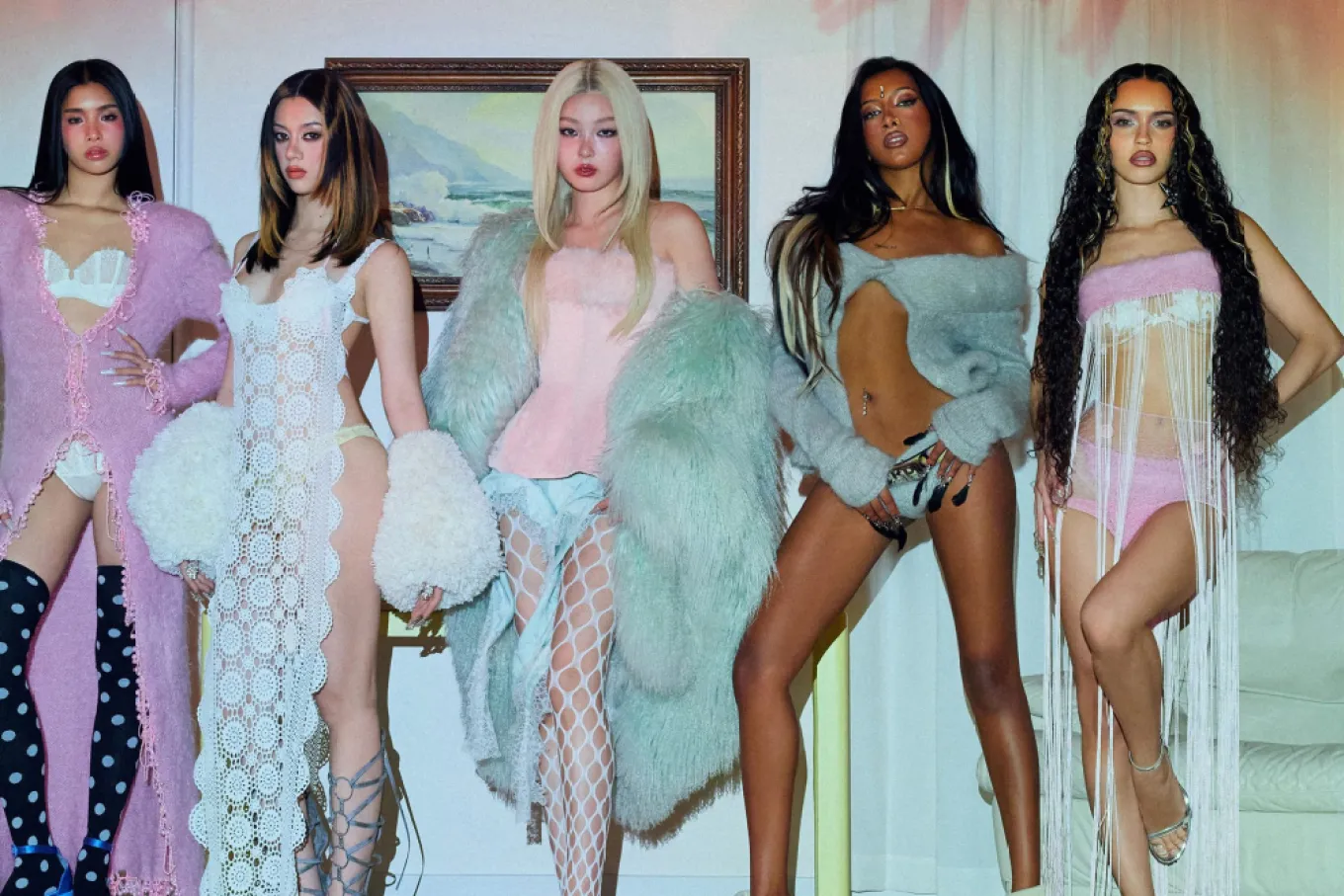
To understand the friction surrounding Katseye, one must look at how the entertainment industry formed them. Based in Los Angeles, the band is a joint commercial venture between the South Korean music corporation HYBE, which owns BTS, and the American label Geffen Records.
In 2023, the two companies launched an international competition called “The Debut: Dream Academy”. Over 120,000 applicants auditioned globally. The contest placed dozens of teenage hopefuls into the rigorous South Korean trainee system, subjecting them to intense daily evaluations in dance, singing, styling, and public presentation.
Read more: “I Was a Wreck”: KATSEYE’s ‘Wild Hearts’ Film Reveals the Reality of Stardom
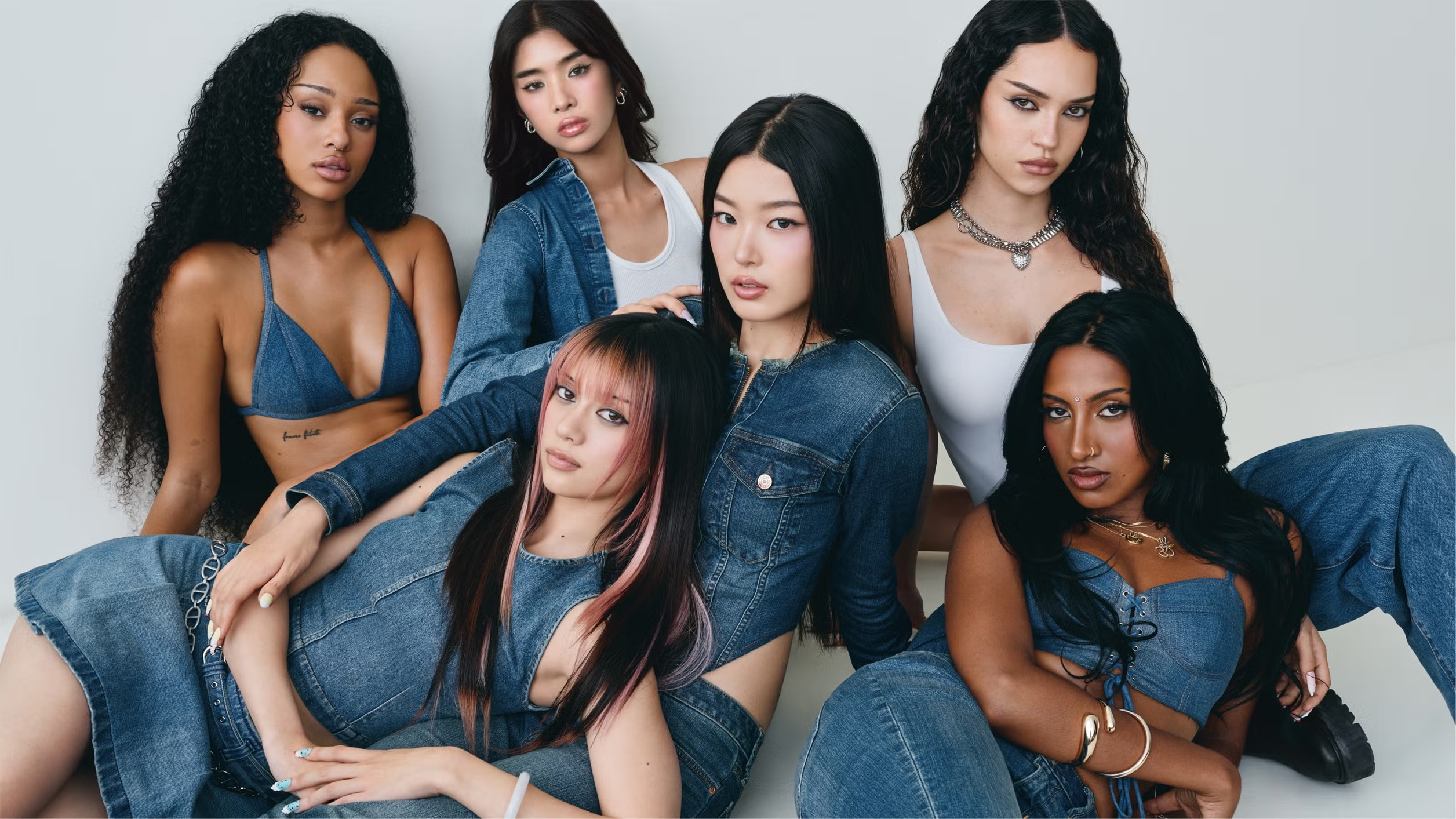
The resulting six-member line-up reflected an international reach: Sophia Laforteza from the Philippines, Yoonchae Jeong from South Korea, Manon Bannerman from Switzerland, and Daniela Avanzini, Lara Raj, and Megan Skiendiel from the United States. HYBE and Geffen promoted the outfit as a modern evolution of the classic girl group, pairing Western pop sensibilities with the precision choreography of K-pop.
The K-Pop Machine and Minor Performers
The collision between youth audiences and adult imagery is a recurring problem in the South Korean entertainment system. K-pop operates as a factory model. Trainees enter corporate academies as young as twelve or thirteen, signing contracts that grant labels near-total authority over their physical appearance, public schedules, vocal delivery, and social interactions.
In this environment, artistic autonomy is rare. Music labels purchase tracks from global songwriting collectives and assign them to groups. Creative directors, stylists, and choreographers dictate the stage outfits and routine movements. Corporate boards select the visual themes for music videos.
Read more: Yi Hani Makes History As First British Korean K-Pop Idol To Debut Under HYBE In New Girl Group TUIDE
When these decisions lean heavily into sexualisation, young trainees have little institutional power to resist. Katseye’s youngest member, Yoonchae, was seventeen years old during the release of the band’s major singles. Online critics noted that while stylists sometimes provided her with slightly more fabric than her bandmates, she still performed suggestive dance routines and appeared in promotional videos focused heavily on physical contours.
The dynamic reached a boiling point when music producer Kyle Buckley, known professionally as Pink Slip, stated that he deliberately inserted an audio sample from adult pornography into Katseye’s track “Gnarly”. The track received final approval from HYBE chairman Bang Si-hyuk, who is credited on the song. The song, featuring an underage singer, was performed at events catering directly to young audiences, including the Nickelodeon Kids’ Choice Awards.
Why the London Crowd Creates a Dilemma for Parents
The audience in London represents a generation of consumers raised on algorithmic feeds. Children encounter Katseye through short-form dance challenges on TikTok, where ten-second clips isolate fast hand motions or catchy chorus lines from songs like “Touch”.
Parents who buy merchandise and arena tickets see this surface-level engagement. They see young girls practising synchronised dances in their living rooms, dressed in pastel high-street clothes.
The live concert, however, removes the sanitised digital frame. When families arrived at the O2 Arena, they encountered an adult pop production. Setlists featured tracks like “Hootie Frutti” and “Gnarly,” complete with heavy basslines, lyrics filled with vulgarities, and dance routines that mimic nightclub entertainment.
Read more: Girls Generation Trio Hyoyeon Yuri and Sooyoung Debut New Subunit HRS with Single Skibidi
Some parents defended the experience by citing their own childhoods. They pointed out that previous generations grew up listening to the Spice Girls, Madonna, or Britney Spears without understanding the sexual subtext of songs like “2 Become 1” or “Slave 4 U.” In their view, pop music has always contained adult layers that pass over children’s heads while they enjoy the melody.
A mother sitting in an arena seat watching a ten-year-old child sing along to songs containing pornographic audio samples faces a very different reality than a parent in 1997 buying a CD single.
The Limits of Brand Feminism
Defenders of the group often point to the personal agency of the members. Clips of the performers adjusting their clothing or expressing excitement about their routines circulate online as proof that the women are simply dressing for themselves.
This argument confuses the individual choices of young employees with the commercial strategy of a conglomerate. HYBE and Geffen are publicly traded corporations designed to maximise shareholder return. Their primary goal is moving fast-fashion partnerships, beauty endorsements, streaming numbers, and concert merchandise.
The labels market Katseye through the language of female empowerment and multicultural representation. Members like Lara have spoken publicly about the importance of South Asian representation in global media, and fans celebrate the diverse backgrounds of the performers.
Read more: KATSEYE LE SSERAFIM and ILLIT Have Swapped Universes and Dropped the Chaotic Music Video of the Year
When parents question the appropriateness of the material, fan communities often dismiss their concerns as prudishness, arguing that questioning the outfits attacks the girls’ freedom of expression. In reality, the criticism targets the male executives and producers who profit from placing teenagers in adult settings.
The physical demands of this corporate machinery are already visible. Katseye played their London arena dates as a four-piece. Both Sophia and Manon remained on hiatus to attend to physical and mental health issues, following months of intense travel, rehearsals, and online scrutiny.
As the group continues its international tour, the scene at the O2 Arena remains a clear illustration of modern pop’s central contradiction: labels using adult sexuality to sell products, while depending entirely on the allowance money of children.