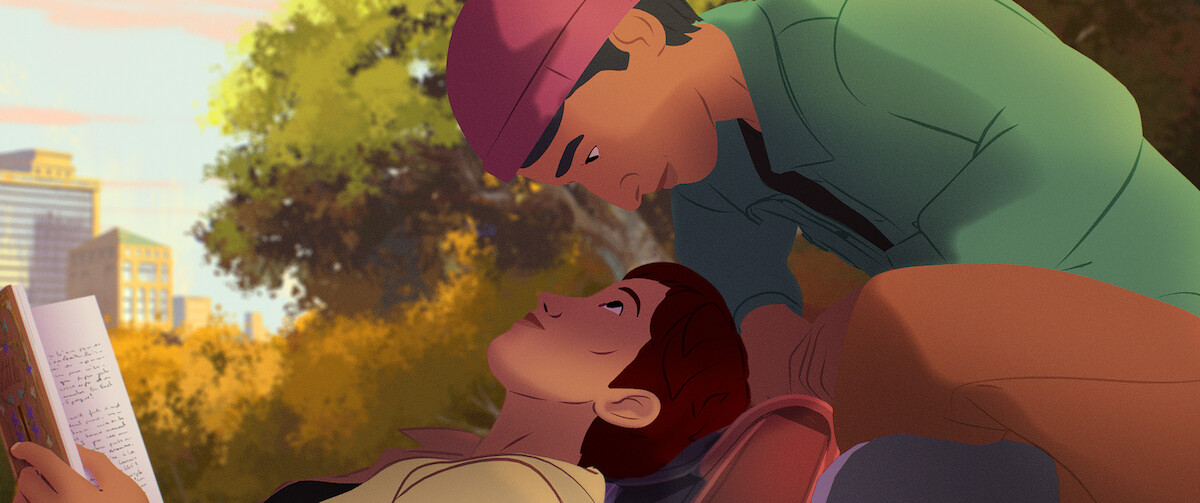
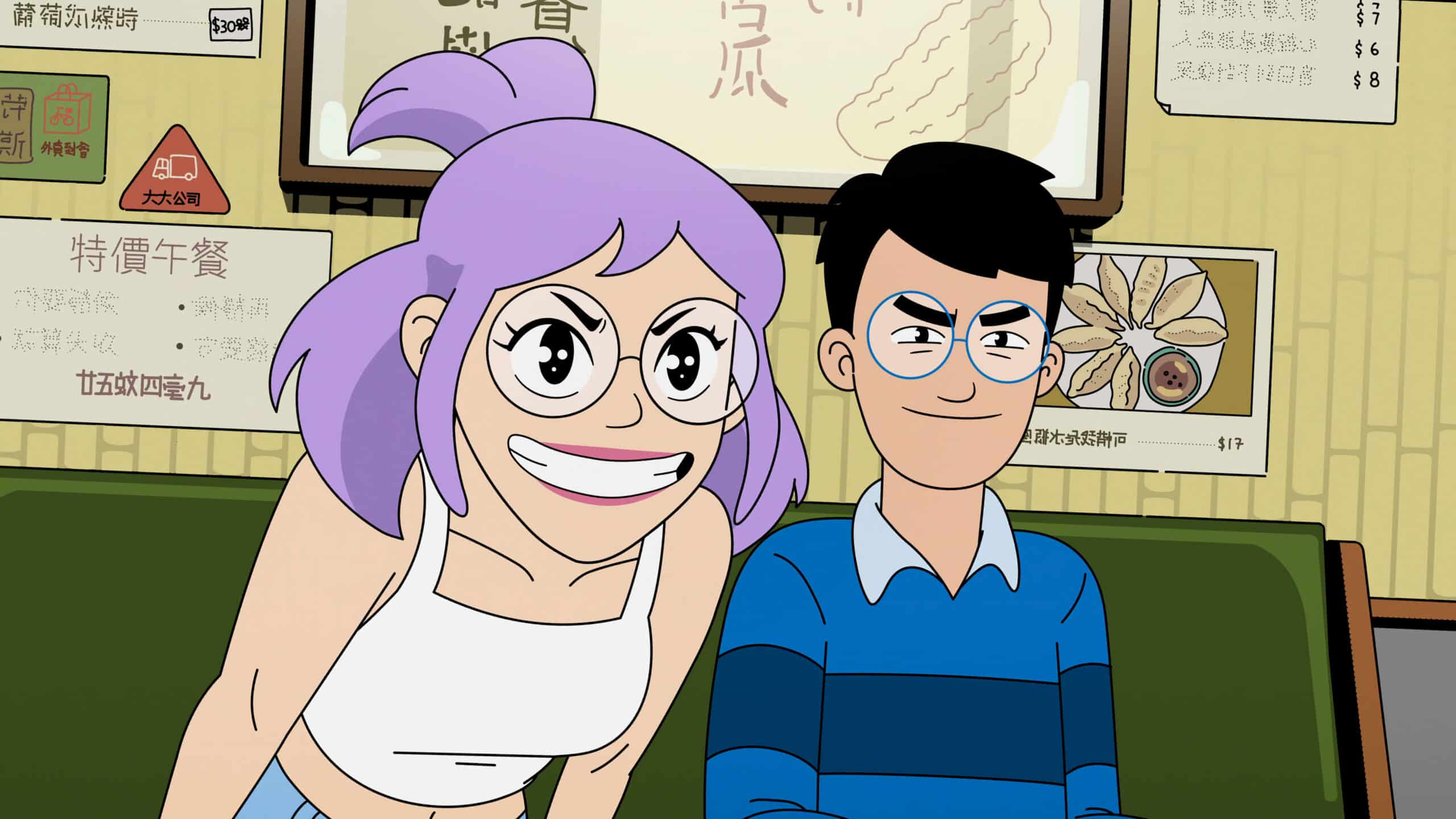
Netflix’s adult animated comedy Dang! has landed solid reviews from critics even as the show faces a wave of online backlash over its portrayal of Asian American siblings and accusations of leaning on tired cultural tropes.
On Rotten Tomatoes, the first season holds an 80% Tomatometer from five critic reviews, with praise for its sibling chemistry, tight focus and meme-ready humour, while audience ratings remain limited but positive.
Metacritic lists a “Generally Favorable” 63/100 metascore, with outlets such as Variety, the Los Angeles Times and the Boston Globe highlighting the show’s amiable chaos and family dynamics.
Read more: Asian American Animated Series ‘Dang!’ Trailer Sparks Outrage Over Tropes and “Cringe” Writing
Yet since the trailer dropped in August, Dang! has been dogged by criticism on social media and in commentary pieces, where viewers argued the series recycles familiar narratives around strict immigrant parents, overachieving siblings and intra-family trauma without offering a fresh perspective.
What critics are saying
Reviewers who have seen all eight episodes describe Dang! as an enjoyably messy sibling hangout that benefits from a strong voice cast and a compact premise.
-
Variety’s Alison Herman writes that the show “avoids [the] issue” of compressed comedic runs by keeping a tight focus on its nuclear unit, resulting in a concept that “never feels too big for its vessel.”
-
The Los Angeles Times calls it “generally amusing, sometimes very funny and easy to watch as an evolving story of family.”
-
Ready Steady Cut notes the series is “built for the meme economy” and praises the “brilliant natural chemistry” among the voice cast, even if its hyper-specific Gen Z humour may not land with everyone.
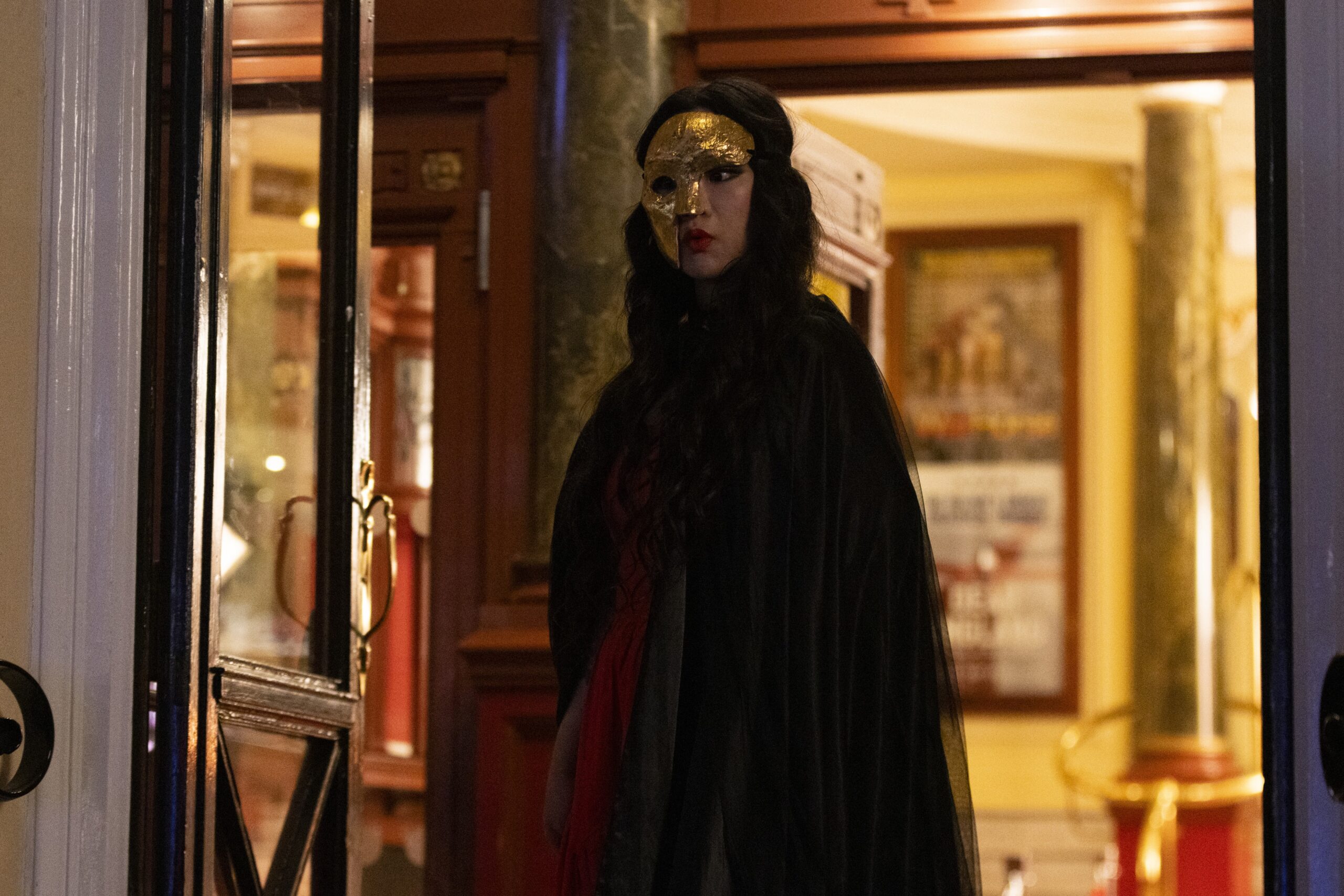
The core setup follows Chinese American siblings Andrew (Andrew Law) and Eunice (Poppy Liu), aimless twenty‑somethings in New York, whose lives are upended when their high‑achieving older sister Ruthie (Stephanie Hsu) moves in after her seemingly perfect life unravels.
Where the backlash is coming from
The controversy predates the reviews and centres on representation and tone.
Critics and commenters argued that Dang! leans heavily on well‑worn Asian American storylines: strict parents, impossible expectations, strained family relationships and pressure to assimilate.
Some viewers questioned who the show is for, with one viral post asking, “Who tf is this show for?” and others mocking the premise as yet another iteration of the “strict Asian parents” trope.
Read more: Tom and Jerry’s China-Made ‘Forbidden Compass’ Gets Slammed by Critics
On Instagram, comments under official clips and promotional posts echoed similar frustrations, with users describing the writing as “cringe” and objecting to what they saw as a narrow, stereotypical slice of Asian American life being treated as representative.
Some also compared Dang! unfavourably to other adult animations, suggesting that more inventive shows have been passed over while formulaic projects get greenlit.
View this post on Instagram
View this post on Instagram
View this post on Instagram
Others slammed the production of the series, claiming the “voice acting sounds like AI,” while some described the show as “racist” and “forced.”
“This show looks like crap,” said one commenter. “This looks like someone’s fetish,” said another. “Nobody asked for this,” another piped in.
Why the divide matters for Asian American storytelling
The split between critical reception and audience reaction underscores an ongoing debate in Asian American media: how much room there is for flawed, unflattering or “messy” characters without reinforcing stereotypes, and who gets to define what counts as authentic representation.
Supporters of the show point to its specific sibling dynamics, queer storylines and New York milieu as a valid, if niche, slice of Asian American life, while detractors argue that mainstream platforms keep defaulting to the same family‑trauma frameworks instead of exploring a wider range of stories.
Read more: Why Hong Kong Filmmakers Are Struggling to Keep the City’s Cinema Alive
For now, Dang! appears to be a case study in that tension: a series that critics find funny and focused, but that a vocal segment of online viewers see as another tired retread of familiar tropes.
All eight episodes of Dang! are streaming on Netflix.