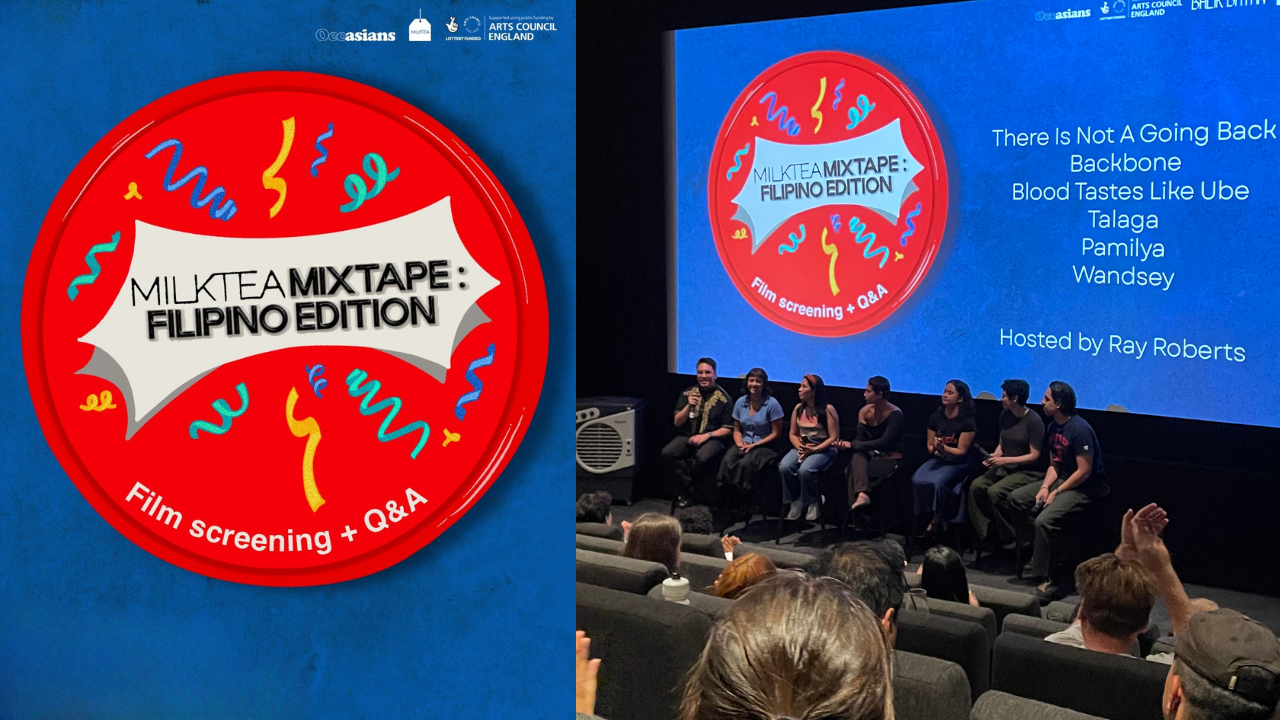
I am not Filipino. So I went into the screening knowing very little about what I was going to see. I knew only that Filipino Mixtape: Balik Bayan, curated by London-based Filipino filmmaker Gabby Lauren, brought together films exploring Filipino identity, diaspora, family and home.
What I didn’t expect was how deeply it would allow me to spend time inside perspectives that were not my own – and how, despite that distance, I would find moments that felt intimately familiar.
The films in the programme were chosen to showcase voices that have not always been heard in Filipino film showcases. Each explores a different facet of the diaspora experience: family, community, identity and belonging. Together, they create something larger than a collection of short films: a portrait of what it means to carry a sense of home with you, even when you are far from it.
Lauren’s own filmmaking practice feels rooted in that same instinct towards connection. Her work has been described as “whimsical documentaries exploring self-identity”, blending mixed-media collage and animation to explore identity, grief and connection. The films are tender, hopeful and deeply human – qualities she traces back to a childhood spent making YouTube videos, obsessing over Disney and Studio Ghibli, and carrying a camcorder everywhere she went.
Read more: Balikbayan Festival 2026 Highlights the Evolving Identity of British Filipinos
She was, she admits, “chronically online” before that was even a phrase. She made video montages for family gatherings and school assemblies because she loved the feeling of collective nostalgia. That impulse – to capture, to remember, to make other people feel something – never left her.
She speaks about filmmaking with a kind of quiet urgency:
“In a world filled with so much anger and hate, I want my stories to share something about the human experience. I balance gentle optimism and warmth, and I hope the whimsy allows someone to feel warm, nostalgic, connected.”
That warmth was everywhere in the programme.
I knew the title – Filipino Mixtape: Balik Bayan – and understood, vaguely, that balik bayan referred to returning home. But I didn’t fully understand what that return would feel like, or how a programme of short films could make me feel as though I were being welcomed into a place I had never been.
By the end of the evening, I understood.
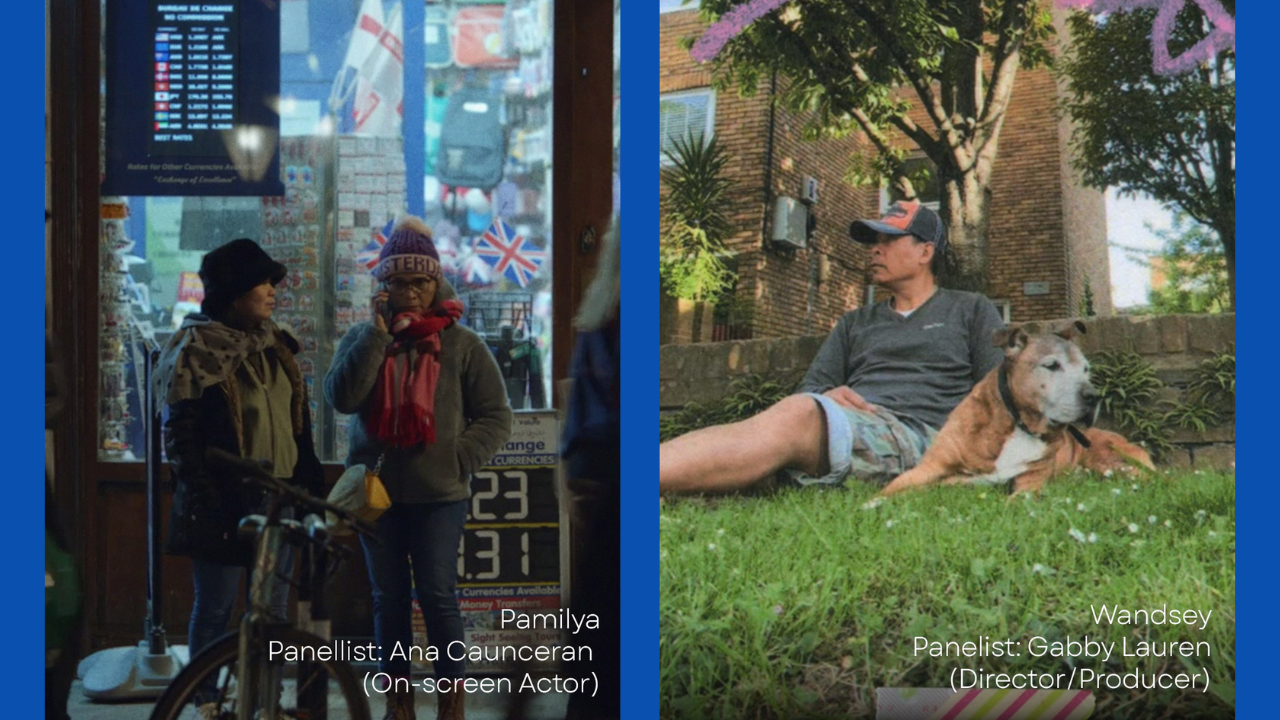
One of the documentaries, Pamilya, follows survivors of modern slavery and the work of the Filipino Domestic Workers Association. At the screening, survivor Ana Caunceran joined the cast and crew to speak about her experience. Her presence was a powerful reminder that these are not simply stories being told on a screen. They are lived experiences, carried by real people.
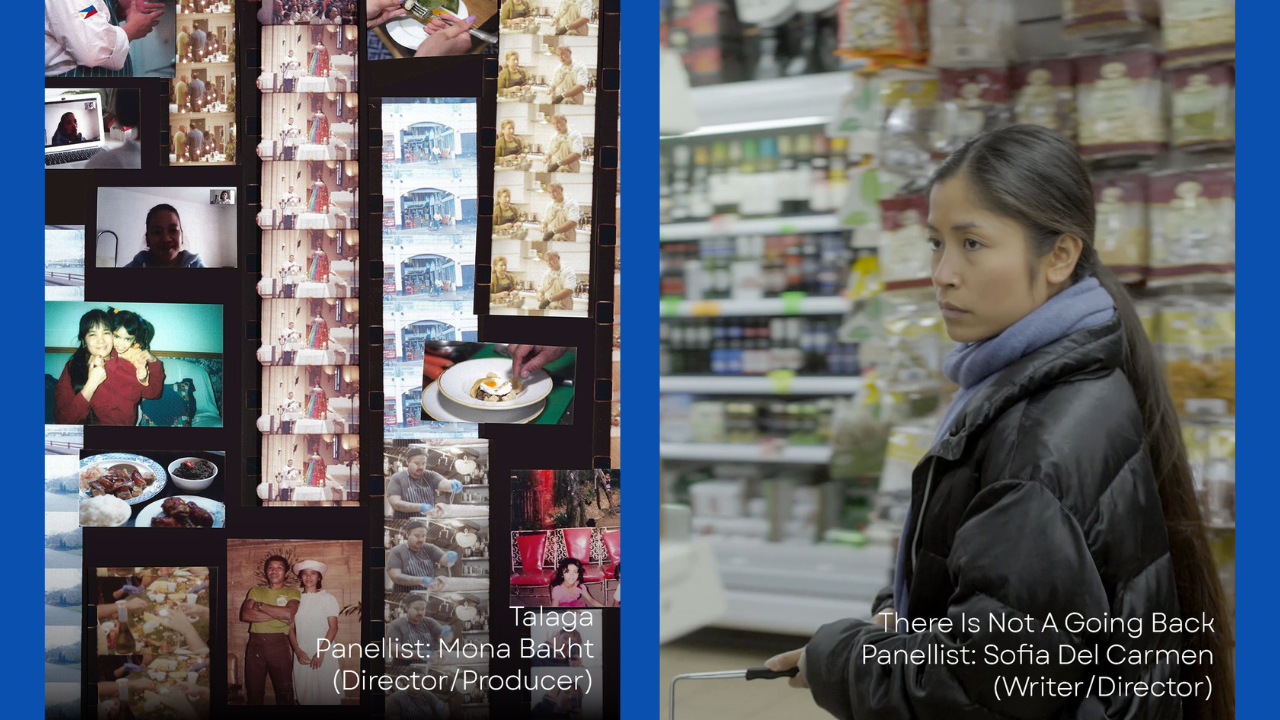
Another film, Talaga, follows a filmmaker’s vulnerable journey of self-discovery, weaving phone calls with her mother through encounters with London’s Filipino community. It explores faith, food and family with a tenderness that feels almost private – as though we are being allowed into conversations and memories that existed long before the camera arrived.
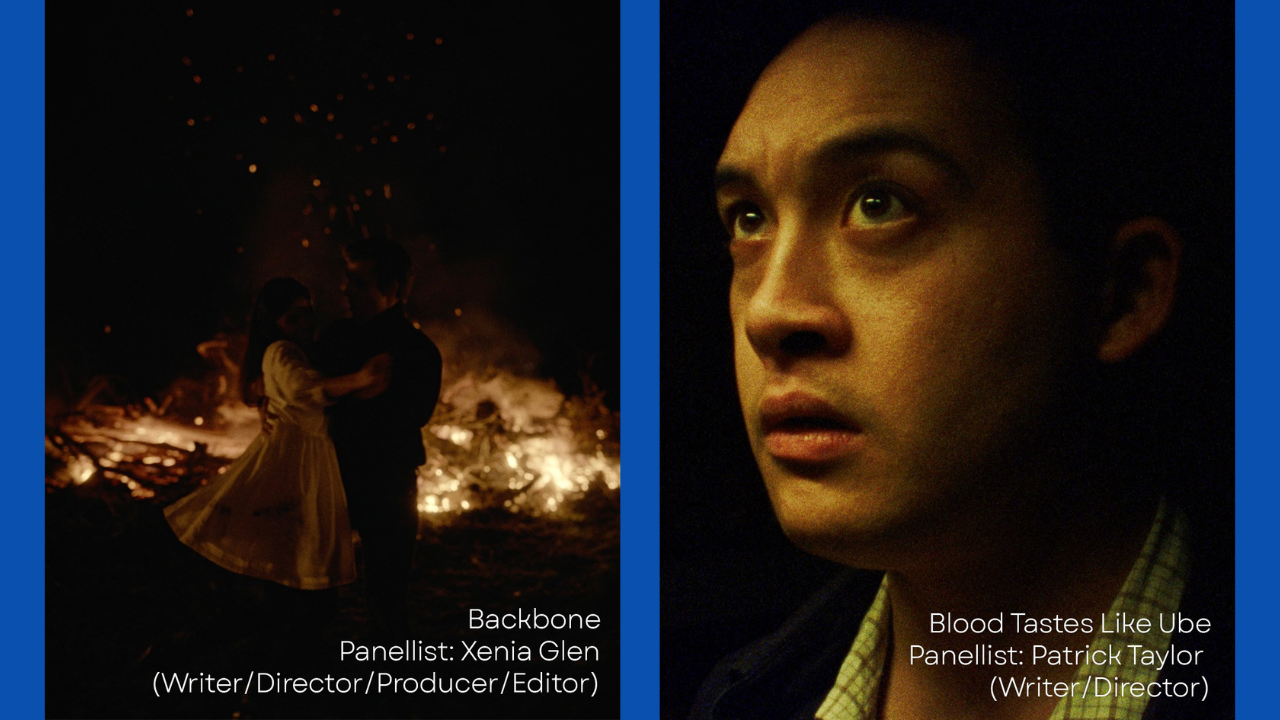
While Pamilya and Talaga were two films that particularly stayed with me, they were part of a wider collection of voices. The showcase brought together six Filipino creatives, each approaching questions of identity, belonging, memory and diaspora from a different perspective:
- Sofia Del Carmen — There Is Not A Going Back
- Xenia Glen — Backbone
- Patrick Taylor — Blood Tastes Like Ube
- Gabby Lauren — Wandsey
- Ana Caunceran — Pamilya
- Mona Bakht — Talaga
Together, the films form what Lauren calls “a multivocal portrait of Filipino experiences in the diaspora.” They do not attempt to tell one definitive story. Instead, they make space for many.
And perhaps that is what made the programme so affecting from the perspective of someone outside that experience. I wasn’t being told what Filipino identity was supposed to look like. I was being given the opportunity to listen.
When the films ended, the room didn’t empty quickly. People lingered. They talked. They hugged. There was a sense that something important had happened – not simply a screening, but a gathering.
That, I realised, was entirely the point.
For British-Filipino audiences, Lauren hopes the programme sparks a deeper sense of pride:
“I hope seeing ourselves and our identities being explored on-screen reminds them that our stories matter, that we matter.”
She hopes it invites audiences to return – to the culture, to the community, and perhaps to questions they have been carrying with them.
For audiences unfamiliar with Filipino stories, she hopes for something different: empathy.
“I hope they laugh, cry and empathise. I hope it helps them gain insight to Filipino life beyond the mainstream clichés.”
I think that distinction stayed with me. For some, Balik Bayan is a return to something familiar. For others, it is an invitation to encounter a culture and its stories with fresh eyes.
Either way, the programme made one thing clear: home is not always a place you can point to on a map.
Sometimes it is a memory. Sometimes it is a community. Sometimes it is a story passed between generations.
And sometimes, unexpectedly, it is a feeling you recognise even when the story being told is not your own.