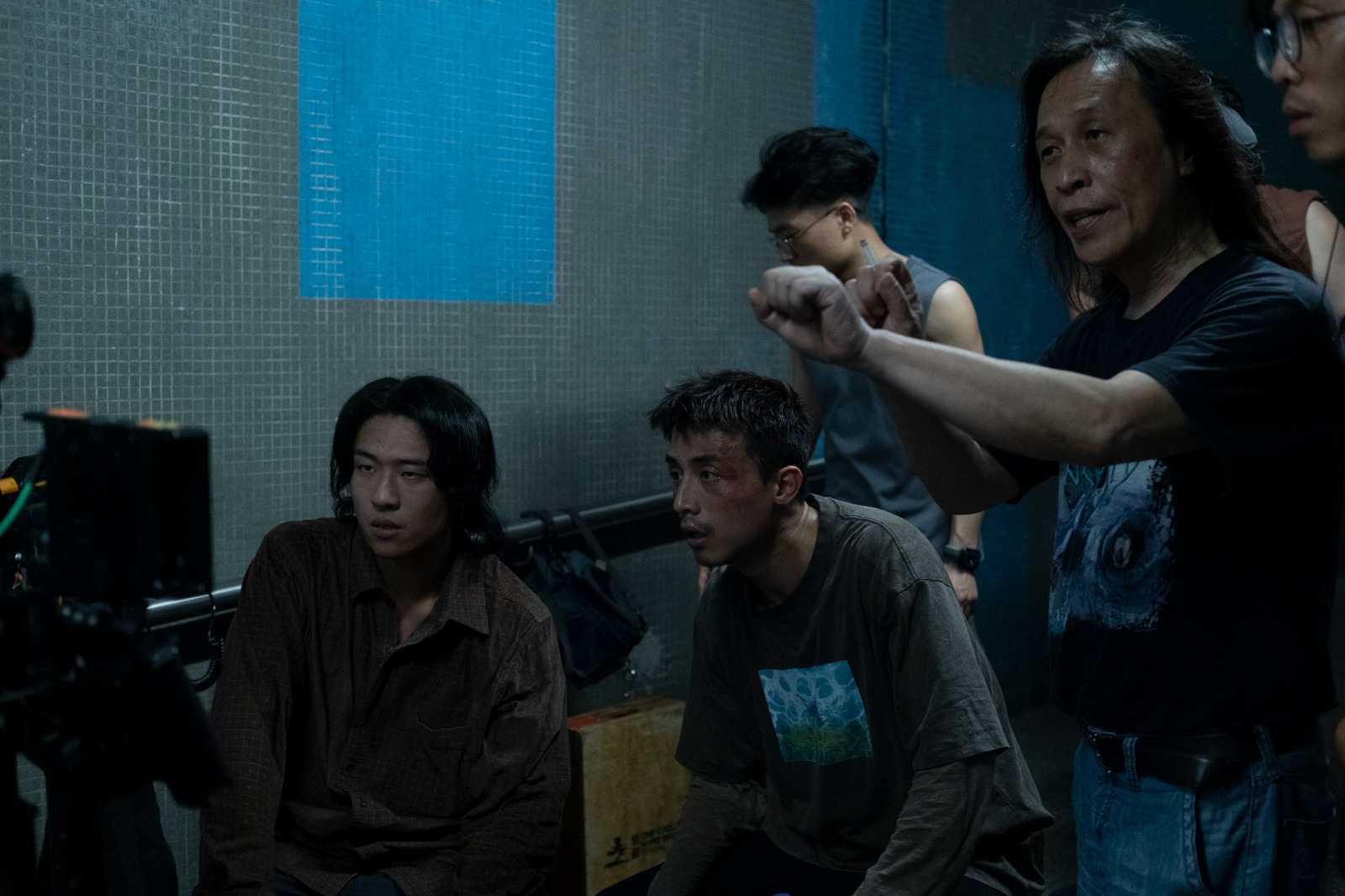
“Thank you, audiences. Thank you, audiences,” said Herman Yau, reflecting on We’re Nothing at All’s journey from its Hong Kong premiere in April. On October 16, it will open theatrically in Los Angeles.
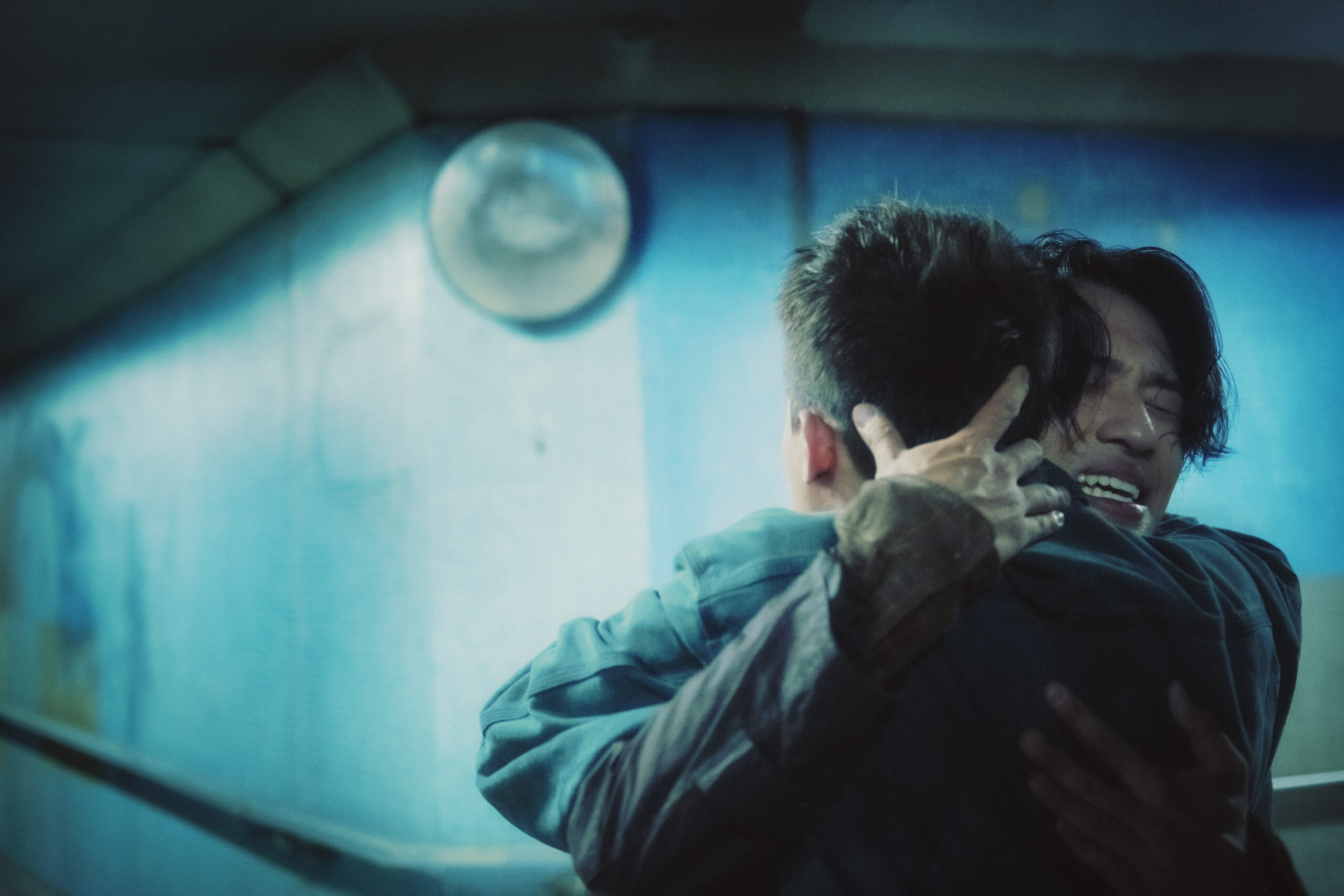
We’re Nothing at All is a Hong Kong movie directed and self-financed by Yau, the veteran Hong Kong filmmaker known for cult classics like The Untold Story and as well as mainstream commercial hits including the Shock Wave franchise. Inspired by a real incident in Wuhan in 1998, the drama follows Ike (ANSONBEAN) and Fai (Anson Kong), a gay couple who carry out a suicide bombing on a public bus. Revealing it’s tragic ending from the outset, the film explores how systemic poverty and discrimination drive them towards violence. It is an angry yet tender cry for the vulnerable beneath Hong Kong’s glamorous image in the Western imagination.
To attain artistic freedom, Yau funded the production with HK$8 million ($1.02 million USD). The box office has hit HK$12 million, half of the amount needed to break even. Beyond the financial returns, the film has received a four-minute standing ovation at Udine’s Far East Film Festival, screened in UK’s and Canada’s cinemas, and recently earned Golden Horse nominations for Best Director and Best Supporting Actor – the first for both Yau and Kong.
During their visit to Los Angeles, Yau, Kong and ANSONBEAN reflected on the film’s journey. All three expressed gratitude to audiences, with ANSONBEAN saying, “I’m very happy that the film can reach different places. I really appreciate that. It’s a very powerful film.”
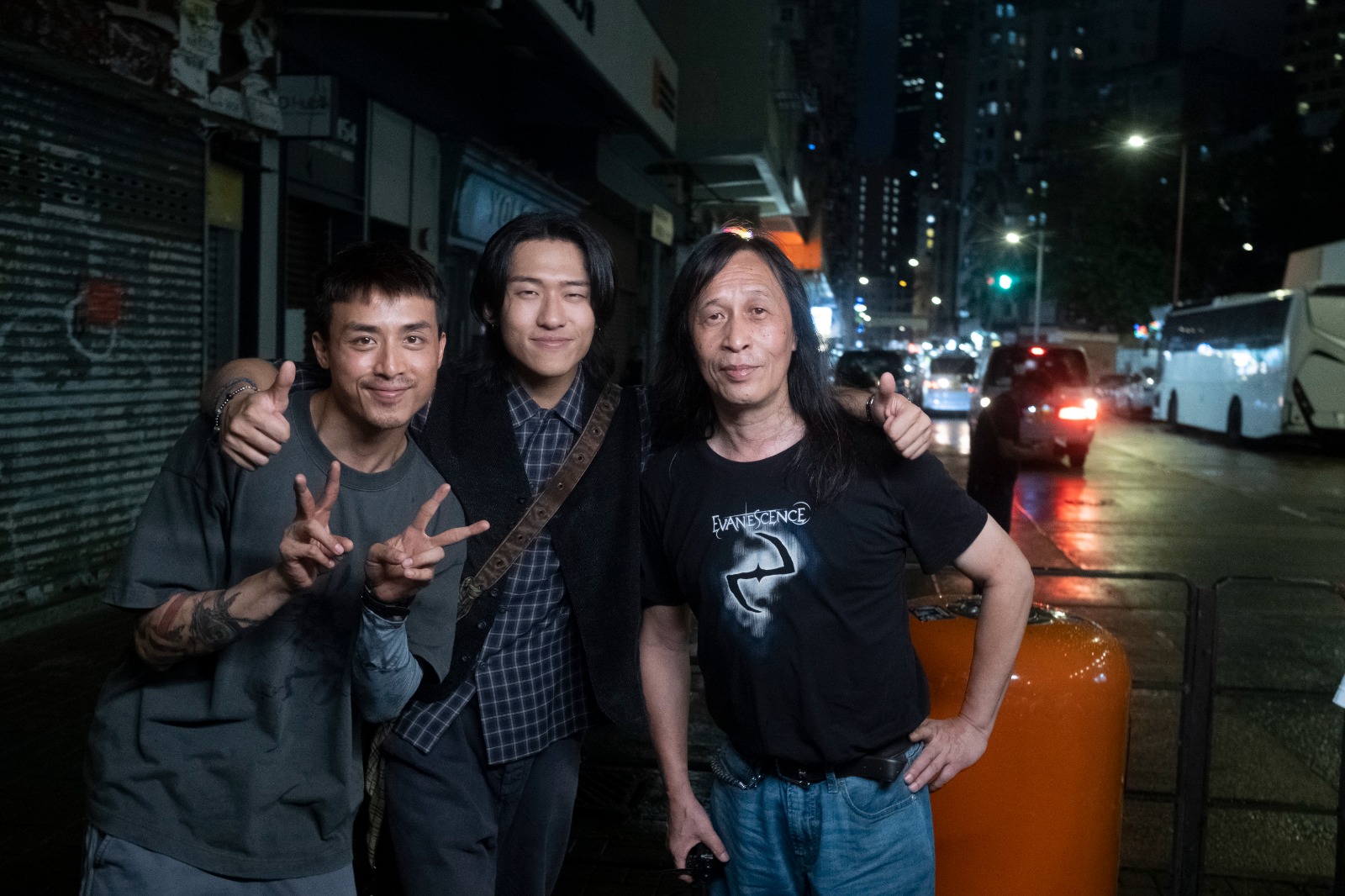
Audiences from different backgrounds may respond differently to the film, particularly given the contrasting sociocultural climates surrounding LGBTQ+ communities in Hong Kong and the US. Kong said, “Acceptance of LGBTQ+ people varies around the world. The larger the country, the greater the regional differences, and some cities in the US are more conservative. I hope this film can bring new perspectives to Chinese and American communities.”
“We want to spread love and empathy. These ideas are universal,” ANSONBEAN added.
Language may also shape how audiences understand the film. The original Chinese title, 我們不是什麽, translates more literally as ‘What We Are Not’ or ‘We Are Not Anything’. In a previous interview, Yau explained that the title was inspired by What Capitalism Is Not, a book by Hong Kong academic Hui Po-keung i that explores alternative understandings of capitalism beyond the conventional left-right divide. Yau felt that a negative statement could better capture the complexity of social issues and as the film title does, encourage audiences to question who we are and how we define ourselves.
Read more: ‘We’re Nothing at All’ Review: A Blistering Look at Systemic Injustice and Forbidden Love
He acknowledged that the Chinese and English titles were not direct equivalents. “From a marketing perspective, the translation of We’re Nothing at All is more attention-grabbing, but it is also accurate and appropriate.” Yau observed.
“‘Nothing’ can also be a form of denial. When someone accuses you of doing something bad when you have done something good, you can deny the accusation by saying, ‘Nothing at all.’ There’s a sense of self-defence – of saying you’re not bad at all.”
The protagonists’ names also carry meaning that is partly lost in translation. Their Chinese first names, Yiu-Fai and Ming-Hei, are both associated with brightness and sunshine. That sense of hope is less apparent in the English names Fai and Ike, the latter a Japanese-inspired name chosen by the character because he likes J-rock.
“Their names are hopeful, in contrast to their lives, because parents usually give their children names with positive meanings. I wanted to retain the Cantonese pronunciation with ‘Fai’. As for ‘Ike’, it’s common for Hong Kong young people to adopt romanticised English or Japanese names. I wanted to preserve the locality,” Yau said.
The film’s impact extends beyond its visuals and social commentary. Since its premiere, Yau and the cast have attended more than 200 “thank-you screenings”, a Hong Kong cinema tradition in which filmmakers and cast members visit cinemas to meet audiences in person. The practice, which began around 2010, has become more prevalent since the pandemic as filmmakers seek to encourage cinema attendance and boost box-office returns.
The We’re Nothing at All team went beyond the cinema. In May, Yau and the cast met supporters at a cha chaan teng, one of the filming locations, to celebrate the HK$10 million box office. They served food for the audience, which was Kong’s fondest memory of the promotional tour..
ANSONBEAN took method publicity to the streets, by drawing street portraits of fans in Causeway Bay, echoing Ike’s work as a street painter. “I spent time looking at them, sketching their faces with pen and paper. It was a very special moment because I could thank them as Ike,” he recalled.
Read more: The Last Auteur of Hong Kong Urban Despair: A Conversation With Herman Yau
The thank-you screening marathon was a fresh experience even to Yau. “The investor often said I wasn’t cooperative in marketing and only attended a few screenings. But this time, the whole team was so willing to be there. It surprised me as everyone was busy. Kong, for instance, made time to join us in the evening after a full day of drama rehearsals. They did it, so I felt I should too. I wanted to be there with them. We’re a team.”
Yau was equally struck by the enthusiasm of audiences, describing each screening as a “film festival” as viewers asked thoughtful questions enthusiastically.
“The thank-you screening wasn’t just about media coverage, and I never knew it could be so enjoyable… The number of thank-you screenings I attended was several times more than I’d attended throughout my entire career!” he laughed.
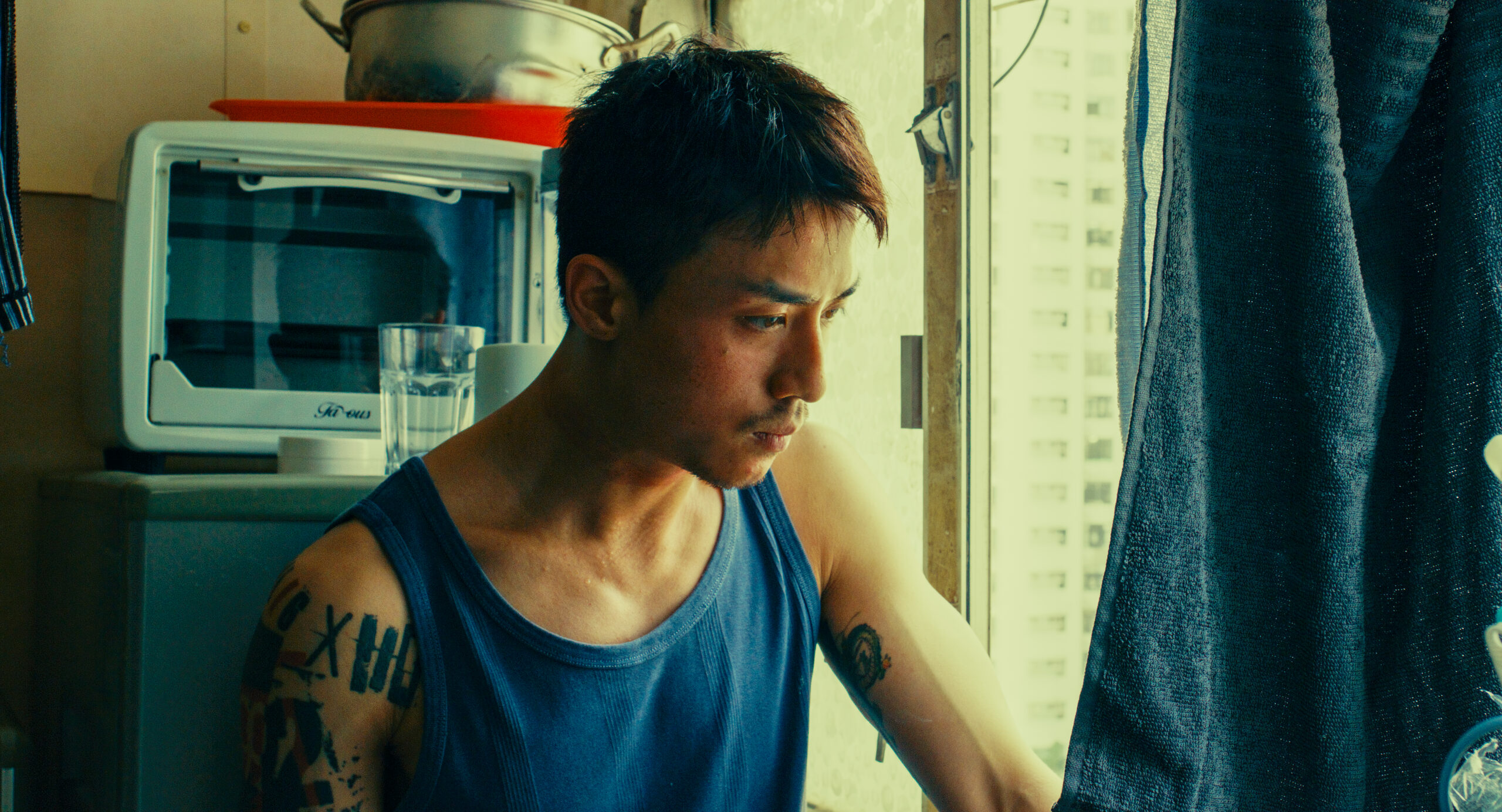
Both ANSONBEAN and Kong are singers, with Kong also a member of Mirror, one of Hong Kong’s most popular boy bands. Relatively new to acting, both see We’re Nothing at All as a turning point in their careers.
For Kong, the film brought not only a Golden Horse nomination but also new insights into acting. “The preparation was very different from what I’d done before. Fai is a marginalised, grassroots character, so I went out into the streets to observe how people live. To be honest, I hadn’t taken a stroll around the streets for a while,” he said with a rueful smile.
“We also asked director Yau a lot of questions about everything from acting to camera angles. These are great nutrients, letting us learn about the director’s thinking and how to work together as a team. It was a huge learning experience,” Kong added. “That’s more valuable than anything. I’m still a newcomer to acting, and the nomination and support from audiences have given me tremendous encouragement.”
It was also a transformative experience for ANSONBEAN. The film came at a time when ANSONBEAN was feeling lost in his career and taking a break, and it had encouraged him to reconsider the limits he placed on himself.
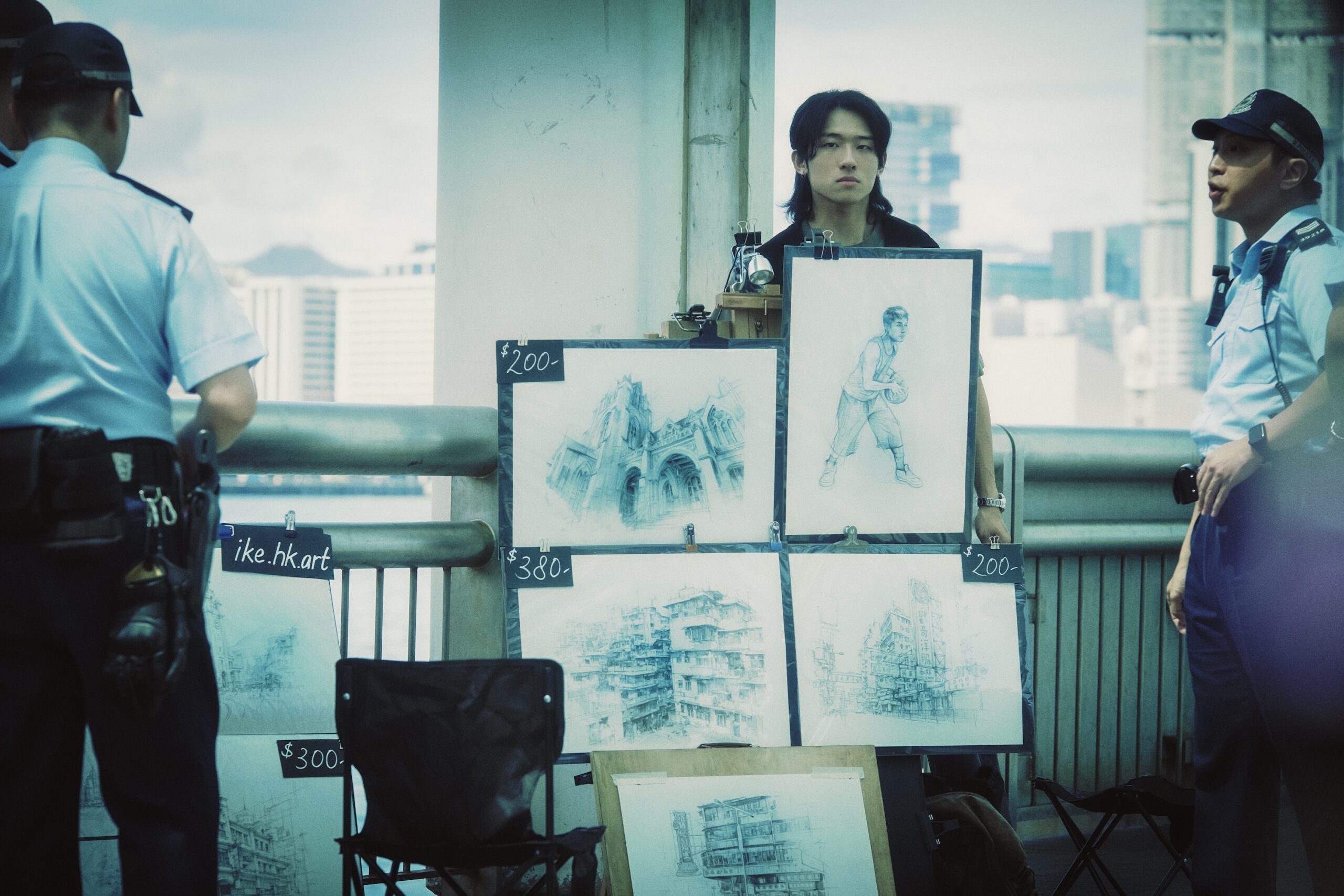
“I used to put a lot of pressure on myself, believing I could only play certain types of characters in certain kinds of films. I even felt I had to maintain a particular physique. But We’re Nothing at All has encouraged me to be braver in making changes. It sounds bad, but Ike is the character I’ve put the most energy and effort into playing,” he said sheepishly.
It has been over a year since filming began, but he remained excited when talking about the preparation. “There were so many films to watch and so much to learn beforehand. I’d never drawn or worked in a restaurant like Ike. As I tried to fill those gaps, I realised how much I didn’t know. The more I prepared, the more I realised I still had to learn. It really helped me grow as a person, and I’m very happy about that.”
Acknowledging the social weight of the film, he also had a deeper understanding of art. “At the thank-you screenings, some audiences shared their experiences and said they felt empowered. I was moved and could feel how powerful art and film can be. They can bring resonance and make people feel less alone. I’ll put more effort and energy into my acting in the future.”
Yau, meanwhile, was calmer when asked how the film might affect his career. “I’ll continue making films anyway,” he said.
“If this film has made any actors love acting and cinema more, that’s a huge achievement,” he added, smiling at the two actors beside him. “I think I’ve done something.”
We’re Nothing at All opens theatrically in select US cinemas, beginning in Los Angeles on 16 October 2026.