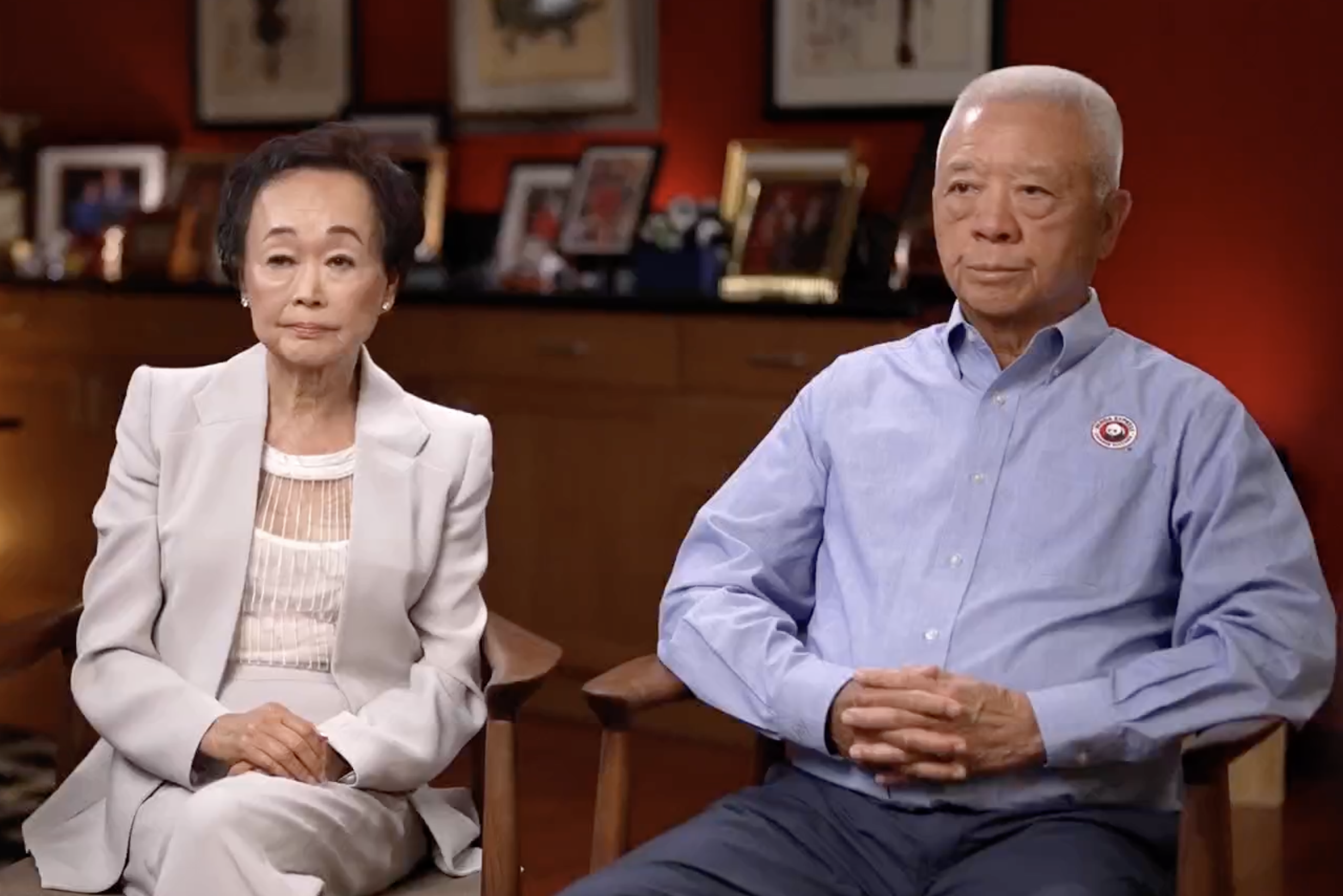
The endless culinary debate over what constitutes genuine cultural cooking has met its match in American fast food. Andrew and Peggy Cherng, the billionaire founders and co-chief executives of Panda Express, have addressed the recurring critique that their restaurant chain does not serve traditional Chinese meals.
Appearing on the American morning programme TODAY, the couple, who have been married for fifty years, explained that culinary classifications matter far less to them than customer satisfaction. Operating more than 2,500 branches across the United States, Panda Express stands as the largest Asian dining chain in North America.
Defining American Chinese Food
Andrew Cherng made it clear that critical assessments regarding traditional recipes do not trouble him.
“I take no offense at all,” he told interviewer Savannah Sellers. “You know, I don’t know what authenticity is because there are so many cuisines out there.”
He emphasized that the market determines their menu. “Whatever sells, we don’t make that decision. Our guests make that decision,” he said.
Read more: FBI Data Shows Drop in Anti-Asian Hate Crimes But Communities Remain on Edge
Peggy Cherng explained that the enterprise deliberately labels its cooking as American Chinese food. The distinction represents a deliberate bridge between two distinct food cultures, adapting Chinese cooking methods to ingredients and flavor profiles popular in the United States.
The approach is visible in their top-selling dish, orange chicken. Invented in 1987 by Panda Express chef Andy Kao, the dish took inspiration from citrus flavors native to China’s Hunan province. Last year, patrons purchased approximately 148 million pounds of the sweet and tangy chicken, cementing its status as the chain’s leading product.
Growth Across Generations
The company began in the 1970s with a single sit-down eatery in Pasadena, California, known as The Panda Inn. The Cherng family, along with their three daughters, built the enterprise into an omnipresent quick-service staple found in shopping centres, travel hubs, and university campuses.
Andrew Cherng pointed out that their menu appeals to younger generations within immigrant communities.
Read more: Asian American Women Face Sharp Increase in Breast Cancer Cases, Study Warns
“We helped really, you know define a new category of quick-service, right?” he noted. “Even with our Chinese immigrants families, you know, the parents maybe don’t think of us as being very authentic, but their kids love it. And they can find us everywhere.”
By viewing American Chinese food as its own legitimate tradition rather than an imitation of Asian regional cooking, the Cherngs continue to expand their footprint across the national dining landscape.