
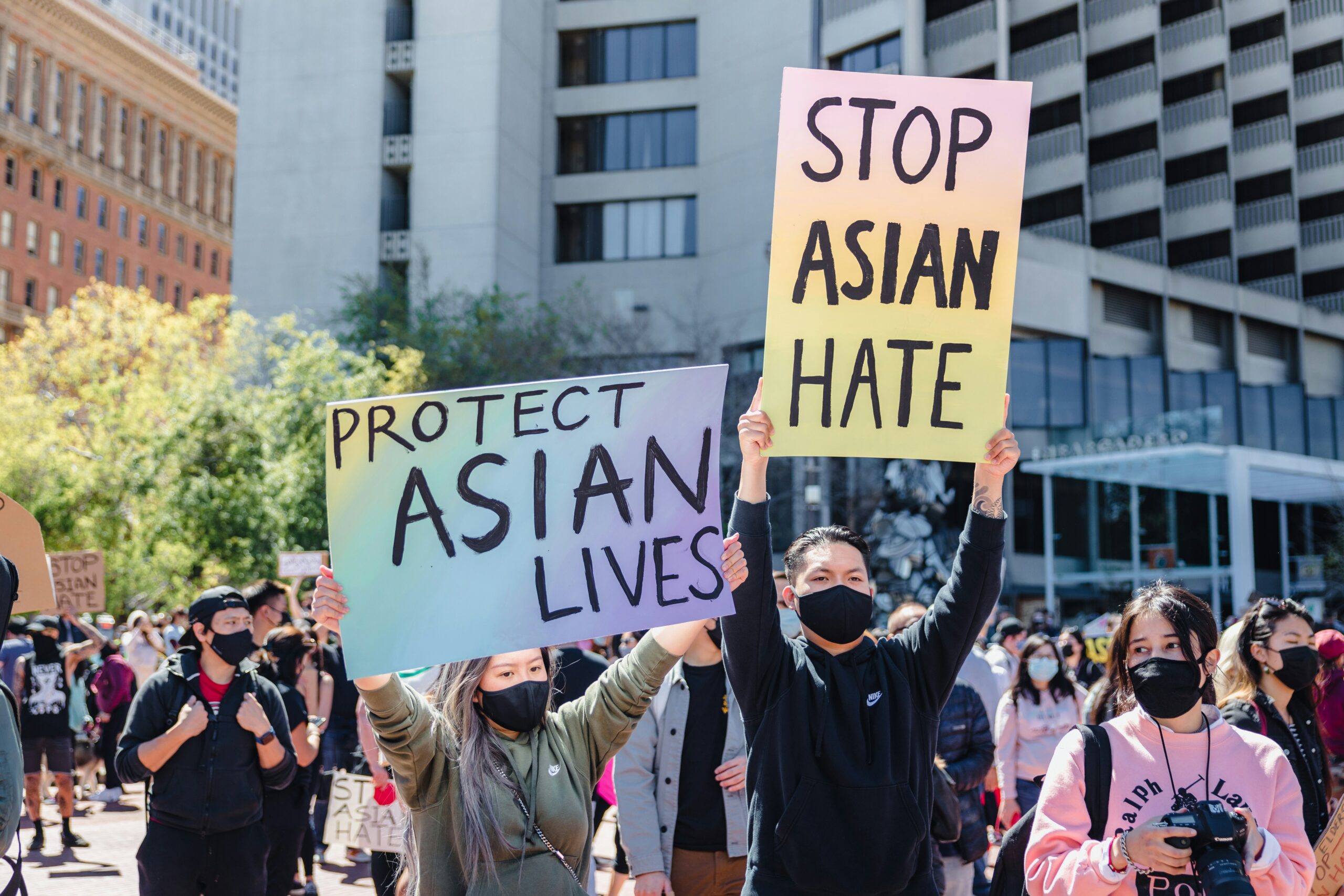
Reported anti-Asian hate crime incidents in the United States fell by 10 per cent in 2025, according to newly released FBI data. But Asian-American advocates say the decline does not mean the problem is easing in any meaningful way.
The FBI recorded 339 anti-Asian hate crime incidents last year, down from 379 in 2024. Even so, the figure remains well above pre-pandemic levels, when anti-Asian violence and harassment surged across the country.
Between 2013 and 2019, the annual average was just 133 incidents. That means the 2025 total is still more than two and a half times the historical baseline.
“Even with the decline in 2025, reported incidents remain elevated more than two and a half-times the historical baseline,” said Sim J. Singh Attariwala, director of the anti-Hate programme at Asian-Americans Advancing Justice (AAJC).
Advocates say the official numbers also likely understate the scale of the problem, especially at a time when many Asian communities feel vulnerable because of immigration crackdowns and rising US-China tensions.
Read more: Kimberly Yee Condemns “Overt Racism” in Primary Ad Against Her
Since US President Donald Trump returned to office, his administration has pushed a sweeping immigration crackdown, including tighter visa restrictions, efforts to end birthright citizenship and a surge in Immigration and Customs Enforcement activity.
Attariwala said the FBI figures likely represent only “the tip of the iceberg”.
“Many incidents are never reported to law enforcement,” he said, citing language barriers, distrust of government institutions, fear of retaliation, concerns about immigration consequences, and uncertainty about whether an incident qualifies as a hate crime.
A Stop AAPI Hate survey suggests the reporting gap may be significant. The organisation’s 2026 annual report, based on a January survey of 1,378 Asian-American and Pacific Islander adults conducted with the University of Chicago, found that 49 per cent said they experienced a hate act that year.
That level has stayed roughly steady for three consecutive years.
But only 22 per cent of those who experienced a hate act said they reported it to a formal authority such as an employer, school, police department or civil rights agency. Just 33 per cent received any form of support.
The report says anti-immigrant policies under the Trump administration, broader political sentiment and everyday acts of hate have begun feeding into one another, creating a “dangerous trifecta”.
Stephanie Chan, Stop AAPI Hate’s director of data and research, said Asian communities have been hit especially hard by recent changes in immigration policy.
“We’ve seen Trump institute a US$100,000 H-1B visa fee, and we know the majority of those who hold H-1B visas are Asian, and in particular, people from India and China,” Chan said.
View this post on Instagram
AAJC also cited reports from community members that go beyond the type of cases reflected in FBI statistics, including restaurants mocking Asian speech or using slant-eyed imagery in advertisements, slurs directed at neighbours and harassment in stores.
Advocates say the broader political climate is making matters worse. As US-China rivalry intensifies, Asian-Americans are increasingly likely to be seen through a lens of suspicion or foreignness, they said.
“History shows that geopolitical tensions often spill over onto Asian-American communities,” Attariwala said.
“We become concerned whenever debates about China, immigration, or national security lead people to view Asian-Americans through a lens of foreignness or suspicion.”
Chan said tensions between the US and China affect not only Chinese-Americans, but the wider Asian-American community.
“What we see in our hate act reports is that a lot of people are at the receiving end of anti-China sentiment,” Chan said.
“It also includes Asian-Americans more broadly who are perceived as Chinese.”
The FBI does not break down anti-Asian hate crimes by ethnicity or national origin, making it harder to tell whether incidents targeting specific groups such as Chinese-Americans or Indian-Americans are rising.
Its religion-based categories do offer a more detailed picture. Reported anti-Sikh hate crime incidents rose 24.6 per cent, from 142 in 2024 to 177 in 2025. Anti-Hindu incidents increased 12 per cent, from 25 to 28. Anti-Muslim hate crime incidents, by contrast, fell 10.1 per cent, from 228 to 205.
Read more: Asian American Animated Series ‘Dang!’ Trailer Sparks Outrage Over Tropes and “Cringe” Writing
AAJC pointed to growing concern over anti-South Asian hate and immigrant scapegoating, describing “a convergence of anti-immigrant, anti-South Asian, anti-Muslim, anti-Sikh and anti-Indian rhetoric”.
Across all bias categories, reported hate crime incidents nationwide fell slightly, from 11,679 in 2024 to 10,881 in 2025, according to the FBI. Even so, 2025 marked the fourth-highest annual total on record.
The Trump administration has highlighted the decline in hate crimes, and overall violent crime also fell an estimated 9.3 per cent in 2025, with murder and non-negligent manslaughter down about 18.1 per cent, according to the FBI’s summary of crime data.
FBI Director Kash Patel said the trend could continue.
“The good news is that preliminary trends for 2026 are showing additional decreases in crime,” Patel said.