Yvonne Chapman is drawn to the parts of a story that shimmer on the surface but crack when you look closer. That instinct made The Season feel especially compelling: a drama set in Hong Kong’s elite social world, but one that is less interested in fantasy than in the pressure, performance, and emotional damage hiding underneath it.
Speaking to Resonate Voices, Chapman reflects on the series, her career, Hong Kong, and what a dating profile for her character might just look like.
Built around the idea that “every empire is built on lies,” The Season is a Hong Kong‑set revenge drama that dives deep into wealth, power, and betrayal within the city’s elite social circles. The series, produced by PCCW Media and SK Global (Crazy Rich Asians), blends high‑society glamour with psychological tension — drawing early comparisons to The White Lotus.
Read more: ‘The Season’: Hong Kong Drama Sets Sail With ‘Crazy Rich Asians’ Powerhouse
“It’s very glitz, it’s very glam,” Chapman says, “but there is this interesting juxtaposition and contrast of this outwardly perfect persona that everyone tries to portray… but really, they just have such turbulent personal hidden realities.” That contradiction is the beating heart of the series, and it is what immediately stood out to her when she first read the script. “I loved how fun it was, how snippy it was,” she says, while also appreciating that it showed “this other side of the social life in Hong Kong and showing the messy reality behind all of that.”
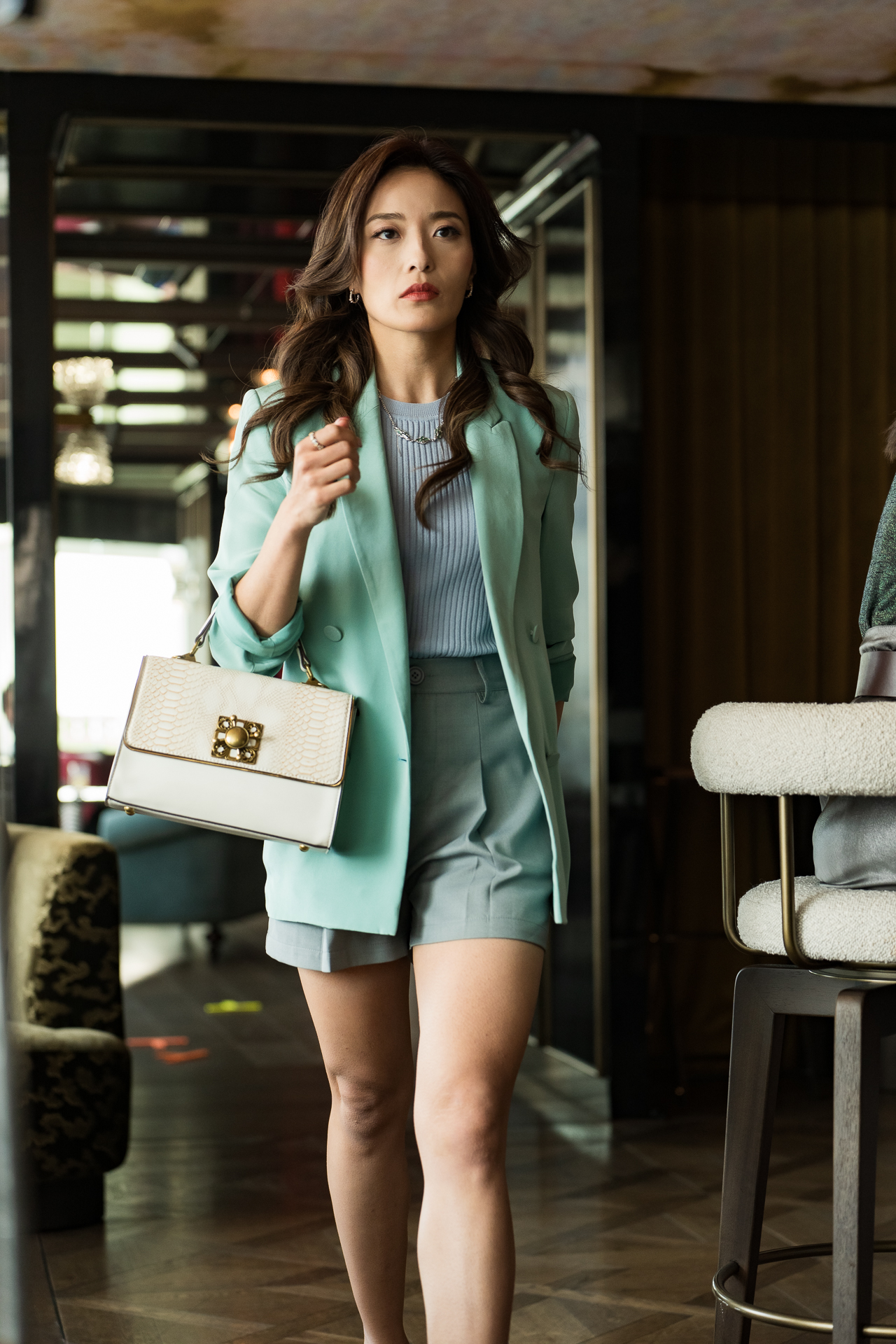
The world of The Season is built on appearance, but Chapman is more interested in what happens when the surface begins to split. In an age shaped by social media, she sees the show as especially timely. “We all struggle with an outward appearance of what we want others to see,” she says. “Sometimes it’s a very curated highlight reel of our lives.” Her point is simple: image is powerful, but it rarely tells the full story.
So when she says, “What you see is not all there is,” the line lands as more than a neat quote. It becomes the key to the whole project. Chapman describes the characters as people audiences will see “really crumble down,” which she finds compelling because it feels familiar beneath the wealth and polish. At its core, the series isn’t really about luxury — it’s about the strain of maintaining a version of yourself that no longer holds together.
Chapman’s personal connection to Hong Kong deepens that perspective. She has been visiting since childhood through her father’s family, and the city she knows is the everyday one: “the cha chaan tengs and the street food,” which she calls the “DNA of Hong Kong.” In her eyes, The Season is strongest when it shows both sides of the city — the super-rich, high-society world and the lived-in streets beneath it. “I’m not used to the super yachts and the crazy socialite life of Hong Kong,” she says, “but it’s great that we get to see both.”
Read more: ‘The Season’: Hulu Drops First Trailer For Its Hong Kong Revenge Drama TV Series
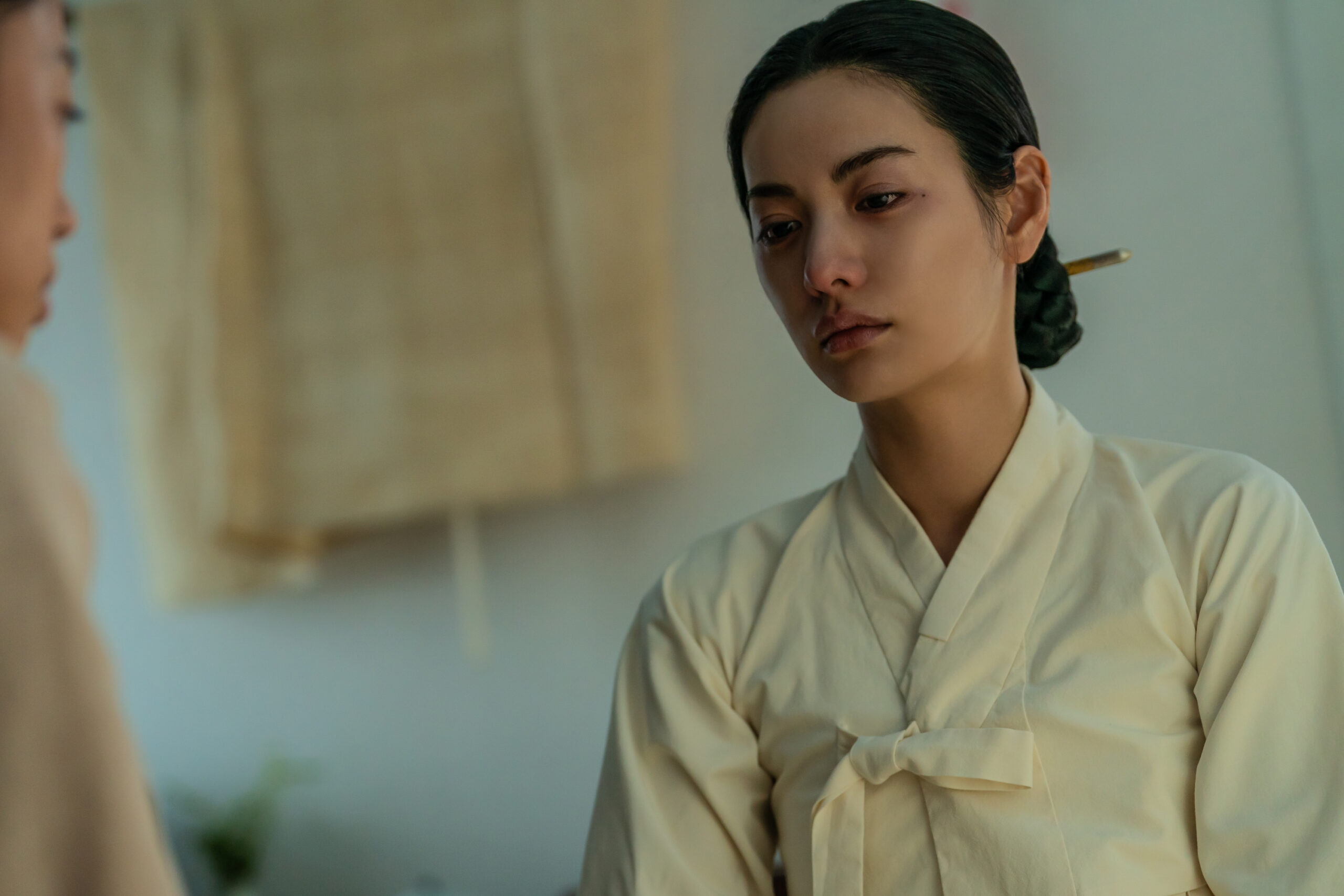
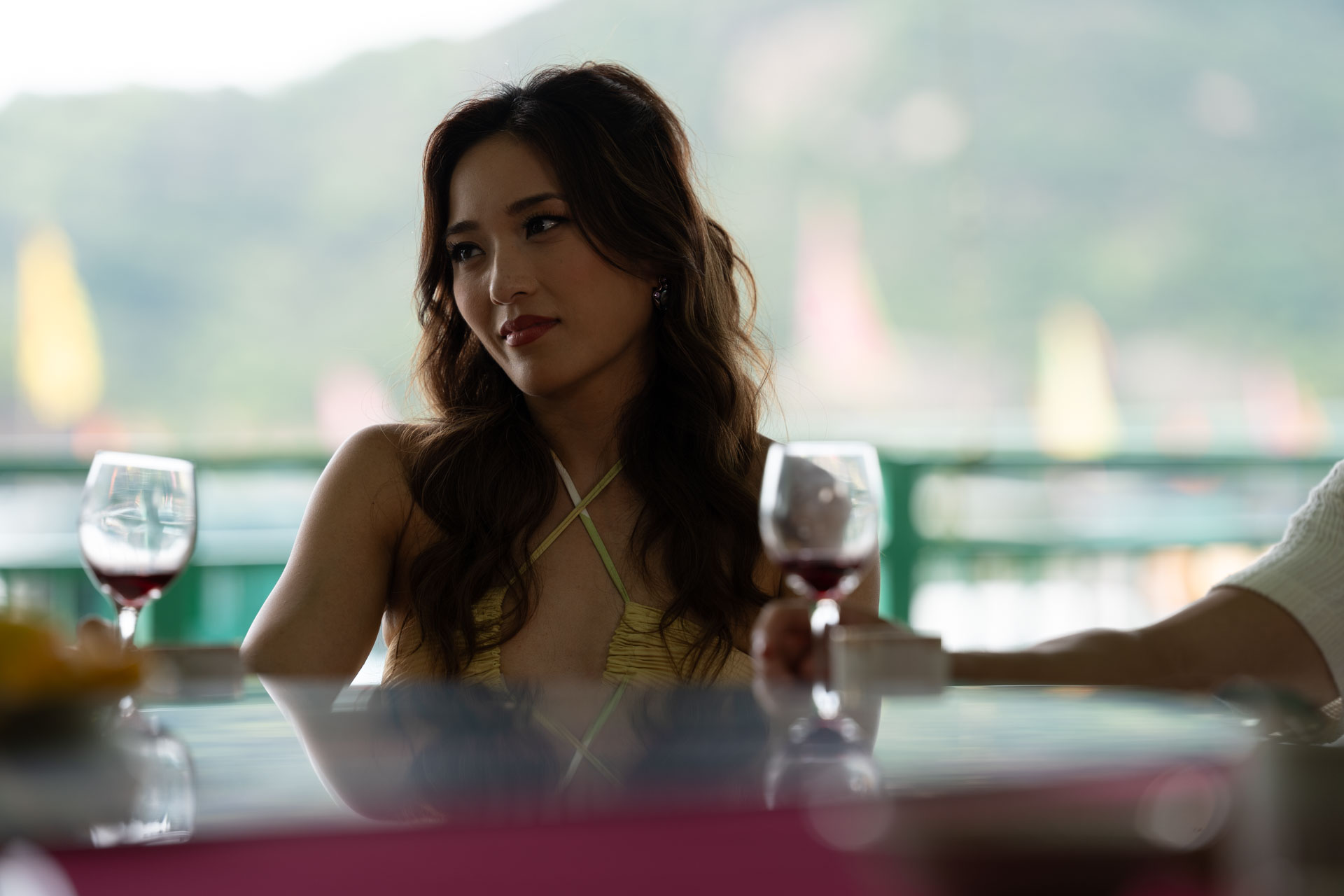
That duality also shapes Madeleine Wong, the character Chapman plays. Madeleine is the family’s rebel and black sheep, the one who refuses to follow the script. “She’s the one that calls everybody out on their bullshit,” Chapman says. “She’s part of the world, but she doesn’t like the world.” What makes her so interesting is her clarity. While everyone else is trying to maintain a face, Madeleine moves through the room unfiltered and unapologetic.
When asked what Madeline’s dating profile would say, Chapman wittily replies, “Widower, husband killed under mysterious circumstances, may or may not have been my fault.” It’s a darkly comic answer, but it also fits the character perfectly. The line captures The Season’s tone — glossy, sharp, and knowingly over-the-top — while showing just how little interest Madeleine has in behaving herself.
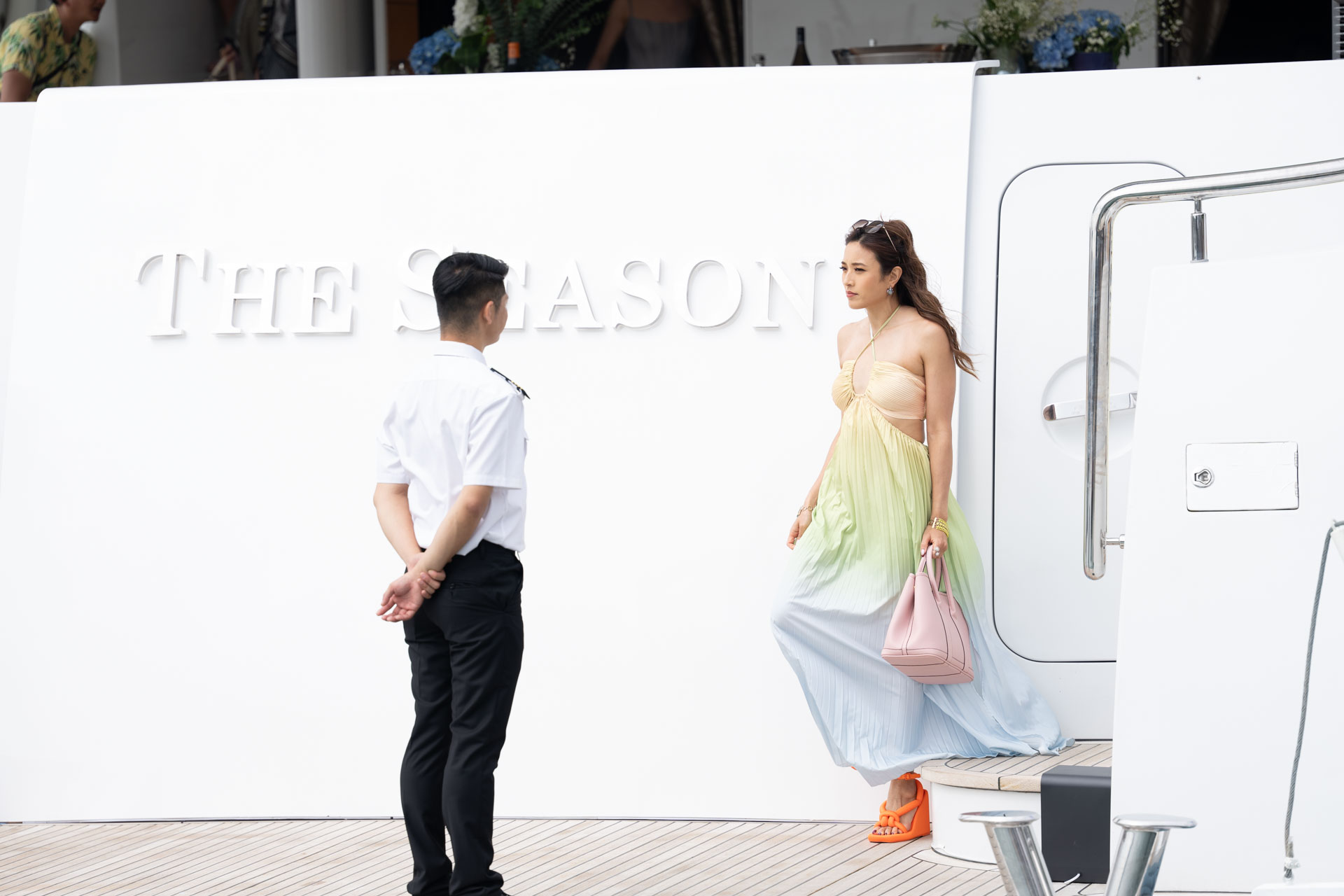
For Chapman, The Season also fits into a larger shift in how stories about Asian lives are being told. She believes audiences are increasingly open to seeing people in their real, imperfect complexity. “I think what is happening, and what I hope is happening, is that we’re starting to see more of a shift into the reality now where it’s welcomed to see people’s real-life circumstances,” she says. “It’s okay to say that you’re not okay and it’s okay to show more of a very realistic day-to-day life.”
Representation remains part of that conversation, too. Chapman sees room for growth, not only in the number of Asian-led projects, but in how ordinary it should feel to see those stories everywhere. “There’s far more room and capacity for all of us,” she says. “We’re never going to be done until it doesn’t feel special anymore.” It’s a measured, practical view of progress: visibility should become so normal it stops being treated as an exception.
Read more: Tony Leung Says AI Is a “Double-Edged Sword” With “No Soul” as He Warns of Cinema’s Creative Cost
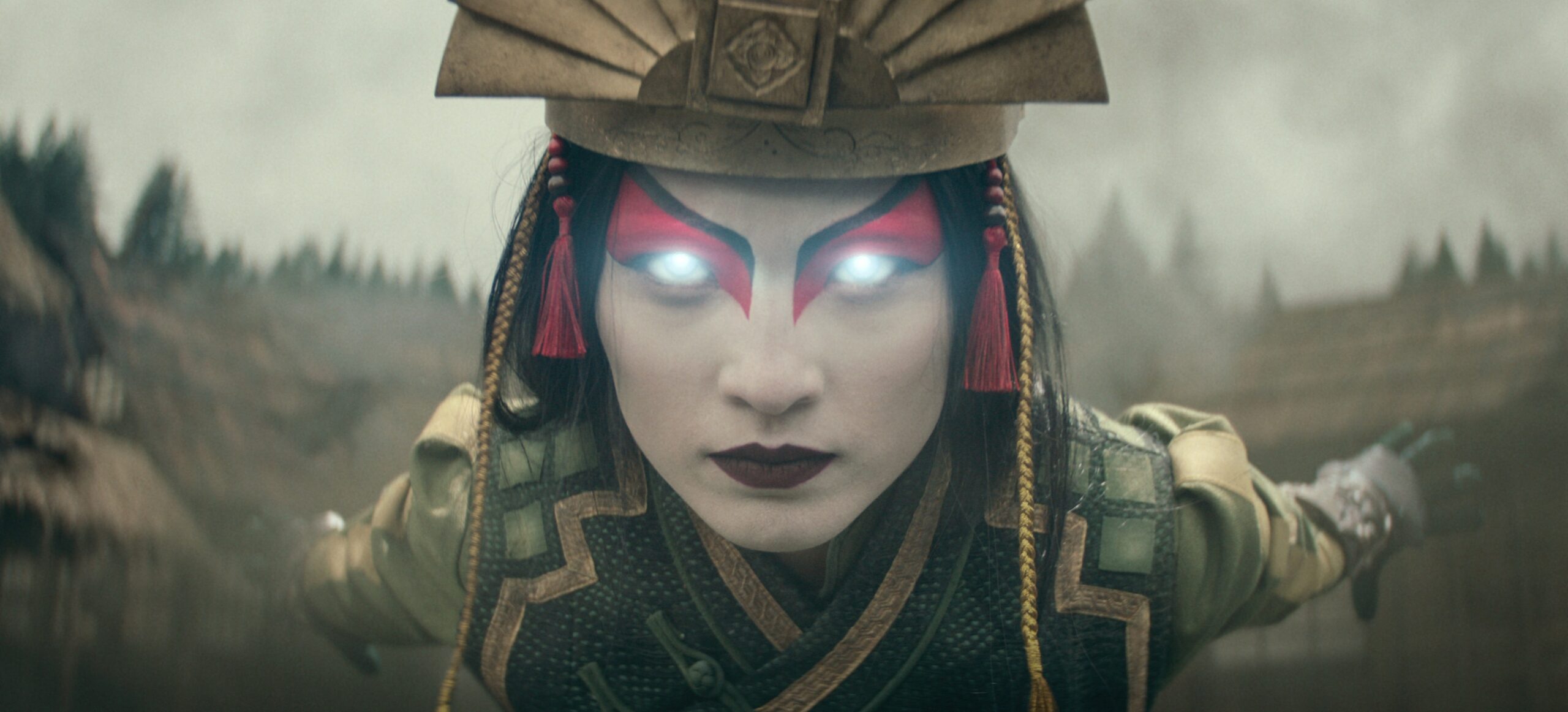
That momentum carries into Avatar: The Last Airbender, where Chapman returns as Avatar Kyoshi in a project with global reach. The contrast between the two roles is striking — one rooted in the social hierarchies of contemporary Hong Kong, the other in a fantasy world beloved by fans around the world. Together, they show the range of her career and the scale of her rising presence.
Seen as a whole, Chapman’s work points toward a broader shift in the stories making their way onscreen: more room for Asian characters who are complicated, funny, flawed, and fully human. In The Season, she brings all of that into a world obsessed with polish. And what makes her performance so effective is simple: she understands that the richest stories are usually the ones where the cracks are visible.